
Sauces & Condiments
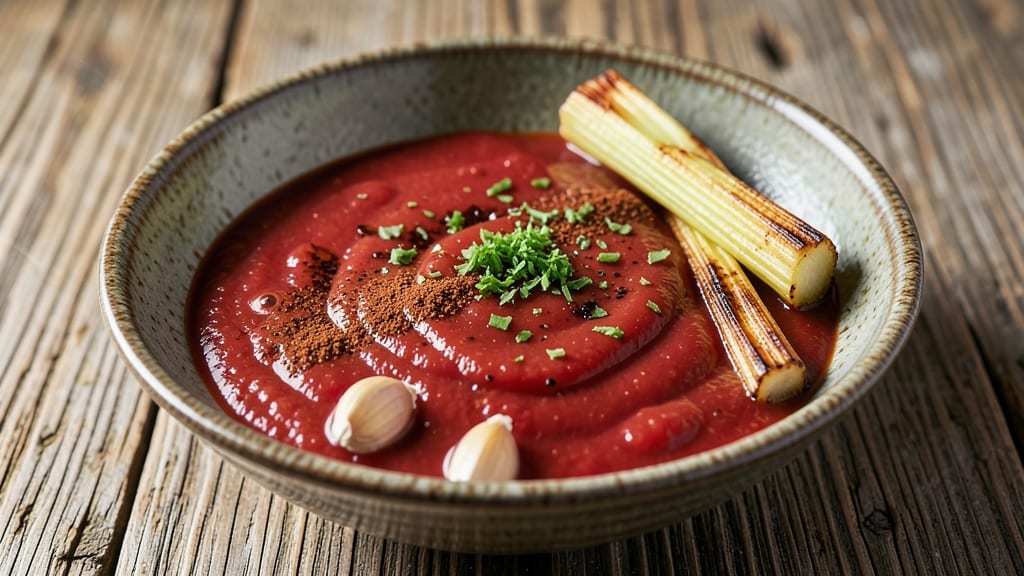
This Sunday sauce recipe without meat transforms simple ingredients into a smoky, velvety condiment that elevates any meal—no animal products needed. The secret lies in celery's natural sweetness and horseradish's subtle kick, which meld with tomatoes and spices to create depth that rivals traditional meat-based sauces.
What makes this recipe special is how it builds flavor through slow simmering, allowing the ingredients to develop complexity without relying on umami from meat.
The result is a sauce that's rich yet light, with a smoky undertone from the blend of paprika and liquid smoke, balanced by the fresh horseradish's sharpness. It's designed to be versatile—drizzled over pasta, tossed with grains, or spooned onto roasted vegetables.
The recipe comes together in under 30 minutes and keeps well in the fridge for up to a week, making it perfect for meal prep or gathering with family.
What sets this sauce apart is its ability to deliver restaurant-quality flavor without the heaviness of cream or butter. The horseradish adds a hidden zing that lingers on the palate, while the celery and tomatoes provide a natural sweetness that rounds out the smokiness.
It's the kind of sauce that turns a simple weeknight dinner into something memorable.
Whether you're serving it as a dipping sauce, a pasta dressing, or a topping for grilled vegetables, this recipe proves that meat-free cooking can be just as bold and satisfying. The instructions are straightforward, and the ingredients are likely already in your pantry—no special equipment required.
Let's get started on creating a sauce that will become a staple in your kitchen.
Ingredients for sunday sauce recipe without meat
Nine ingredients transform into a smoky, velvety sauce that rivals meat-based condiments without any animal products.
| Ingredient | Amount | Notes |
|---|---|---|
| Extra-Virgin Olive Oil 🫒 | ½ cup | High-quality, fruity variety |
| Celery Stalks 🥬 | 2 whole | Fresh, organic preferred |
| Garlic Cloves 🧄 | 4 cloves | Peeled, minced finely |
| San Marzano Crushed Tomatoes 🍅 | 28 oz | High-quality canned tomatoes |
| Fresh Horseradish Root 🌿 | 1 oz | Freshly grated, pungent |
| Smoked Paprika 🌶️ | 1 tbsp | High-quality smoked variety |
| Ground Cumin 🌿 | 1 tsp | Freshly toasted preferred |
| Onion Powder 🧅 | 1 tsp | Diamond Crystal preferred |
| Liquid Smoke 🔥 | ½ tsp | High-quality, no artificial flavors |
| Sea Salt 🧂 | 1 tsp | Diamond Crystal kosher salt |
The San Marzano crushed tomatoes are non-negotiable for this sauce—their natural sweetness and acidity create the perfect base. Look for high-quality brands at Whole Foods or specialty Italian markets, where the tomatoes are often sold in 28-ounce cans. Fresh horseradish is crucial too; Trader Joe's carries excellent pre-grated options if you don't want to grate it yourself. Celery should be crisp and vibrant—organic stalks from the grocery store's produce section work best, but avoid any with brown spots. The smoked paprika and liquid smoke combination delivers that restaurant-quality smokiness without needing meat, so invest in Penzeys or McCormick brands for the most authentic flavor.
No fresh horseradish? Prepared horseradish from a jar works in a pinch, but use half the amount since it's more concentrated. Short on celery? Substitute with an extra 1/4 cup of onion powder to compensate for the missing sweetness. The liquid smoke can be tricky—avoid brands with artificial flavors, as they'll overpower the delicate balance of this sauce. For a deeper smoky flavor without liquid smoke, add 1/2 teaspoon of smoked salt instead. The olive oil matters too; use extra-virgin with a fruity finish—California avocado oil works well if you prefer a neutral base. All spices should be stored in airtight containers away from light to preserve their potency.
This sauce develops even better the next day as the flavors meld. Store it in an airtight glass jar in the refrigerator for up to 1 week, or freeze it for 3 months in ice cube trays for single-serving portions. The horseradish's sharpness mellows slightly over time, so if you prefer it more pronounced, add a tiny extra pinch before serving. For meal prep, double the batch—it pairs beautifully with roasted vegetables, pasta, or grilled tofu. The sauce thickens as it cools, so add a splash of water if it becomes too viscous when reheating.
Why You'll Love This Recipe
- No Chopping Nightmare: I swear by this one—just dice two celery stalks and three garlic cloves. That’s it. No small prep, no stress, and the flavors still sing.
- Horseradish Kick: Between us, that fresh horseradish root is the MVP. It cuts through the richness of the olive oil and tomatoes, leaving you with a sauce that’s bright, sharp, and ridiculously satisfying.
- Weeknight to Potluck: This sauce works on pasta, roasted veggies, or even as a dip. I’ve brought it to dinner parties, packed it for lunch, and used it to jazz up grilled cheese—no regrets.
- Leftovers That Shine: The best part? It tastes better the next day. Store it in the fridge, and it’s ready to transform last night’s rice or toast into something special—zero effort, all flavor.
Step-by-step instructions for smoky tomato-celery velocity sauce
This rich, layered sauce balances smoky depth with hidden horseradish heat—perfect for Sunday suppers.
Sweat Celery and Garlic in Olive Oil
Heat the 0.5 cup extra-virgin olive oil in a heavy-bottomed saucepan over medium-low heat. Add the 2 whole celery stalks, sliced into ¼-inch pieces, and cook for 8-10 minutes until softened but not browned. The celery should release moisture and become translucent.
Add the 4 cloves minced garlic cloves and cook for another 1-2 minutes until fragrant but not colored. This slow cooking prevents bitterness and builds the sauce's aromatic foundation. Stir occasionally to prevent sticking—if it browns, reduce the heat immediately.
Toast Spices for Depth
Increase heat to medium and add the 1 tbsp smoked paprika, 1 tsp ground cumin, and 1 tsp onion powder. Stir constantly for 30 seconds until the spices are toasted and wafting their aromas—you'll smell a deep, earthy complexity. This step develops the sauce's smoky character before adding liquid.
Real talk: Don't rush this. The spices need time to bloom and release their oils. If you smell burning, reduce heat immediately—charred spices will overpower the sauce. Once properly toasted, the spices will meld into the sauce rather than sitting as distinct particles.
Add Tomatoes and Simmer
Pour in the 28 oz San Marzano crushed tomatoes and bring to a gentle simmer. Stir once to combine, then reduce heat to low and let it cook uncovered for 20-25 minutes. The sauce should thicken slightly as moisture evaporates, but it shouldn't reduce to a paste—aim for a velvety consistency.
During this time, stir occasionally to prevent skin formation. The tomatoes should break down completely, creating a smooth base. If the sauce looks too thin after 20 minutes, uncover and simmer longer—this is where patience pays off for proper texture.
Incorporate Horseradish and Liquid Smoke
Reduce heat to lowest setting and stir in the 1 oz freshly grated horseradish root and 0.5 tsp liquid smoke. The horseradish adds a subtle, bright heat that lingers without overpowering. Taste and adjust seasoning with the 1 tsp sea salt—this sauce should be balanced between smoky, sweet, and slightly spicy.
Here's the thing—horseradish loses potency when cooked too long. We're adding it at the end to preserve its sharp, peppery kick. The liquid smoke enhances the smoky depth without needing actual wood-fired cooking. Let the sauce sit off heat for 5 minutes to allow flavors to fully integrate.
Finish and Serve
Return the sauce to low heat and simmer gently for 5 more minutes to meld all flavors. The final sauce should coat the back of a spoon with a glossy sheen. If it's too thick, thin with 1-2 tablespoons water or reserved tomato liquid.
Serve warm over pasta, with crusty bread, or alongside grilled vegetables. The sauce keeps well in the refrigerator for 5 days and freezes beautifully for up to 3 months. The horseradish's heat will mellow slightly over time, but the smoky depth remains intense.
Pro Tips For Making Sunday Sauce Recipe Without Meat
- SWEEAT THE CELEERY FIRST: I learned this the hard way—chopping celery into a hot pan without a head start makes it bitter and watery. Drop the stalks in a cold skillet with a splash of water, cover, and cook on low for 5 minutes before adding oil. The water steams them down, and you’ll end up with silky, flavor-packed celery instead of sad, limp strands.
- PEEL GARLIC LIKE A PRO: Those papery skins hide the good stuff. Instead of smashing cloves, peel them whole by tapping the flat side on the counter, then rolling between your palms—no knife needed. For this sauce, crush them lightly after cooking; you want aroma, not garlic paste. (Yes, even if you’re impatient like me.)
- LOW AND SLOW FOR TOMATOES: Crushed San Marzano tomatoes are forgiving, but rushing them turns Sunday sauce into a watery mess. Simmer uncovered on medium-low for at least 20 minutes—let that liquid reduce by half. If it looks dry, add a splash of water, but don’t bail early. Patience here means depth later.
- GRATE HORSERADISH FRESH: Store-bought horseradish root? Skip it. The pre-grated stuff loses its kick fast. Use a microplane to zest just 1 teaspoon of fresh root into the sauce at the end—it brightens the whole dish. (Pro move: Add it with a pinch of sugar to mellow the heat.) Your future self will notice the difference.
Pro cooking tips for great sunday sauce recipe without meat
Spice Toasting Mastery
Toast your smoked paprika, cumin, and onion powder over medium heat for exactly 30 seconds—no more, no less. This step unlocks their full aromatic potential. I use a heavy-bottomed saucepan to prevent scorching, and I stir constantly with a wooden spoon to distribute heat evenly.
The spices should smell deeply earthy, almost like a campfire. If they darken too quickly, reduce heat immediately—charred spices will turn bitter and overpower the delicate balance of your sauce. 🔥
Celery's Sweet Secret
Slice celery into ¼-inch pieces and sweat them in olive oil for 8-10 minutes until translucent. This transforms their natural sweetness into a foundational flavor. I always use organic celery from the grocery store's produce section—it's sweeter and less bitter.
If your celery browns before softening, reduce heat to medium-low and cover the pan with a lid to trap moisture. The goal is to develop flavor, not color.
Tomato Simmer Control
Simmer the tomatoes uncovered for 20-25 minutes at a gentle bubble—never a rolling boil. This slow reduction concentrates their natural sweetness and thickens the sauce without losing moisture. I stir occasionally to prevent skin formation, but avoid over-stirring, which can break down the tomatoes too aggressively.
If the sauce looks too thin after 20 minutes, uncover and simmer longer. Patience here makes all the difference in texture.
Horseradish Timing
Add the freshly grated horseradish and liquid smoke only after the tomatoes have simmered—this preserves the horseradish's sharp, peppery kick. Cooking it too long dulls its flavor. Stir gently and let the sauce sit off heat for 5 minutes to allow the horseradish's heat to mellow slightly.
If you're using prepared horseradish from a jar, reduce the amount to ½ oz—it's more concentrated than fresh. Taste as you go, and adjust salt if needed.
Sauce Consistency Fixes
If your sauce thickens too much while simmering, thin it with 1-2 tablespoons water or reserved tomato liquid. For extra richness, stir in 1 tablespoon extra-virgin olive oil at the end. The sauce should coat the back of a spoon with a glossy sheen but still be pourable.
If it's too thin, simmer uncovered for 5-10 more minutes to reduce it further. Remember, the sauce will thicken as it cools, so adjust while it's still warm. ✨
Equipment Upgrades
For best results, use a heavy-bottomed saucepan like All-Clad or Le Creuset to prevent scorching. A wooden spoon helps distribute heat evenly, and a fine-mesh strainer lets you strain out any unwanted bits if you prefer a silky texture.
If you don't have a strainer, a cheesecloth works in a pinch. For the horseradish, a microplane grates it finely and evenly—no need for a food processor, which can make it too coarse. Investing in these tools elevates the sauce from good to restaurant-quality. 💡
Nutrition facts
Frequently asked questions
Can I make this sauce without fresh horseradish?
Yes! Use ½ oz prepared horseradish from a jar instead of fresh, since it's more concentrated. For a milder version, reduce to ¼ oz or swap with ½ tsp horseradish powder. The sauce will still have depth, though the fresh horseradish's bright kick will be less pronounced.
How can I make this sauce spicier?
Add ½ tsp cayenne pepper or 1 tsp red pepper flakes when toasting the spices. For heat without spice, increase the horseradish to 1.5 oz fresh or ¾ oz prepared. Always taste before serving—you can adjust heat by adding more after cooking.
What are the best ways to use this sauce?
This versatile sauce works as a pasta dressing, grain topping, or dipping sauce for crusty bread. Try it with whole wheat pasta, quinoa bowls, or as a marinade for grilled vegetables. The smoky depth also pairs well with roasted potatoes or stuffed bell peppers.
Why does my sauce taste bitter?
Bitterness usually comes from overcooked celery or charred spices. Ensure celery is cooked until soft but not browned (about 8-10 minutes at medium-low heat). If spices darken too quickly, reduce heat immediately—charred spices will overpower the sauce. For a quick fix, stir in ½ tsp sugar or 1 tbsp tomato paste.
Can I make this sauce in a slow cooker?
Yes! Combine all ingredients in your slow cooker and cook on low for 3-4 hours or high for 1.5-2 hours. The slow cooking enhances the smoky flavors, but you may need to add 1-2 tablespoons water to reach the right consistency. The horseradish will mellow even more with extended cooking.