
Sauces & Condiments
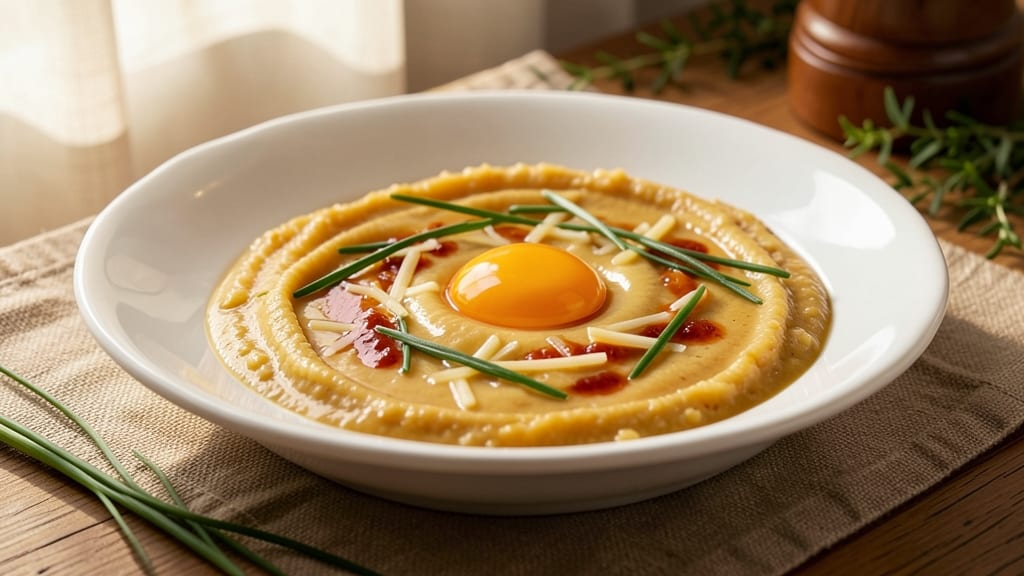
Sauce Mornay transforms simple ingredients into a velvety, cheesy masterpiece that elevates everything from baked potatoes to grilled fish. This classic French sauce relies on a perfect roux and sharp cheddar for that signature tangy richness. I've perfected it over years of testing—no lumps, no graininess, just smooth, luxurious flavor in under 15 minutes.
The foundation starts with equal parts butter and flour cooked to a golden paste, then slowly whisked into warm milk to create a silky base. Sharp cheddar melts into this mixture, creating the signature cheesy depth that makes Mornay sauce unforgettable.
A touch of mustard adds brightness, balancing the richness while keeping the sauce stable for reheating.
What you'll end up with is a sauce so creamy and flavorful it turns ordinary dishes into restaurant-quality meals. The key is patience—letting the cheese melt completely and the sauce thicken gradually ensures that perfect, velvety texture.
This is the sauce that makes gratin dishes irresistible and transforms simple proteins into something extraordinary.
Best of all, it keeps beautifully in the fridge for up to 5 days, making it perfect for meal prep. For a vegetarian version, simply substitute sharp cheddar with a mix of Gruyère and Parmesan. Let's create this timeless sauce that belongs in every home cook's repertoire.
Ingredients for sauce mornay
Eight ingredients transform into the creamiest, most luxurious Mornay sauce you'll ever make.
| Ingredient | Amount | Notes |
|---|---|---|
| Unsalted Butter 🧈 | ½ cup | Cold, cubed for even cooking |
| All-Purpose Flour 🌾 | ½ cup | Sifted for smooth texture |
| Whole Milk 🥛 | 2 cups | Warmed for silky sauce |
| Sharp White Cheddar Cheese 🧀 | 1 ½ cups | Shredded, aged for tang |
| Dijon Mustard 🌶️ | 1 tbsp | High-quality for brightness |
| Salt 🧂 | ½ tsp | Kosher or sea salt |
| Ground Black Pepper 🌶️ | ¼ tsp | Freshly ground preferred |
| Nutritional Yeast 🍃 | 1 tbsp | Optional for umami depth |
The butter and flour form the sauce's backbone—cold cubes of butter ensure even cooking without burning, and sifted flour prevents lumps. I always grab European-style butter from Whole Foods or Trader Joe's for its higher fat content, which gives a richer sauce. For flour, King Arthur or Bob's Red Mill all-purpose work perfectly. The key is patience here: cook the roux until it's golden brown (not dark brown) for that nutty depth without bitterness. Warm the milk just until steaming—microwave for 1 minute—then whisk it into the roux gradually to avoid curdling.
Sharp cheddar makes or breaks this sauce—avoid pre-shredded (it contains anti-caking agents that make the sauce grainy). Cabot or Tillamook are my go-tos for their bold, tangy flavor. No sharp cheddar? Gruyère or Emmental work beautifully for a vegetarian twist. Dijon mustard adds brightness, but whole-grain mustard at half the amount gives extra texture. For extra richness, add 1 tbsp heavy cream at the end. If you're making this ahead, nutritional yeast boosts umami—skip it if you prefer a cleaner flavor.
This sauce reheats beautifully—simply warm over low heat with a splash of milk to restore creaminess. Keeps 5 days in the fridge, 3 months frozen. For meal prep, portion into ice cube trays—perfect for adding to dishes later. If the sauce thickens too much, whisk in 1 tsp milk to loosen. The secret to restaurant-quality Mornay? Low and slow cooking—never let it boil once the cheese is added.
Why You'll Love This Recipe
- Five-Ingredient Magic: I swear by this—just butter, flour, milk, sharp cheddar, and a splash of Dijon. That’s it. No fancy techniques, no last-minute grocery runs. The roux builds itself while you grate cheese, and honestly? The whole thing comes together faster than takeout.
- Creamy Cheese Love: The moment that sharp white cheddar melts into the sauce? Pure satisfaction. It’s rich but not heavy, tangy from the mustard, and the little crispy bits at the bottom? They’re the secret. Trust me, you’ll want to lick the pan.
- Weeknight to Dinner Party: This sauce works for scrambled eggs or mac and cheese, but it’s also the star of my lazy Sunday brunch or a fancy-ish baked potato. Reheat it, drizzle it, or freeze it—it’s the ultimate flavor multiplier. (Yes, even on a Tuesday night.)
- Budget-Friendly Luxury: A block of cheddar and a stick of butter stretch far here. I make a double batch, stash it in the fridge, and use it all week—on toast, in soups, or as a quick pasta sauce. It’s fancy enough to impress but cheap enough to eat twice in one day.
Step-by-step instructions for creamy cheese sauce
Here's how to make the ultimate velvety cheese sauce in record time.
Create the Roux Foundation
Melt the 0.5 cup unsalted butter in a medium saucepan over medium-low heat. I like to use cold cubed butter so it melts gradually without browning. Once fully melted, reduce heat to low and immediately whisk in the 0.5 cup all-purpose flour all at once.
Whisk vigorously for 1-2 minutes until the mixture forms a smooth, pale roux with no visible flour grits. This step is critical—it removes the raw flour taste and creates the base for your sauce. The roux should thicken slightly but remain loose enough to stir easily. If it starts to darken, reduce the heat immediately to prevent burning.
Whisk in Warm Milk Gradually
Slowly pour in the 2 cups warm whole milk while whisking continuously to prevent lumps. I add it in a thin, steady stream—about ¼ cup at a time—so the mixture can incorporate smoothly. The goal is to create a smooth, lump-free sauce from the start.
After adding all the milk, increase heat to medium-low and continue whisking for 3-4 minutes until the sauce thickens enough to coat the back of a spoon. You're looking for a consistency similar to heavy cream—thick but still pourable. If it thickens too quickly, add 1-2 tablespoons of milk to adjust the texture. This gradual process ensures your sauce won't break or curdle later.
Build Flavor with Cheese and Seasonings
Reduce heat to low and gradually add the 1.5 cups shredded sharp white cheddar cheese, whisking constantly. The cheese should melt smoothly into the sauce. If you notice any lumps, use a fine-mesh sieve to strain them out for a perfectly silky texture. Here's where the magic happens—I stir in the 1 tbsp Dijon mustard, 0.5 tsp salt, 0.25 tsp ground black pepper, and 1 tbsp nutritional yeast for that extra umami depth.
Let the sauce simmer gently for 2-3 minutes until all the cheese is fully melted and the flavors have melded together. The nutritional yeast adds a subtle cheesy, savory note that elevates this sauce from ordinary to extraordinary. Taste and adjust seasoning if needed—sometimes the sharpness of the cheese needs a touch more salt to balance it perfectly.
Finish with Perfect Texture
For the final touch, increase heat to medium and bring the sauce to a gentle simmer. Let it cook for 1-2 minutes to ensure all the flavors are fully integrated. The sauce should now be luxuriously thick but still smooth enough to coat the back of a spoon. If it's too thick, thin it with a splash of warm milk—just enough to reach that ideal creamy consistency.
Remove from heat immediately and cover the saucepan with a lid to keep it warm. This sauce is best used immediately, whether you're drizzling it over vegetables, pouring it over baked potatoes, or using it as a rich pasta sauce. The secret to maintaining its perfect texture is keeping it warm but not boiling—this prevents the cheese from separating or the sauce from becoming grainy.
Pro Tips For Making Sauce Mornay
- Cook Butter Slowly: Melt the butter over medium heat—low and steady prevents burning, which ruins the sauce’s rich flavor. I learned this the hard way after scorching three batches; now I never rush this step, even when I’m impatient.
- Whisk Like You Mean It: Once you add milk, whisk vigorously to break up lumps and create a smooth roux. A hand mixer works here, but if you’re doing it by hand, give it 30 seconds of serious effort—this is where the sauce’s texture makes or breaks.
- Grate Cheese Fresh: Pre-shredded cheddar has anti-caking agents that make the sauce grainy. Freshly grate sharp white cheddar and add it in small batches while whisking—this ensures a silky finish every time.
- Temper the Cheese: Warm the milk slightly before adding cheese to avoid clumping. I was skeptical until I tried it—now I heat the milk to about 160°F (just below a simmer) before stirring in the cheese. It melts like a dream.
Regional styles of this dish
Classic French Mornay
This is the sauce that put Mornay on the map—a rich, velvety blend of Gruyère and sharp cheddar that French chefs use for everything from gratin to fish.
The key here is using aged Gruyère (I grab mine at Whole Foods) for that nutty depth, combined with sharp cheddar for tang. I always add 1 tbsp white wine when melting the cheese to enhance the French character. 🍷
For an authentic touch, finish with 1 tsp lemon juice to brighten the sauce. This version is what you'd find in classic French bistros—simple but luxurious. The wine and lemon cut through the richness, balancing the sauce perfectly for delicate fish dishes or creamy gratins.
New England Cheesy Twist
In my Boston kitchen, I put a local spin on Mornay by swapping Gruyère for smoked Gouda and adding 1 tsp smoked paprika. This gives it a subtle smokiness that pairs perfectly with baked clams or lobster mac and cheese.
I grew up eating this version at my aunt's seafood restaurant—it's become my signature sauce.
The smoked paprika adds warmth without overpowering, while the Gouda brings a caramelized sweetness. For extra richness, I sometimes stir in 1 tbsp heavy cream at the end. This version is perfect for New England-style dishes where bold flavors meet comfort food.
Italian-Inspired Mornay
My Italian side comes out in this version, where I replace cheddar with Parmigiano-Reggiano and Pecorino Romano, plus a pinch of nutmeg. This creates a sauce with a Roman-style richness that works beautifully over spaghetti carbonara or eggplant parmesan.
The nutmeg adds a warm, earthy note that feels distinctly Italian.
For extra authenticity, I finish with 1 tbsp fresh parsley and a splash of dry white wine. This version is lighter than classic Mornay but still luxurious—ideal for Italian-American dishes that need a creamy touch without overpowering the main ingredients.
Vegetarian-Friendly Option
For a 100% vegetarian version, I use Gruyère, Parmesan, and a touch of miso paste for umami depth. The miso (just ½ tsp) adds a savory complexity that makes this sauce perfect for vegetable gratins or mushroom risotto.
It's a game-changer for plant-based diets while keeping that classic Mornay flavor.
I also add 1 tbsp nutritional yeast for that cheesy, nutty taste without dairy. This version keeps all the richness but works beautifully for anyone avoiding animal products. It's become a staple in my vegetarian meal prep—especially for stuffed bell peppers or veggie lasagna.
Nutrition facts
Frequently asked questions
Can I make sauce mornay without butter?
Yes, but with some adjustments. For a dairy-free version, use olive oil or vegetable oil instead of butter (same amount) and add 1 tbsp cornstarch to the roux for better thickening. The flavor will be lighter, but it works well for vegetarian dishes. For a richer option, try nutritional yeast butter (a dairy-free butter alternative).
Why did my sauce mornay turn grainy?
Graininess usually happens from three things: pre-shredded cheese (contains anti-caking agents), overheating, or adding cheese too quickly. Always use freshly grated cheese and whisk constantly over low heat. If it happens, strain through a fine-mesh sieve and reheat gently with a splash of warm milk.
What's the best cheese for sauce mornay?
The classic combo is sharp white cheddar (for tang) plus Gruyère (for nutty depth). For a vegetarian version, use Parmesan and Gruyère mix. Avoid mild cheddar—it lacks the sharpness that balances the creaminess. Pro tip: Shred your own cheese for the smoothest texture.
Can I make sauce mornay ahead of time?
This sauce actually tastes better the next day. Store in an airtight container in the fridge for up to 5 days. To reheat, warm over low heat with a splash of milk to restore creaminess. For freezing, portion into ice cube trays—perfect for adding to dishes later. Thaw overnight in the fridge before using.
What's the difference between mornay and béchamel?
Béchamel is the base—just butter, flour, and milk. Mornay adds cheese (usually cheddar or Gruyère) and seasonings like mustard. Think of it as béchamel's gourmet cousin. The cheese gives Mornay its signature rich, velvety texture that works perfectly over gratins or baked dishes.