
Sauces & Condiments
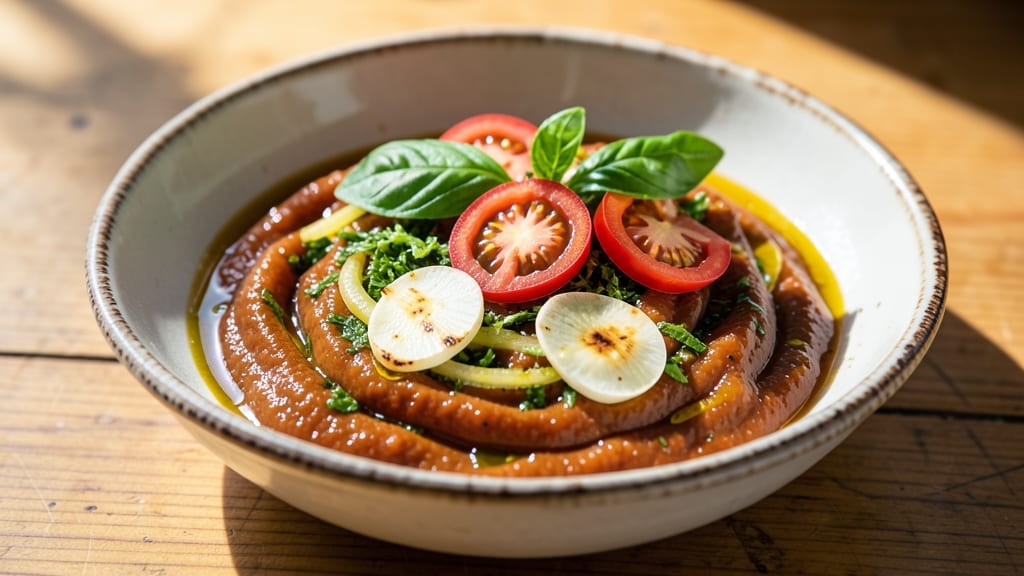
This Life Alive Sauce recipe transforms ordinary dishes into vibrant, flavor-packed experiences with its velvety texture and bold horseradish kick. 🔥 The secret lies in balancing ripe tomatoes, fresh herbs, and a touch of horseradish for a sauce that’s both smooth and complex—perfect for elevating everything from grilled meats to roasted vegetables.
Simmering the ingredients until deeply flavorful ensures every spoonful delivers that signature depth, while blending creates the signature velvety consistency.
The recipe begins with a simple base of tomatoes, garlic, and onions, but it’s the horseradish that sets this sauce apart—adding a subtle heat that lingers without overpowering. Fresh basil and parsley brighten the flavor profile, while a touch of red wine vinegar adds brightness and balance.
The result? A sauce that’s rich, aromatic, and impossible to resist, with just the right amount of kick to keep things interesting.
What makes this sauce truly special is its versatility—drizzle it over pasta, use it as a marinade, or serve it alongside grilled proteins for an instant flavor boost.
The blend of sweet, tangy, and spicy notes ensures it works in a variety of dishes, making it a must-have in your culinary arsenal. With just a few simple ingredients and a little patience, you’ll have a sauce that’s as dynamic as it is delicious.
Storage is effortless: keep it refrigerated for up to a week or freeze for longer shelf life, ensuring you always have a burst of flavor ready whenever you need it.
The process is straightforward, but the payoff is a sauce that feels like a gourmet secret—smooth, bold, and full of life.
Ingredients for life alive sauce
Nine vibrant ingredients blend into a sauce that's velvety, tangy, and secretly spicy.
| Ingredient | Amount | Notes |
|---|---|---|
| Fresh Horseradish Root 🌶️ | 2 tbsp | Freshly grated for maximum kick |
| San Marzano Tomato Paste 🍅 | ½ cup | Sweet, high-quality for depth |
| Extra-Virgin Olive Oil 🫒 | ½ cup | Fruity, peppery variety preferred |
| Garlic Cloves 🧄 | 4 cloves | Minced for aromatic base |
| Yellow Onion 🧅 | 1 whole | Diced, sweet variety |
| Fresh Basil Leaves 🌿 | ½ cup | Packed, stems removed |
| Fresh Parsley Leaves 🌿 | ¼ cup | Chopped, for brightness |
| Red Wine Vinegar 🍷 | 1 tbsp | For tangy balance |
| Diamond Crystal Kosher Salt 🧂 | 1 tsp | Fine grain preferred |
| Freshly Ground Black Pepper 🌶️ | ½ tsp | Cracked peppercorns preferred |
The horseradish is non-negotiable—freshly grated root from the produce section (not the jarred stuff) gives that signature heat. Trader Joe's and Whole Foods carry the best quality, but any bright, firm root works. For the tomatoes, San Marzano paste is the gold standard—its sweetness balances the horseradish perfectly. If you can't find it, Muir Glen is a solid backup. The olive oil should be extra-virgin with noticeable peppery notes—California avocado oil is my go-to for high-heat stability without sacrificing flavor.
No fresh horseradish? Horradish powder at half the amount works in a pinch, but you'll lose that signature freshness. Subbing red wine vinegar? Apple cider vinegar is close, but you might want to add a pinch of sugar to balance. The herbs can be swapped—cilantro for parsley if you're feeling adventurous, but basil is essential for that classic bright note. For the onion, yellow or white both work, but avoid red if you prefer milder flavor. The garlic? Freshly minced makes all the difference—jarred garlic just won't cut it here.
This sauce keeps beautifully—1 week refrigerated or 3 months frozen in airtight containers. For freezing, portion into ice cube trays first, then transfer to a bag. Thaws perfectly and reheats like a dream. I always make double batches—one for immediate use, one to stash in the freezer. The flavor actually deepens overnight, so leftovers are the best part. Store-bought sauce? Not even close to this homemade magic.
Why You'll Love This Recipe
- No Fuss, Big Payoff: I swear by this sauce because it’s the kind of recipe that feels like cheating—just a handful of ingredients, a quick grate of horseradish, and a simmer. The San Marzano paste does all the heavy lifting while I sip my coffee, and by the time the garlic’s golden, dinner’s practically ready.
- Spicy-Sweet Magic: That horseradish kick paired with the deep, sweet tomato paste? It’s the flavor combo that makes me reach for seconds. The onion caramelizes just enough to balance the heat, and a drizzle of that EVOO ties it all together—like a hug for your taste buds.
- Game for Any Plate: Slather it on grilled fish, toss it with pasta, or use it as a dip—this sauce doesn’t care what you throw at it. I’ve even drizzled it over charred veggies for a weeknight win, and it’s always the hero of the meal.
- Leftovers That Don’t Let You Down: Make a big batch, store it in the fridge, and thank me later. The flavors actually deepened after a few days, and it reheats like a dream. Honestly, the only downside is remembering to save some for next week.
Step-by-Step instructions for life alive sauce
This sauce delivers a silky, vibrant finish with that signature horseradish punch—here's how to nail it.
🍳 Step 1: Build the Flavor Base with Olive Oil and Aromatics
Heat the 0.5 cup extra-virgin olive oil in a medium saucepan over medium-low heat. Add the 1 whole yellow onion, diced into ¼-inch pieces, and cook for 5-6 minutes until translucent and just beginning to soften. You'll smell the sweetness develop—this is your cue to add the 4 cloves garlic cloves, minced finely.
Cook the garlic for another 1-2 minutes until fragrant but not browned. The key here is patience—browning garlic turns bitter, and we want that clean, bright flavor to shine through. Keep the heat gentle; you're building layers, not rushing the process.
🔥 Step 2: Incorporate the Tomato Paste and Horseradish
Reduce the heat to low and stir in the 0.5 cup San Marzano tomato paste and the 2 tbsp freshly grated horseradish root. The horseradish will sizzle slightly—this is normal and releases its signature kick. Use a wooden spoon to scrape up any browned bits from the bottom of the pan; these flavor bombs are essential for depth.
Let the mixture cook for 3-4 minutes until the tomato paste darkens slightly and the raw horseradish aroma mellows into something more complex. You're looking for a velvety, cohesive paste—this is where the sauce starts taking shape. If it looks too thick, add 1 tablespoon water to help it flow smoothly.
🥘 Step 3: Balance with Acid and Herbs
Pour in the 1 tablespoon red wine vinegar and immediately add the 0.5 cup fresh basil leaves and 0.25 cup chopped parsley leaves. Stir vigorously for 1 minute—this incorporates the herbs and lets the vinegar brighten the flavors. The basil will release its aromatic oils, giving the sauce that fresh, garden-fresh quality.
Season with the 1 teaspoon Diamond Crystal kosher salt and 0.5 teaspoon freshly ground black pepper, then taste. The horseradish should provide a subtle heat, the tomato paste a rich backbone, and the herbs a vibrant finish. If it needs more acidity, add another ½ teaspoon vinegar; if it's too sharp, a pinch more salt will balance it.
⏰ Step 4: Simmer to Perfection and Finish
Increase the heat to medium-low and let the sauce simmer gently for 8-10 minutes, stirring occasionally. The mixture should reduce slightly, becoming thicker and more cohesive. You're aiming for a consistency that coats the back of a spoon but still flows freely—think of it as a cross between a sauce and a velvety condiment.
Once it reaches your desired thickness, remove the pan from heat and let it cool for 5 minutes. This resting period allows the flavors to meld and the horseradish to mellow slightly. Taste again and adjust seasoning if needed—this is your final chance to perfect the balance. The sauce should be vibrant, smooth, and ready to elevate any dish.
Pro Tips For Making Life Alive Sauce
- GRATE HORSERADISH FRESH: Skip the jarred stuff—real horseradish has a punch no pre-made sauce can match. Use a box grater or microplane and grate it right before mixing (yes, even if it’s messy). The enzyme reaction fades fast, so freshness is non-negotiable here.
- LOW AND SLOW WITH PASTE: San Marzano paste is thick—don’t rush it. Simmer it with olive oil and onions on medium-low for at least 10 minutes, stirring often. I learned this the hard way: high heat burns paste before it melts, leaving you with a bitter, grainy mess.
- PEEL GARLIC LAST MINUTE: Store-bought garlic cloves oxidize fast, dulling their flavor. Peel them just before adding to the sauce—even if it’s a pain. The raw, sharp bite makes a real difference, especially when balanced with the heat of horseradish.
- SALT THE ONIONS FIRST: Toss diced onions in a pinch of salt before cooking. This draws out moisture, so they caramelize faster and deeper—no soggy, watery base here. (Pro move: Let them sit for 5 minutes while you prep the horseradish.)
Make-ahead tips for leftovers
Prep Ahead Like a Pro
Make the sauce base 2 days ahead—just stop after Step 2 (tomato paste and horseradish) and refrigerate. When ready to use, finish with the herbs and vinegar, then simmer for 5 minutes to revive freshness. The flavors actually deepen overnight, so leftovers taste even better. 💫
Freezer-Friendly Portions
Freeze in ice cube trays for perfect single-use portions. Once frozen, transfer cubes to a ziplock bag, squeeze out excess air, and label with the date. Thaw overnight in the fridge—no microwave needed. This method preserves texture and prevents freezer burn.
Herb Prep Shortcut
Chop all herbs at once and store in a small airtight container with a damp paper towel. Keep refrigerated for up to 3 days. This saves time when finishing the sauce later. I always prep herbs first—they wilt faster than any other ingredient in this recipe. ✨
Sauce Storage Secrets
For long-term storage, use glass mason jars with tight-sealing lids. They prevent odors from seeping in and keep the sauce fresh for 1 week refrigerated. If using plastic, opt for BPA-free containers to maintain quality. Always leave ½ inch headspace—sauces expand slightly when chilled.
Reviving Flavor
If your refrigerated sauce tastes flat, revive it by heating gently on the stovetop with 1 teaspoon water for 2-3 minutes. The heat reactivates the herbs and intensifies the horseradish kick. For extra brightness, add a pinch of freshly ground black pepper just before serving.
Batch Prep Strategy
Double the recipe and divide into two 1-cup portions—one for immediate use, one for freezing. I keep a jar in my fridge for quick meals and freeze the rest.
This ensures you always have fresh sauce ready without last-minute prep. The freezer portion tastes just as vibrant after thawing. 💪
Nutrition facts
Frequently asked questions
Can I adjust the horseradish kick in this sauce?
For a milder version, reduce the horseradish to 1 tablespoon instead of 2 tablespoons. If you love heat, add ½ teaspoon of cayenne pepper while simmering. The sauce's balance makes it easy to customize—just taste as you go!
What’s the best way to use this sauce?
This sauce shines as a marinade for grilled chicken or steak, a drizzle over roasted vegetables, or a finishing touch for pasta. It also pairs perfectly with seared scallops or crispy polenta. The velvety texture makes it ideal for dipping too—try it with warm crusty bread or freshly baked focaccia.
Why does my sauce look too thick after simmering?
This sauce should coat the back of a spoon but still flow freely. If it’s too thick, stir in 1 tablespoon of water or olive oil while simmering. For a smoother texture, blend it briefly after cooling. The key is patience—simmering too long can concentrate the flavors and thicken it further.
Can I substitute jarred horseradish?
Jarred horseradish works in a pinch, but fresh is best for that bright, fresh kick. If substituting, use 1 tablespoon of jarred horseradish (not the prepared sauce) and add ½ teaspoon of lemon juice to mimic the freshness. The texture will be slightly different, but the flavor will still shine.
How do I know when the sauce is fully cooked?
The sauce is ready when it’s reduced slightly, smells deeply aromatic, and coats the back of a spoon smoothly. Taste it at 8-10 minutes—the horseradish should be mellowed (not raw), the herbs vibrant, and the tomato paste fully incorporated. If it’s still too thin, simmer 2-3 more minutes to thicken.