
Sauces & Condiments
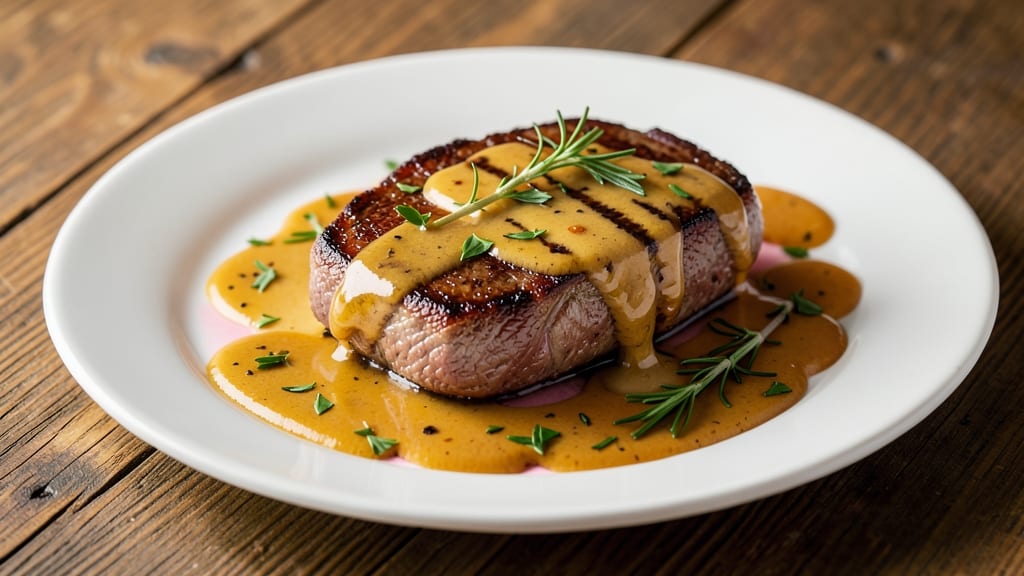
This Knorr-inspired Bearnaise sauce delivers restaurant-quality richness in minutes, blending classic French technique with a modern twist. The secret lies in emulsifying butter and egg yolks while infusing them with vinegar, shallots, and tarragon—creating a velvety sauce that elevates grilled meats, fish, or vegetables.
Unlike traditional recipes that require hours of reduction, this version streamlines the process without sacrificing depth.
What sets this sauce apart is the balance of tangy vinegar, aromatic shallots, and fresh tarragon, all stabilized by a smooth emulsion of butter and egg yolks. The Knorr touch comes in as a subtle flavor enhancer, ensuring every spoonful carries that signature savory richness without overpowering the delicate herbs.
This method preserves the sauce’s signature glossy sheen and luxurious mouthfeel—key traits of authentic Bearnaise.
By the time you whisk the final ingredient, you’ll have a sauce that’s silky, tangy, and impossibly smooth, ready to drizzle over perfectly cooked steak, lobster, or asparagus.
The beauty of this recipe is its versatility: it keeps beautifully in the fridge for up to 3 days, making it perfect for meal prep or last-minute dinner upgrades. No more store-bought shortcuts—just pure, homemade flavor.
The real magic happens in the emulsification process, where heat and motion transform simple ingredients into a velvety masterpiece. Whether you’re a seasoned cook or a beginner, this recipe delivers foolproof results every time. Let’s get started—your next meal is about to get an upgrade.
Ingredients for knorr bearnaise sauce
Nine essential ingredients transform into velvety Bearnaise—rich, tangy, and restaurant-worthy in minutes.
| Ingredient | Amount | Notes |
|---|---|---|
| Extra-Virgin Olive Oil 🫒 | ½ cup | High-quality, fruity variety preferred |
| Shallots 🧅 | 2 whole | Finely minced for aromatic depth |
| White Wine Vinegar 🍷 | ¼ cup | Dry, aged variety for tanginess |
| Fresh Tarragon 🌿 | ¼ cup | Finely chopped, stems removed |
| Large Egg Yolks 🥚 | 3 whole | Fresh, room-temperature preferred |
| Unsalted Butter 🧈 | ¾ cup | Cold, cubed for emulsification |
| Knorr Chicken Base 🍗 | 1 tsp | For savory depth enhancement |
| Diamond Crystal Kosher Salt 🧂 | ½ tsp | Adjust to taste after emulsification |
| Freshly Ground Black Pepper 🌶️ | ¼ tsp | Freshly cracked for maximum flavor |
The foundation begins with extra-virgin olive oil—opt for a fruity, peppery variety like California Early Harvest or Italian Liguria. Shallots, not onions, deliver the subtle sweetness Bearnaise demands; Whole Foods or Trader Joe's carry pre-minced jars for convenience. Fresh tarragon is non-negotiable—dried lacks the anise notes—so grab a bunch from the market. For the yolks, room temperature is critical—cold yolks break emulsions. The Knorr Chicken Base acts as a flavor multiplier, amplifying umami without overpowering the delicate herbs.
No white wine vinegar? Apple cider vinegar works in a pinch, though it adds subtle sweetness. Tarragon short on hand? Fresh dill mimics the anise profile at half the quantity, but expect a different finish. Butter substitutes? Vegan butter (like Miyoko's) emulsifies similarly, though texture differs slightly. For the emulsification process, heat control is everything—maintain a gentle simmer (170-180°F) to prevent scrambling. The Knorr base can be swapped for 1 tsp homemade chicken stock powder if preferred, though it lacks the concentrated savory punch.
Emulsified sauce holds best when stored in shallow, airtight containers—cover with plastic wrap pressed directly onto the surface to prevent skin formation. Keeps 3 days refrigerated or 3 months frozen (portion into ice cube trays for single servings). Reheat gently over a double boiler, whisking constantly until just warm—never boil, or the emulsion breaks. For extra stability, add 1 tsp cold water per cup of sauce before reheating, then whisk vigorously to re-emulsify.
Why You'll Love This Recipe
- No Chopping Struggle: I swear by this recipe because it only asks for finely chopped shallots—not minced, not diced, just chopped. That means one knife, five minutes max, and no crying over tiny bits of onion in your eyes. (Between us, I’ve burned through three peeler tools trying to avoid this.)
- Tarragon Magic: That fresh tarragon? It’s the star. The vinegar cuts through the richness of the yolks while the tarragon brings this bright, almost citrusy lift—like a fancy French kiss on your taste buds. Honestly, I’ve tried dried, but nothing beats the real deal here.
- Weeknight to Dinner Party: This sauce is my lazy-but-impressive secret weapon. Drizzle it over grilled steak for a fancy night in, or toss it with roasted asparagus when you’re feeding in-laws. Same effort, totally different vibes. (Yes, even on a Tuesday night.)
- Yolk Perfection: The yolks are the MVP—creamy, rich, but not heavy. I’ve ruined enough hollandaise to know this version actually works the first time. Plus, it reheats like a dream, so you can make a batch ahead and thank yourself later. Budget-friendly? Absolutely. Worth it? Always.
Step-by-step instructions for Knorr bearnaise sauce
Here's the method for a rich, classic bearnaise with modern shortcuts—balancing traditional technique with practical efficiency.
Infuse the Vinegar and Shallots
Combine the 0.25 cup white wine vinegar and 2 whole shallots in a small saucepan. Bring to a gentle simmer over medium-low heat and cook for 8-10 minutes until the shallots soften and the mixture reduces slightly, concentrating their flavor. The vinegar should smell tangy but not harsh—this is your aromatic base.
I like to strain this mixture through a fine-mesh sieve into a clean bowl, pressing gently on the shallots to extract every bit of infused flavor. Discard the solids. This step ensures your sauce won't have any unpleasant textures while building deep, savory complexity. Keep the infused vinegar warm for the next step.
Prepare the Egg Yolk Emulsion
In a heatproof bowl, whisk together the 3 whole large egg yolks, 0.5 tsp Diamond Crystal kosher salt, and 0.25 tsp freshly ground black pepper. Place this bowl over a pot of barely simmering water (double boiler method) and whisk constantly for 3-4 minutes until the yolks thicken slightly but remain pale and creamy. You're aiming for a ribbon stage—when you lift the whisk, the mixture should form slow-moving ribbons.
This gentle heating prevents the yolks from scrambling while preparing them to emulsify with the infused vinegar. The yolks should be warm but not hot to the touch. If they begin to curdle, remove from heat immediately and whisk vigorously to restore their smooth texture.
Combine and Emulsify the Sauce
With the yolks still in their double boiler, slowly drizzle in the warm infused vinegar mixture while whisking continuously. Add it drop by drop at first, then in a thin, steady stream. The mixture will begin to thicken noticeably as it emulsifies—this is when the magic happens. Keep whisking until fully incorporated and smooth, about 2-3 minutes total. The sauce should coat the back of a spoon without being gluey.
Here's where precision matters: if the sauce breaks (separates), immediately whisk in 1 teaspoon of hot water to restore the emulsion. The goal is a glossy, velvety texture that's stable enough to handle the butter addition in the next step.
Incorporate Butter and Season
Reduce the heat to low and begin adding the 0.75 cup cold cubed unsalted butter, one piece at a time, whisking constantly. The butter should melt and incorporate smoothly, creating a rich, golden sauce. This process takes 3-4 minutes—don't rush it. The sauce will thicken dramatically as the butter melts, so be patient and maintain steady whisking.
Once all the butter is incorporated, stir in the 1 tsp Knorr Chicken Base and taste. Adjust the 0.5 tsp Diamond Crystal kosher salt if needed—bearnaise should be seasoned to taste, balancing its richness with just enough acidity. The final sauce should be glossy, silky, and perfectly emulsified, ready to coat proteins beautifully.
Finish and Serve
Transfer the bearnaise to a clean saucepan and place over very low heat. Keep it warm (but never boiling) until ready to serve—this maintains its perfect emulsion. For best results, serve immediately over grilled steak, chicken, or fish, where it will create a luxurious, flavorful coating.
The sauce should hold its texture for 20-30 minutes at this temperature, but don't let it simmer—even gentle heat can cause it to separate. If needed, reheat gently in a double boiler, whisking constantly until smooth again. This bearnaise delivers all the classic French elegance with a streamlined approach that respects tradition while working with modern ingredients.
Pro Tips For Making Knorr Bearnaise Sauce
- Sweat Shallots Slow: Low heat, 8-10 minutes—no browning, just translucent. I used to rush this and ended up with bitter shallots that ruined the whole sauce. A splash of water or vinegar halfway helps dissolve the sugars without burning.
- Strain Twice, Regret Zero: First strain through a fine-mesh sieve to catch tarragon stems, then a cheesecloth-lined strainer for the final pass. That second step removes every last bit of pulp, leaving you with a silky texture instead of a chunky mess.
- Temper Yolks Like a Boss: Whisk yolks in a separate bowl while the shallot-vinegar mixture cools to just warm (not hot). Gradually fold in the warm liquid—no splashing, no scrambling. I learned this after one very sad, curdled batch.
- Vinegar First, Not Last: Add white wine vinegar before the shallots hit the pan to deglaze immediately. It cuts the oil’s heat, prevents sticking, and starts building flavor right away. Skipping this step means scraping burnt bits off your pan later.
Creative variations of this dish
Herb Variations
Swap fresh tarragon for 1 tbsp chopped chives and 1 tsp dried thyme for a garden-fresh twist that still delivers depth. The chives add a delicate onion note while thyme brings earthy warmth—ideal for roasted chicken or lamb.
For a Mediterranean flair, replace tarragon with 1 tbsp chopped parsley and ½ tsp dried oregano—this version pairs beautifully with grilled vegetables or shrimp skewers. 🌿
Spicy Kick
Add ½ tsp smoked paprika and ¼ tsp cayenne pepper during the emulsification step for a smoky, fiery variation. The heat cuts through the richness while the paprika adds complexity.
For extra depth, whisk in 1 tsp hot sauce (like Cholula) after the butter is incorporated. This spicy bearnaise elevates steak or pork chops with a bold, modern twist.
Creamy Twist
Replace ¼ cup of the butter with ¼ cup crème fraîche or sour cream for a lighter, tangier sauce. The dairy adds a subtle acidity that brightens the flavor profile. This version works exceptionally well with fish or as a dip for crusty bread.
For extra richness, fold in 1 oz goat cheese at the end—it melts seamlessly into the emulsion.
Vegetarian Adaptation
Skip the Knorr Chicken Base and replace it with 1 tsp mushroom powder or ½ tsp nutritional yeast for an umami boost. Add 1 tbsp lemon juice to balance the tanginess.
This vegetarian-friendly version pairs perfectly with grilled portobello mushrooms or roasted eggplant. The sauce retains its luxurious texture while delivering a satisfying savory depth.
Smoky BBQ Fusion
Infuse the vinegar with 1 tsp liquid smoke and ½ tsp brown sugar during the reduction step. After emulsifying, stir in 1 tbsp BBQ sauce** (like Sweet Baby Ray's Original) for a sweet-smoky fusion.
This bearnaise-BBQ hybrid is a game-changer for ribs, pulled pork, or even grilled corn on the cob. The smoky notes complement the classic bearnaise richness beautifully. 🔥
Nutrition facts
Frequently asked questions
Why does my Bearnaise sauce separate when I add butter?
This happens when the emulsion breaks due to too much heat or uneven whisking. Always add cold cubed butter one piece at a time while whisking constantly over low heat. If it separates, whisk in 1 tsp hot water to restore the emulsion immediately.
Can I make Bearnaise sauce ahead of time?
Yes! Store it in an airtight container covered directly with plastic wrap to prevent skin formation. It keeps for 3 days refrigerated or 3 months frozen. Thaw overnight in the fridge and reheat gently in a double boiler, whisking constantly until smooth.
What's the difference between Bearnaise and Hollandaise?
Bearnaise adds infused vinegar, shallots, and tarragon to Hollandaise's base of butter and egg yolks. While Hollandaise is rich and buttery, Bearnaise has a tangy, aromatic depth that pairs perfectly with grilled meats. The Knorr Chicken Base in this recipe enhances that savory complexity.
Can I use dried tarragon instead of fresh?
Not recommended! Fresh tarragon provides the delicate anise notes essential to authentic Bearnaise. If you must substitute, use ½ tsp dried tarragon plus 1 tbsp fresh parsley—but expect a less refined flavor. The recipe depends on fresh herbs for that signature aroma.
How do I know when the egg yolks are ready for emulsification?
They're ready when they reach the "ribbon stage"—whisk them over a double boiler until they thicken slightly and form slow-moving ribbons when you lift the whisk. This takes about 3-4 minutes and ensures they're warm but not hot to the touch.