
Sauces & Condiments
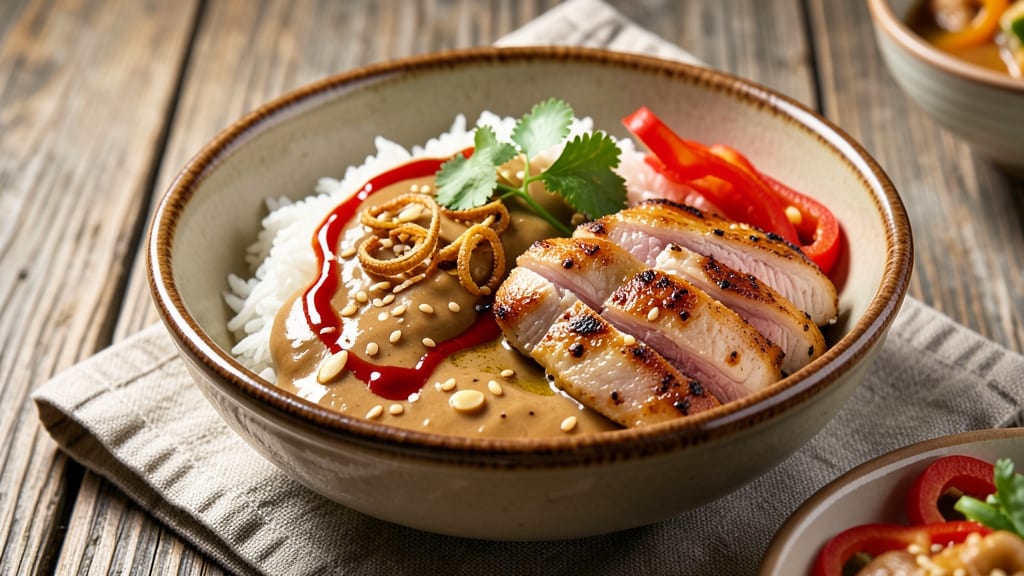
This hot pot peanut sauce recipe transforms simple ingredients into a smoky-sweet, nutty masterpiece that elevates every dip and drizzle. The secret lies in balancing rich peanut butter with bold soy sauce, aromatic garlic, and a touch of chili oil—creating a sauce that’s both velvety and complex.
I developed this recipe after craving that perfect harmony of nuttiness and heat, and it never fails to impress at the table.
The sauce starts with a smooth peanut butter base, but don’t let that fool you—it’s far from basic. A splash of soy sauce adds depth, while fresh ginger and garlic infuse warmth, and a drizzle of chili oil brings the heat.
The texture is creamy yet pourable, making it ideal for dipping, drizzling over hot pot broths, or tossing with stir-fried meats. It’s restaurant-quality without the fuss.
What makes this sauce stand out is its versatility and longevity. Store it in the fridge for up to a week, or freeze for months—it only gets better with time as flavors meld.
The first time you taste the way the peanut richness marries with the smoky chili and tangy soy, you’ll understand why this sauce becomes a staple. It’s the kind of condiment that turns ordinary meals into something extraordinary.
Whether you’re hosting a hot pot night or just want to add excitement to your weeknight dinners, this sauce delivers. The process is straightforward, but the results are anything but basic. Let’s get started—your taste buds will thank you.
Ingredients for hot pot peanut sauce
Nine simple ingredients create this restaurant-quality peanut sauce that’s smoky, sweet, and nutty.
| Ingredient | Amount | Notes |
|---|---|---|
| Creamy Peanut Butter 🥜 | ½ cup | Natural, unsweetened preferred |
| Soy Sauce 🍶 | ¼ cup | Light or dark variety |
| Rice Vinegar 🍶 | 2 tbsp | For tangy balance |
| Sesame Oil 🫒 | 1 tbsp | Toasted, for aroma |
| Chili Oil 🌶️ | 1 tbsp | Or substitute chili flakes |
| Garlic Cloves 🧄 | 3 cloves | Minced for depth |
| Fresh Ginger 🌿 | 1 tbsp | Grated, for warmth |
| Honey 🍯 | 1 tbsp | Or maple syrup for vegan |
| Water 💧 | ¼ cup | To thin consistency |
| Sesame Seeds 🌾 | 1 tsp | Toasted, for garnish |
The peanut butter is the heart of this sauce—natural, unsweetened is key for authentic flavor. Trader Joe’s and Whole Foods carry great options, but any store-brand natural peanut butter works too. For extra richness, toast the peanut butter in a dry pan for 2-3 minutes before mixing. The soy sauce should be light or dark, but not low-sodium—Kikkoman is a reliable choice. Fresh ginger and garlic are non-negotiable here; jarred minced garlic lacks the depth, and powdered ginger is just sad. If you’re in a pinch, use 1/2 tsp ground ginger, but it won’t be the same.
No sesame oil? Toasted sesame seeds mixed with neutral oil works in a bind, though it won’t have that signature aroma. Chili oil missing? Mix 1/2 tsp chili flakes with 1 tsp neutral oil and let it sit for 10 minutes to infuse. The honey adds that perfect sweetness, but maple syrup or agave are great vegan swaps. Need to adjust thickness? Add water 1 tbsp at a time—this sauce should coat the back of a spoon but still pour smoothly. The rice vinegar is what ties everything together, so don’t skip it unless you’re okay with a flatter flavor.
This sauce keeps beautifully—1 week in the fridge or 3 months in the freezer. Store it in a sealed jar, and the flavors only deepen over time. I like to portion it into small containers for easy dipping or drizzling. If it thickens in the fridge, just stir in a splash of warm water. The sesame seeds? Toast them fresh before garnishing—2 minutes in a dry pan until fragrant. This sauce is your new secret weapon for hot pot nights, stir-fries, or even drizzled over grilled meats. Trust me, once you go smoky-sweet, you won’t go back.
Why You'll Love This Recipe
- Five-Ingredient Magic: I swear by this combo—peanut butter, soy, vinegar, and those two oils—and it’s the kind of sauce that makes you question why you ever bought fancy store-bought versions. Honestly, the chili oil cuts through the richness just enough to keep it balanced, and the sesame oil adds that nutty depth without extra work.
- Sauce in Minutes: No simmering, no waiting—just stir, taste, adjust. I’ve made this while microwaving leftovers, during phone calls, even while folding laundry. The peanut butter melts smoothly, and the vinegar brightens it up faster than you can say "quick dinner."
- Dip Everything: This isn’t just for hot pot. Toss it with noodles, drizzle it over grilled chicken, or let the kids (or you) dunk fries in it. Between us, I’ve used it as a marinade for tofu, and it’s become my go-to for lazy Sundays when I don’t want to cook—just assemble.
- Budget-Friendly Staple: A jar of peanut butter, a bottle of soy sauce, and a tiny chili oil vial last me months. I’ll be real: I buy the cheap versions, and it still tastes like a restaurant dish. Plus, the leftovers? They keep for weeks in the fridge, so I’m always covered for last-minute cravings.
Step-by-step instructions for hot pot peanut sauce
Here's how to blend these simple ingredients into a velvety, smoky-sweet sauce that'll elevate every hot pot dip.
Melt and Combine the Base Ingredients
Grab a small saucepan and place it over medium-low heat. Add the 0.5 cup creamy peanut butter and let it melt completely, stirring constantly with a silicone spatula. You'll see it transform from thick to smooth and glossy—this takes about 2-3 minutes. The peanut butter should coat the back of your spoon evenly without any lumps.
Once fully melted, reduce the heat to low and stir in the 0.25 cup soy sauce and 2 tablespoons rice vinegar. Let the mixture simmer gently for 1 minute while you prepare the aromatics. This step builds the foundational flavors—salty, umami, and tangy—that will carry through the entire sauce. Don't rush this; letting the ingredients meld is what creates that restaurant-quality depth.
Add Aromatics and Sweeteners
In a small bowl, finely mince the 3 cloves garlic and grate the 1 tablespoon fresh ginger using a microplane or fine grater. The goal is tiny, almost paste-like pieces that will dissolve into the sauce. Add these to the saucepan along with the 1 tablespoon honey and 1 tablespoon sesame oil.
Stir everything together over low heat for 2-3 minutes until the garlic becomes fragrant and the ginger loses its raw bite. You'll notice the sauce start to thicken slightly as the aromatics release their oils. Here's the thing—if you smell the garlic burning, immediately reduce the heat to its lowest setting. Burnt garlic turns bitter, and we're going for that perfect balance of sweet, savory, and aromatic.
Incorporate the Oils for Depth
Remove the saucepan from heat completely and let it cool slightly for 1 minute. This prevents the 1 tablespoon chili oil from cooking off its signature heat and smokiness. Slowly drizzle in the chili oil while whisking continuously. The sauce will take on a beautiful reddish hue and develop a subtle spicy aroma. If you're using chili flakes instead, sprinkle them in now and whisk until fully incorporated.
Return the pan to low heat and add the 0.25 cup water. Stir constantly for 1-2 minutes until the sauce reaches your desired consistency—it should be thick enough to coat the back of a spoon but still pourable. If it's too thick, add a splash more water; if too thin, simmer longer to reduce. This is where you'll feel like a pro, adjusting the texture to your perfect dipping consistency.
Finish with Toasted Sesame Seeds
Transfer the sauce to a serving bowl and let it cool to room temperature. While it cools, toast the 1 teaspoon sesame seeds in a dry skillet over medium heat for 1-2 minutes until they turn golden brown and release their nutty aroma. This step adds that final crunchy texture contrast that makes the sauce complete.
Sprinkle the toasted sesame seeds over the sauce just before serving. The seeds should be evenly distributed on top, ready to add texture with every dip. For the best experience, let the sauce sit for 10-15 minutes before serving—this allows all the flavors to fully meld together. The result should be a sauce that's rich, nutty, slightly spicy, and perfectly balanced between sweet and savory, ready to transform your hot pot into a flavor explosion.
Pro Tips For Making Hot Pot Peanut Sauce
- Thin the peanut butter: Warm the peanut butter first—just a minute in the saucepan with a splash of water or soy sauce. Cold peanut butter clumps like cement, and scraping it out later is a chore. I learned this the hard way after wrestling with globs in my first batch.
- Balance the heat: Add chili oil last, then taste—you can always add more, but you can’t take it out. Start with half the amount listed and adjust; peanut sauce is forgiving, but rice vinegar and sesame oil already bring brightness. I was skeptical until I tried it—now I never overdo it.
- Simmer, don’t boil: Keep the sauce at a gentle bubble, not a rolling boil. High heat burns the peanut butter, making it bitter and grainy. After three batches of ruined sauce, I finally cracked the lid and let it breathe at low heat—all the difference.
- Toast the sesame oil: Heat the sesame oil in the pan for 30 seconds before adding anything else. That’s when it releases its nutty aroma, not when you dump it in cold. Sounds weird, but it works—your sauce will smell like a street stall, not a sad microwave meal.
Flavor customization for hot pot peanut sauce
Sweet vs. Savory
Start with the honey-to-soy ratio—this is where you control the balance. For a sweeter sauce, increase honey to 1.5 tablespoons while keeping soy at 0.25 cup. If you prefer more savory depth, reduce honey to 0.5 tablespoon and add 1 extra tablespoon soy sauce.
I find 1 tablespoon honey works best for most palates, but adjust based on your sweet tooth—just remember, the peanut butter already adds natural sweetness. 🍯
Spicy Heat Levels
Chili oil is where the heat lives, so control it precisely. For mild heat, use 0.5 tablespoon chili oil or ½ teaspoon chili flakes. Want medium heat? Stick to the recipe (1 tablespoon chili oil).
For fiery kick, add 1 extra tablespoon chili oil or 1 teaspoon chili flakes. Pro tip: Toast the chili flakes in a dry pan for 30 seconds before adding—they’ll release their oils and intensify the flavor without extra heat. 🌶️
Nutty Depth
Toasted peanut butter takes this sauce to the next level. Spread 0.5 cup peanut butter on a baking sheet and toast in a 350°F oven for 5-7 minutes until fragrant. For extra richness, add 1 teaspoon peanut oil to the sauce.
If you love crunch, stir in 1 extra tablespoon toasted sesame seeds while the sauce is warm. This adds texture that contrasts beautifully with the smooth peanut base. 🥜
Tangy Balance
The rice vinegar is your secret weapon for brightness. For a tangier sauce, increase to 3 tablespoons—this cuts through the richness when using extra peanut butter. If you prefer milder tang, reduce to 1 tablespoon and add ½ teaspoon lemon juice instead.
The vinegar also helps emulsify the sauce, so don’t skip it unless you’re okay with separation. 🍶
Smoky Variations
Swap sesame oil for toasted sesame paste (½ teaspoon) for deeper aroma, or add ½ teaspoon smoked paprika for a subtle smokiness. For bold smoky flavor, replace 1 tablespoon water with 1 tablespoon chicken or vegetable broth—it adds umami depth.
If you love charred flavors, lightly char 1 garlic clove in a dry pan before mincing and adding it to the sauce. 🔥
Thick or Thin
Need a thicker sauce for dipping? Simmer the finished sauce uncovered for 2-3 extra minutes to reduce. For a thinner, drizzling consistency, add 1 extra tablespoon water and whisk vigorously.
If the sauce separates, whisk in ½ teaspoon cornstarch mixed with 1 teaspoon water to stabilize it. The ideal texture should coat a spoon but still pour smoothly. ✨
Nutrition facts
Frequently asked questions
Can I make this peanut sauce without cooking?
For a no-cook version, simply mix 0.5 cup peanut butter, 0.25 cup soy sauce, 2 tbsp rice vinegar, 1 tbsp honey, 1 tbsp sesame oil, 1 tbsp chili oil, 0.25 cup water, and 1 tbsp toasted sesame seeds in a bowl. Stir until smooth, then let it sit for 10 minutes to thicken slightly. The flavors will still meld beautifully, though the sauce will be slightly less aromatic.
How do I store leftover peanut sauce?
Store in an airtight container in the fridge for up to 1 week or freeze for 3 months. If it thickens in the fridge, whisk in 1 tbsp warm water to restore consistency. For best texture, let it come to room temperature before using again. The sauce actually improves with time as flavors deepen!
What's the best way to use this sauce beyond hot pot?
This versatile sauce works as a marinade for grilled meats, a drizzle for noodles, or a dip for spring rolls. Try it on stir-fried tofu, as a glaze for baked chicken, or mixed into peanut butter for sandwiches. The nutty-sweet balance makes it perfect for both savory and slightly sweet dishes.
My sauce got too thick—how can I fix it?
Thin with 1 tbsp warm water at a time until you reach a pourable consistency. For a more stable fix, whisk in ½ tsp cornstarch mixed with 1 tsp water to help bind the sauce. If it's still too thick after adding water, gently reheat while stirring to reduce the liquid. The ideal texture should coat the back of a spoon but still flow smoothly.
Can I make this sauce with powdered peanut butter?
Not recommended—powdered peanut butter lacks the richness and texture of creamy peanut butter. If you must use it, add 1 extra tbsp peanut oil to compensate for the missing fat content. For best results, stick with natural creamy peanut butter for that authentic, velvety texture. The flavor difference is significant!