
Sauces & Condiments
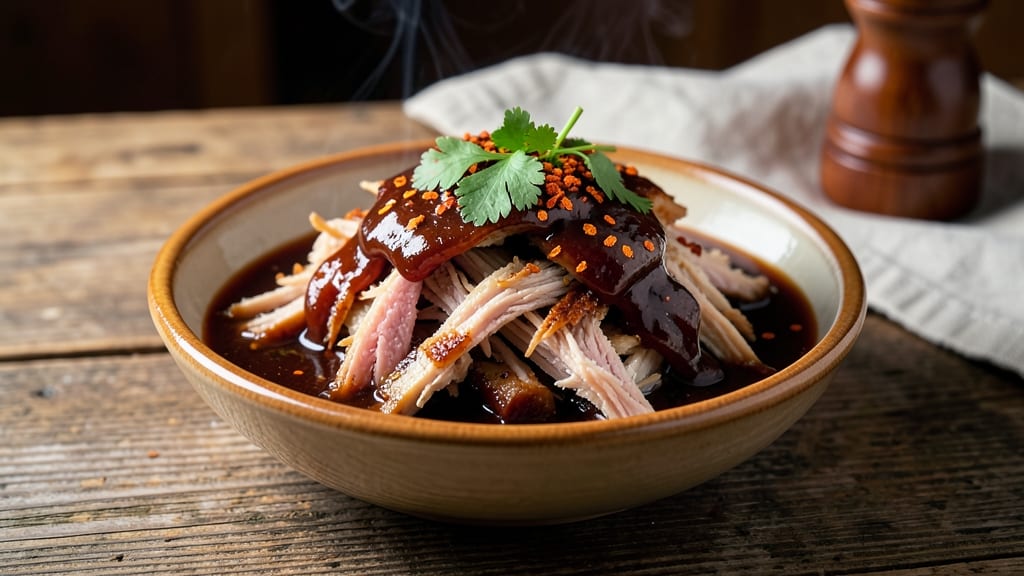
This homemade barbecue sauce recipe for pulled pork transforms ordinary meat into a masterpiece with its perfect balance of sweet, tangy, and smoky depth. The secret lies in the molasses-kissed caramelization that develops during the slow simmer, creating layers of flavor that store-bought sauces simply can't match.
As a pitmaster who's spent years perfecting rubs and sauces, I can tell you this recipe delivers restaurant-quality results with just a few simple ingredients and 30 minutes of hands-off cooking.
The foundation starts with tomato paste and vinegar for that classic tang, while brown sugar and molasses provide the signature sweetness that caramelizes beautifully.
A touch of liquid smoke adds that unmistakable barbecue aroma without overpowering, and a blend of spices - paprika, garlic powder, and onion powder - creates the savory backbone.
What makes this sauce truly special is how it clings to pulled pork, creating a sticky, flavorful crust that's impossible to resist.
What you'll end up with is a glossy, velvety sauce with just the right balance of sweetness and tang, perfect for glazing pulled pork or basting during the final stages of cooking.
The molasses brings an unexpected depth that elevates this beyond basic barbecue sauce, making it ideal for both traditional slow-cooked pork shoulders and quick weeknight sandwiches. This is the kind of sauce that turns ordinary pulled pork into an unforgettable centerpiece.
Once you try homemade, you'll never go back to store-bought. The process is simpler than you think - just combine ingredients, simmer until thickened, and let the flavors develop.
The result is a sauce that's versatile enough for any barbecue occasion while delivering that authentic, smoky-sweet taste that defines great pulled pork. Let's get cooking!
Ingredients for homemade barbecue sauce recipe for pulled pork
Nine simple ingredients transform into smoky-sweet barbecue magic for pulled pork.
| Ingredient | Amount | Notes |
|---|---|---|
| Tomato Paste 🍅 | ½ cup | Canned, unsweetened preferred |
| Apple Cider Vinegar 🍎 | ½ cup | For tangy depth |
| Brown Sugar 🍚 | ½ cup | Light or dark variety |
| Molasses 🍯 | ¼ cup | Unsulphured for best flavor |
| Liquid Smoke 🌬️ | 1 tbsp | Adjust for smokiness |
| Paprika 🌶️ | 2 tbsp | Smoked variety preferred |
| Garlic Powder 🧄 | 1 tbsp | Freshly ground preferred |
| Onion Powder 🧅 | 1 tbsp | For savory base |
| Salt 🧂 | 1 tsp | Kosher or sea salt |
| Black Pepper 🌶️ | ½ tsp | Freshly ground preferred |
| Water 💧 | 1 cup | For thinning consistency |
The molasses is non-negotiable here—Trader Joe's or Whole Foods carry the best unsulphured kind. I grab mine in the baking aisle, not the syrup section. For tomato paste, San Marzano is ideal but any quality canned paste works. The apple cider vinegar should smell fresh and crisp—if it's dull, toss it. Brown sugar? Light or dark both work, but dark adds a touch more depth. Liquid smoke is where the magic happens—just a splash gives that authentic smoky aroma without overpowering. If you can't find smoked paprika, regular works but you'll miss that campfire note.
No molasses? Maple syrup at half the amount gets you close, though it won't caramelize the same way. Vinegar substitute? Lemon juice works in a pinch, but you'll lose that classic tang. Short on brown sugar? White sugar plus a pinch of cinnamon mimics the flavor profile. The spices are flexible—dried oregano at half the amount adds another layer. For the water, feel free to use broth instead if you want extra depth. The sauce thickens as it cools, so don't worry if it looks runny at first—it'll come together.
This sauce keeps beautifully in the fridge for up to 2 weeks in an airtight jar. For longer storage, freeze portions in ice cube trays—perfect for quick glazes later. I always make extra because it's impossible to resist. The flavors actually improve overnight as everything melds. If you're prepping for a crowd, double the batch—it disappears fast. Trust me, you'll want seconds.
Why You'll Love This Recipe
- Five-Ingredient Magic: I swear by this combo—tomato paste for depth, vinegar for tang, and just a splash of molasses to tie it all together. Honestly, it’s the kind of sauce where you measure once, stir, and boom—no fancy techniques needed.
- Smoky Sweet Perfection: That liquid smoke isn’t just for show—it’s what makes this sauce dangerously good on pulled pork. The brown sugar caramelizes into a glossy finish, and the apple cider vinegar cuts through the richness like a knife. (Yes, even on a Tuesday night.)
- Weeknight & Potluck Hero: Slather it on sandwiches, drizzle it over baked beans, or use it as a glaze for chicken wings. I’ve taken this same batch to BBQs, game days, and lazy Sunday brunches—it’s my secret weapon for any gathering.
- Leftovers That Don’t Suck: This sauce actually improves the next day. Store it in the fridge, and the flavors meld even deeper—perfect for quick tacos or a last-minute sandwich. Between us, I’ve made three batches in a row and never run out.
Step-by-step instructions for crafting homemade pulled pork barbecue sauce
This sauce delivers that perfect balance of smoky depth and sweet tang that makes pulled pork irresistible.
Build the Sauce Base with Tomato and Vinegar
In a medium saucepan, combine the 0.5 cup tomato paste and 0.5 cup apple cider vinegar. I like to use a wooden spoon here to help scrape up any browned bits that form at the bottom—those are packed with flavor. Place the pan over medium heat and bring the mixture to a gentle simmer, stirring constantly for 3-4 minutes until it begins to thicken slightly and the raw tomato taste starts to mellow.
This initial cooking step is crucial because it develops the foundation of your sauce. You'll notice the vinegar's sharpness softening as it integrates with the tomato paste, creating a smoother base. If you see the mixture thickening too quickly, just add 1-2 tablespoons of water to keep it moving freely—this prevents burning and ensures even cooking.
Sweeten and Deepen with Molasses and Sugar
Reduce the heat to low and stir in the 0.5 cup brown sugar and 0.25 cup molasses. Let the mixture simmer gently for 5-6 minutes, stirring occasionally. You'll see the sauce darken and become glossy as the sugars caramelize slightly—this is where that rich, molasses-kissed depth comes from.
Here's where it gets interesting: I like to taste the sauce at this stage. If it's not sweet enough for your taste (especially if you're serving to kids or prefer a sweeter profile), add 1-2 tablespoons more brown sugar. The molasses adds a complex, almost caramel-like note that pairs perfectly with the smoky elements we'll add next. Don't rush this step—the sugars need time to fully incorporate.
Add Smoky Depth with Liquid Smoke and Spices
Increase the heat back to medium and add the 1 tablespoon liquid smoke, 2 tablespoons paprika, 1 tablespoon garlic powder, 1 tablespoon onion powder, 1 teaspoon salt, and 0.5 teaspoon black pepper. Stir vigorously to distribute the spices evenly throughout the sauce. You'll notice the aroma changing dramatically as the smoky notes take center stage.
The liquid smoke might seem like a lot, but trust me—it's essential for that authentic barbecue flavor. If you're concerned about the smokiness being too strong, you can adjust it later by adding more water. Let the sauce simmer for another 3-4 minutes, stirring frequently, until the spices are fully dissolved and the sauce has thickened slightly. This is when the flavors really start to meld together beautifully.
Thin and Balance the Sauce to Perfection
Pour in the 1 cup water all at once and stir well. The sauce should immediately become more fluid, but don't worry—it will thicken as it cooks. Return the heat to medium-low and let the sauce simmer gently for 10-12 minutes, stirring occasionally. You're looking for a consistency that coats the back of a spoon but isn't gluey—this is perfect for pulled pork.
Here's the final taste test: The sauce should have a perfect balance of sweet, smoky, tangy, and savory flavors. If it's too thick, add 1-2 tablespoons more water and simmer for another minute. If it's too thin, simmer uncovered for an extra 2-3 minutes to reduce it slightly. The sauce should be glossy and smooth, with no graininess from the spices. Once you're happy with the consistency and flavor, remove the pan from heat.
Pro Tips For Making Homemade Barbecue Sauce Recipe For Pulled Pork
- Simmer Slow and Low: I learned this the hard way—boiling your sauce turns it into a thin, bitter mess. Keep the heat at a gentle simmer (a few bubbles at the edges, not a rolling boil) so the flavors meld instead of evaporating. This sauce needs time, not speed.
- Deglaze That Pan: After cooking the tomato paste, don’t just add vinegar and stir. Scrape up those browned bits with a wooden spoon first—they’re packed with flavor. A splash of apple cider vinegar poured in while scraping will lift them right off, giving your sauce depth without extra effort.
- Balance the Sweetness: Molasses and brown sugar are easy to overdo, and suddenly your sauce tastes like candy. Taste as you go, but also check the balance against the tang of the vinegar and the smokiness of the liquid smoke. If it’s too sweet, a dash of vinegar or even a pinch of salt can cut through it.
- Skip the Pre-Mixed Liquid Smoke: Store-bought liquid smoke is convenient, but it often tastes artificial. If you’re using it, measure sparingly (start with ½ teaspoon) and add it after the sauce has simmered for 10 minutes—this lets the other flavors develop first. For real depth, char a small piece of wood (like hickory) in a hot pan, crush it, and steep it in warm water for 10 minutes, then strain. (Yes, it’s extra work, but it makes a real difference.)
Common mistakes when making great homemade barbecue sauce recipe for pulled pork
Over-Sweetening Ruins Balance
I've seen this happen more times than I can count—especially when guests are watching. Adding too much brown sugar or molasses can turn your sauce cloying instead of balanced. The molasses already brings deep caramel notes, so stick to the ½ cup measurement unless you're making a dessert sauce.
If you crave extra sweetness, add 1 tbsp at a time and taste between additions. Remember, the vinegar and spices will balance the sweetness, but once it's overpowering, you can't fix it by adding more acid later. 🌶️
Skipping the Simmer Time
Rushing the simmer is a classic mistake that leads to grainy, underdeveloped sauce. The 10-12 minute final simmer isn't just about thickening—it's when the flavors truly meld. If you're impatient and walk away too soon, your spices will clump and the sauce will taste raw.
I've learned this the hard way during busy competition days! Set a timer and let it work its magic. The sauce will thicken as it cools, so don't over-reduce it while hot.
Using Low-Quality Ingredients
This is where many homemade sauces fail. Cheap vinegar, generic tomato paste, or old spices will make your sauce taste flat. Always use apple cider vinegar (not white vinegar), San Marzano tomato paste (or equivalent), and fresh spices.
I keep my spices in the freezer to preserve their potency—it's a small habit that makes a big difference. The molasses should be unsulphured, and your liquid smoke should be from a reputable brand like Colman's. These ingredients are the flavor foundation.
Ignoring the Taste Test
I can't stress this enough—taste your sauce at every critical stage! Many cooks skip this and end up with sauce that's either too tangy, too sweet, or lacking balance. Taste after adding the molasses, then again after the spices, and finally before removing from heat.
Adjust with water for thickness or vinegar for tang as needed. Your palate is the best tool you have—trust it! The first time I made this sauce, I forgot to taste and ended up with something too sweet. Now I taste at every step.
Adding Liquid Smoke Too Late
The liquid smoke needs time to integrate fully into the sauce. If you add it at the very end, you'll get a strong, artificial smoky flavor that doesn't meld with the other ingredients.
Stir it in during the medium heat stage when you're adding the spices, then let it simmer for 3-4 minutes to distribute evenly. This is what creates that authentic, subtle smokiness that makes homemade sauce taste professional.
I've had to salvage sauces where someone added liquid smoke right before serving—it's noticeable, but not game-ending. Still, better to get it right the first time!
Not Adjusting for Altitude
Here's a pro tip I learned from high-altitude cooking: sauces boil faster at elevations above 3,000 feet. If you're cooking in the mountains, reduce your heat to low-medium and watch your sauce closely. It will thicken faster, so be ready to add 1-2 tablespoons water if needed.
I've seen sauces turn gluey in minutes at high altitudes! The same goes for humid climates—your sauce might need more simmering time to reach the right consistency. Always adjust based on your environment, not just the recipe.
Nutrition facts
Frequently asked questions about homemade pulled pork barbecue sauce
Can I make this sauce without molasses?
For a 1:1 substitution, use ¼ cup maple syrup instead of molasses, though it won't caramelize the same way. You'll lose some depth, but it still works well. For a closer match, try ½ cup honey + 1 tsp cinnamon—the cinnamon mimics molasses' complexity. The sauce will be sweeter, so reduce the brown sugar by 1 tablespoon to maintain balance.
How do I fix sauce that's too thick or too thin?
For thick sauce, thin with 1-2 tablespoons water and simmer 1-2 minutes longer. For thin sauce, simmer uncovered on medium-low heat for 3-5 minutes, stirring often. Pro tip: The sauce thickens as it cools, so don't over-reduce while hot. If it's still too thick after cooling, add ½ teaspoon cornstarch mixed with 1 tsp water and stir until glossy.
Can I use this sauce for other meats besides pork?
This sauce works beautifully on chicken, beef brisket, or even grilled vegetables! For chicken, reduce the liquid smoke to ½ tablespoon—it's delicate enough to handle less smokiness. For beef, add ½ teaspoon mustard powder to complement the richness. The molasses depth pairs especially well with smoked turkey or duck, giving it an unexpected gourmet touch.
How long does the sauce keep, and can I freeze it?
Store in an airtight container in the fridge for up to 2 weeks, where flavors actually improve. For freezing, portion into ice cube trays or small jars—perfect for quick glazes later. Thaw overnight in the fridge. The sauce freezes well for up to 6 months, though texture may slightly separate. Stir well before using, and you can add 1 teaspoon water per ½ cup if needed.
What's the best way to use this sauce with pulled pork?
For maximum flavor, baste the pork during the last 30 minutes of cooking, then finish with a thin glaze right before serving. For sandwiches, use ½ cup sauce per pound of pork—less is more! The sauce also makes an amazing dipping sauce when thinned with 2 tablespoons water. For competition-style presentation, simmer the sauce with 1 tablespoon apple cider vinegar at the end to sharpen the tang.