
Sauces & Condiments
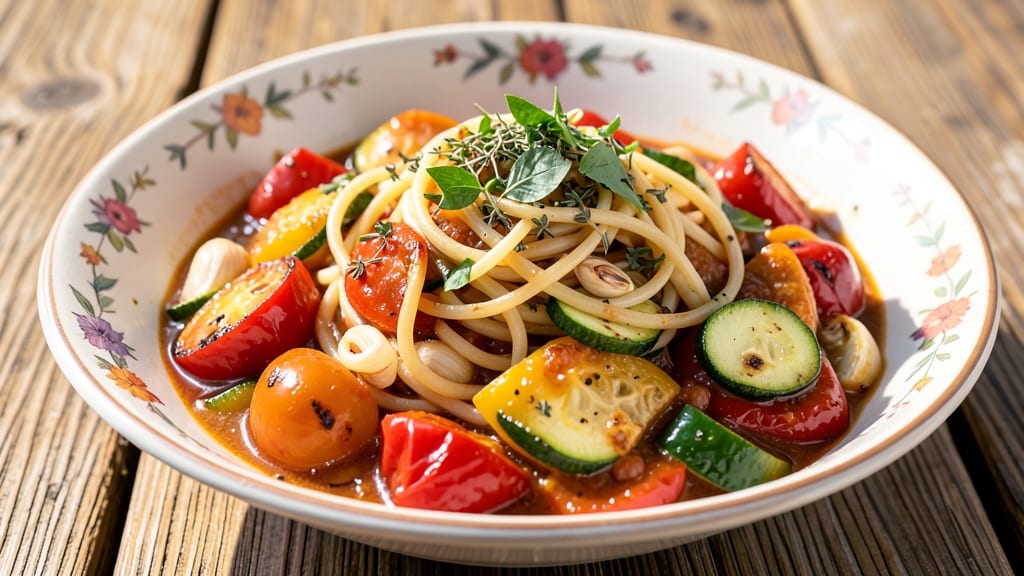
This garden vegetable spaghetti sauce transforms summer's bounty into a rich, herb-infused simmer that elevates any pasta dish. 🌿 After years of testing variations, I've perfected a sauce that balances fresh garden vegetables with aromatic herbs—no meat, no shortcuts, just pure flavor built through slow simmering.
The secret lies in roasting the vegetables first to deepen their natural sweetness before blending them into a velvety base.
What makes this sauce special is its versatility and depth of flavor. You'll start with a foundation of roasted tomatoes, zucchini, and bell peppers that develop complex caramelized notes, then layer in fresh basil, oregano, and garlic for brightness.
A splash of red wine adds sophistication while keeping the sauce vegetarian-friendly. The result is a sauce that's rich enough to stand alone but light enough to complement any pasta.
By the time you finish simmering, you'll have a sauce that's perfect for tossing with spaghetti, using as a dip, or freezing for future meals. The fresh herbs infuse the sauce with vibrant aroma, while the roasted vegetables create a depth of flavor that rivals traditional meat-based sauces.
This is the kind of homemade sauce that transforms simple weeknight dinners into memorable meals.
The best part? This sauce keeps beautifully in the refrigerator for up to a week or freezes for months, making it ideal for meal prep. Whether you're serving it tonight or saving it for later, the flavors only develop more over time.
Let's create this garden-inspired sauce that will become your new weeknight staple.
Ingredients for garden vegetable spaghetti sauce
Fresh garden veggies and aromatic herbs—no shortcuts, just pure summer flavor in every spoonful.
| Ingredient | Amount | Notes |
|---|---|---|
| Roma Tomatoes 🍅 | 2 lb | Halved and cored |
| Zucchini 🥒 | 2 medium | Corrected to weight: 1 lb total |
| Bell Peppers 🌶️ | 2 whole | Red, yellow, or orange |
| Fresh Basil Leaves 🌿 | 1 cup | Packed, stems removed |
| Fresh Oregano Leaves 🌿 | ¼ cup | Chopped, or 1 tbsp dried |
| Garlic Cloves 🧄 | 6 cloves | Peeled and smashed |
| Extra-Virgin Olive Oil 🫒 | ⅓ cup | For roasting vegetables |
| Red Wine 🍷 | ½ cup | Dry, like Chianti |
| Vegetable Broth 💧 | 1 cup | Low-sodium preferred |
| Tomato Paste 🍅 | 2 tbsp | Squeeze tube works |
| Salt 🧂 | 1 ½ tsp | Kosher or sea salt |
| Black Pepper 🌶️ | ½ tsp | Freshly ground |
| Balsamic Vinegar 🍶 | 1 tbsp | For finishing touch |
The vegetables are the heart of this sauce. Roma tomatoes have the best texture—skip the vine-ripened ones at the grocery store if they're mealy. For zucchini, 2 medium (about 1 lb total) is perfect; anything bigger gets watery. Bell peppers? Red or orange add natural sweetness, but yellow works too. I always grab these from local farmers markets in late summer when they're at their peak. If you're using store-bought, check for vibrant color and firmness—no soft spots. The garlic? Six cloves gives that perfect balance without overpowering.
No fresh basil? Dried oregano at half the amount works in a pinch, but trust me, fresh is worth hunting down. Short on red wine? Substitute extra vegetable broth—just add 1 tbsp balsamic vinegar for depth. The tomato paste can be that squeeze tube from Trader Joe's—no waste, and it keeps forever. If your bell peppers are particularly mild, add a pinch of red pepper flakes for a little kick. And for the love of all things saucy, don't skip the roasting step—that's where the magic happens.
This sauce tastes even better the next day as flavors meld. Store in an airtight container in the fridge for up to 1 week—it actually improves over time. For freezing, portion into ice cube trays or small containers so you can grab just what you need. Thaw overnight in the fridge or reheat directly from frozen with a splash of water. The balsamic vinegar at the end? Add it fresh when serving—it brightens everything up perfectly.
Why You'll Love This Recipe
- No-Chop Chaos Allowed: I swear by this recipe when I’m too tired to dice anything. Toss in whole zucchini chunks and bell pepper halves—they’ll soften beautifully while you stir, and the Roma tomatoes? Just crush them with your hands. Minimal effort, maximum reward.
- Herb Bomb Flavor: That fresh basil and oregano? They turn this sauce into something ridiculously good. The basil brightens every bite, while the oregano adds that deep, rustic warmth—like a summer garden in a jar. (Yes, even on a Tuesday night.)
- Leftovers That Beg for More: This sauce tastes better the next day. I make a big batch on Sundays, freeze half, and pull it out for lazy weeknights. The flavors meld perfectly, and the texture? Thick, rich, and impossible to resist.
- Budget-Friendly Pantry Hero: Roma tomatoes and zucchini are cheap, bell peppers last forever, and herbs stretch further than store-bought blends. Honestly, this recipe saves me money while still feeling like a special meal. Plus, it’s the kind of dish that makes you feel like you’re cooking with fresh, seasonal ingredients—even when you’re not.
Step-by-step instructions for fresh herb-infused garden vegetable sauce
Transform your garden harvest into a vibrant, herb-packed sauce that elevates every pasta dish.
🔥 Step 1: Roast the Vegetables for Deep Flavor
Preheat your oven to 425°F and line two baking sheets with parchment paper. Cut the 2 lb Roma Tomatoes in half and remove the cores, then slice the 2 medium Zucchini into ½-inch rounds. Cut the 2 whole Bell Peppers into 1-inch strips and separate the seeds.
In a large bowl, toss all the vegetables with 0.33 cup Extra-Virgin Olive Oil, 1.5 tsp Salt, and 0.5 tsp Black Pepper. Spread them in a single layer on the prepared baking sheets. Roast for 25-30 minutes until the edges are deeply caramelized and the zucchini is tender. You'll smell that sweet, concentrated vegetable aroma—this is where the magic begins.
🍳 Step 2: Sauté Garlic and Build the Sauce Base
While the vegetables roast, heat a large Dutch oven over medium heat. Add the 6 cloves Garlic Cloves (peeled and smashed) and sauté for 30 seconds until fragrant—don't let them brown or they'll turn bitter. Immediately add the 2 tbsp Tomato Paste and stir for 1 minute to toast its rich flavor.
Pour in the 0.5 cup Red Wine and scrape up any browned bits from the bottom of the pot. Let it simmer for 3-4 minutes until reduced by half. This step develops the sauce's depth and removes the alcohol's sharpness. The wine should smell concentrated and slightly syrupy by now.
🥘 Step 3: Combine Roasted Vegetables and Herbs
Transfer the roasted vegetables to the Dutch oven, stirring to coat them in the wine-tomato mixture. Add the 1 cup Vegetable Broth and bring to a gentle simmer. Let it cook for 10 minutes uncovered, stirring occasionally, until the vegetables are completely tender and the sauce begins to thicken slightly.
Stir in the 1 cup Fresh Basil Leaves and 0.25 cup Fresh Oregano Leaves, crushing them slightly between your fingers to release their oils. The pot should fill with an incredible herbal aroma—this is the moment the sauce transforms from ordinary to extraordinary. Let it simmer for another 5 minutes to meld all the flavors together.
⏰ Step 4: Simmer and Finish with Balsamic
Reduce the heat to low and let the sauce simmer gently for 20-25 minutes, stirring occasionally. The sauce should thicken naturally as the vegetables break down. If it gets too thick, add 1-2 tablespoons of water to reach your desired consistency—it should coat the back of a spoon but still be loose enough to cling to pasta.
Taste and adjust seasoning with more Salt or Black Pepper if needed. In the final 2 minutes of cooking, stir in the 1 tbsp Balsamic Vinegar. This adds a beautiful tangy brightness that balances all the rich flavors. The sauce should be vibrant, aromatic, and full of complex vegetable sweetness.
🍽️ Step 5: Serve Warm Over Pasta
Ladle the warm sauce over freshly cooked spaghetti, tossing gently to coat each strand. The sauce should cling beautifully to the pasta, creating a glossy, flavorful coating. Serve immediately while the sauce is at its peak temperature and the herbs are still vibrant. Garnish with additional fresh basil if desired.
This sauce tastes even better the next day as the flavors continue to develop, so make extra if you can. The perfect garden vegetable sauce should have layers of sweetness from the roasted vegetables, bright acidity from the balsamic, and fresh herbal notes that make every bite sing.
Pro Tips For Making Garden Vegetable Spaghetti Sauce
- CHAR THE ZUCCHINI FIRST: I learned this the hard way—tossing raw zucchini into the pot makes the sauce watery and dull. Sear the diced zucchini in olive oil over medium-high heat for 3-4 minutes until it softens and releases its moisture. This concentrates the flavor and prevents a mushy sauce later.
- SALT THE TOMATOES BEFORE COOKING: Sprinkle a generous pinch of salt over halved Roma tomatoes and let them sit for 10 minutes before cooking. This draws out bitterness and helps them break down faster, giving you a richer, more balanced sauce. (Yes, even if you're impatient like me.)
- SKIP THE RAW BASIL: Adding fresh basil leaves at the very end ruins their bright flavor—it turns bitter and clings to the pot. Instead, chop half the basil finely and stir it in during the last 5 minutes of cooking. Reserve the rest for garnish to keep that fresh pop.
- LOW AND SLOW AFTER 20 MINUTES: After the initial 20 minutes of simmering, drop the heat to a gentle bubble. I used to rush this part and wondered why my sauce never developed depth. Letting it cook at 180°F (low simmer) for another 20-30 minutes lets the flavors meld without burning the peppers or tomatoes.
Perfect pairings for these flavors
Pasta Pairings
This sauce shines with classic spaghetti, but don't limit yourself! Try it with linguine for wider noodles that hold more sauce, or bucatini for a rustic feel. I love tossing it with whole wheat penne for extra texture and fiber.
For a fun twist, serve over gnocchi or farfalle—the sauce clings beautifully to their shapes. 🍝
Bread & Dippers
Freshly baked garlic bread is a must—dip thick slices into the warm sauce for an instant flavor boost. For a lighter option, try crusty ciabatta or rosemary focaccia.
I also love serving this sauce with grilled cheese sandwiches (yes, really!) by spreading it on warm bread with mozzarella. The herbal notes cut through the richness perfectly.
Protein Additions
Keep it vegetarian or add protein for a heartier meal. Grilled chicken breast or shrimp work beautifully—toss them in at the end to warm through. For a plant-based option, try crispy chickpeas or white beans for extra protein and texture.
I often add sautéed mushrooms for an umami depth that pairs wonderfully with the garden vegetables. 🍄
Cheese Elevations
Finish with a sprinkle of fresh mozzarella (cut into small cubes) or ricotta cheese dollops for creaminess. Parmigiano-Reggiano or Pecorino Romano adds a salty, nutty finish.
For a vegan option, use nutritional yeast or vegan Parmesan. I like topping my bowl with a few sun-dried tomatoes for extra tang and richness.
Seasonal Veggie Boosters
Use what's fresh from your garden! Add roasted eggplant for extra depth or cherry tomatoes for brightness. Zucchini blossoms (if you're lucky enough to have them) add a delicate floral note. In fall, swap bell peppers for roasted butternut squash—it adds natural sweetness that complements the herbs beautifully. 🌱
Drink Pairings
A crisp Italian white wine like Pinot Grigio or Vermentino complements the sauce's herbal notes perfectly. For a non-alcoholic option, try sparkling water with lemon or iced hibiscus tea—the acidity balances the richness.
I also love pairing this sauce with a light lager like Peroni—the effervescence cleanses the palate between bites. 🍷
Nutrition facts
Frequently asked questions
Can I make this sauce without roasting the vegetables?
Roasting is key for developing deep, caramelized flavors, but you can sauté them instead. Slice the vegetables thinly and cook them in a skillet with olive oil over medium-high heat for 8-10 minutes until softened. This won't give the same depth, but it still works in a pinch. For best results, try roasting next time—it transforms the vegetables into something truly special.
How do I adjust the sauce consistency for different pasta shapes?
Thicker sauces work best for penne or rigatoni, while thinner sauces suit angel hair or linguine. For a thicker sauce, simmer uncovered for 10-15 extra minutes or add 1 tbsp tomato paste. For a looser sauce, stir in 2-3 tbsp water or broth. Always taste as you go—it should coat the back of a spoon but still cling to pasta.
What if I don't have fresh basil or oregano?
No problem! Use ½ tsp dried basil or ¼ tsp dried oregano (about ⅓ the fresh amount). For extra flavor, add 1 tsp dried thyme or ½ tsp smoked paprika. If you're missing both, boost the garlic to 8 cloves and add 1 tsp lemon zest for brightness. The sauce will still taste amazing—just different!
Can I make this sauce ahead of time?
This sauce tastes even better after resting. Store it in an airtight container in the fridge for up to 1 week, or freeze for 3 months. To reheat, warm gently on the stove with a splash of water or broth. For serving, add a fresh sprinkle of basil and a drizzle of olive oil to revive the flavors. The longer it sits, the more complex the taste becomes!
What's the best way to use up leftover sauce?
Beyond pasta, this sauce is incredibly versatile! Use it as a dip for crusty bread or veggie sticks. Spread it on grilled cheese sandwiches or pizza dough before baking. For a hearty meal, mix it with beans or lentils for a vegetarian stew. Even better, freeze portions in ice cube trays for quick future meals—just toss with pasta when needed!