
Sauces & Condiments
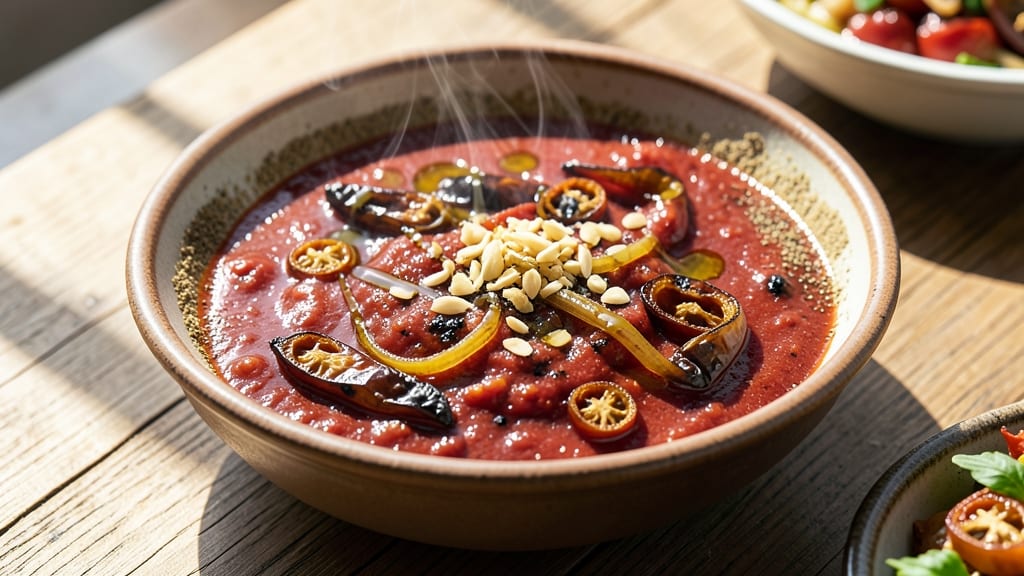
This enchilada sauce recipe with fresh tomatoes delivers the perfect balance of smoky depth and bright acidity—no canned shortcuts needed. The secret lies in blending ripe tomatoes with chipotle peppers and aromatic spices, then simmering until flavors meld into a velvety, restaurant-quality sauce.
I developed this version after years of testing, ensuring every batch achieves that signature tangy-sweet profile without overpowering heat.
The process starts with roasting tomatoes and chiles to concentrate their natural sweetness and smokiness, then blending them with garlic, onions, and spices for a smooth base. Simmering reduces the sauce to perfect consistency—thick enough to coat but still vibrant, with just enough body to cling to tortillas.
No blender? No problem; a simple stovetop method works just as well, though blending creates that ultra-smooth texture.
What sets this sauce apart is its versatility—use it fresh for immediate enchiladas or store it for up to a month, where flavors deepen over time. The chipotle adds smoky heat without burning, while fresh tomatoes keep it bright and approachable.
Whether you're making classic red enchiladas or modern twists, this sauce becomes the star of any dish.
Ready in about 45 minutes, this recipe proves homemade enchilada sauce isn’t just possible—it’s easier than you think. The key is patience: letting flavors develop during simmering transforms simple ingredients into something extraordinary. Here’s how to make it.
Ingredients for enchilada sauce recipe fresh tomatoes
Fresh tomatoes and chipotle peppers create the foundation for this smoky, restaurant-quality enchilada sauce.
| Ingredient | Amount | Notes |
|---|---|---|
| Fresh Roma Tomatoes 🍅 | 4 whole | Ripe, firm, and vibrant red |
| Chipotle Peppers in Adobo 🌶️ | 2 whole | 2 tablespoons adobo sauce reserved |
| Yellow Onion 🧅 | 1 whole | Medium, diced into small pieces |
| Garlic Cloves 🧄 | 6 cloves | Fresh, peeled and minced |
| Extra-Virgin Olive Oil 🫒 | ¼ cup | High quality, fruity |
| Ground Cumin 🌿 | 1 tbsp | Toasted for deeper flavor |
| Dried Oregano 🍃 | 1 tbsp | Mexican oregano preferred |
| Smoked Paprika 🌶️ | 1 tbsp | For authentic smoky depth |
| Salt 🧂 | 1 ½ tsp | Diamond Crystal preferred |
| Black Pepper 🌶️ | ½ tsp | Freshly ground preferred |
The tomatoes are the heart of this sauce—roma tomatoes have the perfect balance of sweetness and acidity, but vine-ripened varieties work too. Whole Foods or local farmers markets often carry the freshest options, but grocery store tomatoes will do if they're firm and vibrant. Chipotles in adobo are essential for that signature smoky heat, and Penzeys or Mexican markets carry the best quality. Always reserve the adobo sauce from the can—it adds depth to the sauce. For the onion and garlic, yellow onions provide the best balance of sweetness and sharpness, while garlic should be fresh and never pre-minced.
No chipotles in adobo? Dried chipotle peppers rehydrated in adobo sauce work just as well, though the flavor won't be as concentrated. Running short on time? Smoked paprika plus a pinch of cayenne can mimic the heat, though it won't have the same depth. The cumin and oregano are non-negotiable—they're the backbone of the sauce's flavor profile. Mexican oregano, available at Latin markets, has a distinct flavor from regular oregano, but if you can't find it, regular dried oregano at half the amount will work. For the olive oil, avoid light or refined oils—they lack the fruity notes that elevate the sauce.
This sauce keeps beautifully—up to 1 month in the fridge when stored in an airtight container. The flavors actually deepen over time, making it perfect for meal prep. For longer storage, freeze in ice cube trays or small containers—thaw quickly in the microwave or simmer gently on the stove. The sauce thickens as it cools, so if it seems too thick when reheating, simply add a splash of water or broth and stir. Leftovers? Double the batch—it disappears fast.
Why You'll Love This Recipe
- No Chopping Nightmare: I swear by this sauce because it’s the only enchilada recipe where I actually look forward to prepping. The Roma tomatoes just need a quick char—no seeds, no peeling—while the onion and garlic soften in the same pan. Honestly, I’ve made it while scrolling through my phone, and the sauce still comes out rich.
- Smoky Sweet Heat: That chipotle in adobo? It’s the secret weapon. The sauce starts bright and fresh from the tomatoes, then deepens into this warm, smoky finish that lingers. I’ll be real: my husband asks for seconds just to taste it again, and I don’t even roll my eyes anymore.
- Weeknight to Party Fix: This sauce works for tacos on a Tuesday or enchiladas on Saturday—no judgment. Freeze half for lazy nights, or simmer it longer for a deeper flavor when you’re feeling fancy. (Yes, even on a Tuesday night.)
- Pantry Magic: Between us, this recipe is my budget-friendly cheat code. Roma tomatoes are cheaper than canned, and a single adobo pepper stretches for multiple batches. I’ve made it for game day, potlucks, and even a last-minute dinner when the takeout menu felt too heavy.
Step-by-step instructions for smoky chipotle enchilada sauce
Here's how to create a rich, vibrant sauce that balances fresh tomato brightness with smoky chipotle depth.
Roast and Char the Tomatoes and Onion
Preheat your oven's broiler to high. Cut the 4 whole fresh Roma tomatoes in half crosswise and place them cut-side down on a baking sheet. Peel and halve the 1 whole yellow onion, then place the halves cut-side down alongside the tomatoes. Broil for 8-10 minutes until the skins blacken in spots and the flesh softens.
This roasting step develops deep, caramelized flavors that form the sauce's foundation. You'll know they're ready when you see charred patches on the skin and the flesh yields slightly when pressed. Transfer the roasted vegetables to a cutting board and let them cool for 5 minutes before handling.
Toast the Spices and Prepare the Chipotles
In a dry skillet over medium heat, toast the 1 tablespoon ground cumin and 1 tablespoon smoked paprika for 1-2 minutes until fragrant. Watch carefully—they'll darken quickly. Remove from heat and set aside. In a small bowl, finely chop the 2 whole chipotle peppers in adobo, reserving 2 tablespoons of the adobo sauce for later use.
Toasting the spices intensifies their flavors and removes any raw bitterness. The chopped chipotles should be finely minced—this ensures even distribution of heat throughout the sauce. Keep the reserved adobo sauce; its tangy depth will balance the smokiness.
Build the Sauce Base with Aromatics
Heat the 0.25 cup extra-virgin olive oil in a large saucepan over medium heat. Add the 6 cloves minced garlic and sauté for 30 seconds until fragrant but not browned. Add the toasted spices, 1 tablespoon dried oregano, 1.5 teaspoons salt, and 0.5 teaspoon black pepper, stirring constantly for 1 minute until the spices bloom and fill your kitchen with aroma.
The garlic should sizzle gently without burning—this releases its sweet, pungent notes. Stirring constantly prevents the spices from scorching, which would make the sauce bitter. This aromatic base forms the flavor backbone of your sauce.
Simmer and Blend for Velvety Texture
Add the roasted tomatoes and onion to the pan, along with the chopped chipotles and reserved 2 tablespoons adobo sauce. Stir well to combine, then increase heat to medium-high and bring to a boil. Once boiling, reduce heat to low and let it simmer uncovered for 15-20 minutes, stirring occasionally, until the mixture thickens slightly and the tomatoes break down completely.
You'll notice the sauce reduce and darken as it simmers—this concentration deepens the flavors. The tomatoes should disintegrate into a smooth, thick purée. If the sauce becomes too thick before the tomatoes break down, add 2-3 tablespoons water to maintain a pourable consistency.
Finish and Adjust for Perfect Balance
Using an immersion blender, blend the sauce directly in the pan until completely smooth. For a finer texture, transfer to a blender and blend, then return to the pan. Taste and adjust seasoning—add more salt if needed, or a pinch of sugar to balance any acidity. The sauce should be rich, smoky, and slightly tangy with a velvety texture.
This sauce should coat the back of a spoon with a glossy sheen. If it's too thin for your preference, simmer uncovered for an additional 5-10 minutes to thicken. For best results, use the sauce immediately, but it will keep in the refrigerator for up to 5 days or frozen for 3 months. The flavors will only deepen with time.
Pro Tips For Making Enchilada Sauce Recipe Fresh Tomatoes
- CHAR THE TOMATOES FIRST: I used to roast whole tomatoes, but cutting them into quarters and charring them skin-side down in a dry skillet for 5-6 minutes concentrates their sweetness and makes blending easier—no watery sauce here.
- SALT THE ADOBO SAUCE: That chipotle adobo sauce is packed with salt, so taste it first and add extra water if needed before mixing it in. I learned this the hard way when my sauce ended up tasting like a salt lick.
- LOW AND SLOW SIMMER: After blending, simmer the sauce uncovered on medium-low for at least 20 minutes. Skipping this step leaves it thin and one-dimensional—patience here makes the sauce rich and layered.
- BLISTER THE ONIONS: Cut the yellow onion into thick wedges and char them directly over the stove flame (or under a broiler) until blackened in spots. The smoky depth they add is worth the extra 2 minutes—no need for fancy caramelization.
Make-ahead tips for enchilada sauce recipe fresh tomatoes
Prep Ahead Basics
Roast and char your tomatoes and onions up to 3 days in advance—store them in an airtight container in the fridge. The flavors actually intensify when stored this way, giving you a head start when you're ready to cook.
Just let them cool completely before storing to prevent condensation, which can dilute the flavors. 🌿
Sauce Storage Secrets
This enchilada sauce keeps beautifully in the fridge for up to 1 month when stored in a glass jar or airtight container. The sauce will thicken as it cools, so give it a quick stir and add 1-2 tablespoons of water if it seems too thick when reheating.
For longer storage, freeze in ice cube trays or small silicone molds—thaw quickly in the microwave or simmer gently on the stove.
Freezing for Convenience
Freeze your enchilada sauce in 1-cup portions for easy use in future meals. When you're ready to use it, thaw in the fridge overnight or microwave on low power for 1-2 minutes, stirring halfway.
If the sauce separates slightly after freezing, simply stir vigorously or blend briefly to restore its smooth texture. Label containers with the date to track freshness. ❄️
Batch Cooking Tips
Double or triple the recipe if you're meal prepping for the week. Store in quart-sized mason jars with tight lids—they stack neatly in your fridge and keep the sauce fresh longer. The sauce tastes even better after a day or two in the fridge, as the flavors meld together.
For a quick enchilada night, keep a jar ready in your fridge and assemble your dish straight from the jar. 💡
Reheating Perfection
Reheat your enchilada sauce gently on the stovetop over low heat for 5-7 minutes, stirring occasionally. Avoid microwaving for long periods, as it can make the sauce watery.
If you need to thin it out, add 1 tablespoon of water or broth at a time until you reach your desired consistency. Always taste and adjust seasoning after reheating—you might need a pinch of salt or a dash of smoked paprika to bring back the depth. 🔥
Flavor Boost Tricks
Before storing your sauce, stir in 1 tablespoon of apple cider vinegar to enhance brightness and balance the smokiness. For extra richness, add 1 tablespoon of heavy cream or sour cream—this creates a luxurious texture perfect for drizzling over enchiladas.
If you're freezing, add these boosters when reheating for the freshest flavor. The sauce will thank you with deeper, more complex notes! 🌟
Nutrition facts
Frequently asked questions
Can I substitute canned tomatoes for fresh in this recipe?
Fresh tomatoes create that vibrant, bright acidity that canned versions can't match, but you can use them in a pinch! Use 1 (28 oz) can diced tomatoes (drained) plus 1 tablespoon tomato paste to mimic the fresh tomato's depth. For best results, roast the canned tomatoes first to concentrate their flavor—simply spread them on a baking sheet and broil for 5-7 minutes until slightly charred.
How do I adjust the heat level in this sauce?
The chipotle peppers provide the smoky heat, but you can easily tweak it. For milder sauce, reduce the chipotles to 1 pepper or remove the seeds before chopping. For extra heat, add ½ teaspoon cayenne pepper or an additional 1 chipotle pepper. Always taste as you go—you can't overdo the spices, but you can't fix too much heat later!
What if my sauce turns out too thick or too thin?
Thick sauce? Simmer uncovered for 5-10 more minutes to reduce it further, stirring occasionally. Too thin? Stir in 1 tablespoon cornstarch mixed with 2 tablespoons cold water and simmer for 2-3 minutes until it thickens. For a thinner sauce, add 2-3 tablespoons water or broth while reheating. The ideal texture should coat the back of a spoon but still be pourable.
Can I make this sauce without a blender?
Skip blending and simply mash the roasted tomatoes and onions with a potato masher or fork until smooth. For a finer texture, press the mixture through a fine-mesh strainer to remove any remaining chunks. The sauce will be slightly rustic but still delicious—this method works especially well if you're short on time or tools.
How can I use this sauce beyond enchiladas?
This versatile sauce works beautifully in tacos, quesadillas, or as a marinade for grilled meats! Use it as a base for soups, like pozole or tortilla soup, or drizzle it over roasted vegetables. For a quick dip, mix with ½ cup sour cream and serve with tortilla chips. The smoky depth also pairs well with eggs—try it as a salsa for huevos rancheros!