
Sauces & Condiments
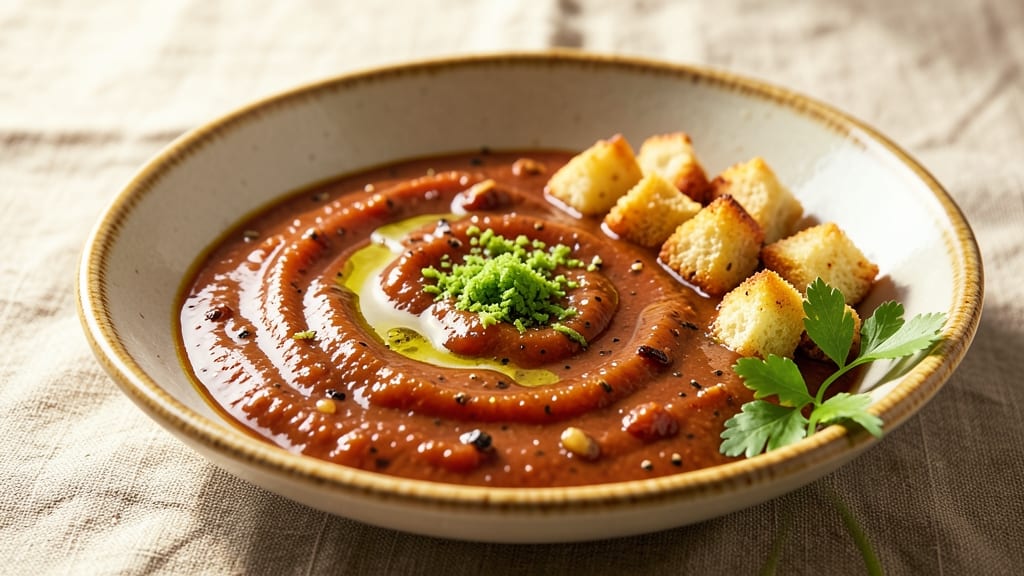
This Campagnola sauce recipe transforms bold Italian flavors into a creamy, velvety sauce with unexpected depth—where smoky chipotle meets bright horseradish and rich tomato. The secret lies in balancing traditional anchovy umami with modern heat and tang, creating a sauce that elevates everything from grilled fish to roasted vegetables.
What starts as a simple reduction becomes a restaurant-worthy condiment with layers of complexity.
The foundation is classic: garlic, olive oil, and anchovies form the aromatic base, while tomatoes provide the creamy body. But it’s the chipotle and horseradish that elevate it—just enough heat to linger without overpowering, and a sharp horseradish finish that cuts through richness.
This sauce isn’t just versatile; it’s transformative, turning simple dishes into something special with minimal effort.
Ready in 30 minutes, this sauce delivers creamy texture with a sophisticated kick, perfect for drizzling over pasta, brushing onto grilled meats, or spooning alongside crusty bread. The best part?
It tastes even better the next day, as flavors meld and deepen. Whether you’re serving a weeknight dinner or hosting a dinner party, this sauce will be the star.
Store it in the fridge for up to 5 days or freeze for months—its versatility makes it a pantry essential. Pair it with grilled shrimp, roasted Brussels sprouts, or even as a bold marinade. Here’s how to make it—simple steps for a sauce that feels gourmet.
Ingredients for campagnola sauce
Ten essential ingredients blend Italian tradition with modern heat and tang for a sauce that transforms ordinary dishes into extraordinary ones.
| Ingredient | Amount | Notes |
|---|---|---|
| Extra-Virgin Olive Oil 🫒 | ½ cup | High-quality, fruity variety preferred |
| Garlic Cloves 🧄 | 4 cloves | Freshly minced for optimal flavor |
| Anchovy Fillets 🐟 | 4 whole | High-quality, salt-packed preferred |
| Canned San Marzano Tomatoes 🍅 | 1 can | Crushed, no salt added |
| Smoked Chipotle Peppers in Adobo 🌶️ | 2 tbsp | Mined and blended smooth |
| Fresh Horseradish Root 🌿 | 1 tbsp | Finely grated, fresh preferred |
| Heavy Cream 🥛 | ½ cup | Full-fat for creamy texture |
| Diamond Crystal Kosher Salt 🧂 | 1 tsp | For seasoning, adjust to taste |
| Freshly Ground Black Pepper 🌶️ | ½ tsp | Freshly cracked for best flavor |
| Red Wine Vinegar 🍷 | 1 tbsp | For acidity balance |
The San Marzano tomatoes are non-negotiable here—their sweetness and acidity form the sauce's creamy backbone. Look for whole, peeled canned tomatoes at specialty stores like Whole Foods or Eataly for the best quality. Anchovy fillets should be high-quality, salt-packed brands like Colavita or Ciccioli, as they provide the umami foundation. For the chipotle, Hatch Valley or Melissa's brands offer consistent heat and smokiness. Fresh horseradish root can be found in the produce section or at Trader Joe's, where they often carry pre-grated versions for convenience. The extra-virgin olive oil should be fruity and peppery—California olive oil brands like Corto or Bertolli work exceptionally well.
No San Marzano tomatoes? Crushed Roma tomatoes or high-quality canned crushed tomatoes will suffice, though the flavor profile shifts slightly. Substituting anchovies with 1 teaspoon of fish sauce (ensure it's anchovy-free) or 1 tablespoon of soy sauce can replicate the umami, though the texture will differ. Smoked paprika at half the amount can replace chipotle for a milder smokiness, while pre-made horseradish works in a pinch (though fresh grated delivers superior brightness). For the heavy cream, half-and-half or coconut cream can be used, though the sauce will have a slightly different mouthfeel. The red wine vinegar can be swapped for white wine vinegar or lemon juice if unavailable, though the acidity balance may require adjustment.
This sauce develops deeper flavor when refrigerated, so make it a day ahead if possible. Store in an airtight container in the fridge for up to 5 days, or freeze for 3 months by portioning into ice cube trays for easy use. The sauce thickens as it cools, so stir in a splash of warm water if it becomes too stiff when reheating. Garnish with a drizzle of extra-virgin olive oil and a sprinkle of freshly cracked black pepper before serving to elevate its restaurant-worthy presentation. The sauce pairs beautifully with grilled fish, roasted vegetables, or crusty bread, making it a versatile pantry staple.
Why You'll Love This Recipe
- Pantry Magic: I swear by this sauce because it’s built from ingredients I already have. No last-minute grocery runs—just olive oil, garlic, and a can of tomatoes. The anchovies and chipotle add depth without extra effort, and honestly? That’s my kind of cooking.
- Smoky Umami Bomb: The moment the chipotle and anchovies hit the pan with the garlic? Instant flavor explosion. It’s rich, slightly smoky, and has this deep, savory punch that makes even a simple pasta feel like a restaurant dish. (Yes, even on a Tuesday night.)
- Weeknight to Dinner Party: This sauce works just as well for a quick weeknight dinner as it does for impressing guests. Toss it with pasta, drizzle it over grilled fish, or even use it as a marinade. I’ve served it at both my kitchen table and my in-laws’—no one ever questions the menu.
- Leftovers That Don’t Suck: Most sauces turn into glue after day two, but not this one. The tomatoes and olive oil keep it luscious for days, and the smoky notes actually get better as it sits. I make a big batch, freeze half, and still have a reliable base for future meals. Budget-friendly? Absolutely.
Step-by-step instructions for Campagnola sauce
Master this velvety sauce by balancing rich tomato, smoky chipotle, and subtle horseradish heat.
Bloom the Anchovies and Garlic
Heat the 0.5 cup extra-virgin olive oil in a medium saucepan over medium-low heat. Add the 4 whole anchovy fillets and let them dissolve completely, which should take about 2 minutes. This step is crucial—the anchovies should melt into the oil without browning, creating a flavorful base.
Once the anchovies have dissolved, add the 4 cloves freshly minced garlic and cook for 1-2 minutes until the garlic is fragrant but not browned. The key here is patience—overcooking garlic turns it bitter. Remove the pan from heat immediately after you smell that aromatic garlic punch.
Incorporate the Chipotle and Horseradish
Return the pan to medium heat and stir in the 2 tablespoons smoked chipotle peppers in adobo, scraping up any browned bits from the bottom of the pan. These bits are packed with flavor, so don't miss this step. Cook for 1 minute to toast the chipotle slightly and deepen its smoky notes.
Next, add the 1 tablespoon finely grated fresh horseradish root. Stir well to combine—this is where the sauce gets its signature hidden zing. The horseradish will mellow as the sauce cooks, but it adds a bright, peppery depth that balances the richness. Let the mixture simmer gently for 2 minutes to allow the flavors to meld.
Build the Tomato Base
Pour in the 1 can crushed San Marzano tomatoes, stirring to incorporate them fully. The acidity of the tomatoes will help cut through the richness of the anchovies and cream we'll add later. Bring the mixture to a gentle simmer over medium heat, then reduce the heat to low and let it cook uncovered for 10-12 minutes.
During this time, the tomatoes will break down and thicken slightly. Stir occasionally to prevent sticking, and skim off any foam that rises to the surface. You're aiming for a sauce that coats the back of a spoon but isn't overly thick—this ensures a silky texture later. Taste and adjust seasoning with 1 teaspoon kosher salt and 0.5 teaspoon freshly ground black pepper as needed.
Finish with Cream and Vinegar
Lower the heat to lowest setting and stir in the 0.5 cup heavy cream. The sauce will immediately thicken and become luxuriously creamy. Simmer gently for 3-4 minutes, stirring constantly to prevent curdling. If the sauce starts to separate, whisk vigorously to re-emulsify it.
Finally, add the 1 tablespoon red wine vinegar and stir well. This final touch brightens the sauce and balances the richness. The sauce is now ready to serve—creamy, smoky, and with a subtle horseradish kick. If you're serving it immediately, skip the next step. Otherwise, let it cool slightly before transferring to a jar for storage.
Pro Tips For Making Campagnola Sauce
- COOK GARLIC LOW AND SLOW: I learned this the hard way—blasting those cloves in olive oil turns them bitter fast. Sauté them over medium-low heat until just golden, about 3-4 minutes, stirring often. The sauce will thank you with depth, not a burnt aftertaste.
- MASH ANCHOVIES FIRST: Skip the whole fillets—mash them into a paste with a fork before adding. This dissolves their umami into the oil instantly, giving the sauce a smoother, richer base. (Yes, even if you’re squeamish about touching them.)
- SIMMER TOMATOES UNTIL THICK: Don’t rush this—let the San Marzano tomatoes cook down for at least 15 minutes over medium heat. The longer they reduce, the more concentrated their sweetness becomes, balancing the smoky chipotle. (Patience here makes all the difference.)
- ADJUST SMOKE LAST: Taste the sauce before adding the chipotle—its heat can overpower everything. Start with half a pepper, blend it into the oil, then add more if needed. You can always fix too little smoke, but fixing too much? Not so easy.
Troubleshooting this dish
Sauce Too Thin?
If your sauce ends up too thin after cooking, don’t panic—simmering uncovered for an extra 5-10 minutes will help reduce it naturally. For a quicker fix, mix 1 tablespoon cornstarch with 2 tablespoons cold water, stir into the sauce, and simmer for 2-3 minutes until thickened. 💡
Curdled Cream?
If the heavy cream separates or curdles, whisk in 1 tablespoon cold water or 1 teaspoon lemon juice while stirring vigorously over low heat. The acidity helps re-emulsify the sauce. For prevention, always stir gently when adding cream and avoid boiling.
Anchovies Not Dissolving?
If your anchovies aren’t melting smoothly, they might be too salty or low-quality. Use high-quality salt-packed anchovies like Colavita and crush them slightly with the back of a spoon before adding. Heat the oil to medium-low and stir gently—never rush this step. 🐟
Horseradish Overpowering?
Fresh horseradish can be intense, so start with ½ tablespoon and adjust to taste. If it’s too strong, balance it with 1 extra tablespoon of heavy cream or 1 teaspoon sugar to mellow the heat. For a milder version, substitute with ½ teaspoon prepared horseradish.
Sauce Too Salty?
If the sauce tastes overly salty, dilute it with 2 tablespoons warm water or unsalted chicken broth and simmer for 2 minutes. For a quicker fix, add 1 tablespoon heavy cream or 1 teaspoon red wine vinegar to balance the flavor. Taste as you go—small adjustments work best.
Storage Issues?
If your sauce develops a skin or separates after refrigeration, stir in 1 tablespoon warm water or olive oil to restore creaminess. For long-term storage, freeze in ice cube trays—thaw and reheat gently over low heat with a splash of water to prevent thickening.
Always store in airtight containers. ❄️
Nutrition facts
Frequently asked questions about Campagnola sauce
What makes this sauce different from traditional Italian Campagnola?
This recipe keeps the classic Italian foundation of anchovies and garlic but adds modern twists like chipotle and horseradish for depth. Traditional Campagnola is simpler—just garlic, anchovies, and olive oil—but this version balances creamy tomato with smoky heat and bright horseradish zing.
Can I make this sauce without anchovies?
Yes! Replace the anchovies with 1 teaspoon fish sauce (anchovy-free) or 1 tablespoon soy sauce for umami. For a vegetarian option, use ½ teaspoon nutritional yeast plus ½ teaspoon white miso paste—though the flavor will differ slightly. The sauce will still work but lose its signature Italian depth.
How long does this sauce keep, and can I freeze it?
Store in an airtight container in the fridge for up to 5 days, or freeze for 3 months in ice cube trays. Thaw overnight in the fridge—never at room temperature—and reheat gently over low heat, stirring in 1 tablespoon warm water if it thickens too much.
What’s the best way to use leftover sauce?
Drizzle over grilled fish, spoon onto pasta, or use as a marinade for chicken or shrimp. It also elevates roasted vegetables like Brussels sprouts or eggplant. For extra richness, stir in 1 tablespoon olive oil before serving. The flavors deepen overnight—perfect for next-day lunches!
Why does my sauce look curdled after adding cream?
This happens when the sauce overheats or isn’t stirred gently. Fix it by whisking in 1 tablespoon cold water or 1 teaspoon lemon juice while stirring over low heat. To prevent it, always add cream off the heat and stir constantly. The sauce should thicken smoothly—if it separates, just re-emulsify it!