
Sauces & Condiments
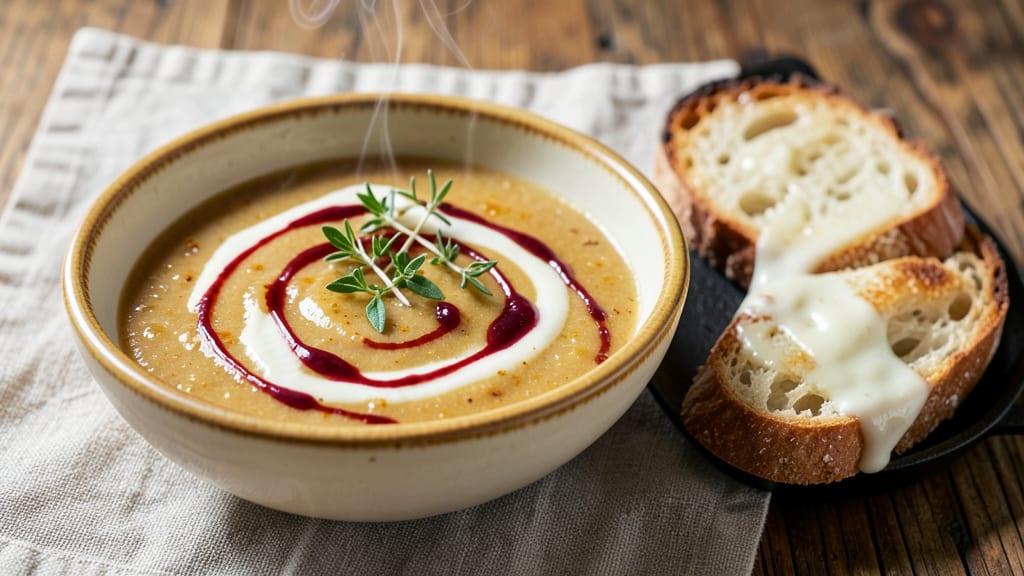
This brie sauce recipe transforms simple ingredients into a luxurious, velvety velouté that elevates grilled meats, roasted vegetables, and crusty bread. The secret lies in melting brie cheese with cream until it reaches that signature smooth, silky texture—rich, creamy, and just slightly tangy.
I developed this recipe after years of perfecting restaurant-quality sauces at home, and it never fails to impress.
The process is straightforward: melt the brie with cream over gentle heat, then whisk in a touch of Dijon mustard for depth and a splash of white wine for brightness. The result is a sauce that clings beautifully to meats, drizzles effortlessly over salads, or pairs perfectly with pasta.
Unlike store-bought versions, this one stays velvety even when reheated, making it ideal for meal prep.
What sets this sauce apart is its versatility—use it as a dip for warm bread, a drizzle for roasted asparagus, or a finishing touch for steak. The brie’s natural nutty flavor shines through while the cream adds a luxurious mouthfeel.
Best of all, it’s ready in just 15 minutes, with ingredients you likely already have on hand.
For extra flavor, stir in fresh herbs like thyme or parsley, or a pinch of smoked paprika for a hint of warmth. Store leftovers in the fridge for up to 5 days or freeze for longer shelf life.
This sauce is the kind of simple luxury that turns everyday meals into something special.
Ingredients for brie sauce
Simple ingredients elevate to restaurant-quality velvety brie sauce for grilled meats and roasted vegetables.
| Ingredient | Amount | Notes |
|---|---|---|
| Brie Cheese 🧀 | 8 oz | Aged, rind removed, cubed |
| Heavy Cream 🥛 | 1 cup | Full-fat for best texture |
| Dijon Mustard 🌶️ | 1 tbsp | For depth of flavor |
| Dry White Wine 🍷 | ¼ cup | Sauvignon Blanc preferred |
| Unsalted Butter 🧈 | 2 tbsp | For richness and stability |
| Fresh Thyme Leaves 🌿 | 1 tsp | Or 0.25 tsp dried thyme |
| Salt 🧂 | ¼ tsp | Diamond Crystal preferred |
| Black Pepper 🌶️ | ⅛ tsp | Freshly ground for best flavor |
| Smoked Paprika 🌶️ | ⅛ tsp | Optional for warmth |
| White Wine Vinegar 🍋 | ½ tsp | For brightness if needed |
The brie cheese is the star—aged brie with a good amount of rind delivers the best nutty flavor. Whole Foods and Trader Joe's carry excellent options, or ask your cheesemonger for a block with visible marbling. Avoid pre-shredded brie, as it loses moisture and texture. For the cream, full-fat is non-negotiable—anything less risks a grainy texture. The Dijon mustard adds complexity without overpowering, so don't skip it. If you're using a particularly mild brie, add an extra 0.5 tbsp of mustard for depth.
No white wine? Chicken or vegetable stock works in a pinch, but you'll lose that bright acidity. Fresh thyme is ideal, but dried thyme at one-quarter the amount works if you're in a hurry. The smoked paprika is optional but adds a subtle warmth that pairs beautifully with grilled meats. For extra richness, substitute 1 oz of the brie with Gruyère—it melts smoother and adds a slightly tangy note. If your sauce feels too heavy, whisk in 1 tsp of white wine vinegar to cut through the richness.
This sauce stays velvety when reheated, but never boil it—keep heat at a gentle simmer. Store in an airtight container in the fridge for up to 5 days, or freeze for 3 months. For meal prep, portion into small containers—it reheats beautifully for drizzling over roasted vegetables or grilled chicken. If you make extra, freeze portions in ice cube trays for convenient single-use servings later.
Why You'll Love This Recipe
- Five-Ingredient Magic: I swear by this—just brie, cream, mustard, wine, and butter. That’s it. No fancy techniques, no hidden steps. The wine deglazes the pan while you stir, and by the time the brie melts into the cream, you’re left with something rich and velvety that feels fancy but took less time than waiting for takeout.
- Wine-Infused Luxury: Between us, dry white wine in a sauce isn’t just for cooking—it’s the secret weapon. It cuts through the richness of the brie and cream, leaving behind a bright, slightly tangy depth that makes this sauce taste like it belongs on a restaurant menu. Honestly, I’ve used it on everything from roasted veggies to grilled chicken, and no one’s ever asked where I learned to cook like this.
- Weeknight to Dinner Party: This sauce is my go-to for lazy nights and when I’m hosting. Drizzle it over pasta, spoon it onto steak, or serve it with crusty bread—it’s that adaptable. Even my picky-in-law sister asked for seconds, and that’s saying something. Plus, the leftovers? Just as good reheated the next day (if they last that long).
- Budget-Friendly Indulgence: Brie might sound fancy, but a small wheel goes a long way when you’re stretching it with cream and wine. I’ll be real: this sauce costs less than half what I’d spend on store-bought versions, and it actually tastes like someone put effort into it. The butter adds richness without breaking the bank, and the mustard keeps it from being too heavy. Practical? Absolutely. Delicious? Ridiculously.
Step-by-step instructions for velvety brie sauce
Transform simple ingredients into a luxurious, melt-in-your-mouth velouté perfect for grilled meats.
Melt Butter and Create the Sauce Base
In a medium saucepan, melt the 2 tablespoons unsalted butter over medium heat until it foams and subsides, about 1-2 minutes. This step builds the rich foundation for your sauce. Watch carefully—the butter should bubble gently but not brown, as this would create bitterness rather than depth of flavor.
Here's the thing—don't rush this step. The butter needs to melt completely and coat the bottom of the pan evenly. This creates an emulsifying agent that will help bind your sauce later. Once the butter is fully melted and smooth, you're ready to add the next ingredients. If you notice any browned bits forming, immediately remove the pan from heat and stir to prevent burning.
Add Wine and Reduce for Depth of Flavor
Pour in the ¼ cup dry white wine and stir vigorously to deglaze the pan, scraping up any browned bits from the bottom. This technique captures all the concentrated flavors that would otherwise stick to your pan. Let the mixture simmer for 3-4 minutes until reduced by about half and the alcohol smell has completely dissipated.
You'll know it's ready when the liquid has thickened slightly and coats the back of a spoon. The wine reduction adds brightness that cuts through the richness of the brie. I like to use Sauvignon Blanc for this sauce—its crisp acidity balances the creamy texture beautifully. If you notice the mixture reducing too quickly, simply reduce the heat to low-medium to maintain gentle simmering.
Incorporate Cream and Mustard for Velvety Texture
Reduce heat to low and gradually whisk in the 1 cup heavy cream and 1 tablespoon Dijon mustard. The cream should be added slowly to prevent curdling. Stir constantly for 2-3 minutes until the mixture begins to thicken slightly but isn't boiling. This gentle heating helps the cream integrate smoothly with the wine reduction.
The Dijon mustard adds subtle tang and helps emulsify the sauce, preventing separation. Here's where it gets important: don't let the mixture come to a full boil. You're looking for a gentle simmer that allows the cream to warm through without breaking. If you see any bubbles forming on the surface, immediately reduce the heat to lowest setting and continue stirring until smooth.
Add Brie and Seasonings for Richness
Reduce heat to lowest setting and add the 8 ounces cubed brie cheese, stirring gently until completely melted and incorporated, about 3-4 minutes. The sauce should become luxuriously thick and glossy. If you notice any cheese chunks not melting completely, continue stirring and let it sit off heat for 1 additional minute to fully emulsify.
Next, stir in the 1 teaspoon fresh thyme leaves, ¼ teaspoon salt, ⅛ teaspoon black pepper, ⅛ teaspoon smoked paprika, and ½ teaspoon white wine vinegar. The vinegar adds a subtle brightness that cuts through the richness. Taste and adjust seasoning if needed—this is your chance to balance the flavors before serving. The sauce should be rich but not overpowering, with a perfect harmony of creaminess, tang, and herbal notes.
Finish and Serve Warm
Remove the saucepan from heat and let it sit for 2-3 minutes to thicken slightly. The residual heat will help the sauce reach its ideal consistency. For a silky finish, strain the sauce through a fine-mesh sieve if you prefer a completely smooth texture, or leave it slightly textured for added visual appeal.
Serve the brie sauce immediately over grilled meats like steak or chicken, or drizzle generously over roasted vegetables. The sauce should coat the back of a spoon and have a velvety, melt-in-your-mouth consistency. If the sauce thickens too much while reheating, whisk in 1-2 tablespoons warm water or broth to reach your desired consistency. This luxurious sauce pairs perfectly with the charred flavors of grilled dishes, creating a restaurant-quality dining experience at home.
Pro Tips For Making Brie Sauce
- Melt the Brie Slowly: I learned this the hard way—dumping cold brie straight into warm cream makes it seize up like a stubborn toddler. Instead, cut the cheese into small cubes (about ½-inch chunks) and let them sit at room temp for 10 minutes first. Then, add them to the cream off the heat and stir gently—just enough to break them down. The sauce will come together smoother, and you won’t end up with lumps that scream "amateur hour."
- Use Room-Temp Cream: Cold heavy cream is the silent saboteur of silky sauces. I used to ignore this and wonder why my brie sauce always ended up grainy or separated. Now, I take the cream out of the fridge 30 minutes before using it—just long enough to reach a cool room temperature. If you’re in a rush, run the chilled bottle under warm water for a minute. Trust me, your sauce will thank you.
- Deglaze with Wine First: Skipping the wine deglaze is where most people drop the ball. After melting the butter, pour in the dry white wine immediately and let it bubble for 30 seconds—this pulls up all the flavor from the pan. Then add the cream. I used to add the wine later, and the sauce always tasted flat. That quick sizzle? It’s the difference between "meh" and "wow."
- Strain for Perfection: If you’re serving this sauce over something delicate—like pasta or fish—strain it through a fine-mesh sieve after it’s off the heat. The brie rind and any stray bits of mustard seed can turn your elegant sauce into a textural minefield. I know, it’s an extra step, but it’s the thing that makes restaurant-quality brie sauce actually happen at home. (Yes, even if you’re impatient like me.)
Wine and beer pairings for this brie sauce
White Wine Pairings
This brie sauce shines with Sauvignon Blanc—its crisp acidity and citrus notes cut through the richness beautifully. I reach for a New Zealand Sauvignon Blanc like Oyster Bay or Kim Crawford for their bright, zesty profiles.
For something more elegant, try a French Chablis with its mineral finish. Avoid heavy whites like Chardonnay, which would overpower the delicate brie flavor. 🍷
Champagne for Celebration
For special occasions, serve with dry Champagne or Crémant—the bubbles cleanse your palate between bites of sauce-drenched meats. A French Brut like Veuve Clicquot or Laurent-Perrier adds a luxurious touch. The effervescence balances the sauce's creaminess while enhancing its herbal notes. Keep the temperature at 45-48°F for optimal enjoyment.
Beer Pairings
A Belgian Witbier like Hoegaarden or Blue Moon offers a refreshing contrast with its citrus and coriander flavors. For beer lovers, a crisp German Pilsner such as Warsteiner complements the sauce's richness without competing.
Avoid heavy stouts or IPAs—they'll muddle the delicate brie flavors. Serve beer slightly chilled (40-45°F) for the best experience.
Red Wine Options
If you prefer red, a light-bodied Pinot Noir from Oregon or Burgundy works surprisingly well. Look for Domaine Serene or Louis Jadot—their bright acidity and red fruit notes harmonize with the brie's creaminess.
Avoid bold Cabernets or Syrahs, which would overwhelm the sauce's delicate profile. Decant for 30-45 minutes to soften tannins before serving.
Non-Alcoholic Choices
For a non-alcoholic pairing, try sparkling apple cider like Martinelli's Sparkling—its effervescence and sweet-tart flavor mirror Champagne's effect. Alternatively, a cucumber-mint infused water with 1 tbsp lime juice and 4 cucumber slices** refreshes the palate beautifully. Chill to 38-40°F for the best experience. 💧
Nutrition facts
Frequently asked questions
Can I make brie sauce without wine?
Yes! Replace the ¼ cup white wine with ¼ cup chicken or vegetable stock for depth, or use ¼ cup apple cider for subtle sweetness. The sauce will still be rich and velvety—just slightly less bright. For extra richness, add 1 teaspoon lemon juice to mimic the acidity.
Why did my brie sauce separate?
Separation usually happens from overheating or adding cold cream too quickly. To fix it, whisk in 1 tablespoon warm water or broth while stirring gently over low heat until smooth. For prevention, always melt butter first, then add wine to deglaze, and finally whisk in cream slowly over low heat.
How long will brie sauce keep in the fridge?
Store in an airtight container for up to 5 days—it actually improves overnight! For longer storage, freeze in 1-tablespoon portions (ice cube trays work great) for up to 3 months. Reheat gently in a saucepan over low heat, stirring constantly until smooth. Never microwave directly from frozen.
Can I use a different cheese?
Brie is ideal for its creamy texture, but you can substitute with Gruyère (more nutty) or Fontina (milder). Avoid sharp cheddars—they'll make the sauce too strong. For a dairy-free option, use cashew cream (soaked cashews blended with water) and nutritional yeast for a cheesy flavor.
What's the best way to serve brie sauce?
Drizzle over grilled steak, roasted asparagus, or mashed potatoes for instant elegance. Use as a dip for warm baguette slices or crudités (carrot sticks, cucumber). For pasta, toss with fettuccine Alfredo or spoon over baked salmon. Garnish with chopped chives or parsley for freshness.