
Sauces & Condiments
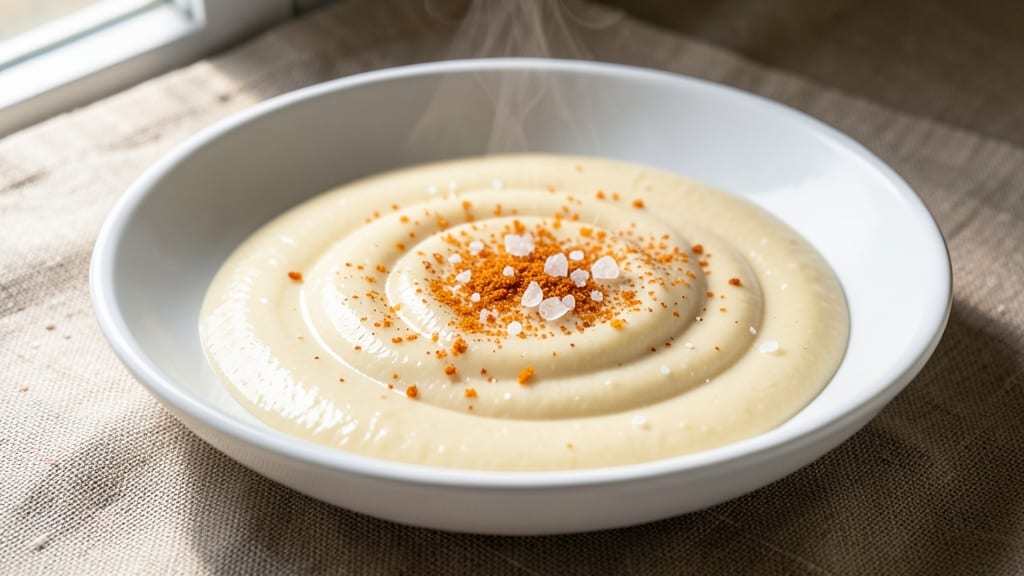
The bechamel sauce recipe ratio that delivers velvety perfection every time starts with equal parts precision and patience—because this isn't just a sauce, it's the foundation for dishes like lasagna and mac and cheese.
I've perfected this method after years of testing, where the ratio of butter to flour to milk becomes the difference between a smooth emulsion and a lumpy mess. The secret lies in gradual additions and constant stirring, which transforms simple ingredients into something restaurant-quality.
This recipe uses a 1:1:2 ratio of butter to flour to milk by weight (or 1 cup butter to 1 cup flour to 2 cups milk by volume), creating a sauce that's rich yet balanced.
The key technique is cooking the butter and flour together until they form a pale roux—this creates the stable base that will properly emulsify the milk without curdling.
I've included specific temperature guidelines and stirring instructions to ensure your sauce comes together perfectly, even if you're new to making roux-based sauces.
What you'll end up with is a silky, velvety sauce that coats every noodle or vegetable it touches, adding depth and creaminess to any dish.
The proper ratio ensures you won't end up with a sauce that's too thick to pour or too thin to cling, while the slow addition of milk prevents those dreaded lumps.
This is the kind of sauce that transforms ordinary meals into something special—whether you're making classic lasagna or creamy mac and cheese.
The beauty of this bechamel is its versatility—it's the starting point for cheese sauces like Mornay, or can be used as-is for delicate dishes. I've included storage tips so you can make a big batch ahead of time, knowing it will stay fresh and ready for whatever you're cooking.
Let's get started on creating your perfect bechamel sauce.
Ingredients for bechamel sauce recipe ratio
Five simple ingredients transform into the perfect sauce foundation for lasagna and mac and cheese.
| Ingredient | Amount | Notes |
|---|---|---|
| Unsalted Butter 🧈 | 1 cup | Cold, cut into small cubes |
| All-Purpose Flour 🌾 | 1 cup | Sifted for smooth texture |
| Whole Milk 🥛 | 2 cups | Room temperature preferred |
| Salt 🧂 | ½ tsp | Kosher or sea salt |
| White Pepper 🌶️ | ¼ tsp | Freshly ground preferred |
| Nutmeg 🌿 | ⅛ tsp | Freshly grated for warmth |
| Fresh Nutmeg 🌿 | 1 whole | For grating (optional) |
The butter is non-negotiable here—unsalted, high-quality butter like Plugrá or Land O'Lakes gives the best flavor. Grab the coldest stick from your fridge (the one that's been there for weeks) and cut it into small cubes so it melts evenly. Whole milk works best for richness, but 2% or skim will work in a pinch. The flour? King Arthur or Bob's Red Mill brands are my go-to—they're finely milled and sift easily. Nutmeg is the secret weapon here; freshly grated makes all the difference, but pre-ground works too if you're in a hurry. I always buy extra because it's used in so many dishes.
No whole milk? Evaporated milk or half-and-half adds creaminess without curdling. Fresh nutmeg too expensive? Ground nutmeg at half the amount still works, but you'll miss that fresh aroma. The flour can be swapped for cornstarch or arrowroot powder if you're gluten-free, but the texture will be slightly different. Salt is crucial—kosher or sea salt dissolves better than table salt. White pepper keeps the sauce looking pristine, but black pepper works too. Pro tip: if your roux starts browning too quickly, reduce the heat immediately—it's better to take longer than risk burning.
This sauce keeps beautifully for 5 days in the fridge, sealed tightly in an airtight container. For longer storage, freeze portions in ice cube trays—thaw quickly in the microwave when needed. I always make extra because it's perfect for lasagna, mac and cheese, or even creamed spinach. The sauce thickens as it cools, so add a splash of milk if it seems too stiff when reheating. Trust me, the leftovers taste even better the next day.
Why You'll Love This Recipe
- Four-Ingredient Magic: I swear by this ratio—just butter, flour, milk, and a pinch of pepper. That’s it. No fancy add-ins, no stress. The secret’s in the slow whisk, letting the roux melt into the milk until it’s velvety smooth. Twenty minutes max, and I’ve never burned it twice.
- Velvet Smoothness: The moment that first spoonful hits your tongue—creamy, rich, but not heavy—that’s the payoff. White pepper keeps it bright, so it doesn’t overpower dishes like mac and cheese or lasagna. Honestly, it’s the kind of sauce that makes you pause mid-bite and think, “Wait, is this even real?”
- Pantry Powerhouse: This is my weeknight lifesaver. Stash a jar in the fridge, and suddenly you’ve got the base for creamy pasta, baked potatoes, or even a quick gratin. Between us, I’ve turned leftover roasted veggies into a fancified side in 10 minutes flat using this exact sauce.
- Budget-Friendly Luxury: Butter and milk aren’t cheap, but this ratio stretches them further than you’d think. A single batch feeds four dishes, and the leftovers keep for days—no weird texture changes, just pure, reliable creaminess. My college-student self would’ve cried happy tears over this.
Step-by-step instructions for bechamel sauce recipe ratio
Master this classic roux-based sauce with the perfect ratio for silky smoothness every time.
Melt the Butter Over Gentle Heat
Place a heavy-bottomed saucepan over medium-low heat and add the 1 cup unsalted butter, cut into small cubes. Let it melt completely, stirring occasionally with a wooden spoon until it turns a pale golden color. This gentle heat prevents burning while allowing the butter to develop its nutty aroma.
Watch for small bubbles forming around the edges—this tells you the butter is ready for the next step. If you see any brown specks, reduce the heat slightly. The butter should be fully melted but not browned, as that would impart a bitter taste to your sauce.
Whisk in the Flour to Form a Smooth Roux
Immediately after the butter melts, sprinkle the 1 cup all-purpose flour evenly over the surface, making sure it doesn't clump. Using a whisk, gradually incorporate the flour into the butter, stirring constantly for 1-2 minutes until the mixture turns a uniform light tan color.
This is your roux—the foundation of your bechamel. Keep whisking vigorously to prevent any lumps from forming. You're looking for a paste-like consistency that coats the back of your spoon. If it starts to darken too quickly, reduce the heat to low to maintain that perfect pale color.
Gradually Add the Milk for a Perfect Emulsion
Begin adding the 2 cups whole milk very slowly, just a few tablespoons at a time, whisking continuously. This gradual approach is crucial—it allows the flour to fully incorporate into the milk without creating lumps. If you add too much milk at once, you risk breaking the emulsion and ending up with a curdled sauce.
After each addition, whisk until the mixture smooths out completely. Once about half the milk is incorporated, you can increase the pace slightly, adding the remaining milk in a steady stream. Keep whisking vigorously for another 2-3 minutes until the sauce thickens noticeably and coats the whisk.
Season and Simmer for Maximum Velvety Texture
Add the 0.5 teaspoon salt, 0.25 teaspoon white pepper, and 0.125 teaspoon nutmeg, whisking well to distribute the seasonings evenly. If you're using the optional fresh nutmeg, grate a small amount directly into the sauce for an aromatic boost. Reduce the heat to low and let the sauce simmer gently for 5-7 minutes, stirring occasionally.
You'll know it's ready when the sauce reaches a thick, velvety consistency that coats the back of a spoon. It should no longer be runny but still smooth enough to pour. If it thickens too much, thin it with a splash of warm milk. The sauce should be glossy and uniform, with no visible lumps or streaks of flour.
Use Immediately or Thin for Serving
Remove the sauce from heat and let it sit for 1-2 minutes to thicken slightly more. If you're using it immediately, such as for mac and cheese or lasagna, you can use it as is. For a lighter consistency, whisk in a splash of warm milk until it reaches your desired thickness.
This bechamel should be smooth, creamy, and completely free of lumps. If you notice any graininess, strain it through a fine-mesh sieve before using. The sauce will continue to thicken as it cools, so adjust the consistency while it's still warm. Use it immediately or store it in an airtight container in the refrigerator for up to 3 days.
Pro Tips For Making Bechamel Sauce Recipe Ratio
- Whisk Like You Mean It: The moment you add milk, stop stirring and whisk aggressively for 30 seconds—this breaks up flour lumps before they form a gluey mess. I used to think slow stirring was safer, but that’s how you end up with a sauce that looks like wallpaper paste.
- Butter First, Then Heat: Melt the butter completely before adding flour—no chunks, no excuses. Cold butter = uneven cooking, which means some parts of your roux will brown while others stay pale. Use medium heat and keep an eye on it; burnt butter ruins everything.
- Salt the Milk: Add a pinch of salt to the milk before it goes in the pot. The sauce absorbs flavor better this way, and you won’t have to guess how much to add later. Trust me, your taste buds will notice the difference—especially if you’re using unsalted butter.
- Low and Slow After Adding Milk: Once the milk hits the roux, drop the heat to low and let it simmer for 5–7 minutes. Skipping this step means a thin, watery sauce. If it gets too thick, add a splash of cold milk; if it’s too thin, cook it longer. Patience here makes all the difference.
Common mistakes when making this dish
Overheating the Roux
I’ve ruined more bechamel sauces than I’d like to admit by letting the roux brown too quickly. When you cook butter and flour together, the goal is a pale golden color, not a deep brown.
Once it starts to darken, the sauce will develop a bitter, nutty flavor that’s hard to mask. Keep the heat at medium-low and stir constantly—if you see any brown specks, immediately reduce the heat or remove the pan from the stove.
Trust me, patience here pays off with a smooth, flavorful sauce every time. 🔥
Adding Milk Too Fast
The biggest mistake I see is pouring milk in all at once. This is a recipe where slow and steady wins the race—adding milk too quickly can cause lumps or even curdling.
Instead, start with just 1-2 tablespoons at a time, whisking vigorously until fully incorporated before adding more. If you’re in a hurry, at least add it in a slow, steady stream while whisking continuously. The key is giving the flour time to fully hydrate and create that perfect emulsion.
Skipping the Simmer
Some recipes suggest you can stop after adding all the milk, but I’ve found that letting the sauce simmer gently for 5-7 minutes makes all the difference. This step allows the starch to fully develop, creating that velvety texture we all love.
Skipping it often results in a sauce that’s either too thin or still slightly grainy. Plus, it’s the perfect time to adjust seasoning—taste as you go and add more salt or nutmeg if needed.
Using Cold Ingredients
Cold butter, cold milk, or cold flour can all lead to a lumpy, uneven sauce. Room-temperature ingredients blend together much more smoothly. If your milk is straight from the fridge, let it sit out for 10-15 minutes before using.
The same goes for butter—cut it into small cubes so it melts evenly without shocking the pan. I learned this the hard way when my first batch turned out like glue. Now, I always check my ingredients before starting.
Ignoring the Emulsion Test
Before you call your bechamel "done," do this quick test: dip a wooden spoon in the sauce and run your finger through it. If it leaves a clean line, your sauce is properly emulsified.
If it breaks or leaves streaks, keep whisking and adding tiny amounts of warm milk until it passes. This simple trick saves you from ending up with a sauce that looks like it’s fighting itself. It’s a small step that makes a huge difference in the final texture. ✨
Not Adjusting for Altitude
If you live at a high altitude (like in the mountains of Portland), your bechamel might thicken faster than expected. The lower air pressure means liquids evaporate quicker, so you’ll need to reduce the heat slightly and add milk more gradually.
I’ve had to cut my simmer time in half when cooking at elevation—always taste and adjust as you go. The same goes for humid climates, where the sauce might take longer to thicken. Pay attention to your environment, and don’t be afraid to improvise!
Nutrition facts
Frequently asked questions
Why does my bechamel turn out grainy even with constant whisking?
Graininess usually means your flour didn't fully hydrate. Whisk continuously while adding milk very slowly—start with just 1 tablespoon at a time and let it fully incorporate before adding more. If you're still seeing lumps, strain the sauce through a fine-mesh sieve before using. The key is patience—rushing this step is what creates those pesky little flour bits.
Can I substitute half-and-half for whole milk in bechamel?
Yes, but expect a slightly lighter texture since half-and-half has less fat. For best results, use 1 ½ cups half-and-half instead of 2 cups whole milk, as it contains more water. The sauce will still emulsify well, though it won't be quite as rich. If you're making a cheese sauce (like Mornay), the extra fat helps carry the melted cheese better.
How do I fix a bechamel that's too thick?
Simply whisk in 1 tablespoon of warm milk at a time until you reach your desired consistency. If the sauce is already cooled, warm it gently first—cold milk can cause separation. For a more permanent fix, you can also thin it with a splash of warm water or broth, though this will slightly dilute the flavor. Always adjust while the sauce is still warm for best results.
What's the best way to store leftover bechamel?
Let it cool completely, then transfer to an airtight container. It keeps well in the fridge for 3-4 days, or you can freeze it for up to 3 months. For freezing, portion into ice cube trays—this makes it easy to thaw just what you need. When reheating, warm gently over low heat, stirring constantly, and add a splash of milk if it thickens too much. The texture remains perfect when stored properly.
Can I make bechamel without flour?
Yes! For a gluten-free version, replace the flour with ¼ cup cornstarch or arrowroot powder mixed with 1 tablespoon cold water (make a slurry). Whisk this into the melted butter first, then proceed with the milk as usual. The ratio becomes 1:¼:2 (butter:cornstarch slurry:milk). The texture will be slightly different but still creamy and delicious. This works perfectly for those with gluten sensitivities.