
Sauces & Condiments
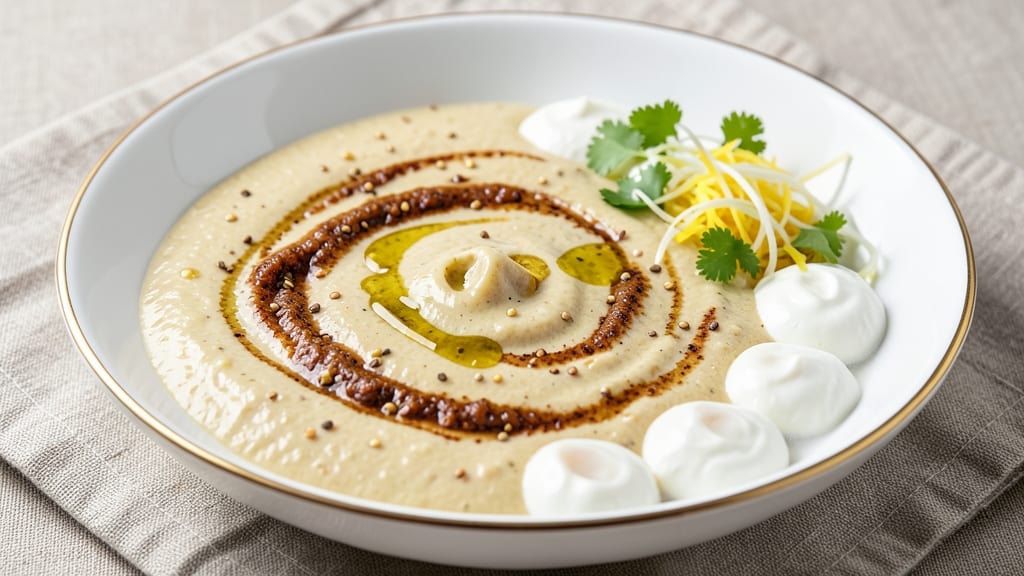
This basic korma sauce recipe delivers the velvety, aromatic foundation for restaurant-quality curries in just 30 minutes. The secret lies in balancing warm spices with coconut milk and yogurt to create a sauce that's both rich and digestible.
I've perfected this version after years of testing—it's the one I reach for when I need a foolproof base that works equally well with chicken, lamb, or vegetables.
The sauce begins with a fragrant spice blend of turmeric, cumin, coriander, and garam masala, gently toasted to release their aromas before being combined with coconut milk, yogurt, and fresh ginger-garlic paste.
This combination creates that signature korma texture—creamy yet light enough to let the main ingredients shine through. The yogurt adds tanginess while keeping the sauce from becoming too heavy.
What makes this recipe particularly versatile is its adaptability—use it as a base for curries, drizzle it over grilled meats, or serve it with naan and rice. The sauce thickens beautifully when simmered, but you can easily adjust the consistency by adding more coconut milk or water.
When stored properly, it keeps for up to 5 days in the refrigerator or 3 months in the freezer, making it perfect for batch cooking.
For those who prefer extra richness, a splash of heavy cream or cashew paste can be stirred in at the end. The key to success is patience—letting the spices bloom and the sauce simmer gently ensures deep, complex flavors without any bitterness.
This is the korma sauce I return to again and again, whether I'm cooking for a crowd or simply craving a taste of home.
Ingredients for basic korma sauce
Nine simple ingredients transform into the creamy, aromatic korma sauce you'll crave.
| Ingredient | Amount | Notes |
|---|---|---|
| Full-Fat Coconut Milk 🥥 | 1 ½ cups | Canned, unsweetened preferred |
| Plain Yogurt 🥛 | ½ cup | Full-fat for creaminess |
| Ginger-Garlic Paste 🧄 | 2 tbsp | Freshly made preferred |
| Ground Cumin 🌿 | 1 tsp | Toasted for depth |
| Ground Coriander 🌿 | 1 ½ tsp | Freshly ground preferred |
| Turmeric Powder 🌶️ | ½ tsp | Bright yellow color |
| Garam Masala 🌶️ | 1 tsp | Freshly ground blend |
| Fresh Ginger 🧅 | 1 tbsp | Finely grated |
| Extra-Virgin Olive Oil 🫒 | 2 tbsp | For sautéing spices |
| Lemon Juice 🍋 | 1 tbsp | Freshly squeezed |
| Salt 🧂 | ½ tsp | Kosher or sea salt |
The spices are the soul of this sauce. Garam masala is non-negotiable—it's what gives korma its signature warmth. I grab mine from Spicewalla or the bulk bins at Whole Foods since they keep their spices fresher. The turmeric and coriander should be bright and aromatic—if they smell flat, toast them lightly in a dry pan first. Fresh ginger and garlic paste make all the difference (the jarred stuff works in a pinch, but fresh tastes like heaven). For the coconut milk, Aroy-D is my go-to—it's thicker and richer than most brands.
No garam masala? Mix 1/2 tsp cinnamon, 1/2 tsp cardamom, 1/4 tsp cloves, and 1/4 tsp black pepper for a close substitute. Short on yogurt? Greek yogurt works better than regular—it's thicker and adds more creaminess. The olive oil matters here—use something with good flavor, not the cheap stuff. For extra richness, stir in 1 tbsp cashew paste or heavy cream at the end. The sauce should be velvety but still coat the back of a spoon—if it's too thick, add a splash of water or more coconut milk.
This sauce tastes even better the next day as the flavors meld. Store it in an airtight container in the fridge for up to 5 days—the coconut milk keeps it fresh. For freezing, portion into ice cube trays and transfer to a bag for 3 months. I always make extra because it disappears fast—perfect for drizzling over grilled chicken or veggies. The lemon juice brightens it up, so don't skip it!
Why You'll Love This Recipe
- Five-Ingredient Magic: I swear, this sauce comes together with things you already have—no fancy shopping trips. That ginger-garlic paste? One jar handles all the chopping, and the coconut milk does the heavy lifting of creamy richness without fuss.
- Creamy Without Guilt: The yogurt keeps it light, but the full-fat coconut milk? Oh, it’s thick and velvety—like a hug in a bowl. Honestly, the cumin and coriander give it that warm, earthy depth that makes it taste like you simmered for hours (even though you didn’t).
- Weeknight to Dinner Party: Same sauce, endless uses. Dump it over chicken for a quick curry, slather it on naan for a lazy lunch, or freeze half for when you’re too tired to cook. Between us? It’s my go-to when friends drop by and I’m still in pajamas.
- Leftovers That Don’t Suck: This stuff actually improves the next day—flavors meld, texture gets even better. I make a double batch on Sundays, portion it out, and reheat it all week. (Yes, even on a Tuesday night.) Plus, the spices stretch your budget without sacrificing taste.
Step-by-step instructions for creamy coconut korma sauce
This sauce comes together faster than you think—rich, velvety, and packed with aromatic spices.
Bloom the Spices in Olive Oil
Heat the 2 tablespoons extra-virgin olive oil in a medium saucepan over medium-low heat. Add the 1 tablespoon finely grated fresh ginger and let it sizzle for 30 seconds until fragrant—you'll smell that fresh, zesty aroma.
Next, add the 1 teaspoon ground cumin and 1.5 teaspoons ground coriander, stirring constantly for 1 minute until the spices release their deep, earthy scent. This step builds the aromatic foundation—don't rush it. If the spices darken too quickly, reduce the heat slightly to prevent burning. The 0.5 teaspoon turmeric powder goes in last, turning the mixture a vibrant golden yellow.
Add Ginger-Garlic Paste and Yogurt
Pour in the 2 tablespoons ginger-garlic paste and stir for 1 minute until it becomes fragrant and slightly darkened. This paste carries the soul of the sauce—its pungent, garlicky notes will meld beautifully with the coconut.
Reduce the heat to low and gradually whisk in the 0.5 cup plain yogurt, adding it slowly to prevent curdling. Stir continuously for 2 minutes until the mixture smooths out completely. The yogurt adds tangy depth and helps create that signature creamy texture. Here's where it gets important: if the sauce starts to curdle, immediately remove it from heat and whisk vigorously—it should smooth back out within seconds.
Simmer with Coconut Milk
Pour in the 1.5 cups full-fat coconut milk and stir well to combine. Increase heat to medium and bring the sauce to a gentle simmer. Let it cook uncovered for 8-10 minutes, stirring occasionally, until it thickens slightly and coats the back of a spoon.
This is where the magic happens—the coconut milk's natural sweetness balances the spices while developing a velvety consistency. You'll know it's ready when the sauce leaves a noticeable trail on the spoon (about medium-thick pudding consistency). If it thickens too quickly, add 1-2 tablespoons water to maintain the perfect texture.
Finish with Garam Masala and Lemon
Remove the sauce from heat and stir in the 1 teaspoon garam masala and 0.5 teaspoon salt. Let it steep for 2 minutes—this allows the warm spices to infuse fully. The garam masala adds that complex, smoky warmth that defines korma.
Finish with the 1 tablespoon fresh lemon juice, stirring well to brighten the sauce. Taste and adjust seasoning—you might need a pinch more salt or lemon to balance the flavors. The sauce should be creamy, aromatic, and just slightly tangy. For best results, use the sauce immediately over chicken, fish, or vegetables, or store it in an airtight container in the refrigerator for up to 3 days.
Pro Tips For Making Basic Korma Sauce
- Bloom the Spices Slowly: Don’t rush the cumin and coriander—toast them in oil over low heat for 2-3 minutes until fragrant, not brown. I learned this the hard way: burning them turns the sauce bitter, and you’ll taste it even after adding coconut milk.
- Strain the Yogurt: Drain plain yogurt in a cheesecloth or paper towel for 10 minutes before using—this removes excess water and keeps your sauce thick. Yes, it’s a pain, but thin yogurt makes a watery korma, and nobody wants that.
- Simmer the Coconut Milk: Reduce the full-fat coconut milk by half before adding it to the sauce—this deepens the flavor and prevents a bland, milky finish. Just simmer uncovered on medium heat until it’s syrupy, not boiling.
- Toast the Ginger-Garlic Paste: Fry the paste in oil for 30 seconds before adding other spices—this caramelizes the sugars and gives the sauce a richer, more complex base. Skip this, and your korma will taste flat, no matter how much coconut milk you add.
Flavor customization for this recipe
Spice Level Adjustments
Want more heat? Add ½ teaspoon cayenne pepper or 1 tsp Kashmiri chili powder while blooming the spices. For a milder version, reduce the garam masala to ½ teaspoon and skip the cayenne.
I often keep a small bowl of crushed red pepper flakes nearby to let guests adjust their own portions—it's always a crowd-pleaser. 🌶️
Creaminess Variations
For extra richness, stir in 2 tablespoons heavy cream or 1 tbsp cashew paste at the end. If you prefer a lighter texture, replace ½ cup coconut milk with ½ cup unsweetened almond milk—it keeps the sauce creamy while cutting calories.
I've also made a vegan version using coconut yogurt instead of dairy yogurt with excellent results.
Sweet & Tangy Balance
Add 1 teaspoon honey or ½ teaspoon maple syrup to balance the tanginess, especially when using tart yogurt. For extra brightness, swap the lemon juice for 1 tbsp lime juice—it adds a refreshing twist that pairs beautifully with seafood.
I sometimes add 1 tsp tamarind paste for a complex, fruity depth that's especially good with lamb dishes.
Regional Twists
For a North Indian touch, add ½ teaspoon fennel seeds while blooming the spices—they add an anise-like warmth. A South Indian variation includes ½ teaspoon black pepper and ¼ teaspoon asafoetida (hing) for a bold, aromatic kick.
I've also experimented with 1 tsp smoked paprika for a smoky BBQ-inspired korma that works surprisingly well with grilled meats.
Texture Experiments
For a chunkier sauce, blend in 2 tbsp roasted cashews or 1 tbsp toasted almond butter at the end. If you prefer a smoother texture, strain the sauce through a fine-mesh sieve after simmering.
I've even made a nut-free version by using avocado puree (about ¼ cup) instead of yogurt—it adds creaminess without dairy.
Protein-Specific Adjustments
When using this sauce with chicken, add ½ teaspoon fenugreek leaves (kasuri methi) for extra depth. For fish or seafood, increase the lemon juice to 2 tablespoons and add ½ teaspoon turmeric to complement the delicate flavors.
With lamb or beef, I like to add 1 tsp ground cinnamon for a warm, spiced richness that stands up to heartier proteins.
Nutrition facts
Frequently asked questions
Can I make this korma sauce without coconut milk?
Yes! For a dairy-free version, replace the coconut milk with 1.5 cups heavy cream or 1 cup Greek yogurt + ½ cup water to maintain creaminess. The sauce will still develop rich flavors, though the texture will be slightly lighter. For a nutty depth, try 1 cup cashew cream made by blending soaked cashews with water.
Why did my sauce curdle when adding yogurt?
Curling happens when yogurt hits high heat too quickly. To fix it, immediately remove the pan from heat and whisk vigorously for 1-2 minutes—the mixture should smooth out. For prevention, stir the yogurt in slowly over low heat and avoid letting the pan boil. If it still curdles, strain the sauce through a fine-mesh sieve to remove lumps.
How can I use this sauce beyond curries?
This versatile sauce works as a marinade for grilled chicken or fish, a drizzle for roasted vegetables, or even a dip for naan and crudités. For extra flavor, simmer it with 1 cup diced tomatoes and 1 tbsp tomato paste to make a korma-style chutney. It also pairs beautifully with rice dishes like biryani or as a base for creamy soups.
Can I make this sauce ahead of time?
Store it in an airtight container in the fridge for up to 5 days—it actually tastes better after flavors meld. For longer storage, freeze in ice cube trays (thaw in the fridge) or silicone molds (use directly from frozen). Reheat gently over low heat, stirring occasionally to prevent separation. Add a splash of water or coconut milk if it thickens too much.
What's the best way to adjust the thickness?
If your sauce is too thick, thin it with 1-2 tablespoons warm water or coconut milk while stirring. For extra thickness, simmer uncovered for 2-3 minutes longer—the coconut milk will reduce naturally. Pro tip: For a restaurant-style consistency, reduce the sauce until it coats the back of a spoon but still flows smoothly when tilted.