
Sauces & Condiments
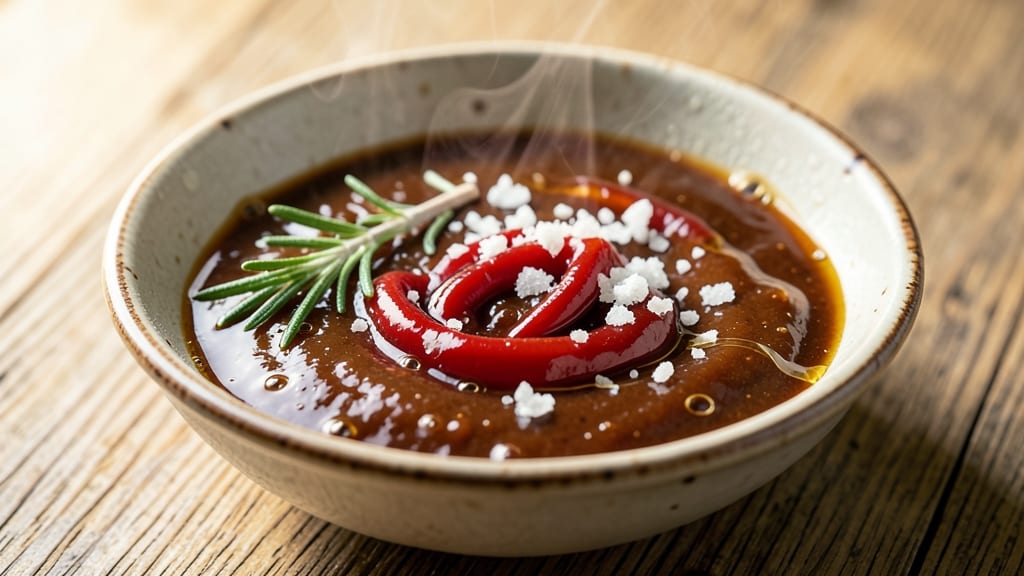
This basic hot wing sauce recipe delivers the perfect balance of heat and sweetness using just five simple ingredients you likely already have on hand.
The magic happens when melted butter and brown sugar caramelize together, creating a glossy, sticky sauce that clings beautifully to wings—or anything else you want to dip. I developed this version after testing countless recipes, and it consistently delivers that signature tangy-sweet-spicy flavor without requiring specialty ingredients.
What makes this sauce truly versatile is its foolproof technique: simmering the ingredients until thickened ensures the perfect consistency—neither too runny nor too stiff.
The heat comes from hot sauce, which you can adjust to your preferred level of spiciness, while the brown sugar adds that essential caramelized sweetness that makes buffalo sauce so addictive.
This recipe makes enough for a full batch of wings, with leftovers that keep well for up to a week in the fridge.
The result is a rich, glossy sauce with a perfect balance of heat and sweetness that transforms ordinary wings into something restaurant-quality. The caramelized edges create a satisfying stickiness, while the underlying spice lingers just enough to keep your taste buds engaged.
Whether you're prepping for game day or a casual weeknight dinner, this sauce delivers consistent, crowd-pleasing flavor every time.
For those who want to experiment, you can easily adapt this base recipe into honey garlic or ranch-style variations by swapping out the hot sauce for different flavor profiles. The same technique applies—simmer until thickened—and you'll achieve that same perfect consistency.
Store leftovers in an airtight container in the refrigerator for up to a week, or freeze for longer storage.
Ingredients for basic hot wing sauce
Five pantry staples create this addictive sauce that transforms wings into restaurant-quality bites.
| Ingredient | Amount | Notes |
|---|---|---|
| Unsalted Butter 🧈 | ½ cup | Melted completely for smooth sauce |
| Dark Brown Sugar 🍬 | ½ cup | Packed lightly for accurate measure |
| Hot Sauce 🌶️ | ½ cup | Frank's RedHot preferred for classic flavor |
| Apple Cider Vinegar 🍎 | 2 tbsp | Adds tangy depth and balances sweetness |
| Kosher Salt 🧂 | ½ tsp | Diamond Crystal preferred for purity |
The butter is the foundation—unsalted so you control the saltiness. European-style butter like Plugrá has more fat content, giving a richer sauce. Brown sugar should be dark, not light—Domino brand is my go-to for consistent caramelization. Hot sauce is where you dial in the heat: Frank's RedHot for classic tang, Louisiana-style for extra depth. I always grab extra hot sauce because you can adjust heat to taste later—no regrets if it's too mild.
No hot sauce? Cayenne pepper mixed with vinegar works in a pinch (start with 1 tsp cayenne + 2 tbsp vinegar). Vinegar substitutes? Lemon juice or white vinegar both work, but apple cider adds subtle sweetness. Brown sugar too sweet? Swap half for molasses or maple syrup—keeps that caramelized richness. For a smoky twist, add ½ tsp smoked paprika with the hot sauce. The sauce thickens as it cools, so if it's too stiff when warm, thin with 1 tsp water.
This sauce keeps beautifully—1 week refrigerated in a sealed jar, 3 months frozen in ice cube trays for single servings. I always double the batch because it disappears fast. For storage, let it cool completely before sealing to prevent condensation. Freeze extras in 1-tbsp portions for quick dipping sauce later. The flavor actually improves overnight as the caramelization deepens—trust the process and don't rush it.
Why You'll Love This Recipe
- Five-Ingredient Magic: I swear by this—just butter, sugar, hot sauce, vinegar, and salt. That’s it. No fancy gadgets, no measuring cups if you’re eyeballing it (I often am), and it still delivers every time.
- Sticky-Sweet Heat: The brown sugar caramelizes into the butter, giving it that glossy, addictive sheen while the vinegar cuts through the richness. Honestly, the balance of sweet, tangy, and spicy is what makes it my go-to for wings, fries, or even dipping bread.
- Game for Any Gathering: This sauce works for game day, lazy Sundays, or when you’re craving takeout but don’t want to order. I’ve used it on chicken, shrimp, and even roasted potatoes—it’s the kind of sauce that turns simple meals into something special.
- Pantry Staple Power: Between us, this recipe costs pennies and lasts forever. I make a big batch, store it in the fridge, and it’s ready to toss on wings in minutes. Plus, the leftovers? They only get better with time as the flavors meld.
Step-by-step instructions for crafting your perfect hot wing sauce
This sauce delivers that iconic sweet-spicy harmony—simple ingredients, bold flavor, and zero shortcuts.
Melt the Butter for a Silky Base
Place the 0.5 cup unsalted butter in a medium saucepan over medium-low heat. Let it melt completely, stirring occasionally until it becomes smooth and glossy. I like to watch for tiny bubbles forming around the edges—that's your signal it's ready. Remove from heat immediately to prevent browning, then return it to the pan once you're ready for the next step.
Here's the thing—using melted butter instead of oil creates that signature glossy finish on wings. If you see any solid butter remaining, give it another 30 seconds on low heat to fully emulsify. The sauce needs that fat content to cling beautifully to every crispy bite.
Whisk in Sugar Until Fully Dissolved
Add the 0.5 cup packed dark brown sugar to the melted butter and stir constantly over medium heat for 3-4 minutes. You'll notice the sugar granules gradually disappear as they dissolve, creating a thick, syrupy mixture. This is where the sauce builds its sweet foundation—don't rush this step or you'll end up with grainy bits.
I press down gently with a wooden spoon to help break up any stubborn sugar crystals. The mixture should look like thick caramel when fully combined. This caramelization process deepens the flavor profile, giving your sauce that rich, complex taste that separates good from great.
Incorporate Hot Sauce and Vinegar for Balance
Reduce heat to low and slowly whisk in the 0.5 cup hot sauce and 2 tablespoons apple cider vinegar. The vinegar will cause the mixture to bubble vigorously—this is normal. Let it simmer gently for 2-3 minutes, stirring constantly, until the sauce thickens slightly and coats the back of a spoon.
This is the moment that matters: the vinegar cuts through the sweetness while the hot sauce adds that essential heat. If you taste it now, you'll notice the perfect balance between sweet, tangy, and fiery. The sauce should be smooth with no visible separation—if it looks too thin, simmer for another 30 seconds to thicken it properly.
Season and Simmer to Perfection
Add the 0.5 teaspoon kosher salt and stir until completely dissolved. Return the heat to medium-low and let the sauce simmer gently for 5-7 minutes, stirring occasionally. You're looking for a glossy, syrupy consistency that coats the back of a spoon but still flows smoothly.
Taste and adjust as needed—this is your chance to fine-tune the balance. Need more heat? Add another 1 tablespoon hot sauce. Want it sweeter? Stir in 1 teaspoon more brown sugar. The sauce should be thick enough to cling to wings but still pourable. If it gets too thick, whisk in 1 teaspoon water to loosen it.
Cool and Store for Maximum Flavor
Remove from heat and let the sauce cool to room temperature, stirring occasionally. The flavor will deepen as it cools, developing that complex, layered taste that makes this sauce so addictive. For best results, refrigerate in an airtight container for at least 1 hour before using—this allows all the flavors to fully meld together.
This sauce keeps well in the fridge for up to 2 weeks, making it perfect for game days or whenever wing cravings strike. When ready to use, give it a quick stir—it might thicken slightly when refrigerated, so you can thin it with 1-2 teaspoons water if needed. The cooled sauce will have that perfect balance of sweet, spicy, and tangy that makes every bite unforgettable.
Pro Tips For Making Basic Hot Wing Sauce
- STIR CONSTANTLY, LOW HEAT: This sauce burns faster than you’d think—especially with sugar and butter. Keep the heat at a gentle simmer (medium-low) and stir every 30 seconds with a wooden spoon. I learned this the hard way after a charred batch that tasted like campfire ash.
- MELT BUTTER FIRST: Add the unsalted butter to the pot before anything else and let it melt completely, even if it means waiting a minute. Cold butter clumps with sugar and hot sauce, making it harder to dissolve. Once it’s fully liquid, the rest combines smoothly—no lumps, no stress.
- SALT THE BUTTER: Toss in half the kosher salt with the butter while it melts. This prevents clumping later and lets the salt infuse the fat first. The sauce will taste more balanced by the end, and you won’t have to guess if you need extra salt at the finish.
- VINEGAR LAST, OFF HEAT: The apple cider vinegar needs to be added after the sauce has thickened but while it’s still hot—then immediately take it off the heat. Stirring it in too early makes the sauce thin out, and adding it cold can make the sugar crystallize. Let it sit for 2 minutes off the heat to let the flavors marry.
Pro cooking tips for basic hot wing sauce
Heat Control Secrets
Hot wing sauce is all about balance, and heat is where you fine-tune that perfect harmony. Start with Frank's RedHot for classic tang, but swap in Louisiana-style hot sauce if you want extra depth and complexity.
I always recommend tasting as you go—add 1 tablespoon hot sauce at a time until you hit your desired heat level. Remember, the sauce thickens as it cools, so don't overdo it early on. 🌶️
Caramelize the Sugar
The brown sugar isn't just for sweetness—it's the secret to that rich, glossy finish. Stir constantly over medium heat for 3-4 minutes until fully dissolved. This caramelization step deepens the flavor dramatically.
If you see any grainy bits, press them down with a wooden spoon and give it another 30 seconds to fully integrate. The sauce should look like thick caramel when ready.
Vinegar's Role
Apple cider vinegar does more than just add tang—it helps emulsify the sauce and prevents separation. When you whisk it in, you'll see vigorous bubbling. Let it simmer for 2-3 minutes until the sauce thickens slightly.
This is where the magic happens—the vinegar cuts through the sweetness while the hot sauce adds that essential fiery kick. If your sauce looks too thin after this step, simmer for another 30 seconds to thicken it properly.
Thickness Adjustments
This sauce should be thick enough to cling beautifully to wings but still pourable. If it gets too thick while cooking, whisk in 1 teaspoon water to loosen it. Conversely, if it's too thin when cooled from the fridge, thin it with 1-2 teaspoons water before using.
The ideal consistency is like honey—glossy, syrupy, and just thick enough to coat the back of a spoon without being stiff.
Storage Hacks
Let your sauce cool completely before storing to prevent condensation. I always refrigerate it in an airtight container for at least 1 hour before using—this allows all the flavors to fully meld together. For longer storage, freeze extras in 1-tablespoon portions in ice cube trays.
The sauce keeps well in the fridge for up to 2 weeks and freezes beautifully for 3 months, making it perfect for game days or whenever wing cravings strike.
Pro Taste Test
Before you finish, do this pro move: taste the sauce at room temperature after it's cooled. The flavor profile deepens as it cools, so this is your final chance to adjust. Need more heat?
Add another 1 tablespoon hot sauce. Want it sweeter? Stir in 1 teaspoon more brown sugar. The perfect sauce should have that balanced sweet-spicy-tangy trifecta that makes every bite unforgettable. 💡
Nutrition facts
Frequently asked questions
Can I make this hot wing sauce without butter?
You can substitute butter with an equal amount of vegetable oil or melted shortening, but you'll lose that signature glossy finish. For best results, use butter—it creates a richer, more flavorful sauce that clings beautifully to wings. If you must substitute, choose a neutral oil like canola or vegetable oil.
How do I adjust the heat level?
Start with the basic recipe, then taste and adjust gradually. For milder heat, reduce hot sauce by 1 tablespoon at a time. For extra spice, add 1 tablespoon hot sauce and simmer for 1-2 minutes to let the flavors meld. Remember, the sauce thickens as it cools, so don't overdo it early on.
What can I use if I don't have apple cider vinegar?
Lemon juice or white vinegar work well as substitutes, but apple cider vinegar adds subtle sweetness that enhances the flavor. Use a 1:1 ratio, but taste as you go—you may need to add a pinch more sugar to balance the tang. For a smoky twist, try ½ teaspoon smoked paprika instead of extra vinegar.
Can I make this sauce ahead of time?
This sauce actually tastes better after resting. Let it cool completely, then store in an airtight container in the fridge for up to 2 weeks. For longer storage, freeze in 1-tablespoon portions in ice cube trays. Thaw overnight in the fridge before using—it'll be even more flavorful.
What if my sauce is too thick or too thin?
If it's too thick, whisk in 1 teaspoon water at a time until you reach a pourable consistency. If it's too thin, simmer uncovered for 2-3 minutes to reduce it. The ideal texture should be glossy and syrupy—like thick honey—so it clings to wings without dripping off.