
Sauces & Condiments
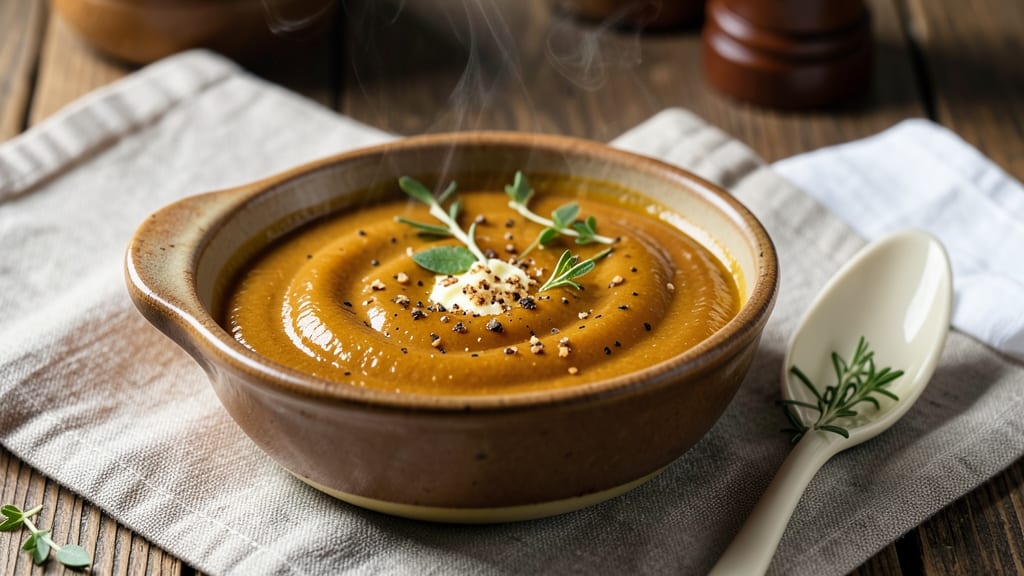
This base sauce recipe is the secret weapon every home cook needs to elevate dishes from ordinary to extraordinary. With just four simple ingredients—flour, fat, liquid, and seasoning—you’ll create a versatile foundation that transforms into white sauces, gravies, or pan sauces depending on your needs.
The key lies in mastering the roux, where flour and fat cook together to form a smooth, flavorful base that thickens without lumps.
What sets this recipe apart is its adaptability—whether you’re making a creamy Alfredo for pasta, a rich gravy for mashed potatoes, or a tangy pan sauce for steak, the technique remains the same.
The sauce develops depth as it simmers, allowing flavors to meld and intensify, while its smooth consistency ensures it coats every bite perfectly. This is the kind of sauce that turns simple ingredients into restaurant-quality meals.
By the time you’re done, you’ll have a foolproof sauce that’s ready to be customized with herbs, spices, or even a splash of cream. The best part?
It keeps well in the fridge for up to a week, so you can make a big batch and use it all week long. No more last-minute store-bought sauces—just pure, homemade flavor in every spoonful.
From creamy soups to hearty stews, this base sauce is the backbone of countless dishes. Let’s get started on creating your culinary foundation.
Ingredients for base sauce
Four simple ingredients transform into the ultimate sauce foundation for any dish.
| Ingredient | Amount | Notes |
|---|---|---|
| All-Purpose Flour 🌾 | ½ cup | Sifted for smooth roux |
| Unsalted Butter 🧈 | ½ cup | Cold, cubed for even cooking |
| Chicken or Vegetable Stock 💧 | 2 cups | Homemade or quality store-bought |
| Salt 🧂 | ½ tsp | Kosher or sea salt |
| Black Pepper 🌶️ | ¼ tsp | Freshly ground preferred |
| White Wine (optional) 🍷 | ¼ cup | Dry variety for depth |
| Fresh Parsley 🌿 | ¼ cup | Chopped, for garnish |
The flour and butter are the backbone of this sauce. Bob's Red Mill all-purpose flour works perfectly, but any sifted flour will do. For the butter, Plugrá or Land O'Lakes unsalted are my go-tos—they melt smoothly without burning. The stock is where flavor really shines. Homemade stock tastes best, but Pacific Foods or Swanson low-sodium options are solid shortcuts. If you're making a white sauce, use chicken stock; for a vegetarian version, vegetable stock is perfect. Keep an eye on the roux—it should be a rich, nutty brown, not dark or burnt.
No white wine? Extra stock or a splash of apple cider vinegar adds acidity without alcohol. Fresh parsley is ideal for garnish, but dried parsley at one-third the amount works in a pinch. The salt and pepper are simple but crucial—taste as you go. For a richer sauce, add a splash of heavy cream or a pat of butter at the end. If you're making a pan sauce, deglaze the pan with stock first before adding your roux. This recipe is all about balance—adjust to your taste, but don't skip the salt.
This sauce keeps beautifully in the fridge for 5-7 days, sealed in an airtight container. For longer storage, freeze in ice cube trays—perfect for adding to soups or sauces later. Reheat gently on the stove, stirring constantly to prevent lumps. I like to make a big batch on Sundays so I have sauce ready for the week. The flavor actually improves as it sits, so don't hesitate to make extra. Store the parsley separately and add it fresh when serving.
Why You'll Love This Recipe
- Pantry Magic: I swear by this one—no fancy ingredients, just flour, butter, and stock. That’s it. The kind of simplicity that makes me feel like a genius when I pull it off.
- Velvet Smooth Richness: The butter melts into the roux so smoothly, then the stock transforms it into something velvety and deep. Honestly, it’s the kind of flavor that makes you pause mid-bite—like a hug in sauce form.
- Weeknight Superpower: This is my secret weapon for busy nights. Toss it into pasta, drizzle over roasted veggies, or use it as a glaze—it’s the backbone of half my meals. No last-minute scrambling, just effortless flavor.
- Budget-Friendly Staple: A single batch stretches for days—freeze half and you’ve got a week’s worth of savings. Between us, this is the kind of recipe that makes grocery bills feel less painful.
Step-by-step instructions for creating the ultimate base sauce
This versatile foundation transforms into countless dishes—let's build it right.
Make a Smooth Roux with Butter and Flour
In a medium saucepan, melt the 0.5 cup Unsalted Butter over medium-low heat until it stops bubbling. I like to use cold, cubed butter for even cooking—it creates tiny bubbles that won't burn before the flour joins. Add the 0.5 cup All-Purpose Flour all at once and whisk constantly for 2-3 minutes until the mixture turns a light golden brown color.
This is your roux, and getting it right is everything. Watch closely—the moment it smells nutty and looks like wet sand is when it's ready. If it darkens too quickly, reduce the heat slightly. This roux will form the thick, flavorful backbone of your sauce, so don't rush this step.
Deglaze with White Wine (If Using)
If you're using the 0.25 cup White Wine, carefully pour it into the saucepan while whisking continuously. The wine will bubble vigorously as it reacts with the roux—this is normal. Let it simmer for 1-2 minutes until the alcohol smell dissipates and the mixture reduces by about half. This deglazing step adds depth and complexity to your sauce foundation.
If you're skipping the wine, simply pour in the 2 cups Chicken or Vegetable Stock instead. Either way, keep whisking gently to prevent lumps from forming. The goal here is to create a smooth, velvety base that won't separate later.
Simmer the Sauce Until Thickened
Add the 2 cups Chicken or Vegetable Stock (and any remaining wine if you used it) to the saucepan. Stir in the 0.5 tsp Salt and 0.25 tsp Black Pepper, then bring the mixture to a gentle simmer. Let it cook uncovered for 10-15 minutes, stirring occasionally, until the sauce thickens enough to coat the back of a spoon.
You'll know it's ready when it reaches a consistency similar to heavy cream—smooth and slightly syrupy. If it thickens too quickly, whisk in a splash of warm water or stock to adjust. This simmering process develops the sauce's rich, complex flavor, so don't skip it.
Finish and Garnish
Remove the sauce from heat and stir in the 0.25 cup Fresh Parsley. This final touch adds freshness and vibrant color to your base sauce. Taste and adjust seasoning if needed—sometimes the wine or stock can be slightly salty or acidic, so this is your chance to perfect the balance.
For the best results, use your sauce immediately while it's still warm. It will continue to thicken slightly as it cools, so you might want to thin it with a little warm water or stock if needed. This versatile base sauce can be used as-is for drizzling over pasta or vegetables, or as a starting point for countless other sauces.
Pro Tips For Making Base Sauce
- WHISK FLOUR FIRST: Toss the flour into the cold butter before turning on the heat—this prevents lumps and gets you a smoother roux from the start. I learned this the hard way after scraping burnt bits off my pan for the third time.
- MELT BUTTER SLOWLY: Turn the heat to medium-low and let that butter melt gently—no rushing, no splattering. Butter burns faster than you think, and a burnt roux ruins everything. (Yes, even if you’re impatient like me.)
- STIR CONSTANTLY AT FIRST: The first 2 minutes after adding flour are the most critical—stop stirring for even 10 seconds, and you’ll get those stubborn brown spots. Use a wooden spoon and keep it moving until it’s fully combined.
- SALT THE STOCK LAST: Season the stock after it’s simmering, not before—this gives you control over the final flavor. If you salt early, you might end up with a bland sauce because the butter and flour absorb some of the seasoning.
Dietary considerations for this base sauce
Gluten-Free Adaptation
Replace the 0.5 cup all-purpose flour with a gluten-free 1:1 flour blend like Bob's Red Mill or King Arthur—both work perfectly for roux. For the best texture, use a blend with xanthan gum included. Cook the roux at medium-low heat for 3-4 minutes since gluten-free flours can break down faster.
Add 1 tsp cornstarch to the flour blend to help stabilize the sauce. The result will be just as smooth, though slightly less rich. 🌾
Dairy-Free Version
Swap the 0.5 cup unsalted butter for 0.5 cup olive oil or vegetable oil—I prefer extra virgin olive oil for its subtle flavor. Use the same cooking technique, but reduce heat slightly since oil has a lower smoke point.
For a richer finish, stir in 2 tbsp nutritional yeast after simmering. This version works beautifully with vegetable stock and adds a nutty depth without dairy. 🌱
Low-Sodium Options
Skip the 0.5 tsp salt entirely and use low-sodium chicken or vegetable stock (like Pacific Foods or Swanson). Enhance flavor with 1 tsp lemon juice or 1 tbsp apple cider vinegar during simmering.
For umami, add 1 tsp soy sauce or ½ tsp fish sauce—just a splash goes a long way. Taste frequently and adjust with black pepper or fresh herbs instead of salt. 🧂
Vegan-Friendly Upgrade
Combine the dairy-free and gluten-free adaptations for a fully plant-based sauce. Use 0.5 cup olive oil, 0.5 cup gluten-free flour, and 2 cups vegetable stock. For extra richness, stir in 2 tbsp tahini or 1 tbsp miso paste at the end.
This version works perfectly with vegan dishes like stir-fries or roasted vegetables. The key is patience—simmer longer to let flavors meld. ✨
Allergy-Friendly Tips
For nut allergies, avoid nutritional yeast or tahini—stick with olive oil and vegetable stock. If soy is a concern, replace soy sauce with ½ tsp coconut aminos. Always check labels on gluten-free blends for cross-contamination warnings.
I keep a dedicated airtight container for allergy-friendly sauces to prevent mix-ups. When in doubt, start with small batches to test tolerance. 💡
Nutrition facts
Frequently asked questions about base sauce
What's the best way to prevent lumps in my base sauce?
Whisk constantly when adding flour to butter to create a smooth paste, then gradually pour in your liquid while whisking vigorously. For extra insurance, strain the finished sauce through a fine-mesh sieve. The key is patience—don't rush the roux stage, and keep heat at medium-low to prevent burning.
Can I make this sauce without wine?
Skip the wine and use an extra 0.25 cup stock instead. For acidity, add 1 tsp lemon juice or 1 tbsp apple cider vinegar during simmering. The wine adds depth, but these alternatives work perfectly for a kid-friendly or alcohol-free version.
How do I adjust the thickness of my sauce?
For thicker sauce, simmer uncovered for 5-10 extra minutes or whisk in 1 tsp cornstarch mixed with cold water. Need it thinner? Stir in 1-2 tbsp warm stock or water gradually. Remember, sauces thicken as they cool, so test consistency when warm. A spoon should leave a clear trail when dragged through.
What are the most common mistakes when making base sauce?
The top mistakes are:
- Burning the roux (keep heat low),
- Adding liquid too quickly (whisk gradually), and
- Skipping the simmer time (flavor develops during this stage). Another pitfall is using cold stock—always warm liquids to 100°F first to prevent temperature shock that can cause separation.
How can I use this base sauce in different dishes?
This versatile foundation transforms into countless dishes: Use it as-is for pasta drizzles, thicken with cream for Alfredo sauce, or reduce with tomatoes for marinara. Deglaze with beef stock and add mushrooms for wild mushroom sauce, or stir in curry powder for Indian-inspired curries. The possibilities are endless—just adjust seasonings to match your dish!