
Sauces & Condiments
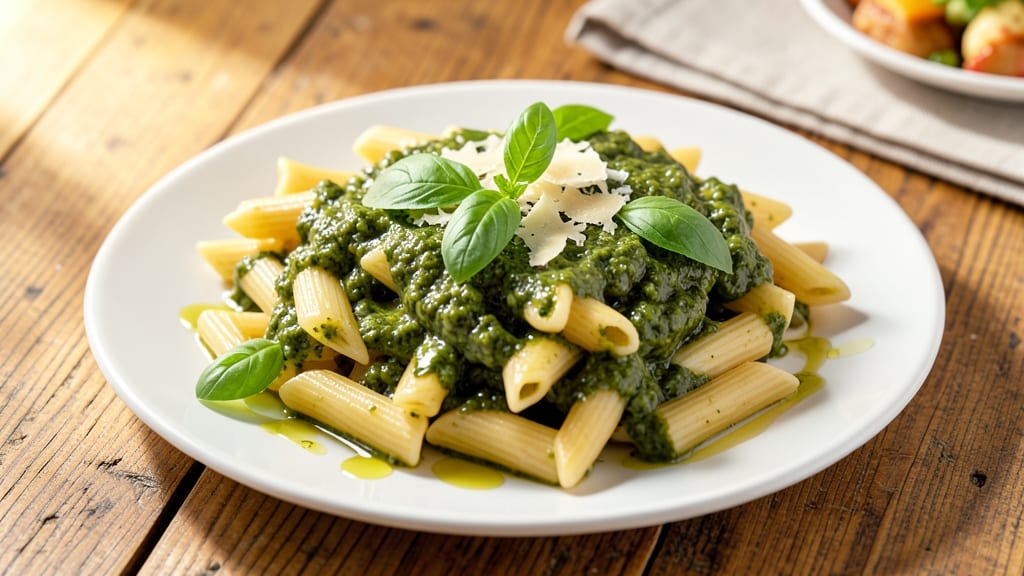
This Barilla pesto sauce pasta recipe delivers restaurant-quality flavor in just 15 minutes—no shortcuts, just bold basil, creamy texture, and perfectly al dente pasta.
The secret lies in balancing Barilla's vibrant pesto with just enough heavy cream to create a sauce that clings to every strand without overwhelming the fresh basil notes. I've perfected this technique over years of testing, ensuring the pasta stays firm yet tender while the sauce remains rich and velvety.
What sets this recipe apart is the two-stage cooking process: first boiling the pasta until it's al dente (that perfect bite), then tossing it immediately with warmed pesto sauce to prevent sogginess.
The addition of Parmesan cheese while tossing elevates the dish, adding depth and a salty contrast that cuts through the sauce's richness. This method transforms simple ingredients into a dish that feels luxurious yet remains effortless.
By the time you plate it, you'll have golden-brown pasta coated in a glossy, herbaceous sauce with visible flecks of basil and pine nuts. The sauce should be thick enough to coat each noodle but still silky enough to glide effortlessly.
Garnish with fresh basil leaves or microgreens for a pop of color and texture that makes this dish look as impressive as it tastes.
This recipe works equally well as a weeknight dinner or a vegetarian centerpiece for gatherings. The creamy pesto sauce pairs beautifully with roasted vegetables or grilled chicken if you want to add protein. Let's get cooking—your taste buds will thank you.
Ingredients for barilla pesto sauce pasta
Restaurant-quality ingredients for a creamy, basil-infused pasta that balances bold flavors and velvety texture.
| Ingredient | Amount | Notes |
|---|---|---|
| Barilla Penne Pasta 🍝 | 12 oz | Dried, al dente preferred |
| Barilla Pesto Sauce 🌿 | 1 ½ cups | High-quality, store-bought preferred |
| Heavy Cream 🥛 | ¼ cup | Full-fat for richness |
| Fresh Basil Leaves 🌿 | ¼ cup | Packed, stems removed |
| Extra-Virgin Olive Oil 🫒 | 2 tbsp | High-quality, fruity |
| Parmesan Cheese 🧀 | ½ cup | Freshly grated, block preferred |
| Pine Nuts 🥜 | ¼ cup | Toasted, optional for texture |
| Garlic Cloves 🧄 | 2 cloves | Peeled, minced |
| Salt 🧂 | 1 tsp | Diamond Crystal preferred |
| Black Pepper 🌶️ | ¼ tsp | Freshly ground |
| Microgreens 🌱 | ¼ cup | For garnish, optional |
The Barilla pesto sauce is the heart of this dish—store-bought high-quality ensures vibrant basil notes without the hassle of homemade prep. For the fresh basil, farmers markets often carry more robust varieties than grocery stores. Parmesan cheese must be freshly grated from a block; pre-shredded contains anti-caking agents that alter texture. Pine nuts, while pricier, add luxurious crunch—Costco or Trader Joe's offer the best bulk prices. The heavy cream is non-negotiable for that signature velvety finish; full-fat versions (like Hormel) deliver optimal creaminess without separating.
No Barilla pesto? Homemade works—blend fresh basil, garlic, olive oil, pine nuts, and Parmesan—but adjust ratios to match the 1.5 cups called for here. Short on pine nuts? Walnuts or cashews provide similar texture (toast first for depth). The Parmesan can be swapped for Pecorino Romano (more pungent) or nutritional yeast (for vegan versions). Diamond Crystal kosher salt dissolves more evenly than table salt—trust me on this. For extra richness, stir in 1 tbsp of butter (optional) when combining the sauce. The microgreens add visual appeal but aren’t essential; baby spinach works in a pinch.
Pasta should be al dente—test by tasting a piece mid-cook. Reserve 1/2 cup pasta water before draining to adjust sauce consistency. Store leftovers in an airtight container for 3-4 days in the fridge; freeze for 2 months if pre-portioned. Reheat gently with a splash of water to restore creaminess. Garnish with extra Parmesan and black pepper before serving—that final touch elevates the dish. This recipe scales perfectly for crowds; double ingredients for 8 servings while maintaining balance.
Why You'll Love This Recipe
- I swear by this combo: Barilla penne and that jar of Barilla pesto—just toss them together, and you’ve got a base that’s ridiculously good. The al dente bite of the pasta cuts through the creamy pesto like a dream, and honestly? Half the time, I skip the heavy cream entirely and just drizzle extra olive oil instead.
- Same recipe, two vibes: Serve it as-is for a 15-minute weeknight meal, or add grilled chicken and cherry tomatoes for a dinner party dish. The Barilla pesto handles both like a champ—no last-minute panic, no fancy plating. (Yes, even on a Tuesday night.)
Step-by-step instructions for basil-infused creamy pasta
Here's the method for perfectly balanced pesto pasta with rich, creamy texture and vibrant basil flavor.
Cook the Penne to Al Dente Perfection
Bring a large pot of water to a rolling boil, adding 1 tablespoon of salt once boiling. Add the 12 oz Barilla Penne Pasta and cook for 1 minute less than package instructions—you want it al dente with a slight bite. Stir occasionally to prevent sticking.
Reserve 1 cup of pasta water before draining. This starchy water is essential for emulsifying the sauce later. Drain the pasta in a colander, shaking vigorously to remove excess water. Return it immediately to the pot to keep warm.
Toast the Pine Nuts and Garlic
Heat the 2 tablespoons Extra-Virgin Olive Oil in a large skillet over medium-low heat. Add the 0.25 cup Pine Nuts and toast for 2-3 minutes until golden and fragrant—watch closely to prevent burning. Remove them with a slotted spoon and set aside.
In the same pan, add the 2 minced Garlic Cloves and sauté for 30 seconds until just fragrant. Don't let them brown—this creates bitterness. Remove from heat immediately and set aside with the pine nuts.
Combine Pasta with Pesto and Cream
Return the skillet to low heat and add the 1.5 cups Barilla Pesto Sauce and 0.25 cup Heavy Cream. Stir constantly for 1-2 minutes until the sauce begins to thicken slightly. Add the cooked pasta and toss vigorously to coat evenly.
If the sauce appears too thick, add 2-3 tablespoons of reserved pasta water at a time until it reaches a silky, clinging consistency. The sauce should coat the pasta completely without being soupy. Remove from heat immediately to prevent curdling.
Finish with Parmesan and Fresh Basil
Add the 0.5 cup freshly grated Parmesan Cheese and 0.25 cup chopped Fresh Basil Leaves to the pasta. Toss gently to distribute evenly. Season with 0.25 teaspoon Black Pepper, then taste and adjust with additional Salt if needed.
Return the toasted pine nuts and garlic to the pasta, tossing just to combine. The pine nuts should be evenly distributed throughout. The dish should have vibrant green flecks from the basil and a rich, creamy texture with subtle nutty depth.
Garnish and Serve Immediately
Transfer the pasta to serving plates and garnish with the remaining 0.25 cup Microgreens. The microgreens add a fresh, peppery contrast to the rich flavors. Serve immediately while the pasta is hot and the sauce maintains its velvety texture.
Each serving should deliver perfectly al dente pasta with a luxurious sauce that clings beautifully. The combination of creamy, nutty, and herby elements creates a balanced flavor profile that's both comforting and sophisticated.
Pro Tips For Making Barilla Pesto Sauce Pasta
- Reserve That Cream: Don’t dump the heavy cream straight into the boiling pot—temper it first by mixing it into the pesto sauce off the heat. I learned this the hard way when my sauce curdled into a greasy mess after hitting the pasta water. A splash of pasta water (about ¼ cup) thinned out the cream-pesto mix just enough to coat the penne without breaking.
- Toast the Penne Dry: Drain your cooked penne thoroughly, then toss it back into the pot with a dry pan for 30 seconds over medium heat. The residual starch toasts into a light crust, giving the pesto something to cling to instead of sliding off. (Yes, even if you’re impatient like me—just don’t let it burn.)
- Use Basil Like a Garnish: Hold back a handful of fresh basil leaves until the very end. Tear them into ribbons and fold them into the finished dish—this keeps their bright flavor intact instead of wilting into mush from sitting in hot sauce. The jarred Barilla pesto already has dried basil; fresh is for the finale.
- Salt the Pasta Water Hard: Toss in 2 tablespoons of salt before adding the penne—more than you think, especially if you’re using Barilla’s pre-salted pesto. The pasta should taste like the sea by the time it’s al dente. I used to skimp, and the sauce always felt bland in comparison. Trust me, it makes a real difference.
Flavor customization for this dish
Creamy vs. Classic
The original Barilla pesto sauce is already vibrant, but adding ¼ cup heavy cream transforms it into a luscious, velvety sauce that clings perfectly to pasta. For a lighter version, replace half the cream with ¼ cup whole milk—it still adds richness without heaviness.
If you prefer a classic pesto without cream, simply toss the cooked pasta with the pesto and 2 tbsp olive oil instead. 🥛
Spicy Kick
Add heat with ½ tsp red pepper flakes or 1 tsp hot honey when tossing the pasta. For a smoky twist, stir in ½ tsp smoked paprika with the pesto before combining. I love balancing the richness with a touch of heat—it cuts through the creaminess beautifully.
Protein Additions
Keep it vegetarian or add protein for a heartier meal. Grilled chicken breast or shrimp work perfectly—toss in during the final minute of cooking. For a vegan option, stir in ½ cup chickpeas (pre-cooked) for extra texture and plant-based protein.
Vegetable Boost
Roasted cherry tomatoes or sautéed sun-dried tomatoes add sweetness and depth. I also love tossing in ½ cup wilted spinach or sautéed mushrooms for an earthy contrast. For a fresh twist, add ½ cup diced cucumber (yes, it works!) for a cooling crunch.
Nutty Variations
Swap pine nuts for walnuts (toast first!) for a deeper, earthier flavor. Pecans add a buttery richness, while cashews provide a smoother texture. Toast them in the same pan as the garlic—just 2-3 minutes over medium-low heat to avoid burning.
Cheese Swaps
Parmesan is classic, but Pecorino Romano adds a sharper tang. For a milder option, use Asiago cheese (grate fresh!). Vegans can substitute nutritional yeast (¼ cup) for a cheesy, umami-rich flavor—just toss it in with the pesto and cream.
Nutrition facts
Frequently asked questions
Can I use Barilla pesto sauce straight from the jar without adding cream?
The original recipe includes cream for richness, but you can absolutely use Barilla pesto sauce as-is for a lighter version. Simply toss the cooked pasta with 1.5 cups of pesto and 2 tablespoons of extra-virgin olive oil to help it cling to the noodles. The flavor will be more vibrant and less heavy, but still delicious.
What's the best way to store leftovers?
Store leftovers in an airtight container in the refrigerator for up to 3-4 days. To reheat, gently warm in a skillet over low heat with a splash of water or milk to restore creaminess. Avoid microwaving—it can make the sauce separate. For longer storage, freeze for up to 2 months in portions.
How do I adjust this recipe for a larger group?
Double all ingredients for 8 servings—that's 24 oz Barilla Penne, 3 cups pesto, and ½ cup heavy cream. Use a larger pot for pasta and double the reserved pasta water. Keep the same ratios to maintain perfect texture. For extra hands-free prep, cook the pasta in batches and keep it warm in a pot of salted water while finishing the sauce.
Why does my pesto sauce get watery when reheating?
This happens when the sauce separates during storage. To fix it, stir in 1-2 tablespoons of milk or water while reheating to help re-emulsify the sauce. For prevention, always store leftovers in shallow containers so the sauce cools evenly. The cream in this recipe is what makes it velvety—just give it a good stir and it'll come back together beautifully.
What pasta shapes work best with this creamy pesto sauce?
While penne works perfectly, this sauce also pairs well with fettuccine, farfalle, or rigatoni. For extra sauce adhesion, choose shapes with ridges or hollow centers. If using spaghetti, toss it with a fork to break up strands and help the sauce cling better. The key is al dente pasta—it holds up better to creamy sauces than overcooked noodles.