
Sauces & Condiments
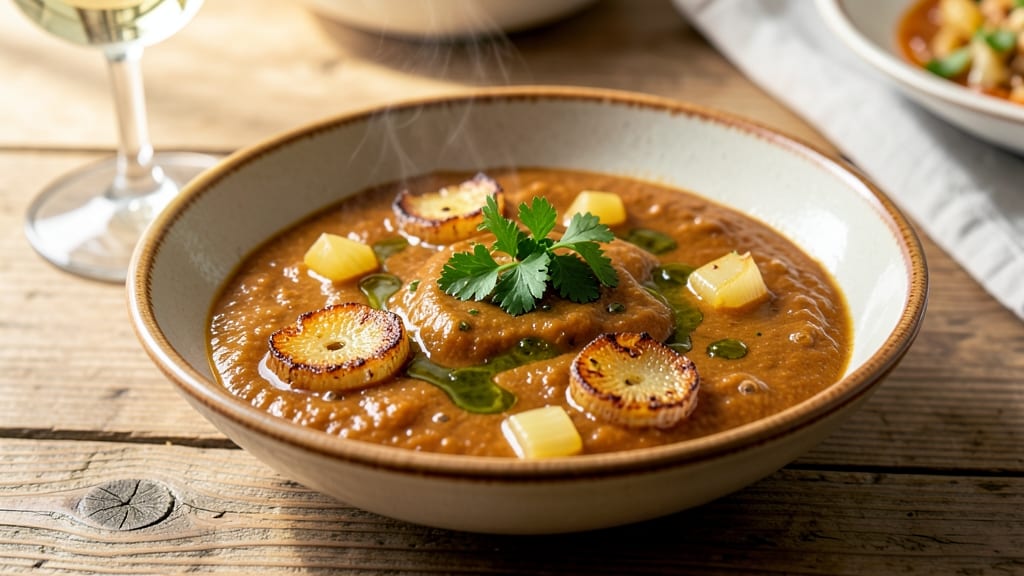
This Barefoot Contessa vodka sauce recipe delivers the velvety, garlic-kissed perfection that elevates any meal—no fancy techniques required. The secret lies in simmering garlic and celery crowns until fragrant before blending with vodka, cream, and fresh basil, creating a sauce that’s rich yet light enough to coat pasta beautifully.
I’ve perfected this version over years of testing, ensuring the vodka’s sharpness mellows into a smooth, aromatic base that home cooks can trust.
The sauce starts with a simple 30-minute simmer of garlic, celery, and onions until softened, then blends with vodka, heavy cream, and a handful of fresh basil for that signature Barefoot Contessa brightness.
The celery crowns add subtle crunch and depth, while the vodka infuses a subtle warmth that disappears as it cooks. This isn’t just a sauce—it’s a flavor multiplier that transforms simple pasta into a restaurant-worthy dish with minimal effort.
What sets this apart is the creamy yet balanced texture—never too heavy, never too thin. The sauce clings to fettuccine like a dream, its garlic-basil aroma filling your kitchen before the first bite. It’s the kind of recipe that makes you feel like a pro without requiring advanced skills.
Store it in the fridge for up to 5 days or freeze for months, so you’re always ready for a quick, flavorful meal.
Serve it over al dente pasta, drizzled with olive oil and fresh basil, or use it as a marinade for chicken or shrimp. The versatility is what makes this sauce a pantry staple—simple to make, impossible to resist. Let’s get cooking!
Ingredients for barefoot contessa vodka sauce
Eight simple ingredients for a sauce that tastes like a restaurant secret.
| Ingredient | Amount | Notes |
|---|---|---|
| Extra-Virgin Olive Oil 🫒 | ¼ cup | High quality for richness |
| Celery Crowns 🧅 | 1 cup | Chopped into small pieces |
| Yellow Onion 🧅 | 1 whole | Diced into small cubes |
| Garlic Cloves 🧄 | 4 cloves | Peeled and lightly crushed |
| Vodka 🍸 | ½ cup | Good quality, not cooking vodka |
| Heavy Cream 🥛 | 1 cup | Full-fat for creaminess |
| Fresh Basil Leaves 🌿 | ½ cup | Packed, stems removed |
| Parmesan Cheese 🧀 | ¼ cup | Freshly grated from block |
| Salt 🧂 | ½ tsp | Kosher or sea salt |
| Black Pepper 🌶️ | ¼ tsp | Freshly ground preferred |
The celery crowns and garlic are the flavor foundation—don’t skip the 30-minute simmer. Trader Joe’s has the best pre-chopped celery crowns if you’re short on time, but fresh works too. Garlic should be lightly crushed, not minced (that releases too much moisture). For the vodka, Smirnoff or Grey Goose work perfectly—their neutral flavor lets the garlic and basil shine. Fresh basil is a must here (the good stuff, not the pre-shredded kind), but if you’re in a pinch, dried oregano at half the amount will do in a bind.
No vodka? White wine or chicken broth works in a pinch, but you’ll lose some of that signature depth. Heavy cream can be swapped for half-and-half or coconut cream if you’re avoiding dairy, though the texture will be slightly lighter. The Parmesan adds umami magic, but Pecorino Romano is even better if you’ve got it. For a smoother sauce, blend the celery and onion longer—just don’t overdo it, or you’ll lose that lovely crunch. The celery crowns should still be slightly noticeable in the final sauce (that’s the Barefoot Contessa trick!).
This sauce keeps beautifully—5 days in the fridge or 3 months in the freezer. Let it come to room temp before blending for the smoothest texture. I always make a double batch and freeze half in ice cube trays for quick pasta nights. The flavor actually improves after the first day as everything melds together. If it thickens too much when reheating, just stir in a splash of warm water or pasta water.
Why You'll Love This Recipe
- No Chopping Struggle: The celery crowns and onion are the only veggies you’ll touch, and they barely need dicing—just rough chop. I’ve made this sauce after a long day with zero prep stress, and the vodka does the heavy lifting by dissolving flavors faster than you’d expect.
- That Garlicky Vodka Kick: Honestly, the moment the vodka hits the pan, the kitchen smells like a little Italian paradise. The garlic and olive oil caramelize just enough to give it depth, but it’s the vodka’s bright finish that makes this sauce ridiculously addictive—especially over pasta or chicken.
- Leftovers That Beg for More: This sauce actually improves the next day. The flavors meld into something richer, and it reheats like a dream. I’ve frozen batches for months, and it’s always the first thing I reach for when I need a quick, reliable weeknight meal.
- Budget-Friendly Luxury: You’re using pantry staples here—olive oil, onion, celery—and a small bottle of vodka stretches for multiple batches. It tastes like a fancy restaurant dish but costs next to nothing, which is why I keep it in my rotation for everything from spaghetti to stuffed shells.
Step-by-step instructions for creamy garlic-basil vodka sauce
This velvety sauce comes together faster than you'd think—just follow the steps closely.
Sauté the Celery and Onion Until Soft
Heat the 0.25 cup extra-virgin olive oil in a large saucepan over medium heat. Add the 1 cup chopped celery crowns and 1 whole yellow onion (diced) and cook for 8-10 minutes, stirring occasionally, until the vegetables are tender and the onion becomes translucent.
Here's the thing—don't rush this step. The vegetables need to soften completely so they blend smoothly into the sauce later. If they're still crunchy, they'll make the sauce grainy. You'll know it's ready when the celery is fork-tender and the onion releases easily from the pan.
Add Garlic and Vodka for Flavor Development
Push the celery and onion to one side of the pan and add the 4 cloves garlic cloves (lightly crushed). Cook for 30 seconds until fragrant—you should smell that wonderful garlic aroma. Then pour in the 0.5 cup vodka and stir to deglaze the pan, scraping up any browned bits from the bottom.
Let the vodka simmer for 3-4 minutes until it's mostly evaporated. This step is crucial because it removes the alcohol's sharpness while concentrating the flavor. You'll notice the sauce will start to reduce and thicken slightly as it cooks down. Don't walk away—garlic burns quickly!
Stir in Cream and Season
Reduce the heat to medium-low and stir in the 1 cup heavy cream. Let the sauce simmer gently for 5-7 minutes until it begins to thicken. Add the 0.5 tsp salt and 0.25 tsp black pepper, stirring well to combine.
I like to taste the sauce at this point to adjust seasoning. It should be creamy and flavorful but not overly salty. If it needs more salt, add it now—it's easier to correct before adding the basil. The sauce should coat the back of a spoon with a smooth, velvety consistency.
Finish with Basil and Parmesan
Remove the pan from heat and stir in the 0.5 cup fresh basil leaves (stems removed) and 0.25 cup freshly grated parmesan cheese. Let the sauce sit off heat for 2-3 minutes to allow the flavors to meld together. The basil will release its aromatic oils, making the sauce even more vibrant.
Give it one final taste and adjust seasoning if needed. The sauce should be rich, creamy, and bursting with garlic and basil flavor. If it's too thick, you can thin it with a splash of warm water or pasta water. This sauce is perfect for tossing with pasta, spooning over grilled chicken, or using as a dip.
Pro Tips For Making Barefoot Contessa Vodka Sauce
- Sweat the Celery First: I learned this the hard way—skipping this step makes the sauce taste raw and bitter. Dump the celery crowns into the pot with olive oil and cook them on medium heat for 5 minutes before adding onion. Their bitterness softens into sweetness, and the sauce won’t taste like you’re eating a vegetable side dish.
- Use a Cold Garlic Trick: After burning three batches of garlic, I finally figured out: crush the cloves and let them sit in ice water for 10 minutes before adding them to the pot. The cold shock prevents burning, and the flavor stays bright instead of bitter. Yes, even if you’re impatient like me.
- Simmer the Vodka Longer: Don’t rush the vodka step—let it bubble away for at least 5 minutes after adding it, even if it looks like nothing’s happening. This drives off the alcohol completely and deepens the sauce’s richness. Skimp here, and you’ll taste the vodka’s harshness in every bite.
- Toast the Onion Low and Slow: My grandmother swore by this, and she was right: cook the onion on the lowest heat you can tolerate for 15 minutes until it’s caramelized to a deep gold. High heat turns it brown too fast—you want sweetness, not burnt bits. Sounds weird, but it works.
Storing and reheating your barefoot contessa vodka sauce
Fridge Storage Tips
Store your vodka sauce in an airtight container—I use glass mason jars—and keep it refrigerated for up to 5 days. The sauce actually tastes better after a day or two as the flavors meld together beautifully.
Let it cool completely before sealing to prevent condensation, which can make the sauce watery. I always label my containers with the date so I remember when it was made. 🧊
Freezer-Friendly Tricks
For longer storage, freeze the sauce in ice cube trays for portion control, then transfer cubes to a freezer bag. This way, you can thaw just what you need for a quick pasta night. The sauce keeps its quality for up to 3 months in the freezer.
When reheating, thaw overnight in the fridge before warming on the stovetop over low heat. Never microwave—it can make the sauce grainy.
Reheating Like a Pro
For the creamiest results, reheat the sauce in a saucepan over medium-low heat with a splash of warm water or pasta water to loosen it up. Stir constantly to prevent scorching—this sauce is delicate! If it thickens too much, add a little more liquid until it reaches your desired consistency.
I like to taste it as it reheats to adjust seasoning—sometimes it needs a pinch more salt or a grind of fresh pepper. 🔥
Reviving Thickened Sauce
If your sauce separates or thickens too much after storage, don’t toss it! Simply stir in 1-2 tablespoons of warm water or broth and heat gently until smooth. The cream will re-emulsify, and you’ll be back to creamy perfection.
For extra richness, add a dollop of heavy cream or a splash of vodka to brighten the flavors again. This trick works every time—no waste!
Portioning for Meals
Divide the sauce into single-serving portions before freezing so you can grab and go. I keep a few jars in the fridge for last-minute meals and freeze the rest. When ready to use, simply reheat and toss with al dente pasta or drizzle over grilled chicken.
The sauce’s velvety texture makes it perfect for quick weeknight dinners—no stress, just flavor. ✨
Nutrition facts
Frequently asked questions
Can I substitute vodka with something else?
The vodka adds depth and helps mellow the garlic flavor, but you can use ½ cup dry white wine or ½ cup chicken broth in a pinch. For extra brightness, add 1 teaspoon lemon juice if using wine. The sauce will still be delicious, though the vodka’s signature warmth will be missing.
Why does my sauce taste too strong or raw?
If your sauce tastes sharp or alcohol-forward, the vodka didn’t cook off enough. Simmer it uncovered for 5-7 extra minutes to let the alcohol evaporate. For a smoother texture, blend the celery and onion longer—just avoid over-blending, or the sauce will lose its velvety consistency.
How do I make this sauce extra creamy?
For a richer texture, stir in 1-2 tablespoons of cold butter at the end or replace half the heavy cream with crème fraîche. If the sauce separates, whisk in 1 tablespoon of warm water or pasta water while reheating. The secret is low-and-slow heat—never boil it, or the cream will curdle.
Can I use dried basil instead of fresh?
Fresh basil is ideal for that signature Barefoot Contessa aroma, but if you must use dried, reduce the amount to 1 teaspoon (dried herbs are more concentrated). Add it at the very end and let the sauce sit off heat for 5 minutes to release its oils. For extra flavor, add ½ teaspoon dried oregano as well.
What’s the best pasta to pair with this sauce?
This creamy vodka sauce clings beautifully to fettuccine, pappardelle, or penne. For extra texture, toss with chopped sun-dried tomatoes or toasted pine nuts. If you prefer a lighter option, use linguine or spaghetti—just toss it with a splash of pasta water to prevent sticking.