
Sauces & Condiments
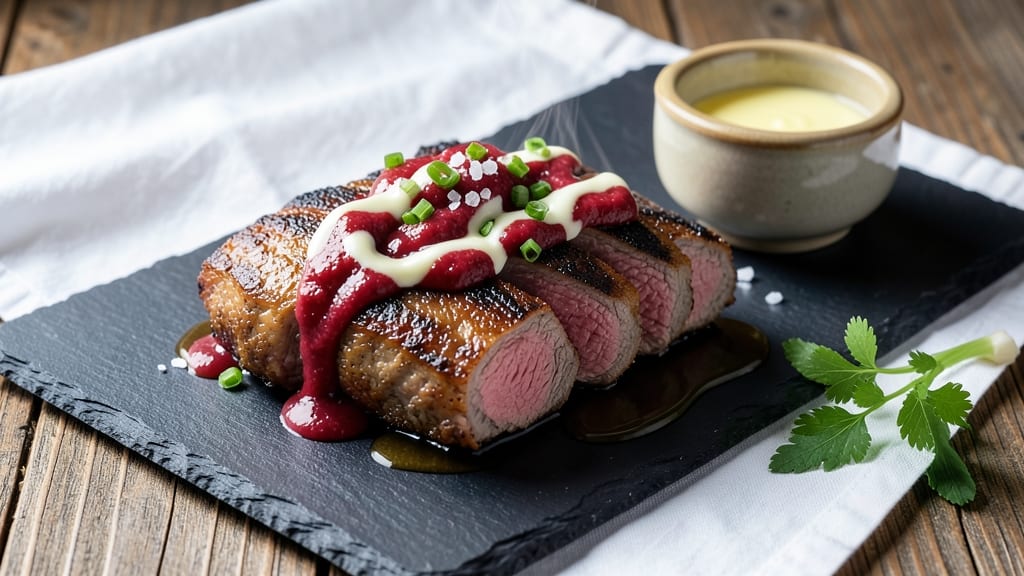
The Barefoot Contessa beef tenderloin delivers restaurant-quality results with a bold horseradish sauce that cuts through rich flavors. This recipe transforms a simple roast into an elegant centerpiece, perfect for special occasions or weekend dinners.
The secret lies in precise searing and slow roasting, ensuring a tender, juicy interior with a caramelized crust.
Inspired by Ina Garten’s signature style, this dish combines approachable techniques with refined presentation. The horseradish sauce—creamy, tangy, and slightly spicy—adds a sophisticated kick that pairs beautifully with the beef. With just a few ingredients, you’ll achieve a sauce that’s restaurant-worthy without the fuss.
What makes this recipe stand out is the balance of simplicity and elegance. A perfectly cooked tenderloin rests on a bed of roasted vegetables or creamy mashed potatoes, while the horseradish sauce ties everything together. The result? A dish that feels indulgent yet remains accessible for home cooks.
Ready in about 2 hours (including prep and resting time), this recipe is ideal for impressing guests or treating yourself to a steakhouse-worthy meal. The key steps—searing, roasting, and resting—ensure every bite is tender and flavorful. Let’s get started!
Ingredients for barefoot contessa beef tenderloin with horseradish sauce
Center-cut beef tenderloin and fresh horseradish create a restaurant-worthy centerpiece with bold, balanced flavors.
| Ingredient | Amount | Notes |
|---|---|---|
| Beef Tenderloin 🥩 | 2 lb | Center-cut, trimmed of silver skin |
| Kosher Salt 🧂 | 1 ½ tbsp | Diamond Crystal preferred, coarse grain |
| Freshly Ground Black Pepper 🌶️ | 1 tbsp | Cracked from whole peppercorns |
| Unsalted Butter 🧈 | ½ cup | Cold, cut into 1-inch cubes |
| Fresh Horseradish Root 🌿 | ¼ cup | Freshly grated, not prepared |
| Sour Cream 🥛 | ½ cup | Full-fat, chilled |
| Mayonnaise 🍳 | ¼ cup | High-quality, not low-fat |
| Fresh Lemon Juice 🍋 | 2 tbsp | Freshly squeezed, from organic lemons |
| Extra-Virgin Olive Oil 🫒 | 2 tbsp | For searing, fruity variety |
| Garlic Cloves 🧄 | 4 cloves | Peeled, smashed |
| Fresh Thyme Leaves 🌿 | ¼ cup | Chopped, from organic sprigs |
| Fresh Parsley Leaves 🌿 | ¼ cup | Chopped, for garnish |
| Yellow Onion 🧅 | 1 whole | Large, cut into wedges |
| Carrots 🥕 | 4 whole | Large, peeled, cut into chunks |
| Fresh Rosemary 🌿 | 1 sprig | For roasting vegetables |
The beef tenderloin is the star—center-cut ensures tenderness, while trimmed silver skin guarantees a clean presentation. Source from a trusted butcher or high-end grocery like Whole Foods or Balducci's for optimal marbling. For a 2-pound roast, plan on 1.5 hours of cooking time. The horseradish root should be freshly grated—prepared horseradish lacks the vibrant kick needed here. Store the root in the refrigerator, wrapped in damp paper towels, for up to 2 weeks.
No fresh horseradish root? Freshly grated wasabi (at half the amount) delivers a similar heat profile, though with a different flavor nuance. For the sauce, full-fat sour cream is non-negotiable—it creates the perfect creamy base. Substitute Greek yogurt in a pinch, but expect a slightly tangier result. The olive oil should be fruity and peppery—California Extra Virgin brands like Corto or Pompeian elevate the sauce. If you prefer a milder horseradish flavor, reduce the amount to 0.125 cup and add an extra 1 tbsp of lemon juice for brightness.
The roasted vegetables—onions, carrots, and rosemary—should be prepped while the beef rests. Store them in an airtight container in the fridge for up to 3 days before roasting. The horseradish sauce keeps 5 days in the refrigerator, sealed in an airtight jar. For longer storage, freeze in ice cube trays—thaw and whisk back to perfection. The beef tenderloin, once cooked, reheats beautifully in a 350°F oven for 10-15 minutes, covered in foil with a splash of beef broth.
Why You'll Love This Recipe
- Two-Ingredient Magic: I swear, the secret’s in the butter and horseradish—just a pat of cold butter basted over the searing tenderloin, then that sharp horseradish creamed into a velvety sauce. It’s the kind of flavor that makes you forget how little effort it took.
- Weeknight Hero: Between us, this is my go-to when I’m too tired to fuss but still want to impress. Sear, roast, slice—no basting every five minutes, no fancy plating. The horseradish sauce comes together in minutes while the meat rests, and honestly? No one ever guesses how little work went into it.
- Leftover Luxury: That tenderloin? It’s so forgiving I’ll make half a recipe just to have leftovers. Slice it thin for sandwiches the next day, or toss cold pieces into a salad with a drizzle of that same sauce. The horseradish keeps it bright even after reheating—no sad, dry meat here.
- Date Night Ready: Here’s what sold me—this feels fancy but isn’t. The rich beef, the zingy horseradish, the way the butter pools on the plate like you actually bothered with garnish. Serve it with mashed potatoes or crusty bread, and suddenly you’re hosting a dinner party without the stress. (Yes, even on a Tuesday night.)
Step-by-step instructions for beef tenderloin with horseradish sauce
Master this technique for restaurant-quality beef tenderloin with a vibrant horseradish sauce that balances richness with a sharp, refreshing kick.
Prepare and Season the Beef Tenderloin
Begin by removing the beef tenderloin from the refrigerator and patting it completely dry with paper towels. This step is critical—any moisture on the surface will prevent proper browning. Using your hands, gently massage the entire surface with the 1.5 tablespoons kosher salt and 1 tablespoon freshly ground black pepper, pressing firmly so the seasoning adheres evenly. I like to work in sections, starting with the fat cap if present, then moving to the sides and finally the ends.
Place the seasoned tenderloin on a wire rack set inside a rimmed baking sheet. This elevation allows heat to circulate evenly around the meat, preventing steam buildup that can make the exterior soggy. Let the seasoned beef rest at room temperature for 30 minutes before cooking. This brief resting period ensures even cooking from edge to center, eliminating any risk of a cold interior while the exterior browns.
Sear the Beef Tenderloin for Maximum Flavor
Preheat your oven to 425°F. Meanwhile, heat a large oven-safe skillet over medium-high heat until it's very hot. Add 2 tablespoons extra-virgin olive oil and swirl to coat the bottom evenly. Once the oil shimmers, carefully place the beef tenderloin in the skillet, fat-side down if applicable, and sear for 4 minutes without moving it. You'll hear a satisfying sizzle as the meat releases its natural juices and begins to develop a deep golden-brown crust.
Flip the tenderloin and sear the other side for another 4 minutes. The goal is to create a flavorful crust through the Maillard reaction while keeping the interior perfectly pink. Transfer the skillet to the preheated oven and continue roasting for 15-20 minutes, or until the internal temperature reaches 125°F for medium-rare. Use a meat thermometer to check—this is the only reliable way to ensure perfect doneness every time.
Prepare the Horseradish Sauce
While the beef roasts, prepare the horseradish sauce by grating 0.25 cup fresh horseradish root using a fine grater or food processor. The freshly grated horseradish will have a vibrant green color and a sharp, peppery bite that's essential for balancing the richness of the beef. In a medium bowl, combine the grated horseradish with 0.5 cup sour cream, 0.25 cup mayonnaise, 2 tablespoons fresh lemon juice, and 0.25 cup chopped fresh thyme leaves. Mix gently but thoroughly to combine all ingredients without overworking the mixture.
Taste the sauce and adjust the seasoning as needed. If it needs more acidity, add a splash of additional lemon juice. If it's too sharp, a small pinch of salt can help mellow the flavor. Cover the bowl and set aside while the beef finishes cooking. The sauce should be thick, creamy, and ready to elevate the tenderloin with its signature zing.
Roast the Vegetables and Complete the Dish
While the beef rests, prepare the vegetables by tossing 1 whole yellow onion cut into wedges, 4 whole carrots cut into chunks, and 1 sprig fresh rosemary with 0.5 cup unsalted butter cut into cubes. Spread them evenly on a separate baking sheet and roast in the oven at 425°F for 20-25 minutes, until the vegetables are tender and caramelized. The butter will melt and create a rich, flavorful glaze that complements the beef perfectly.
Remove the beef from the oven and transfer it to a cutting board. Tent loosely with aluminum foil and let it rest for 15 minutes before slicing. This resting period allows the juices to redistribute throughout the meat, ensuring each slice remains succulent and tender. During this time, stir the roasted vegetables and toss them with 0.25 cup chopped fresh parsley leaves for a pop of color and freshness.
Slice and Serve with Horseradish Sauce
After the beef has rested, slice it against the grain into 1-inch thick portions. The grain will be visible as subtle lines running through the meat. Serve the sliced beef immediately, accompanied by the roasted vegetables and a generous dollop of the prepared horseradish sauce. The contrast between the tender, juicy beef and the sharp, creamy horseradish sauce creates a harmonious balance of flavors that's both elegant and satisfying.
For an extra touch of sophistication, garnish each serving with an additional sprinkle of fresh parsley leaves and a pinch of freshly ground black pepper. The dish is best served immediately, allowing guests to experience the full depth of flavors while the beef is at its peak tenderness and the sauce is still vibrant.
Pro Tips For Making Barefoot Contessa Beef Tenderloin With Horseradish Sauce
- USE A MEAT THERMOMETER: I learned this the hard way—beef tenderloin looks done before it actually is. Pull it at 125°F for medium-rare (yes, even if it seems undercooked to your eyes), then let it rest. That final carryover heat guarantees perfect doneness without drying it out.
- PEEL AND GRATE HORSERADISH FRESH: Store-bought horseradish sauce lacks the bright, sharp kick of freshly grated root. Use a box grater or food processor, then mix it with a splash of vinegar or lemon juice right before combining with the butter—it keeps the flavor vibrant and prevents bitterness.
- SEAR IN BATCHES: Don’t crowd the pan when searing the tenderloin. Work in batches if needed—overloading steals heat, and you’ll end up with steamed meat instead of a golden crust. A hot pan and a little patience make all the difference.
- REST UNDER FOIL: Skip the tented tray—resting the tenderloin loosely wrapped in foil for 10-15 minutes keeps it warm while letting the juices redistribute. I used to skip this, and the slices always came out dry. (Your future self will thank you.)
Pro cooking tips for this recipe
Searing Secrets
For that perfect crust, sear the beef tenderloin in a hot, dry skillet until it reaches a deep golden brown—this takes about 4 minutes per side.
I use a cast-iron skillet heated to medium-high heat for even browning. The key? Don’t move the beef during searing—let the Maillard reaction work its magic. 🔥
Temperature Control
After searing, transfer the skillet to a 425°F oven and cook until the internal temperature hits 125°F for medium-rare. A meat thermometer is non-negotiable here—guessing leads to overcooked or undercooked beef. For extra precision, I like the Thermoworks Smoke for its dual-probe accuracy.
Resting Matters
Let the beef rest for 15 minutes before slicing—this is where the magic happens. The juices redistribute, ensuring every bite is tender and moist. I cover it loosely with foil to keep it warm without steaming. Trust me, skipping this step means dry, tough slices. ⏰
Horseradish Sauce Tips
Freshly grated horseradish is a game-changer—it’s sharper and more vibrant than prepared versions. For a milder kick, reduce the amount to 0.125 cup and add an extra 1 tbsp lemon juice. Mix the sauce just before serving to preserve its creamy texture and zesty punch.
Vegetable Roasting
Roast the onions and carrots at 425°F for 20-25 minutes until caramelized—this adds depth to the dish. Toss them with 0.5 cup cold butter and fresh rosemary for a rich, aromatic glaze. The butter should be cold and cubed to prevent burning. 🌿
Plating Like a Pro
Slice the beef against the grain for maximum tenderness, then fan the slices over a bed of roasted vegetables. Dollop the horseradish sauce alongside—its creamy texture contrasts beautifully with the beef’s richness. Garnish with fresh parsley and a pinch of black pepper for a restaurant-worthy finish. ✨
Nutrition facts
Frequently asked questions
Can I substitute horseradish root with prepared horseradish?
Freshly grated horseradish root delivers the best flavor and texture, but you can use prepared horseradish in a pinch. For a 0.25 cup fresh requirement, use 2 tablespoons of prepared horseradish. However, the sauce will be slightly milder and less vibrant. If using prepared horseradish, add an extra 1 teaspoon lemon juice to brighten the flavor.
How do I adjust the cooking time for a larger tenderloin?
For every additional 1 pound of beef tenderloin, add 10-15 minutes to the roasting time. A 3-pound tenderloin will take about 25-30 minutes after searing to reach 125°F internal temperature. Use a meat thermometer to check doneness—never rely on time alone. The resting time remains 15 minutes regardless of size.
What's the best way to reheat leftover beef tenderloin?
Reheat sliced beef tenderloin in a 350°F oven for 10-15 minutes on a baking sheet, covered loosely with foil. Add a splash of beef broth to keep it moist. For the horseradish sauce, reheat gently in a saucepan over low heat for 2-3 minutes, stirring constantly to prevent curdling. Never microwave—it destroys the sauce's creamy texture.
Can I make the horseradish sauce ahead of time?
Yes, but with a caveat: the sauce keeps well for 5 days in the refrigerator, stored in an airtight container. For longer storage, freeze in ice cube trays—thaw and whisk before using. However, freshly prepared sauce has the brightest flavor. If making ahead, reduce the lemon juice slightly (1.5 tablespoons) since the sauce will mellow over time.
What's the secret to perfectly caramelized roasted vegetables?
Use cold, cubed butter and roast at 425°F for 20-25 minutes until deeply caramelized. The key is patience—don't rush! Toss the vegetables with fresh rosemary and a pinch of salt before roasting. For extra flavor, add a splash of balsamic vinegar in the last 5 minutes of cooking. The butter should melt into a rich glaze without burning.