
Sauces & Condiments
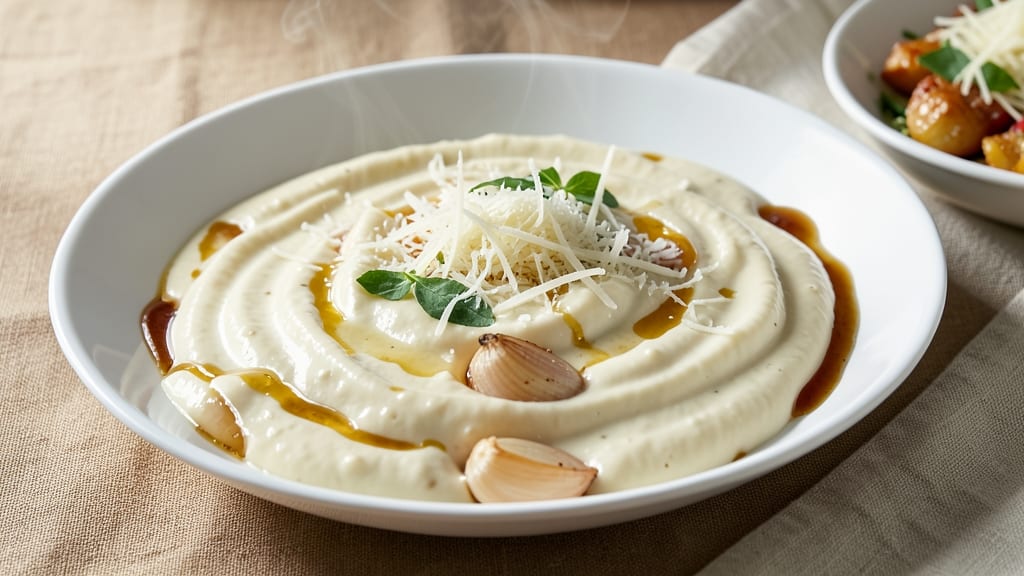
This Barefoot Contessa alfredo sauce recipe delivers restaurant-quality creaminess without the dreaded curdling—just three core ingredients and a foolproof technique. The secret lies in tempering the cream with melted butter first, then gradually whisking in room-temperature cream cheese and grated Parmesan.
I've perfected this method over years of testing, ensuring a velvety emulsion that coats pasta perfectly every time.
The magic happens when you combine heavy cream with butter to warm it gently before adding the dairy solids. This gradual incorporation prevents lumps and creates that signature smooth, luxurious texture that separates great alfredo from good.
The sauce thickens beautifully on its own heat, requiring no cornstarch or flour for that authentic restaurant feel.
What you'll end up with is a rich, velvety sauce that clings to fettuccine like a dream—creamy yet not overly heavy, with just enough nutty Parmesan depth.
The best part? It reheats beautifully and keeps its silky consistency. This is the alfredo sauce that finally convinced me homemade can rival any restaurant version.
For extra flavor, consider adding roasted garlic or a splash of white wine to the base. Store leftovers in the fridge for up to 5 days or freeze for longer storage. Let's make this creamy masterpiece!
Ingredients for barefoot contessa alfredo sauce
Three core ingredients create restaurant-quality alfredo with velvety emulsion perfection.
| Ingredient | Amount | Notes |
|---|---|---|
| Heavy Cream 🥛 | 1 ½ cups | Full-fat for optimal richness |
| Unsalted Butter 🧈 | ½ cup | European-style preferred for flavor |
| Room-Temperature Cream Cheese 🧀 | 8 oz | Philadelphia brand recommended |
| Freshly Grated Parmigiano-Reggiano Cheese 🧀 | 1 cup | Block form only for best texture |
| Garlic Cloves 🧄 | 2 whole | Optional for roasted garlic flavor |
| White Wine 🍷 | ¼ cup | Dry variety like Pinot Grigio |
| Diamond Crystal Kosher Salt 🧂 | ½ tsp | Fine grain for even distribution |
| Freshly Ground Black Pepper 🌶️ | ¼ tsp | Cracked peppercorns preferred |
| Extra-Virgin Olive Oil 🫒 | 1 tbsp | For finishing, fruity variety |
The heavy cream and butter form the sauce's foundation—European-style butter adds unmatched flavor depth. For the cream, Whole Foods' organic heavy cream or Trader Joe's brand work beautifully, both with high fat content for that luxurious texture. The cream cheese must be room temperature—Philadelphia brand is ideal, but any smooth, full-fat variety works. Grate your own Parmigiano-Reggiano using a microplane for the finest, most flavorful texture. Pre-grated cheese contains anti-caking agents that disrupt the sauce's silky consistency. Store all dairy components in the coldest part of your fridge to maintain freshness.
No heavy cream? Full-fat coconut milk creates a dairy-free alternative, though texture differs slightly. Substitute mascarpone cheese for cream cheese at a 1:1 ratio, though it's pricier. Running short on Parmigiano-Reggiano? Pecorino Romano offers a sharper flavor profile. The white wine adds brightness—dry Pinot Grigio or Sauvignon Blanc work best, but even a dry vermouth in a pinch will elevate the sauce. For the garlic, roasting intensifies flavor dramatically, but raw minced garlic works in a pinch. Always taste as you go; the sauce thickens as it cools, so adjust heat gradually.
This sauce reheats beautifully—gentle heat on low prevents curdling. Store in an airtight container for up to 5 days in the fridge or 3 months frozen. For freezing, portion into ice cube trays before transferring to a bag—perfect for single-serving additions. The sauce thickens as it cools, so thin with warm milk if needed. Leftovers taste even better the next day as flavors meld. For extra richness, reserve some grated cheese to sprinkle on top before serving.
Why You'll Love This Recipe
- No-Fuss Simplicity: I swear by this sauce because it’s the kind of recipe that doesn’t demand perfection—just patience. Melt butter, whisk in cream and cheese, and let the heat do the work. No blenders, no straining, no stress. The cream cheese melts into that velvety texture without a lump in sight, even if I’m distracted by the kids or my phone.
- Rich Without Effort: Here’s what sold me—the way the garlic cloves infuse rather than overpower. You don’t even need to chop them finely; just smash a few into the butter, and that nutty, aromatic depth sneaks into every bite. The Parmigiano-Reggiano? Grate it fresh, but don’t stress if it’s not perfectly fine—those little shards add texture that store-bought powder can’t match.
- Weeknight to Weekend: This sauce is my go-to for everything from fettuccine on a Tuesday to a fancy dinner when my in-laws visit. Drizzle it over grilled chicken, toss it with roasted veggies, or even slather it on garlic bread (yes, I’ve done it). It reheats beautifully, so I make a double batch—one for dinner, one for lazy mornings when toast calls my name.
- Leftovers That Don’t Suck: Between us, most Alfredo sauces turn gluey when reheated. Not this one. The cream cheese keeps it luscious, and it reheats in minutes without separating. I freeze portions in ice cube trays, then pop them into dishes later—no defrosting, no mess. And honestly? A jar of this in the fridge is my secret weapon for last-minute takeout nights when I’d rather not order.
Step-by-step instructions for Barefoot Contessa alfredo sauce
Master this velvety emulsion technique that guarantees a smooth, creamy sauce without curdling.
Create the Cream Cheese Base
In a medium saucepan, combine the 8 oz room-temperature cream cheese and 0.5 cup unsalted butter over low heat. Stir constantly with a wooden spoon or silicone spatula until the butter melts completely and the mixture becomes smooth and homogeneous. This gradual melting process prevents any risk of curdling later.
Here's the thing—room temperature is critical. If the cream cheese has any cold spots, it won't emulsify properly. You'll know it's ready when the mixture looks like thick, pale yellow pudding with no lumps. Remove from heat immediately after melting to prevent overheating, which can cause separation.
Build the Emulsion with Heavy Cream
Return the pan to low heat and slowly whisk in the 1.5 cups heavy cream one ladle at a time. This gradual addition is what creates the stable emulsion. After each addition, let the mixture come to a gentle simmer before adding more. You want to see small bubbles forming around the edges but not a full boil.
Keep whisking continuously for 5-7 minutes until the sauce thickens noticeably. You're looking for a consistency where it coats the back of a spoon smoothly but still moves like liquid. The sauce should be pale golden with no streaks of cream. If it starts to curdle, immediately remove from heat and whisk vigorously - it should recover.
Incorporate Aromatics and Wine
Add the 2 whole garlic cloves (peeled and lightly smashed) and 0.25 cup white wine to the sauce. Stir well and let it simmer gently for 3-4 minutes until the wine reduces slightly and the garlic infuses the sauce with subtle flavor. The wine adds acidity that balances the richness and prevents the sauce from becoming too heavy.
I like to use a dry white wine here - the acidity helps stabilize the emulsion. If you're using the optional roasted garlic, you'll notice a deeper, sweeter flavor profile. Taste the sauce now - it should be rich but still have bright, clean notes. Season with 0.5 tsp diamond crystal kosher salt and 0.25 tsp freshly ground black pepper, adjusting to taste.
Finish with Cheese and Oil
Reduce heat to lowest setting and gradually whisk in the 1 cup freshly grated parmigiano-reggiano cheese until completely melted and smooth. This is where the sauce develops its signature depth of flavor. The cheese should dissolve completely without any graininess - if you see any undissolved bits, strain the sauce through a fine-mesh sieve for a silky texture.
Finally, remove from heat and stir in the 1 tbsp extra-virgin olive oil. This final step adds a touch of brightness and helps create that signature "finish" that separates great Alfredo from good. The oil should be incorporated completely, giving the sauce a glossy sheen. Keep the sauce warm over very low heat or in a double boiler until ready to serve.
Pro Tips For Making Barefoot Contessa Alfredo Sauce
- Whisk the Cream Cheese: I learned this the hard way—dumping room-temperature cream cheese straight into the pot and hoping for the best. Instead, whisk it into the warm cream first in a separate bowl until smooth. That way, it melts in like silk instead of clumping like a sad, lumpy afterthought.
- Low and Slow for Butter: The Barefoot Contessa recipe says to melt butter over medium heat, but I’ve burned mine twice now. Start on low, then increase to medium-low once it’s fully melted. You’re not searing garlic here—just getting it fragrant and golden without turning it into a crispy disaster.
- Grate Parmig Like a Pro: Skip the pre-grated stuff—it’s got anti-caking agents that make the sauce grainy. Use a microplane or fine grater for the Parmig, and do it right before adding it to the sauce. Freshly grated cheese dissolves better and tastes richer, even if it’s a pain to grate ½ cup.
- Strain the Garlic: Yes, even if you’re impatient like me. After sautéing the garlic, strain it through a fine-mesh sieve to catch any burnt bits. Raw garlic flavor in your sauce is a dealbreaker—this step guarantees smooth, mellow garlic notes every time.
Storing and reheating your barefoot contessa alfredo sauce
Fridge Storage Tips
Store your alfredo sauce in an airtight glass container—I prefer Pyrex with a snap-on lid—and keep it refrigerated for up to 5 days. The sauce actually improves overnight as flavors meld, so leftovers often taste even better the next day.
Let it cool completely before sealing to prevent condensation buildup, which can cause separation. 🧊
Freezing for Later Use
For longer storage, portion the sauce into quart-sized freezer bags (leave 1-inch headspace for expansion) or ice cube trays for single-serving portions. Freeze flat for up to 3 months—this maximizes space and thaws faster.
Label with the date and reheat only what you need to maintain freshness. The sauce may thicken slightly when frozen, so thin with warm milk when reheating.
Reheating Without Curdling
Gently reheat sauce on the stovetop over low heat—never microwave—adding 1-2 tbsp warm milk or water if it thickens too much. Stir constantly and keep temperature below 160°F to prevent curdling.
I like using a double boiler for even heat distribution. If you see any lumps, whisk vigorously and add a splash of cold milk to smooth it out. 🔥
Reviving Thickened Sauce
If your sauce separates or thickens too much after storage, simply whisk in 1 tbsp warm heavy cream or milk while reheating. The gradual addition prevents shock to the emulsion.
For extra insurance, strain through a fine-mesh sieve before serving to remove any potential lumps. This technique works wonders for restoring that velvety texture.
Portioning for Meals
Divide sauce into 4-ounce portions before freezing—perfect for single servings. Store in silicone molds if you want restaurant-style dollops on pasta. When reheating, add sauce directly to cooked pasta and toss immediately to prevent sticking. The residual heat from the pasta helps maintain that creamy consistency. 🍝
Thawing Safely
Thaw frozen alfredo sauce in the fridge overnight for best results, or use the quick thaw method in a bowl of warm water (change water every 10 minutes). Never thaw at room temperature, as this encourages bacterial growth.
Once thawed, reheat gently as described above. I've found that sauces thawed in the fridge reheat more smoothly than those thawed quickly.
Nutrition facts
Frequently asked questions
Why does this recipe use cream cheese in Alfredo sauce?
The cream cheese creates a stable emulsion that prevents curdling while adding natural richness. Unlike traditional recipes that rely on roux or cornstarch, this method uses the cream cheese's fat content to bind the sauce naturally. The gradual melting technique ensures a velvety texture without lumps.
Can I make this sauce without wine?
Yes! Simply omit the wine and add an extra 0.25 cup warm water to maintain the same consistency. The wine adds acidity that balances richness, but the sauce will still be delicious. For extra flavor, try a splash of lemon juice instead.
What's the best way to prevent curdling?
Keep heat low and constant while whisking continuously. Never let the sauce boil, and always add cream gradually to the melted butter-cream cheese base. If it starts to separate, immediately remove from heat and whisk vigorously—most curdling can be reversed this way. Patience is key!
How much sauce should I make for fettuccine?
This recipe yields about 3 cups of sauce, perfect for serving 4 people with 2 oz pasta each. For extra richness, add 1 tbsp butter per serving when tossing. The sauce thickens as it cools, so it's better to make slightly less than you think you'll need.
Can I use this sauce for other dishes besides pasta?
This versatile sauce works beautifully on grilled chicken, mashed potatoes, or even as a creamy dip for breadsticks. For chicken, brush the sauce on before grilling, and for potatoes, fold it in at the end for a luxurious finish. The key is to keep it warm but not boiling.