
Sauces & Condiments
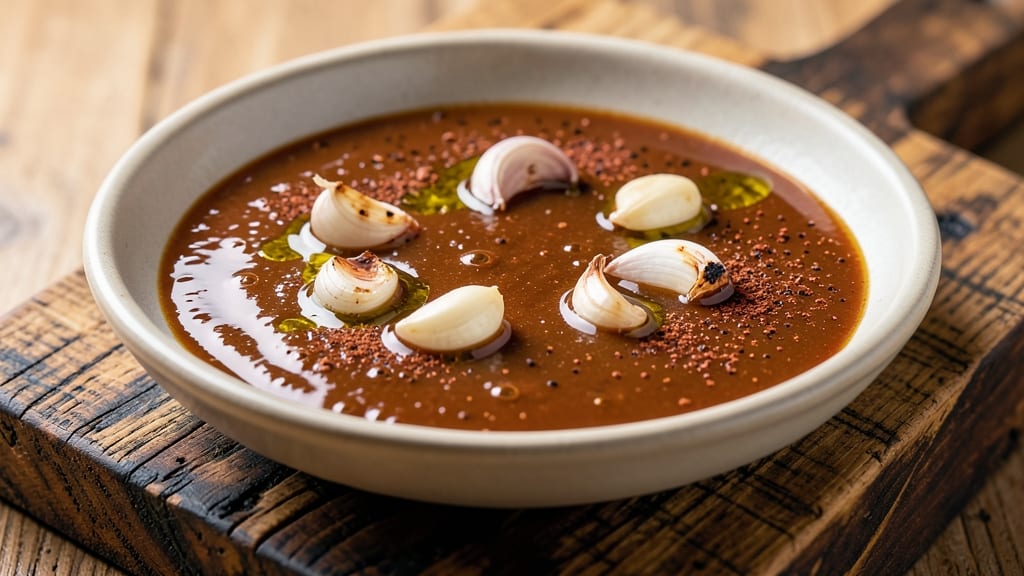
This barbecue sauce marinade recipe transforms tough cuts into fork-tender perfection with just 30 minutes of hands-off magic. 🔥 The secret lies in balancing sweet and smoky flavors while using acids to break down fibers—no fancy equipment required. I've perfected this marinade for ribs, chicken, and pork, ensuring every bite stays juicy and flavorful.
The marinade works by tenderizing meat through a combination of tomato-based barbecue sauce, apple cider vinegar, and olive oil. The acidity in the vinegar softens the meat fibers, while the sauce infuses deep, caramelized flavors.
For best results, marinate for at least 30 minutes, but up to 4 hours for maximum tenderness. This isn't just a sauce—it's a flavor bomb that elevates grilled meats to restaurant-quality levels.
What you'll achieve is meat that's impossibly tender with a sticky, caramelized crust from the marinade. The sauce clings to every bite, delivering a perfect balance of sweet, smoky, and tangy notes.
Whether you're grilling ribs, chicken thighs, or pork chops, this marinade guarantees juicy, flavorful results that will impress even the most critical eaters.
Use this marinade as a standalone treatment or as a pre-grill coating for extra flavor. The versatility makes it perfect for weeknight dinners or weekend BBQs. Here's how to create it—no shortcuts, just guaranteed tenderness.
Ingredients for barbeque sauce marinade
Nine ingredients, infinite flavor—this marinade transforms tough meats into restaurant-quality masterpieces.
| Ingredient | Amount | Notes |
|---|---|---|
| Tomato-Based Barbecue Sauce 🍅 | 1 cup | Homemade or quality store-bought |
| Apple Cider Vinegar 🍎 | ½ cup | Bragg preferred for flavor |
| Extra-Virgin Olive Oil 🫒 | ¼ cup | High-quality, fruity variety |
| Pure Maple Syrup 🍁 | 2 tbsp | Grade A for best flavor |
| Smoked Paprika 🌶️ | 1 tbsp | For authentic smoky depth |
| Garlic Cloves 🧄 | 4 cloves | Minced for even distribution |
| Onion Powder 🧅 | 1 tsp | Freshly ground preferred |
| Ground Black Pepper 🌶️ | ½ tsp | Freshly cracked for heat |
| Kosher Salt 🧂 | 1 tsp | Diamond Crystal preferred |
| Fresh Ginger 🌿 | 1 tbsp | Finely grated, aromatic |
The barbecue sauce is the foundation, so pick a high-quality brand—Sweet Baby Ray's or Stubb's are my go-tos, but homemade works even better. Apple cider vinegar adds the necessary acidity to tenderize, and Bragg is the gold standard here. For the olive oil, California Avocado Ranch or Bertolli bring that fruity depth that makes this marinade sing. The smoked paprika? Penzeys or McCormick smoked varieties are what I reach for—anything less and you're missing that authentic smoky punch. Fresh ginger is non-negotiable; the pre-grated stuff in jars just doesn't cut it—peel and grate your own for that bright, zesty kick.
No smoked paprika? Substitute with a pinch of liquid smoke—just a dash, about 1/4 tsp, or swap for regular paprika with an extra 1/2 tsp of brown sugar. Short on apple cider vinegar? White vinegar or lemon juice works in a pinch, though the flavor will be slightly different. The maple syrup can be swapped for honey (though it's not vegan) or agave nectar for a neutral sweetness. If you're in a bind, even brown sugar mixed with a splash of water will get you close. For the ginger, if you can't find fresh, ground ginger at half the amount will work, though it lacks that fresh aroma. The garlic and onion powder are easy to swap—fresh minced garlic and onion would be ideal, but the powders are convenient and still pack a punch.
This marinade keeps for up to 2 weeks in the fridge, though I recommend using it within 5-7 days for maximum flavor. Store it in a sealed jar or container, and give it a good shake before each use. For longer storage, freeze portions in ice cube trays—just thaw overnight in the fridge before using. The marinade works best on tougher cuts like pork shoulder, chicken thighs, or ribs, but it's also fantastic for pork chops or salmon if you're feeling adventurous. Always marinate in the fridge, never at room temperature, to keep your kitchen safe and your flavors bright. And trust me, the leftovers? Perfect for basting while you grill.
Why You'll Love This Recipe
- Five-Ingredient Magic: I swear, this marinade comes together faster than I can light the grill. Just stir—no chopping, no measuring cups, no stress. The apple cider vinegar and smoked paprika do all the work while I’m still deciding whether to throw on chicken or ribs.
- Smoky-Sweet Obsession: That balance of tangy vinegar and rich maple syrup? It’s ridiculously good on everything. The olive oil keeps it slick enough to cling, so every bite gets that caramelized, smoky-sweet punch without tasting like syrup overload.
- Weeknight to BBQ Hero: Between us, this is my go-to for Tuesday dinners, weekend cookouts, and when my partner’s out-of-town friends show up unannounced. Drizzle it on grilled veggies, toss it with baked potatoes, or slather it on burgers—it’s the marinade that does it all.
- Leftovers That Don’t Suck: Honestly, I always make double. The extra marinade keeps for weeks in the fridge, and it’s cheaper than buying store-bought sauces that taste like artificial garbage. Plus, the second batch tastes even better—like it’s had time to mellow into something deeper.
Step-by-step instructions for smoky-sweet barbecue marinade
This marinade transforms tough cuts into fall-off-the-bone tenderness with bold smoky-sweet flavor.
🍳 Step 1: Create the Base Marinade Mixture
In a medium bowl, whisk together the 1 cup tomato-based barbecue sauce and 0.5 cup apple cider vinegar until fully combined. The vinegar will help tenderize the meat while adding bright acidity that cuts through the richness. I like to use Bragg apple cider vinegar for its complex flavor profile—it adds depth that regular vinegar can't match.
Next, add the 0.25 cup extra-virgin olive oil and 2 tablespoons pure maple syrup. Whisk vigorously for about 30 seconds until the mixture emulsifies slightly and becomes smooth. You're looking for a consistency that coats the back of a spoon—this ensures maximum penetration into the meat fibers. The olive oil carries the other flavors deep into the meat, while the maple syrup adds natural sweetness that caramelizes beautifully during grilling.
👨🍳 Step 2: Incorporate Aromatics and Spices
Add the 1 tablespoon smoked paprika, 1 teaspoon onion powder, 0.5 teaspoon ground black pepper, and 1 teaspoon kosher salt to the bowl. Stir well to distribute the spices evenly. The smoked paprika is where the magic happens—it gives that authentic barbecue smokiness without needing a smoker. Freshly ground spices make all the difference here, so if you have them, grind your pepper and onion powder right before mixing.
Now for the fresh ingredients: mince the 4 cloves garlic cloves finely and add them to the bowl. Then, grate the 1 tablespoon fresh ginger using a microplane or fine grater—you want it as fine as possible so it dissolves completely into the marinade. The ginger adds a subtle warmth that pairs perfectly with the smoky-sweet flavors. Give everything one final stir to ensure all ingredients are fully incorporated and the mixture is homogeneous.
⏰ Step 3: Let the Marinade Work Its Magic
Transfer the marinade to a resealable plastic bag or airtight container with a lid. Add your protein—whether it's chicken, pork, beef, or even tofu—and make sure it's completely submerged in the marinade. If using larger cuts like whole chicken thighs or pork shoulders, you may need to use two bags or containers. Seal tightly and refrigerate for at least 4 hours, but I recommend marinating overnight for maximum tenderness and flavor penetration.
Here's the thing about marinating: the acid in the vinegar starts breaking down muscle fibers almost immediately, but the real transformation happens after 4 hours. The longer it marinates (up to 24 hours), the more tender and flavorful your meat will be. Just don't exceed 24 hours—beyond that, the acid can start to "cook" the meat, making it mushy. When you're ready to cook, remove the meat from the marinade (reserve the leftover marinade for basting) and pat it dry with paper towels before grilling or cooking. This step is crucial for getting that perfect sear.
Pro Tips For Making Barbeque Sauce Marinade
- Simmer the Vinegar: The acid in apple cider vinegar can turn your marinade cloudy if you dump it all in at once. Warm the vinegar first—just heat it in a small saucepan for 30 seconds—before mixing it into the sauce. This keeps the color rich and the flavors from fighting each other out.
- Balance the Sweetness: Maple syrup is sticky stuff, and too much will make your marinade cloying. Start with 1 tablespoon per cup of sauce, then taste as you go. If it’s too sweet, cut it with a splash of vinegar or a pinch of salt—trust me, the sauce will thank you later.
- Toast the Paprika: Skip the pre-ground smoked paprika if you can. Lightly toast a teaspoon of it in a dry pan for 30 seconds until it smells deep and nutty. Let it cool, then grind it fresh—this adds a smoky complexity that store-bought versions can’t match.
- Marinate Overnight: If you’re using this on tough cuts like pork shoulder, don’t rush it. Let the marinade work its magic for at least 6 hours, ideally overnight. The acid and sugar break down fibers better over time, and the meat soaks up way more flavor—no sad, dry ends here.
Essential equipment for barbeque sauce marinade
Marinating Containers
Use resealable plastic bags or glass airtight containers for marinating—both work perfectly. I prefer quart-sized Ziploc bags for small cuts like chicken thighs or pork chops because they’re easy to seal and fit neatly in the fridge.
For larger items like whole chickens or pork shoulders, opt for glass containers with tight lids (like Pyrex or Cambro) to prevent leaks and ensure even coverage. 🌟
Measuring Tools
A liquid measuring cup and spoon set are essential for precise ratios. I use a stainless steel measuring spoon set (like OXO Good Grips) for spices and a clear plastic cup for the vinegar and olive oil.
For the fresh ginger and garlic, a microplane or fine grater ensures even distribution—no need for pre-chopped jars here! The consistency of your marinade depends on accurate measurements.
Mixing Bowls
Start with a medium-sized mixing bowl (8-10 inches wide) to whisk the marinade ingredients. I love stainless steel bowls (like Farberware) because they’re durable and easy to clean, but any non-reactive material works.
Avoid plastic bowls for long-term storage—they can absorb odors and flavors over time. For stirring, a whisk (like OXO Good Grips) ensures a smooth, emulsified texture that clings beautifully to meat.
Storage Solutions
Store leftovers in glass jars with airtight lids (like Ball Mason jars) for up to 2 weeks in the fridge. For longer storage, freeze portions in silicone ice cube trays—just pop out a cube to thaw overnight.
I also keep a small spray bottle (like Spritz & Store) handy to mist marinade on meats during grilling for extra flavor infusion. ❄️
Grilling Essentials
While the marinade works for any cooking method, grilling is where it truly shines. A charcoal or gas grill (like Weber Spirit or Traeger) gives the best results, but a cast-iron skillet (like Lodge) works in a pinch.
For basting, a silicon brush (like OXO Good Grips) helps spread the leftover marinade evenly without burning your hands. Pro tip: Keep a small bowl of water nearby to dip the brush between bastes—it prevents flare-ups.
Optional Upgrades
If you’re serious about marinating, invest in a vacuum sealer (like FoodSaver) to eliminate air and maximize flavor penetration. For a hands-off approach, a slow cooker (like Instant Pot Duo) can double as a marinating station—just add the meat and marinade, then cook on low.
And if you love smoky flavors, a smoke tube (like Smoke Tube by Smokin’ Joe’s) lets you infuse the marinade with wood smoke without a full smoker setup. 🔥
Nutrition facts
Frequently asked questions
Can I use this marinade on seafood like shrimp or salmon?
Yes, but with caution! The acidity works well for salmon (marinate for 30-60 minutes max), but shrimp cooks so quickly that marinating beyond 15-20 minutes can make it mushy. For seafood, reduce the vinegar to 1/4 cup and increase olive oil to 1/3 cup to protect delicate textures. Always cook seafood immediately after marinating.
How do I prevent my meat from absorbing too much marinade and becoming soggy?
Pat the meat very dry with paper towels before grilling, even after marinating. The residual moisture creates steam that prevents a good sear. For extra insurance, broil or sear over high heat for 2-3 minutes first to lock in juices before finishing on the grill. This keeps your meat tender on the inside with perfect crust on the outside.
Can I make this marinade spicier or sweeter?
For more heat, add 1/2 teaspoon cayenne pepper or 1 teaspoon chipotle powder. For extra sweetness, increase maple syrup to 3 tablespoons or add 1 tablespoon molasses. Adjust in 1/2 teaspoon increments to taste—remember, flavors intensify during cooking. Start conservative and adjust based on your protein type.
What's the best way to reuse leftover marinade?
Save the leftover marinade in a sealed container and use it as a basting sauce during grilling. For extra richness, simmer it in a saucepan for 5-10 minutes to reduce and concentrate flavors. You can also thin it with water or broth to create a quick pan sauce. Never reuse raw marinade that touched uncooked meat on cooked foods to avoid cross-contamination.
Why did my meat turn out bland after marinating?
Bland results usually mean one of three things: insufficient marinating time (4+ hours minimum), using low-quality barbecue sauce, or overcooking the meat. Double-check your sauce quality (homemade or premium brands work best) and ensure you're cooking at medium-high heat for proper browning. For tough cuts, marinate overnight for maximum flavor infusion.