
Sauces & Condiments
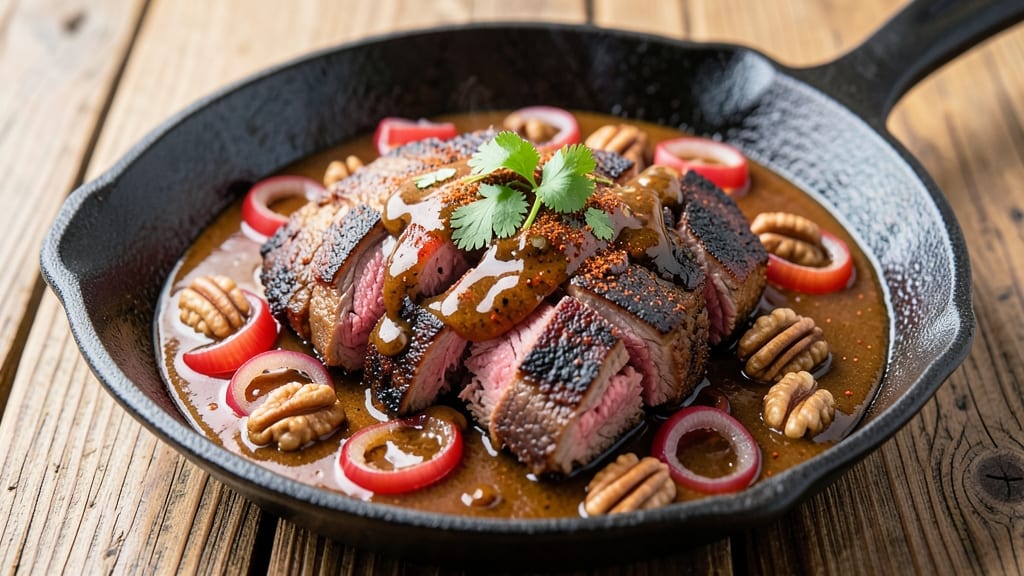
This Bar B Barn sauce recipe delivers the perfect balance of smoky depth and subtle horseradish kick that elevates any grilled dish. The slow-simmered process transforms simple ingredients—tomato paste, apple cider vinegar, and molasses—into a rich, velvety sauce with layers of complexity.
I developed this version after years of perfecting the art of barbecue sauces, ensuring every batch achieves that ideal harmony of sweet, tangy, and just enough heat.
The secret to this sauce lies in its slow cooking method, which allows flavors to meld and intensify over 45 minutes on the stovetop. The horseradish adds a bright, peppery note that cuts through the richness, while smoked paprika and a touch of liquid smoke infuse that signature barbecue aroma.
Unlike many store-bought sauces, this one doesn’t rely on artificial flavors—just real ingredients and patience.
What makes this sauce truly special is its versatility. Use it as a glaze for ribs, a marinade for chicken, or a dipping sauce for fries—it’s equally at home on the grill or in your favorite slow cooker recipe.
The texture is thick enough to cling to meats but still smooth enough to drizzle, making it the perfect all-purpose barbecue companion.
Once you try this sauce, you’ll never go back to store-bought versions. The slow simmer develops a depth of flavor that’s impossible to replicate quickly, and the horseradish adds a sophisticated twist that keeps it interesting.
Store it in the refrigerator for up to 2 weeks or freeze for longer shelf life. Let’s get cooking!
Ingredients for bar b barn sauce
Ten simple ingredients transform into a velvety sauce with smoky depth and horseradish sophistication.
| Ingredient | Amount | Notes |
|---|---|---|
| Tomato Paste 🍅 | ½ cup | High-quality, unsweetened preferred |
| Apple Cider Vinegar 🍏 | ¼ cup | Raw, unfiltered for best flavor |
| Molasses 🍯 | ¼ cup | Unsulphured for deeper flavor |
| Horseradish 🌶️ | 2 tbsp | Freshly grated, not prepared |
| Smoked Paprika 🌶️ | 2 tbsp | High-quality, Spanish smoked |
| Liquid Smoke 🔥 | 1 tbsp | Pure, no additives |
| Brown Sugar 🍚 | ½ cup | Light or dark preferred |
| Kosher Salt 🧂 | 1 ½ tsp | Diamond Crystal preferred |
| Black Pepper 🌶️ | ½ tsp | Freshly ground preferred |
| Water 💧 | 1 cup | Filtered preferred |
The tomato paste is the flavor foundation—Mueller’s or Bertolli are my go-tos for their concentrated depth. Apple cider vinegar should be raw and unfiltered (like Bragg’s) for that bright, tangy punch that balances the sweetness. Molasses is non-negotiable here; unsulphured varieties like Gotham deliver that rich, complex flavor without bitterness. Fresh horseradish is a game-changer—prepared horseradish lacks the bright, peppery kick this sauce needs. Store it in the fridge with the top submerged in water to keep it fresh longer. For smoked paprika, Penzeys or La Boîte brands offer that authentic, smoky depth without excessive heat.
No fresh horseradish? Prepared horseradish with a splash of vinegar works in a pinch, though the flavor won’t be as refined. Short on liquid smoke? Smoked salt at half the amount adds a subtle smokiness, but it won’t replicate the depth. Brown sugar substitutes like coconut sugar or maple syrup (reduce by 10%) keep the sauce balanced. The water can be swapped for broth (chicken or vegetable) for added complexity. For a quicker version, reduce the simmer time to 30 minutes, but the 45-minute slow cook is what builds those layers of flavor. If your sauce is too thick, thin with a splash of vinegar or water—never more liquid smoke or molasses, as it can throw off the balance.
This sauce thickens as it cools, so don’t over-reduce it on the stovetop. Store in an airtight container in the fridge for up to 2 weeks—the flavors actually deepen over time. For longer storage, freeze in ice cube trays and transfer to a bag; thaw overnight in the fridge. Reheat gently on the stove, stirring frequently to prevent scorching. The sauce reheats beautifully and maintains its velvety texture, making it perfect for last-minute grilling or slow-cooker meals. If you’re making a big batch, double the ingredients—it disappears fast during summer barbecues.
Why You'll Love This Recipe
- Five-Ingredient Magic: The pantry already has these—tomato paste, vinegar, molasses, horseradish—so no last-minute grocery runs. Stir, simmer, done. That’s it.
- Smoky-Sweet Kick: The smoked paprika gives it this deep, campfire vibe, while the molasses adds a caramelized richness. Honestly, it’s the kind of sauce that makes you want to eat it straight from the spoon—but don’t.
- Game for Any Meal: Drizzle it over pulled pork for a backyard BBQ, toss it with roasted veggies for a weeknight dinner, or slather it on a grilled cheese. (Yes, even on a Tuesday night.) It’s the secret weapon that turns simple food into something special.
- Makes Leftovers Worth It: This sauce actually improves the next day—thicker, deeper, and even more addictive. I’ve got a jar in my fridge right now because I can’t resist making a second batch. Budget-friendly? Absolutely. Wasteful? Not a chance.
Step-by-step instructions for Bar B Barn sauce
This sauce builds depth through slow simmering and precise layering of flavors.
Bloom the Spices in Oil
Heat 2 tablespoons olive oil in a medium saucepan over medium-low heat. Add the 2 tablespoons smoked paprika and 1 tablespoon liquid smoke, stirring constantly for 1 minute until fragrant. This step develops the smoky backbone of the sauce—don't rush it or the paprika will burn.
Watch for the moment when the spices release their aroma (you'll smell it immediately). The oil should shimmer but not smoke. If it darkens too quickly, reduce heat slightly. Keep the pan uncovered to allow moisture to evaporate and prevent steam from dulling the spices.
Incorporate Wet Ingredients
Add the 0.5 cup tomato paste, 0.25 cup apple cider vinegar, 0.25 cup molasses, 0.5 cup brown sugar, 1.5 teaspoons kosher salt, and 0.5 teaspoon black pepper. Stir vigorously to combine, scraping up any browned bits from the bottom of the pan—these contain concentrated flavor.
The mixture will look thick and syrupy at first. This is normal—we're building the foundation before thinning it with water. Let it cook uncovered for 3-4 minutes until the sugar begins to dissolve and the mixture darkens slightly. You'll see small bubbles form along the edges as the ingredients begin to meld.
Add Horseradish and Simmer
Stir in the 2 tablespoons freshly grated horseradish—this is where the signature kick develops. Immediately add the 1 cup water and bring the mixture to a gentle simmer. Reduce heat to low and let it cook uncovered for 20-25 minutes, stirring occasionally.
During this time, the sauce will thicken noticeably. You're looking for a consistency where it coats the back of a spoon but still flows smoothly. If it reduces too quickly, add 1-2 tablespoons water at a time. The horseradish will mellow slightly but retain its sharp edge—this balance is crucial for the final flavor.
Refine and Adjust
After simmering, taste and adjust seasoning. The sauce should be sweet, tangy, and smoky with a subtle horseradish bite. If it needs more depth, add another ½ teaspoon smoked paprika or ¼ teaspoon liquid smoke. For extra tang, add 1 teaspoon apple cider vinegar. If it's too thick, thin with 1 tablespoon water at a time.
For best results, let the sauce cool slightly before using—this allows flavors to fully integrate. The final texture should be glossy with a syrupy consistency that clings beautifully to meats or vegetables. Store in an airtight container in the refrigerator for up to 2 weeks, or freeze for longer storage.
Pro Tips For Making Bar B Barn Sauce
- Simmer Slow and Low: This sauce isn’t a race—after adding the tomato paste and vinegar, drop the heat to a gentle simmer. I learned this the hard way after burning the molasses flavor right out of a batch. Let it bubble quietly for at least 15 minutes, stirring occasionally, so the horseradish’s kick doesn’t turn bitter.
- Bloom the Spices First: Toast the smoked paprika in a dry pan for 30 seconds before adding it to the sauce. This deepens its flavor and cuts through the vinegar’s sharpness. Skip this, and you’ll just be sprinkling powder—no magic.
- Strain the Horseradish: Grate fresh horseradish and let it sit for 5 minutes before mixing it in. This draws out the pungent oils, so you get a smooth heat instead of a mouth-puckering shock. (Yes, even if you’re impatient like me.)
- Balance the Molasses Early: Taste the sauce after adding the molasses but before the vinegar. If it’s too sweet, splash in a little extra vinegar now—it’s easier to fix than scraping caramelized molasses off the bottom later. Trust me, I’ve tried.
Dietary considerations for this bar b barn sauce
Gluten-Free Adaptations
This sauce is naturally gluten-free since it relies on simple ingredients like tomato paste, vinegar, and molasses—no wheat-based components here. However, always double-check your molasses and smoked paprika labels, as some brands may process ingredients in gluten-containing facilities.
For extra caution, I recommend Gotham molasses and Penzeys smoked paprika, both certified gluten-free. The horseradish and other spices are inherently safe, but cross-contamination is the real concern when sharing kitchen tools. 🌱
Low-Sugar Options
If you're watching your sugar intake, you can reduce the brown sugar by 2 tablespoons and replace it with 2 tablespoons maple syrup or coconut sugar. The sauce will still have depth, though the caramelization will be slightly less pronounced.
For a more dramatic reduction, cut the brown sugar to ¼ cup and add 1 tablespoon erythritol or monk fruit sweetener—just be aware the texture may be slightly lighter. Always taste as you go, as sweetness preferences vary widely.
Vegan-Friendly Adjustments
This sauce is already vegan-friendly, but a few tweaks ensure optimal results. First, use organic apple cider vinegar to guarantee no animal-derived processing. For the horseradish, confirm it’s not mixed with honey or dairy (some prepared versions contain these).
Finally, opt for organic molasses to avoid potential bone char processing concerns. The sauce’s rich, smoky profile shines even without animal products, making it a fantastic vegan barbecue companion. 🌱
Allergen-Free Considerations
For those with soy allergies, ensure your molasses and smoked paprika are soy-free—some brands use soy-based anti-caking agents. If you have a mustard allergy, avoid prepared horseradish blends (which sometimes contain mustard powder) and stick to fresh horseradish.
For sesame allergies, check your vinegar labels, as some brands process vinegar in facilities with sesame. Always read labels carefully, and when in doubt, reach out to manufacturers directly. Safety first!
Heat Level Control
Adjust the heat to your preference by modifying the horseradish. For a mild kick, reduce it to 1 tablespoon and add ½ teaspoon ground ginger for warmth without sharpness.
For extra heat, add ½ teaspoon cayenne pepper or a dash of hot sauce (like Cholula) at the end. The horseradish’s intensity mellows slightly during cooking, so start with less if you’re sensitive to spice.
Always taste before serving—you can always add more, but you can’t take it out! 🌶️
Nutrition facts
Frequently asked questions
Can I make this sauce without horseradish?
The horseradish gives this sauce its signature kick, but you can substitute 1 tablespoon Dijon mustard or ½ teaspoon ground ginger for warmth without sharpness. For a sweeter profile, omit it entirely and add 1 extra teaspoon of smoked paprika to enhance the smoky depth. The sauce will still be delicious—just less complex!
How long can I store homemade barbecue sauce?
Store your sauce in an airtight container in the fridge for up to 2 weeks. For longer storage, freeze it in ice cube trays or small jars—this makes it easy to thaw just what you need. The flavors actually improve over time, so don’t hesitate to make a big batch for summer grilling!
Why does my sauce turn out too thick or too thin?
Thickness depends on simmering time—if it’s too thick, thin with 1 tablespoon water or vinegar at a time. Too thin? Simmer uncovered for 5-10 extra minutes to reduce. The ideal consistency coats the back of a spoon but still drizzles smoothly. Adjust gradually to avoid overcorrecting!
Can I use this sauce as a marinade?
This sauce works perfectly as a marinade for chicken, pork, or tofu. For best results, marinate for 2-4 hours (or overnight for tougher cuts like pork shoulder). Use ½ cup sauce per pound of meat, and always reserve some to glaze later. The horseradish tenderizes while the smoky flavors penetrate deeply!
What’s the best way to reheat leftover sauce?
Gently reheat on the stovetop over low heat for 3-5 minutes, stirring often to prevent scorching. Avoid microwaving—it can make the sauce grainy. If it thickens too much while reheating, add 1 teaspoon water or vinegar to restore its glossy texture.