
Sauces & Condiments
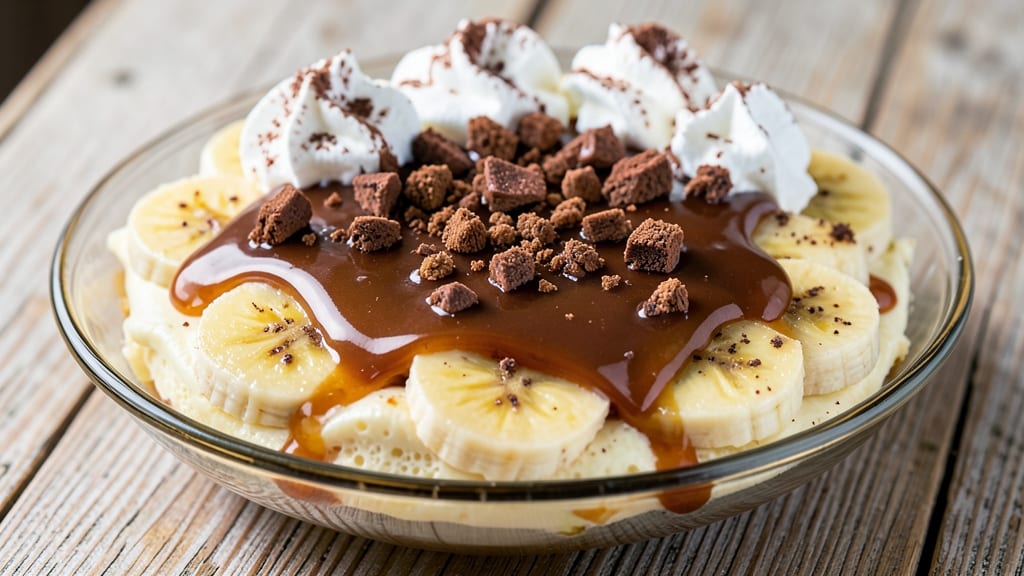
This banoffee pie toffee sauce recipe transforms your dessert game with its perfect balance of creamy richness and fudgy chunks. The secret lies in slow-cooked butter and sugar that caramelize into a velvety sauce, then gets thickened with cream and cornstarch for that signature glossy finish.
I developed this version after years of testing—it's the one that finally delivers on that restaurant-quality texture without requiring a candy thermometer.
The magic happens when you cook the butter and sugar together until it reaches a deep amber color, creating those irresistible toffee chunks that melt in your mouth. Adding heavy cream and cornstarch creates that perfect creamy consistency that coats every spoonful beautifully.
What sets this apart is the patience in cooking—rushing this step results in a sauce that's either too grainy or too thin.
What you'll end up with is a sauce that's smooth yet textured, with pockets of caramelized toffee that add depth to every bite. It's the perfect topping for ice cream, pound cake, or even drizzled over fresh fruit.
The sauce keeps well in the refrigerator for up to two weeks, making it ideal for meal prep and gifting.
For those looking for variations, you can easily make this recipe vegan by substituting the butter with coconut oil and using coconut cream instead of heavy cream. The technique remains the same, ensuring you still achieve that perfect balance of creamy and fudgy textures.
Ingredients for banoffee pie toffee sauce
Eight ingredients, one magical sauce—creamy, fudgy, and restaurant-quality at home.
| Ingredient | Amount | Notes |
|---|---|---|
| Unsalted Butter 🧈 | 1 cup | European-style preferred for flavor |
| Granulated Sugar 🍚 | 1 ½ cups | Light or dark brown adds depth |
| Heavy Cream 🥛 | 1 cup | Full-fat for richest texture |
| Cornstarch 🌾 | 2 tbsp | For smooth, glossy finish |
| Vanilla Extract 🌸 | 1 tsp | Pure Madagascar for best aroma |
| Salt 🧂 | ¼ tsp | Kosher or sea salt preferred |
| Lemon Juice 🍋 | 1 tbsp | Freshly squeezed for brightness |
| Dark Chocolate Chips 🍫 | ½ cup | 70% cocoa or higher for fudgy chunks |
The butter and sugar combo is non-negotiable here. European-style butter like Plugrá or President melts smoother, but any good quality unsalted will work. For sugar, light brown adds subtle molasses notes that play beautifully with the caramelization. I always grab my sugar from Whole Foods or the bulk bins at Trader Joe's—the finer grind caramelizes more evenly. The dark chocolate chips? Ghirardelli or Lindt are my go-tos, but any 70% cocoa or higher will give you those perfect fudgy pockets. Pro tip: chop them into uneven pieces before adding—they'll melt into different-sized chunks for texture.
No heavy cream? Full-fat coconut cream works in a pinch (though it'll taste different), or whip up a quick cashew cream by blending soaked cashews with water. Running short on cornstarch? Arrowroot powder at the same amount gives similar thickening power. The vanilla extract matters—imitation stuff won't cut it here. If you're making this vegan, swap the butter for coconut oil** and use coconut cream instead. The chocolate chips can be subbed with chopped toasted pecans or walnuts if you prefer nutty crunch instead of fudgy bits. And that lemon juice? Don't skip it—it brightens up the richness and balances the sweetness perfectly.
This sauce is a fridge staple—keeps for up to 2 weeks sealed in an airtight container. For gifting, portion into small jars with a ribbon. Freezes beautifully too—up to 3 months—just thaw in the fridge overnight. The texture actually improves after the first day as the flavors meld. I always make a double batch because it disappears faster than you'd think. Store it in the back of the fridge where it's coolest, and trust me, you'll want to use it fast—it's that good.
Why You'll Love This Recipe
- No-Fuss Magic: I swear by this sauce for lazy days—just melt butter, toss in sugar, and stir until it’s glossy. No whisking, no straining, no stress. The cornstarch thickens it like a dream while I’m still scraping the last spoonful.
- Rich Without Effort: That first bite of creamy, caramelized toffee sauce with vanilla’s warm whisper? It’s like dessert got a hug. Heavy cream makes it luscious, but the butter-sugar base gives it that deep, buttery soul—no fancy ingredients, just pure satisfaction.
- Party in a Jar: This sauce is my secret weapon for birthdays, potlucks, or when I need to impress guests. Drizzle it over ice cream, swirl it into whipped cream, or serve it with shortbread—it’s the star without stealing the spotlight. (Between us, I’ve used it to fix a forgotten dessert in 10 minutes.)
- Leftovers That Lie: Honestly, I always make extra. The sauce keeps for days in the fridge, and reheating it is just warming the pot. It’s budget-friendly too—those pantry staples (butter, sugar, cream) stretch far, and I never regret buying vanilla extract for this.
Step-by-step instructions for banoffee pie toffee sauce
Here's how to create that perfect balance of fudgy chocolate chunks and velvety creaminess.
Melt Butter and Sugar Together
In a medium saucepan, combine the 1 cup unsalted butter and 1.5 cups granulated sugar. Place over medium heat and stir constantly until the mixture reaches a gentle boil. You'll see small bubbles forming around the edges and the sugar will begin to dissolve completely. This should take about 5-7 minutes—don't walk away, as sugar can burn quickly.
The butter will melt first, then the sugar will gradually incorporate. You're looking for a smooth, amber-colored mixture that coats the back of a spoon. Once it reaches this stage, reduce the heat to low to maintain a gentle simmer. This foundational step creates the rich, caramel-like base that gives toffee sauce its signature depth of flavor.
Add Cornstarch and Cook Until Thickened
In a small bowl, whisk together the 2 tablespoons cornstarch with 2 tablespoons cold water until smooth. Slowly pour this mixture into the saucepan while stirring continuously. The sauce will begin to thicken almost immediately as the cornstarch activates.
Continue cooking on low heat for 3-5 minutes, stirring constantly, until the sauce reaches a glossy, pudding-like consistency. It should coat the back of a spoon and leave a clean trail when you run your finger through it. This thickening process is crucial—it transforms the sauce from a thin syrup into that luxurious, spreadable texture we all love. If it thickens too quickly, add 1 tablespoon water to adjust the consistency.
Incorporate Cream and Acid Balance
Remove the saucepan from heat and gradually whisk in the 1 cup heavy cream, adding it slowly to prevent curdling. The sauce will immediately begin to lighten in color. Return the pan to low heat and stir for another 2-3 minutes until the cream is fully incorporated and the sauce is smooth.
Next, whisk in the 1 tablespoon lemon juice, 1 teaspoon vanilla extract, and ¼ teaspoon salt. The lemon juice brightens the flavors, while the vanilla and salt enhance the overall depth. Taste the sauce at this point—it should be rich and slightly sweet with a subtle tang. If needed, adjust the sweetness with a bit more sugar or the acidity with more lemon juice. This balancing act is what makes this sauce truly exceptional.
Fold in Chocolate Chunks
Remove the sauce from heat and let it cool slightly for 2-3 minutes—it should be warm but not hot to the touch. This cooling step is important because adding the ½ cup dark chocolate chips to hot sauce can cause them to melt completely, losing their fudgy texture.
Using a spatula, gently fold the chocolate chips into the sauce until they're evenly distributed. You want to maintain some chunks for that delightful texture contrast, so don't overmix. The sauce should have a marbled appearance with pockets of melted chocolate and fudgy bits. For even better results, let the sauce sit at room temperature for 10 minutes—this allows the chocolate to soften slightly but still maintain its chunky appeal.
Adjust Consistency and Serve
If the sauce is too thick, thin it with 1-2 tablespoons warm water or heavy cream, stirring until smooth. It should be spreadable but still hold its shape slightly. For serving, pour the sauce over banana slices and toffee layer in your banoffee pie, or drizzle over ice cream, pound cake, or fresh berries.
The perfect toffee sauce should have a luxurious, glossy finish with a balance of sweetness, richness, and a hint of tang. Each bite should deliver that satisfying contrast between the creamy sauce and fudgy chocolate chunks. Serve immediately while the sauce is still warm for the best texture and flavor experience.
Pro Tips For Making Banoffee Pie Toffee Sauce
- STIR CONSTANTLY AT FIRST: The first 3-4 minutes after adding sugar and butter to the pan are where lumps form if you’re not paying attention. I learned this the hard way—skipping even 10 seconds of stirring led to grainy sauce every time. Use a wooden spoon and keep it moving until the sugar fully dissolves and turns golden.
- USE COLD HEAVY CREAM: Warm the cream too much, and your sauce will curdle when it hits the hot butter-sugar mix. I now chill the heavy cream in the fridge for 20 minutes before adding it—this keeps the sauce silky instead of breaking. (Yes, even if you’re impatient like me.)
- WHISK IN CORNSTARCH FAST: Once the butter-sugar mix is thickened, dump the cornstarch all at once and whisk like your life depends on it. Stirring too slowly lets the sauce split into a gluey mess. A few seconds of vigorous whisking is all it takes to smooth it out.
- SALT THE BUTTER: Unsalted butter makes the sauce taste flat. Pinch in ¼ teaspoon of salt with the butter at the start—it balances the sweetness and rounds out the flavor. (I skip this, and the sauce feels like it’s missing something.)
Common mistakes when making your banoffee pie toffee sauce
Overcooking Butter
The most common mistake is letting the butter and sugar mixture burn. I’ve seen this happen when people walk away or reduce heat too late. Watch for a deep amber color—not brown or black. If it starts to smell nutty or bitter, you’ve gone too far.
Keep heat at medium-low once the sugar dissolves completely. A candy thermometer helps, but if you don’t have one, test by dipping a spoon in—it should coat smoothly without being grainy. 🔥
Skipping the Slurry
Many home cooks forget to mix the cornstarch with water first, leading to clumpy sauce. Always whisk the 2 tbsp cornstarch with 2 tbsp cold water until smooth before adding it to the pan.
If you add dry cornstarch directly, it’ll create lumps that won’t dissolve, ruining the silky texture. Stir constantly for 3-5 minutes after adding it to ensure full activation.
Adding Chocolate Too Soon
Hot sauce melts chocolate completely, leaving no fudgy texture. Let the sauce cool for 2-3 minutes before folding in the ½ cup dark chocolate chips. If you’re impatient, chill the sauce in the fridge for 10 minutes first.
I’ve made this mistake—once—and ended up with a smooth but boring chocolate sauce. The contrast between creamy sauce and fudgy bits is what makes this recipe shine. ✨
Ignoring the Lemon Juice
Some recipes omit the 1 tbsp lemon juice, but it’s crucial for balancing sweetness. Without it, the sauce can taste flat or overly rich. If you forget, add it at the end and taste immediately—you’ll notice the difference.
The acidity also helps stabilize the sauce, preventing it from separating over time. Trust me, your taste buds will thank you for this small but mighty ingredient.
Overmixing After Chocolate
Once you fold in the chocolate, resist the urge to stir vigorously. Gentle folds preserve the texture you worked so hard to create. Overmixing turns fudgy chunks into a smooth sauce, losing that delightful contrast.
Use a spatula to swirl the chocolate into the sauce, leaving some visible pockets of unmelted chocolate. The goal is a marbled effect, not a uniform blend.
Not Testing Consistency
Many people pour the sauce over dessert without checking its thickness first. If it’s too thick, it’ll clump; if too thin, it’ll pool. Test by spooning a bit onto a plate—it should spread slightly but still hold its shape.
Adjust with 1 tbsp warm water or cream if needed. I’ve learned this the hard way: a runny sauce ruins the presentation of a beautiful banoffee pie. 💫
Nutrition facts
Frequently asked questions
Can I make this toffee sauce without cornstarch?
You can substitute cornstarch with 2 tbsp arrowroot powder or 1 tbsp tapioca starch at the same ratio. For a dairy-free version, use 1 tbsp agar-agar powder (mixed with water) or 1/4 cup coconut milk powder instead. Just remember these alternatives may slightly alter the texture—arrowroot gives a slightly glossier finish while agar-agar creates a firmer set.
How do I prevent the sauce from separating when storing?
Always let the sauce cool completely before refrigerating, and store it in an airtight container with a thin layer of plastic wrap pressed directly on the surface. The lemon juice helps stabilize it, but if you notice separation after a few days, simply whisk gently to recombine. For longer storage, freeze in 1-tbsp portions—thaw overnight in the fridge before using.
What's the best way to reheat leftover toffee sauce?
Gently reheat in a small saucepan over low heat with 1-2 tbsp heavy cream or water to restore its smooth consistency. Never microwave directly—it causes the chocolate to separate. For quick serving, warm the sauce in a heatproof bowl set over a pot of simmering water (bain-marie) for 2-3 minutes, stirring constantly. Always stir vigorously after reheating to redistribute the chocolate chunks.
Can I use white chocolate instead of dark?
While you can substitute white chocolate, it will dramatically change the flavor profile. White chocolate lacks the deep cocoa notes that balance the caramelized butter. If you must use it, reduce the amount to 1/4 cup and add 1/4 cup toasted coconut flakes for texture. For best results, stick with 70%+ dark chocolate—it creates that perfect fudgy contrast that makes this sauce special.
Why did my sauce turn grainy?
Graininess usually happens from one of three issues: overcooking the butter-sugar mixture (burning), not whisking the cornstarch slurry thoroughly, or adding chocolate to hot sauce. To fix it, blend the sauce briefly with an immersion blender, then strain through a fine-mesh sieve. For prevention, always use medium-low heat after the sugar dissolves, whisk the cornstarch with cold water until completely smooth, and let the sauce cool before adding chocolate.