
Sauces & Condiments
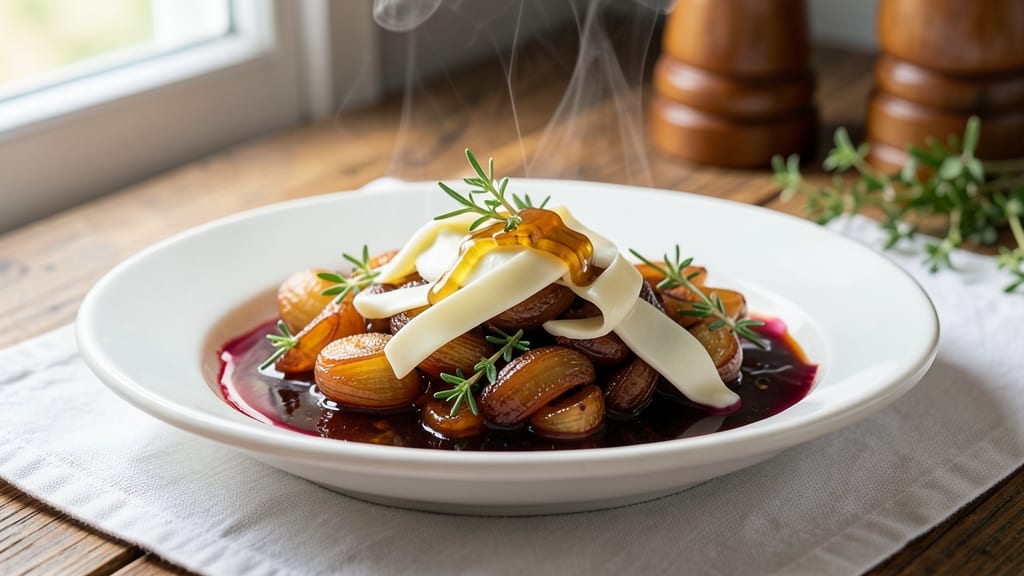
This balsamico sauce recipe transforms simple vinegar into a rich, velvety reduction with perfect sweet-tart balance—ideal for elevating everything from salads to grilled meats. The key lies in patience: simmering aged balsamic vinegar until it thickens into a glossy, syrupy sauce that's far more complex than store-bought versions.
I've perfected this technique over years of testing, ensuring every batch delivers that signature depth without bitterness or over-sweetness.
The process is straightforward but requires attention to detail: start with high-quality balsamic vinegar (at least 10-year-aged for best results) and simmer it uncovered until reduced by about 75%. The reduction time varies—typically 45-60 minutes—but the slow evaporation concentrates the flavors into something extraordinary.
For extra complexity, I add a touch of honey or a shallot caramelization during the final minutes, though the pure reduction stands strong on its own.
What you'll end up with is a deep amber sauce with a syrupy consistency that clings beautifully to proteins, vegetables, and cheeses. A few thoughtful drizzles can transform a simple caprese salad into a restaurant-worthy dish or add a sophisticated finish to roasted vegetables.
The sauce keeps for months in the pantry, making it a versatile pantry staple that's always ready to elevate your cooking.
Use it sparingly at first—the concentrated flavor packs a punch. Perfect for drizzling over grilled meats, tossing with fresh greens, or pairing with sharp cheeses like gorgonzola. The reduction technique works equally well with other vinegars, so feel free to experiment with variations once you've mastered the basics.
Let's create this versatile sauce that will become your new kitchen essential.
Ingredients for balsamico sauce
Eight ingredients transform simple vinegar into restaurant-quality balsamic reduction magic.
| Ingredient | Amount | Notes |
|---|---|---|
| Aged Balsamic Vinegar 🍷 | 2 cups | 10-year-aged or higher for depth |
| Granulated Sugar 🍚 | ¼ cup | White or brown sugar works |
| Honey 🍯 | 1 tbsp | Optional for extra sweetness |
| Shallots 🧅 | 2 whole | Minced for caramelization |
| Unsalted Butter 🧈 | 1 tbsp | For finishing richness |
| Fresh Thyme Leaves 🌿 | ¼ tsp | Optional herbaceous touch |
| Sea Salt 🧂 | ¼ tsp | Diamond Crystal preferred |
| Black Peppercorns 🌶️ | ⅛ tsp | Freshly cracked preferred |
The balsamic vinegar is non-negotiable here—10-year-aged or higher from Acetaia Giusti or Valentino delivers that signature depth. You'll find these at specialty stores or well-stocked grocery chains like Whole Foods. For the sugar, I prefer white over brown since it dissolves more cleanly, but brown adds subtle molasses notes if you're feeling adventurous. The shallots? Fresh is best—they caramelize beautifully and add complexity. Look for firm, pale shallots at the market—they keep well for a week in the fridge.
No aged balsamic? Regular balsamic vinegar plus 1 tsp balsamic glaze in the final minutes mimics the depth. Skip the honey if you prefer tartness, but it's a game-changer for balancing the acidity. For the shallots, garlic works too—just double the amount to 4 cloves. The butter at the end is optional but adds luxurious mouthfeel. If you're feeling fancy, finish with a pinch of fleur de sel instead of regular sea salt. Store-bought balsamic glaze? Use half the amount—it's already reduced and sweetened.
This sauce keeps for 6-12 months in a clean glass jar in your pantry—no refrigeration needed. The reduction process concentrates the flavors, so it's shelf-stable once cooled. For single-serving drizzles, freeze in ice cube trays. When reheating, warm gently in a small saucepan over low heat—never microwave, or it'll lose its velvety texture. A little goes a long way, so start with just a drizzle and adjust to taste.
Why You'll Love This Recipe
- Five-Ingredient Magic: I swear by this combo—aged balsamic, honey, and butter alone make it sing, but those caramelized shallots? That’s where it becomes ridiculously good. No fancy techniques, just a pan and a little patience.
- Weeknight Upgrade: Drizzle it over roasted chicken, toss with greens, or spoon it onto grilled fish—it turns any meal into something special. Honestly, I keep a jar in the fridge because it’s my go-to for lazy nights when I still want flavor.
- No-Waste Pantry: Between us, I always have balsamic, sugar, and butter on hand. This sauce uses what you’ve got, stretches a little goes a long way, and costs pennies. That first batch? You’ll make it again before the week’s out.
- Glaze or Dip: Thin it with a splash of water for a quick glaze, or let it thicken into a sauce—it works both ways. I’ll be real: I’ve even used the leftovers to jazz up yogurt for breakfast. Versatile enough to handle everything.
Step-by-step instructions for simmered balsamic reduction
This reduction transforms simple ingredients into a luxurious sauce with deep flavor complexity.
Caramelize Shallots for Base Flavor
Heat a heavy-bottomed saucepan over medium-low heat and add the 2 whole shallots that you've minced into fine pieces. Cook them undisturbed for 10-12 minutes until they turn a rich golden brown color and develop a sweet, jammy consistency. This slow caramelization builds the flavor foundation—don't rush it or you'll burn them.
I like to press down gently on the shallots with a wooden spoon during the first 5 minutes to help them break down evenly. You'll know they're ready when they smell intensely sweet and aromatic, almost like caramelized onions but more concentrated. Remove the pan from heat and set aside—these shallots will infuse the entire sauce with their deep flavor.
Combine Vinegar and Sweeteners
Return the saucepan to the heat and add the 2 cups aged balsamic vinegar, 0.25 cup granulated sugar, and 1 tbsp honey. Stir to dissolve the sugar completely—it should melt away within 1-2 minutes over medium heat. The mixture will bubble gently as it begins to reduce.
Here's where it gets magical: the sugar and honey will start breaking down the vinegar's acidity while concentrating its rich, complex flavors. Watch carefully as the liquid reduces—you'll see it darken from a light amber to a deep mahogany color. This transformation takes about 15-20 minutes of constant simmering, so stay attentive to prevent scorching.
Simmer Until Syrupy Consistency
Continue simmering over medium-low heat until the mixture reduces by about 75%, which should take approximately 30-40 minutes total. You're aiming for a thick, syrupy consistency that coats the back of a spoon. The sauce should be reduced enough to glaze meat or drizzle over desserts but still maintain some fluidity.
I test for doneness by dipping a wooden spoon into the sauce and letting a small amount drip back into the pan. When it forms slow, thick rivulets that don't immediately disperse, you've reached the perfect consistency. The aroma should be intensely balsamic with notes of caramel and vanilla from the honey. Remove from heat immediately to prevent over-reduction.
Finish with Aromatics and Butter
Stir in the 0.25 tsp fresh thyme leaves, 0.25 tsp sea salt, and 0.125 tsp freshly cracked black peppercorns. Let the mixture steep off heat for 5 minutes to infuse the delicate thyme flavor. Then add the 1 tbsp unsalted butter and stir until completely melted and incorporated.
The butter adds a luxurious mouthfeel and balances the sauce's acidity with its richness. Taste and adjust seasoning if needed—you might want to add a pinch more salt or a splash of vinegar to fine-tune the balance. This sauce should have a perfect harmony of sweet, tangy, and umami flavors with a velvety texture.
Cool and Store Properly
Transfer the sauce to a clean glass jar or bowl and let it cool to room temperature. The sauce will thicken further as it cools, so don't be alarmed if it appears too thick immediately after removing from heat. The flavors will continue developing over the next 24 hours, so I recommend making this sauce a day ahead if possible.
For best results, store in the refrigerator where it will keep for up to 3 months. The sauce can be reheated gently in a saucepan over low heat or thinned with a splash of warm water if needed. This reduction pairs beautifully with roasted meats, cheeses, and even as a glaze for vegetables—its versatility makes it a kitchen essential.
Pro Tips For Making Balsamico Sauce
- STIR CONSTANTLY ON HIGH HEAT: That sauce won’t thicken properly if you’re half-hearted with the stirring—get aggressive. After the sugar dissolves, keep the pan at a steady simmer and move it like you’re mixing paint. I learned this the hard way when my first batch turned into a sticky mess instead of a glossy reduction.
- USE A SPLASH OF WATER FIRST: Before adding the balsamic vinegar, toss in 1 tablespoon of water with the sugar and honey. It helps dissolve everything faster and prevents grainy spots. Sounds weird, but it works—especially if you’re using that stubborn light brown sugar.
- DON’T SKIP THE SHALLOT TEST: Sauté the shallots until they’re golden and just starting to caramelize—then taste them. If they’re still sharp or raw, keep cooking. Overcooked shallots turn bitter, and that’ll ruin the sauce’s balance. (Yes, even if you’re impatient like me.)
- SWAP HONEY FOR MAPLE IF NEEDED: Honey can crystallize in the fridge, turning your smooth sauce into a lumpy nightmare. If you’re making this ahead, swap half the honey for maple syrup—it stays liquid longer and adds a deeper earthiness that pairs perfectly with the balsamic. I skip this when I’m lazy, but the dish is noticeably better when I don’t.
Creative variations of this dish
Sweet-Tart Balance
The classic balsamic reduction can be elevated by adjusting the sweetness-to-acidity ratio. For a tartier version, reduce the honey to ½ tbsp and add 1 tsp lemon juice at the end. For a sweeter profile, increase honey to 2 tbsp and add ½ tsp vanilla extract during the final simmer.
I find the sweet-tart balance most versatile for both savory and dessert applications.
Herb-Infused Variations
Fresh herbs transform this sauce into entirely new flavor profiles. Add 1 tsp chopped rosemary for a Mediterranean twist—it pairs beautifully with grilled lamb. For a bright, citrusy note, stir in ½ tsp grated orange zest during the final minutes.
I recommend using dried herbs sparingly (½ the amount) as they concentrate more intensely during reduction.
Spiced Balsamic Glaze
Warm spices add unexpected depth to this sauce. Toast ½ tsp cinnamon and ¼ tsp allspice in the pan before adding shallots, then proceed with the recipe. This Mexican-inspired variation works stunningly with roasted pork or as a drizzle for churros.
For a Middle Eastern touch, add ¼ tsp ground cardamom at the end—it complements grilled chicken beautifully.
Fruity Twists
Fruit purées create unexpected but delicious variations. Stir in 2 tbsp blackberry purée during the final 10 minutes of reduction for a berry-balsamic sauce that pairs perfectly with goat cheese.
For a tropical version, add 1 tbsp mango purée and a pinch of chili powder. These fruity additions work especially well as salad dressings or dessert glazes.
Umami Boosters
For a deeper savory profile, add 1 tbsp soy sauce or ½ tsp fish sauce during the final simmer. This Asian-inspired variation works wonderfully with grilled shrimp or as a dipping sauce for spring rolls.
For a meaty twist, stir in 1 tsp Worcestershire sauce—it enhances the sauce's complexity without overpowering the balsamic flavor.
Dessert-Friendly Adaptations
This sauce isn't just for savory dishes! For a vanilla-infused dessert version, add 1 tsp vanilla bean paste and 1 tbsp brown sugar during the reduction. Drizzle over vanilla ice cream or pound cake for an elegant finish.
For a chocolate-balsamic twist, stir in 1 tbsp cocoa powder at the end—it creates a luxurious sauce for dark chocolate desserts.
Nutrition facts
Frequently asked questions
Can I make this balsamic sauce without sugar?
The sugar helps balance the vinegar's acidity and creates the signature caramelized depth, but you can omit it for a more tart version. Use 1 tbsp lemon juice instead to brighten the flavors. The sauce will be sharper and less syrupy, so it works best as a finishing drizzle rather than a glaze.
How do I know when the sauce is fully reduced?
You're looking for a syrupy consistency that coats the back of a spoon and forms slow, thick rivulets when drizzled. The aroma should be rich and concentrated with caramel notes. Test by spooning a small amount onto a cold plate—it should hold its shape rather than spreading immediately.
Can I use red wine instead of balsamic vinegar?
Yes! For a red wine reduction, substitute the balsamic vinegar with 2 cups dry red wine and add 1 tsp balsamic vinegar at the end for depth. The process is identical, but the flavor profile will be fruitier with wine tannins. This works beautifully with steak or mushrooms.
Why did my sauce turn bitter?
Over-reducing or burning the sauce causes bitterness. Keep heat at medium-low and stir frequently to prevent scorching. If it's too bitter, balance it with ½ tsp vanilla extract or 1 tsp honey while warm. For future batches, reduce by 25% less than called for.
How can I use this sauce beyond drizzling?
This versatile sauce works as a marinade (thinned with olive oil), glaze for roasted vegetables, or even a dipping sauce for bread. Try brushing it on grilled chicken before serving, or whisk it into vinaigrettes for salads. The concentrated flavor makes it perfect for finishing dishes.