
Sauces & Condiments
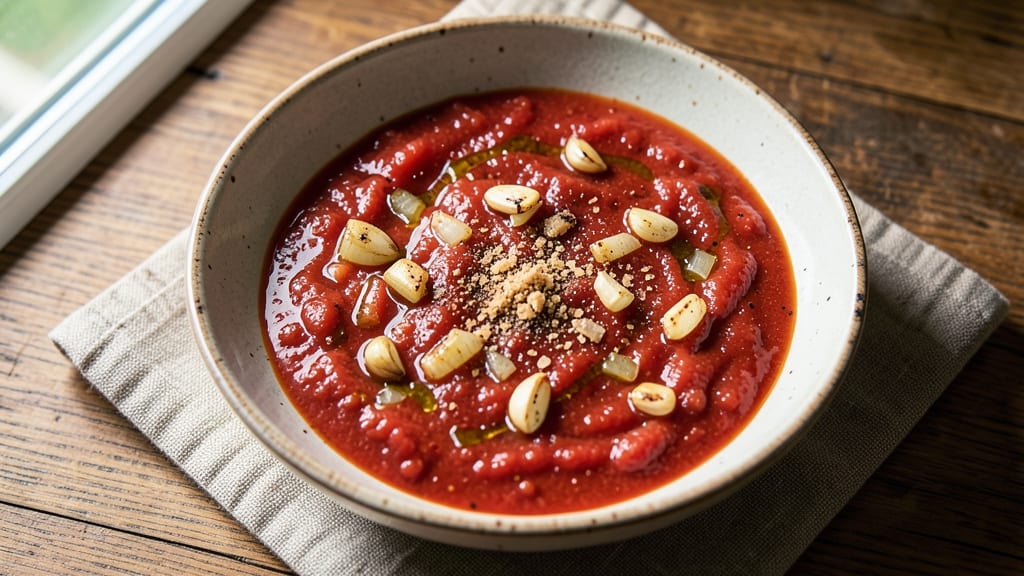
This baking steel pizza sauce recipe delivers smoky, chipotle-kissed tomato velocity—perfect for high-heat cooking that transforms your pizza into a flavor explosion.
The secret lies in simmering crushed tomatoes with garlic, onions, and a touch of brown sugar until it reduces to a glossy, chunky-smooth consistency that clings to dough without overwhelming it.
I developed this sauce after years of testing—it’s the one that finally made my homemade pies taste like they came from a Neapolitan oven.
The sauce’s magic comes from balancing heat and sweetness: chipotle powder adds depth, while brown sugar caramelizes into a subtle molasses note that rounds out the acidity.
Unlike store-bought sauces, this version builds flavor through slow reduction, creating a sauce that’s rich yet bright, with just enough body to hold toppings without turning soggy.
It’s designed to handle the intense heat of baking steel, so you won’t lose flavor or texture when your pizza hits peak temperature.
What sets this sauce apart is its versatility—use it for Neapolitan-style pizzas, wood-fired crusts, or even as a marinade for meats. The chunky texture ensures every bite delivers bursts of tomato and smoky chipotle, while the glossy finish helps toppings crisp up perfectly.
No blenders or thickeners needed; this is a foolproof, one-pot sauce that comes together in under 30 minutes with pantry staples.
For best results, let the sauce cool slightly before applying—this helps it set evenly on the dough. Store leftovers in the fridge for up to a week, or freeze for longer shelf life.
Whether you’re prepping for a pizza night or stocking your sauce pantry, this recipe is your ticket to restaurant-quality flavor without the fuss.
Ingredients for baking steel pizza sauce
Nine simple ingredients create the smoky, chunky pizza sauce your baking steel deserves.
| Ingredient | Amount | Notes |
|---|---|---|
| Crushed Tomatoes 🍅 | 2 cups | San Marzano if possible |
| Yellow Onion 🧅 | ½ whole | Finely diced, not minced |
| Garlic Cloves 🧄 | 4 cloves | Minced, not powdered |
| Chipotle Powder 🌶️ | 1 tbsp | Smoked, not fresh chipotle |
| Brown Sugar 🍚 | 1 tbsp | Light or dark variety |
| Extra-Virgin Olive Oil 🫒 | 2 tbsp | For sauteing, fruity flavor |
| Dried Oregano 🍃 | 1 tsp | Italian, not Mexican |
| Salt 🧂 | ½ tsp | Diamond Crystal preferred |
| Black Pepper 🌶️ | ¼ tsp | Freshly cracked |
| Red Wine Vinegar 🍷 | 1 tsp | For brightness, optional |
The tomatoes are non-negotiable here. San Marzano has the best balance of sweetness and acidity, but any high-quality crushed tomatoes will work. I grab mine from Trader Joe's—their 28-ounce cans are perfect for this recipe and keep for months. The onions and garlic should be fresh; yellow onions give a mild sweetness that complements the chipotle. If you're using jarred minced garlic, drain it well—excess liquid makes the sauce watery. For the chipotle powder, Penzeys or any reputable spice shop carries the smoked variety; it's what gives this sauce its signature depth. Brown sugar might seem odd, but it caramelizes beautifully during the simmer, adding a subtle molasses note that rounds out the heat.
No chipotle powder? Smoked paprika plus a pinch of cayenne gets you close, though it won't have the same smoky punch. Running out of brown sugar? Maple syrup or honey at half the amount works in a pinch (though honey isn't vegan). Fresh oregano is ideal, but dried works at one-third the amount. If you're feeling fancy, swap the red wine vinegar for a splash of balsamic vinegar—it adds complexity without overpowering. The olive oil matters too; avoid light or refined oils that lack flavor. And if you're making a big batch, double the ingredients—this sauce keeps perfectly for up to 2 weeks in the fridge.
This sauce is designed to be made ahead. Let it cool completely before storing in an airtight container. It actually tastes better the next day as the flavors meld. For longer storage, freeze in ice cube trays—perfect for portion control. When reheating, warm gently on the stove or microwave until just hot; never boil, or the texture will break down. The sauce thickens as it cools, so if it seems too thick when warm, a splash of water or broth thins it out beautifully. And trust me, the first time you use this on baking steel pizza, you'll never go back to store-bought.
Why You'll Love This Recipe
- No-Fuss Simmer: I swear by this sauce because it’s basically hands-off after the initial chop. Toss onions and garlic in the pot, add crushed tomatoes and spices, then let it bubble while I prep the rest of dinner—no stirring, no stress.
- Smoky-Sweet Magic: That chipotle powder and brown sugar combo? It’s the secret weapon. The sauce starts bright and tangy but finishes with this deep, slightly sweet heat that clings to every bite like a hug from a wood-fired oven.
- Pantry Staple Power: Between us, I’ve used this sauce on weeknights for takeout-style pizzas, slathered on grilled chicken, and even as a marinade for pork chops. The flavors play nice with anything—just adjust the heat to your mood.
- Budget-Friendly Batch: A single batch stretches across three pizzas or two big meals, and the ingredients cost less than delivery. Plus, it freezes like a dream, so I always have backup for lazy days or unexpected company.
Step-by-step instructions for smoky chipotle-kissed tomato sauce
Here's how to craft a bold, smoky sauce that'll elevate your baking steel pizza to restaurant quality.
Sauté Onions and Garlic Until Fragrant
Heat the 2 tablespoons extra-virgin olive oil in a medium saucepan over medium-low heat. Add the 0.5 whole yellow onion, finely diced, and cook for 5-6 minutes until completely soft and translucent. You'll know it's ready when you can no longer see any distinct onion pieces.
Reduce heat to low and add the 4 cloves minced garlic. Cook for just 30 seconds until the garlic releases its aroma—don't let it brown or it'll turn bitter. This gentle cooking ensures the garlic infuses the oil without overpowering the sauce. Keep the heat low to prevent burning.
Build the Flavor Base with Spices and Tomatoes
Stir in the 1 tablespoon chipotle powder, 1 tablespoon brown sugar, 1 teaspoon dried oregano, 0.5 teaspoon salt, and 0.25 teaspoon black pepper. Let the spices toast in the oil for 1 minute until fragrant—this step deepens their flavors. You'll smell that smoky chipotle warmth developing.
Pour in the 2 cups crushed tomatoes and bring to a gentle simmer. Let it cook uncovered for 10 minutes while stirring occasionally. This time allows the flavors to meld and the sauce to thicken slightly. You'll see the sauce change from bright red to a deeper, more complex hue.
Finish with Vinegar and Simmer to Perfection
Add the 1 teaspoon red wine vinegar and stir well. The vinegar brightens the sauce and balances the smoky sweetness. Taste and adjust seasoning if needed—you might want to add a pinch more salt or a dash of chipotle powder for extra heat.
Continue simmering for another 5-7 minutes until the sauce reaches your desired consistency. For pizza sauce, it should coat the back of a spoon but still be spreadable. If it's too thick, add 1-2 tablespoons water to loosen it. The sauce should smell rich and complex with notes of smoky chipotle, sweet tomatoes, and herbal oregano.
Cool and Prepare for Pizza
Remove from heat and let the sauce cool completely before using on pizza. This resting period allows all the flavors to fully develop and prevents the sauce from steaming on your hot baking steel. The cooled sauce should be thick enough to cling to the crust without pooling.
For best results, make the sauce at least 1 hour ahead of baking. The flavors continue to meld even after cooking, resulting in a more complex, restaurant-quality sauce. Store any leftovers in an airtight container in the refrigerator for up to 5 days or freeze for 3 months.
Pro Tips For Making Baking Steel Pizza Sauce
- Simmer Low and Slow: After burning three batches of sauce with the onions caramelizing too fast, I learned to keep the heat at a steady simmer—not a boil—once the onions turn translucent. This lets the chipotle powder infuse properly without scorching, and the crushed tomatoes break down evenly for that perfect thick, smoky consistency.
- Finely Dice That Onion: I used to chop onions into big chunks, thinking it’d save time. Wrong. For this sauce, you want them so small they practically dissolve into the tomatoes by the end. A food processor gives you the most even texture, but if you’re doing it by hand, aim for rice-sized pieces—your sauce will develop flavor faster.
- Balance the Sweet Heat: Brown sugar adds depth, but too much and your sauce tastes like dessert. Start with 1 teaspoon, taste, then adjust—this sauce needs the chipotle’s smokiness to shine. If it’s too sweet, a pinch of salt or a splash of red wine vinegar (trust me, it works) cuts through it without overpowering.
- Strain Out the Skins: Crushed tomatoes are convenient, but their skins turn your sauce gritty. After simmering, strain it through a fine-mesh sieve or cheesecloth to get a silky texture. I know it’s an extra step, but it makes all the difference when you’re spreading it on pizza dough—no one wants a mouthful of seeds.
Troubleshooting this dish
Sauce Too Thin?
If your sauce ends up watery after simmering, don’t panic—simmering uncovered for an extra 5-10 minutes will thicken it naturally. For immediate fixes, mix in 1 tablespoon cornstarch with 2 tablespoons cold water, stir until dissolved, then add back to the sauce.
Simmer for another 2 minutes—this creates a glossy, velvety texture perfect for pizza. 💫
Sauce Too Thick?
Thick sauce happens when tomatoes reduce too much or you forget to thin during cooking. Add 1-2 tablespoons water or tomato juice to loosen it gradually while stirring. For a smoother texture, blend briefly (no need for a food processor—just a quick immersion blender works).
If the sauce is still stubborn, a splash of red wine or broth adds moisture without altering flavor.
Burnt Garlic or Onions
Garlic and onions burn fast, turning bitter and ruining the sauce. To prevent this, keep heat at medium-low and stir constantly. If you notice browned bits, immediately remove the pan from heat, scrape out the burnt pieces, and return to low heat.
For extra insurance, add the garlic only after onions are fully softened—this gives you more control over timing. 🔥
Flat or Bland Flavor
Weak flavor usually means under-seasoning or insufficient simmering. Boost depth by adding ½ teaspoon smoked paprika or a pinch of cayenne for heat, then simmer another 5 minutes. For sweetness, stir in ½ teaspoon maple syrup or a splash of balsamic glaze.
If the sauce tastes dull, a squeeze of lemon juice brightens it instantly—just don’t overdo it.
Lumpy Texture
Lumps form when tomatoes aren’t crushed evenly or spices aren’t stirred well. For a smooth finish, pulse the sauce briefly in a blender or use an immersion blender. If you prefer chunky texture, stir vigorously with a wooden spoon—this breaks up clumps while preserving some texture.
For stubborn lumps, strain the sauce through a fine-mesh sieve before using. 🌶️
Sauce Splatters While Cooking
Tomato splatters are inevitable, but you can minimize them by using a heavy-bottomed saucepan (like All-Clad or Le Creuset) and keeping heat at medium-low**. If splatters happen, reduce heat immediately and let the sauce simmer uncovered—this helps excess moisture evaporate.
For extra control, cover the pan with a splatter screen while simmering.
Nutrition facts
Frequently asked questions
Can I use this sauce for other dishes besides pizza?
This versatile sauce works beautifully as a marinade for grilled chicken or steak, a topping for baked pasta, or even a dip for crusty bread. The smoky chipotle flavor pairs well with proteins and carbs alike—just adjust the thickness by adding a splash of water if needed for dipping.
How do I adjust the heat level if chipotle is too spicy?
Start by reducing the chipotle powder to ½ teaspoon and add more brown sugar (½ teaspoon) to balance the heat. For extra depth without spice, swap in ½ teaspoon smoked paprika instead. Taste as you go—you can always add more sugar or a pinch of salt to mellow the flavor.
What's the best way to store leftovers?
Store in an airtight container in the fridge for up to 5 days, or freeze in ice cube trays for easy portioning. Thaw frozen sauce in the fridge overnight—never microwave directly, as it can break down the texture. The sauce actually tastes better after resting, as flavors meld further.
Can I make this sauce without tomatoes?
While tomatoes are ideal for this recipe, you can substitute with 1 cup tomato paste + 1 cup water for a thicker consistency. For a non-tomato version, try 1 cup roasted red peppers + ½ cup tomato sauce, but the flavor profile will differ significantly. The sauce won't have the same bright acidity or chunky texture.
Why does my sauce taste different from the recipe?
Flavor variations come from ingredient freshness and simmering time. For consistent results, use San Marzano tomatoes and simmer for the full 15-20 minutes. If your sauce tastes bland, let it reduce longer or add a pinch of salt or smoked paprika. Remember: taste as you go and adjust gradually!