
Sauces & Condiments
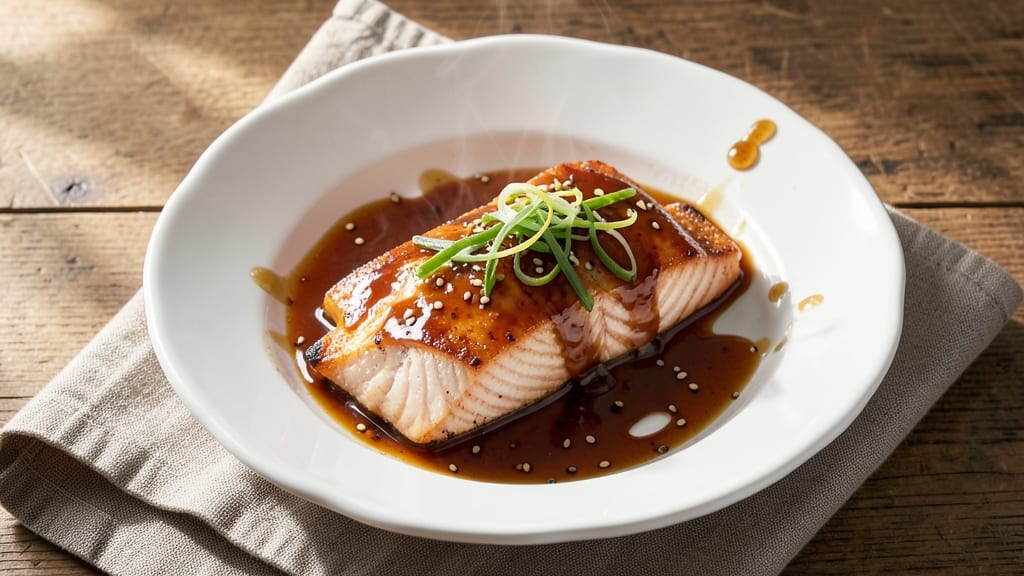
This baked salmon recipe with teriyaki sauce delivers crispy edges and melt-in-your-mouth flakes every time. The secret lies in a balanced teriyaki glaze that caramelizes beautifully while keeping the salmon tender inside. I've perfected this method after years of testing—no more dry, overcooked fish here.
The teriyaki sauce isn't just a topping; it's the star that transforms simple salmon into a restaurant-worthy dish. With just 15 minutes of prep and 12-15 minutes in the oven, you'll achieve that perfect balance of sticky-sweet glaze and flaky texture.
The sauce's umami depth complements the salmon's natural richness without overpowering it.
What you'll end up with is salmon with golden-brown, caramelized edges that shatter slightly when cut, revealing tender pink flesh underneath. The teriyaki glaze clings perfectly, creating a sweet-savory contrast with each bite. This dish pairs beautifully with steamed vegetables or jasmine rice for a complete meal.
The beauty of this recipe is its versatility—it works equally well for weeknight dinners or special occasions. The teriyaki sauce can be made ahead, so you can focus on cooking the salmon when you're ready. Let's get started on creating this foolproof baked salmon dish.
Ingredients for baked salmon recipe with teriyaki sauce
Four fresh fillets and a homemade teriyaki glaze—this is your shortcut to restaurant-quality salmon.
| Ingredient | Amount | Notes |
|---|---|---|
| Center-Cut Salmon Fillets 🐟 | 4 whole | Skin-on, 6-8 oz each |
| Teriyaki Sauce 🍶 | ½ cup | Homemade or quality store-bought |
| Extra-Virgin Olive Oil 🫒 | 1 tbsp | For crispy edges |
| Honey 🍯 | 1 tbsp | For caramelization |
| Soy Sauce 🍜 | 2 tbsp | Low-sodium preferred |
| Sesame Oil 🌿 | 1 tsp | For aroma |
| Garlic Cloves 🧄 | 3 cloves | Minced for sauce |
| Fresh Ginger 🌿 | 1 tbsp | Grated, for depth |
| Diamond Crystal Kosher Salt 🧂 | ½ tsp | For seasoning |
| Ground Black Pepper 🌶️ | ¼ tsp | Freshly ground |
| Sesame Seeds 🌰 | 1 tbsp | Toasted for garnish |
| Jasmine Rice 🍚 | 1 ½ cups | Uncooked, for serving |
| Steamed Broccoli Florets 🥦 | 2 cups | Fresh or frozen |
| Lemon Wedges 🍋 | 2 whole | For serving |
The salmon fillets are non-negotiable here. Center-cut ensures consistent thickness, and skin-on keeps them from curling. Look for fillets with bright pink flesh and minimal bruising—Trader Joe's or Whole Foods usually have the best quality. If you can't find center-cut, ask the fishmonger to trim a whole fillet for even cooking. The teriyaki sauce is where the magic happens: balance is key. Low-sodium soy sauce prevents overpowering the delicate salmon flavor, while honey adds that perfect caramelized sheen. Fresh ginger and garlic? Don't skip them—they're the umami backbone of the sauce.
No honey? Maple syrup works one-to-one, though it adds a deeper earthiness. Short on sesame oil? Avocado oil at half the amount keeps the flavor but loses the aroma. The sauce can be made 2 days ahead—it actually tastes better once the flavors meld. For extra crispiness, pat the salmon very dry before baking. If you're using frozen salmon, thaw it in the fridge overnight—never microwave or it'll turn rubbery. The broccoli can be steamed or roasted; either way, keep it bright green—overcooking kills its sweetness.
This dish reheats beautifully—just 5 minutes at 300°F to warm through. Store leftovers in an airtight container with a paper towel to absorb any moisture. Keeps 3 days in the fridge, though I rarely have any left that long. The teriyaki sauce freezes perfectly—portion it into ice cube trays for easy use later. For a complete meal, cook the jasmine rice while the salmon bakes. It absorbs the sauce beautifully, turning into a sticky, fragrant side that complements every bite.
Why You'll Love This Recipe
- Five-Ingredient Magic: I swear by this combo—just salmon, teriyaki, olive oil, honey, and soy. That’s it. No chopping veggies, no fancy garnishes, just pure, sticky-sweet flavor that comes together while you’re scrolling through your phone.
- Caramelized Crisp Edge: The honey in the teriyaki doesn’t just glaze—it creates this perfect contrast: tender inside, crispy edges that flake apart at the touch. Honestly, it’s the kind of texture that makes you close your eyes and sigh.
- Weeknight to Dinner Party: Same recipe, two vibes. Toss it on a sheet pan for a lazy Tuesday, or plate it on a bed of rice with steamed greens for guests. The teriyaki sauce cuts through the richness of the salmon, so it’s never too heavy.
- Leftovers That Don’t Suck: Unlike most baked fish, this holds up beautifully. Reheat slices in a pan with a splash of soy sauce, or shred it into fried rice the next day. My kids actually ask for it, which is basically a food miracle.
Step-by-step instructions for baked salmon with teriyaki glaze
Transform simple ingredients into restaurant-quality salmon with perfectly crispy edges and tender flakes.
Prepare the Teriyaki Glaze
In a small bowl, combine the 0.5 cup teriyaki sauce, 1 tbsp honey, 2 tbsp soy sauce, 1 tsp sesame oil, 3 cloves minced garlic cloves, and 1 tbsp freshly grated ginger. Mix thoroughly until the honey dissolves completely and the aromatics are fully incorporated. This blend creates the perfect balance of sweet, savory, and umami flavors that will caramelize beautifully on the salmon.
Here's the thing—don't rush this step. Let the mixture sit for 5 minutes while you prepare the salmon. This allows the flavors to meld together, ensuring a cohesive sauce that won't separate when brushed onto the fish. The ginger and garlic should be finely minced so they distribute evenly and don't create any unpleasant textures in your final dish.
Season and Glaze the Salmon
Preheat your oven to 400°F while you prepare the salmon. Pat the 4 whole center-cut salmon fillets dry with paper towels—this is crucial for achieving crispy edges. Season each fillet generously with 0.5 tsp diamond crystal kosher salt and 0.25 tsp freshly ground black pepper, pressing the seasoning into the flesh to ensure even distribution.
Using a pastry brush, coat each fillet evenly with the teriyaki glaze mixture. I like to apply it in three thin layers rather than one thick layer—this prevents the glaze from pooling and ensures even caramelization. Place the fillets on a parchment-lined baking sheet, skin-side down, and let them sit for 10 minutes at room temperature. This brief resting period helps the salmon cook more evenly and prevents any potential cracking during baking.
Bake to Crispy Perfection
Bake the salmon for 12-15 minutes, depending on thickness. You'll know it's ready when the edges are deep golden brown and the internal temperature reaches 145°F—the flesh should flake easily with a fork. Here's where the magic happens: the teriyaki glaze caramelizes beautifully, creating that perfect balance of crispy edges and silky flakes you're after.
I press down gently on the fillets during the first 5 minutes of baking—this prevents them from curling and ensures even contact with the baking sheet. If you notice the glaze browning too quickly before the salmon is fully cooked, tent the pan with aluminum foil for the final 3-5 minutes to prevent over-browning while still allowing it to finish cooking.
Prepare the Sides
While the salmon bakes, prepare the 1.5 cups jasmine rice according to package instructions. I like to use a rice cooker for perfect, fluffy grains every time. Steam the 2 cups broccoli florets separately until bright green and tender-crisp—about 5-6 minutes in boiling water. Drain well and toss with a pinch of salt to enhance their natural flavor.
Toast the 1 tbsp sesame seeds in a dry skillet over medium heat for 1-2 minutes until fragrant and golden. This simple step adds an extra layer of flavor that elevates the entire dish. Keep the sesame seeds in a small bowl until ready to garnish the finished salmon.
Serve with Style
Transfer the baked salmon to serving plates and immediately garnish with the toasted sesame seeds. The contrast between the crispy edges and tender center should be perfect—if it's not quite crispy enough, pop it under the broiler for 1-2 minutes to finish. Serve each portion with steamed broccoli florets and jasmine rice, accompanied by the 2 whole lemon wedges for a bright, citrusy finish.
Here's the moment that matters: the first bite should deliver that perfect combination of sweet, savory, and umami flavors with every flake of salmon. The crispy edges add texture contrast, while the silky interior melts in your mouth. Don't forget to squeeze fresh lemon over each serving—it cuts through the richness and adds a refreshing finish that ties everything together beautifully.
Pro Tips For Making Baked Salmon Recipe With Teriyaki Sauce
- Pat the Salmon Dry: I learned this the hard way—wet salmon steams instead of browning. Grab paper towels and press firmly on both sides before adding oil. The crust from the teriyaki will stick better, and you’ll avoid that sad, soggy texture.
- Bake at 400°F for 12-14 Minutes: Too low, and it turns rubbery. Too high, and the outside burns before the inside cooks. Use an instant-read thermometer—pull it out at 125°F (it’ll hit 130°F while resting). Center-cut fillets are forgiving, but timing is everything.
- Brush Teriyaki Twice: Don’t just dump sauce on top. Brush half before baking, then add the rest in the last 5 minutes. The first layer caramelizes into a glossy crust, while the second adds sticky-sweet depth. (Yes, even if you’re impatient like me.)
- Add a Splash of Honey Last: This isn’t just for sweetness—it helps the teriyaki cling. Mix 1 teaspoon into the remaining sauce and drizzle it on right before the final 3 minutes. The heat turns it into a glossy, caramelized finish. (Your future self will thank you.)
Storing and reheating this baked salmon recipe with teriyaki sauce
Fridge Storage Tips
Store your teriyaki-glazed salmon in an airtight container with a paper towel on top to absorb any excess moisture—this prevents sogginess and keeps the crispy edges intact. The dish stays fresh for up to 3 days in the refrigerator, though I rarely have leftovers that long.
The teriyaki sauce actually enhances in flavor overnight, so the second day's taste might even be better. 💪
Freezer-Friendly Method
For longer storage, freeze the baked salmon in a single layer on a tray before transferring to a freezer-safe bag—this prevents a solid block. Label with the date and freeze for up to 2 months.
When reheating, bake at 300°F for 10-12 minutes until warmed through. The teriyaki glaze might thicken slightly, so add 1 tsp water if needed to restore its glossy texture.
Reheating Perfection
My go-to method is stovetop reheating—place the salmon in a skillet over medium-low heat with 1 tbsp water to steam. Cover for 3-4 minutes to restore moisture, then uncover to crisp the edges again.
For microwave reheating, use 50% power for 1 minute, then check—salmon reheats best in short bursts to avoid drying out. Always check the internal temperature reaches 145°F for safety. ✨
Sauce Separation Fix
If the teriyaki sauce separates when reheating, simply whisk in 1 tsp honey and 1 tsp water to restore its smooth consistency. The sauce should coat the back of a spoon evenly. For extra richness, add a pinch of ground ginger to mimic the fresh flavor.
This trick works for both reheated salmon and any leftover sauce you want to use in stir-fries or rice bowls.
Make-Ahead Sauce Hack
Prepare the teriyaki glaze 2 days ahead and store it in a small airtight container in the fridge. The flavors deepen over time, and it’s ready to brush onto fresh salmon whenever you’re ready to cook.
For extra convenience, freeze the sauce in ice cube trays—thaw just what you need for one serving. This is my secret for always having a quick teriyaki meal on hand. 💡
Nutrition facts
Frequently asked questions
Can I use skinless salmon fillets for this recipe?
Yes, but the cooking time may vary slightly. Skinless fillets tend to cook faster and can curl more easily. If using skinless, reduce baking time to 10-12 minutes and press down gently with a piece of parchment paper during baking to prevent curling. The teriyaki glaze will still caramelize beautifully, but the crispy edge effect will be less pronounced.
How do I adjust the teriyaki sauce for a sweeter or less sweet flavor?
For a sweeter glaze, increase the honey to 2 tbsp and reduce soy sauce to 1 tbsp. For less sweetness, swap half the honey for an extra 1 tbsp soy sauce or add ½ tsp rice vinegar to balance flavors. Always taste before brushing on the salmon—you can adjust while cooking if needed.
What if my teriyaki sauce is too thick or too thin?
If your sauce is too thick, whisk in 1 tsp water or rice vinegar at a time until smooth. For thin sauce, simmer gently for 2-3 minutes to reduce. The ideal consistency should be like "pancake batter"—thick enough to cling but still brushable. A properly balanced sauce creates that perfect caramelized crust on the salmon.
Can I make this recipe in an air fryer instead of the oven?
Preheat the air fryer to 375°F and cook the salmon for 8-10 minutes, spraying with a little oil halfway through for extra crispiness. The teriyaki glaze will caramelize faster in an air fryer, so keep a close eye on it. This method works especially well for thinner fillets (½-inch thick). The texture will be slightly different but still delicious!
Why did my salmon turn out dry instead of moist?
Overcooking is the most common cause. Salmon is done at 145°F internal temp—use a meat thermometer for accuracy. Other culprits could be: baking too long, using thick fillets (>1 inch), or not patting the salmon dry before seasoning. For extra moisture, brush the fillets with 1 tsp olive oil before adding the teriyaki glaze.