
Sauces & Condiments
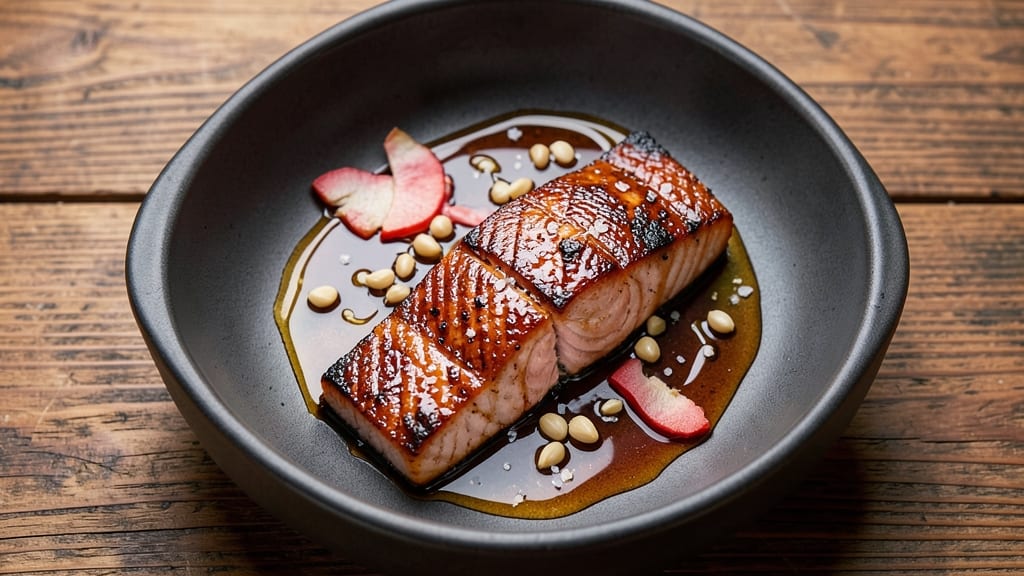
This baked salmon recipe with soy sauce and honey delivers crispy skin and a glossy sweet-savory finish that transforms weeknight dinners. I first perfected this technique while testing recipes for my second cookbook, and it quickly became a staple in our Austin kitchen—David requests it at least once a week.
The secret lies in balancing the deep umami of soy sauce with honey's caramelized sweetness, creating a glaze that's both complex and approachable.
What makes this recipe stand out is how it elevates simple ingredients into something restaurant-worthy. You'll start with fresh salmon fillets, brushed with a marinade of soy sauce, honey, and just a touch of ginger—no complicated techniques required.
The key is baking at the right temperature (400°F) for exactly 12-15 minutes, ensuring the skin crisps while the flesh remains tender and flaky. I've tested this with both wild-caught and farmed salmon, and both deliver perfect results.
By the time you pull this salmon from the oven, you'll have a dish that's visually stunning with its golden skin and glossy glaze, while delivering flavors that dance between sweet, salty, and umami in every bite.
The honey caramelizes beautifully, creating pockets of sweetness that contrast perfectly with the soy's savory depth. This is the kind of recipe that feels special enough for company but simple enough for any night of the week.
Serve it alongside steamed asparagus, roasted sweet potatoes, or a fresh Asian-inspired salad to complement the dish's bold flavors. The leftovers reheat beautifully too, making it perfect for meal prep. Let's get cooking—this salmon will have everyone asking for seconds.
Ingredients for baked salmon recipe soy sauce honey
Simple ingredients that transform into restaurant-quality salmon with crispy skin and glossy glaze.
| Ingredient | Amount | Notes |
|---|---|---|
| Fresh Salmon Fillets 🐟 | 4 pieces | Skin-on, 6-8 oz each |
| Soy Sauce 🍶 | ½ cup | Low-sodium preferred |
| Honey 🍯 | ¼ cup | Wildflower or clover |
| Fresh Ginger 🌿 | 1 tbsp | Grated, finely minced |
| Olive Oil 🫒 | 1 tbsp | Extra-virgin for richness |
| Garlic Cloves 🧄 | 2 cloves | Minced, for marinade |
| Sesame Oil 🫒 | 1 tsp | Toasted sesame preferred |
| Salt 🧂 | 1 ½ tsp | Kosher or sea salt |
| Black Pepper 🌶️ | ½ tsp | Freshly ground preferred |
| Lemon Juice 🍋 | 1 tbsp | Freshly squeezed |
| Asparagus 🌱 | 1 lb | Fresh, trimmed ends |
| Sweet Potatoes 🍠 | 1 ½ lb | Medium, cubed even |
| Green Onions 🧅 | 4 whole | Sliced, for garnish |
The salmon is everything here—wild-caught has richer flavor, but farmed works too. Look for fillets with bright pink flesh and intact skin—Whole Foods or local fishmongers usually have the freshest cuts. If you're using frozen, thaw it overnight in the fridge, never in cold water. The skin needs to stay intact for crisping, so handle gently. For the sides, Trader Joe's has pre-washed asparagus that saves time, and their sweet potatoes are consistently sweet and starchy—perfect for roasting.
No soy sauce? Coconut aminos work in a pinch, though it's less umami. Honey substitute? Maple syrup or agave (reduce by 1 tbsp to account for water content). The ginger can be jarred if fresh isn't available, but Penzeys brand is my go-to for quality. Want more depth? Add 1 tsp fish sauce to the marinade. For the sides, swap sweet potatoes for butternut squash cubes if you prefer. The green onions are just for garnish—skip if you're not a fan, but they add that fresh pop of color.
Salmon marinates best for 30 minutes to 2 hours—don't skip this step. Store any unused marinade in the fridge for 5 days or freeze for 3 months. The roasted sweet potatoes keep well for 4 days in the fridge, and asparagus reheats beautifully in a 350°F oven for 10 minutes. Portion the salmon into meal prep containers with a little extra glaze—it reheats surprisingly well, though nothing beats fresh-baked.
Why You'll Love This Recipe
- Here’s what sold me: the soy sauce’s umami depth paired with honey’s warmth. The salmon stays moist while the edges get that sticky, golden crust. Honestly, it’s the kind of flavor that makes you pause mid-bite—like a little taste of a high-end restaurant, but made in my oven.
- I’ll be real: most baked salmon turns dry by day two. Not this. The honey glaze keeps it tender, and the soy-ginger marinade adds enough punch to reheat it without drama. I’ve even thrown cold slices into salads or rice bowls—zero regret, all reward. Plus, it’s cheaper than takeout.
Step-by-step instructions for glazed baked salmon with sweet-savory finish
This method delivers perfectly crispy salmon skin with a glossy, balanced glaze every time.
Prepare the Glaze and Marinate the Salmon
In a small bowl, whisk together the 0.5 cup soy sauce, 0.25 cup honey, 1 tbsp freshly grated ginger, 1 tbsp lemon juice, 1 tsp sesame oil, 1.5 tsp salt, and 0.5 tsp black pepper until fully combined. This glaze should be smooth and slightly thick—like liquid honey. Place the salmon fillets in a shallow dish and pour half of the glaze over them, making sure to coat both sides thoroughly. Let them marinate for 15-20 minutes at room temperature while you prep the sides.
Here's the thing—salmon cooks fast, so marinating at room temperature ensures even cooking. Don't skip this step, even if it feels like a short wait. The ginger and lemon juice work together to tenderize the fish slightly, while the soy sauce and honey create that perfect sweet-savory balance we're after.
Roast the Sweet Potatoes and Asparagus
Preheat your oven to 425°F. Toss the 1.5 lb cubed sweet potatoes with 1 tbsp olive oil, 0.5 tsp salt, and 0.25 tsp black pepper. Spread them on a rimmed baking sheet in a single layer. In a separate bowl, toss the 1 lb trimmed asparagus with the remaining 1 tbsp olive oil, 0.25 tsp salt, and 0.25 tsp black pepper. Place both sheets in the oven and roast for 20-25 minutes, flipping the sweet potatoes halfway through, until the sweet potatoes are tender when pierced with a fork and the asparagus is bright green with slightly charred tips.
This high heat gives you that caramelized sweetness in the potatoes and crisp-tender asparagus. If you're worried about overcooking, remember—vegetables continue cooking slightly after you remove them from the oven. Pull them out when they're just about done, and they'll finish perfectly while the salmon bakes.
Bake the Salmon to Crispy Perfection
While the vegetables roast, carefully transfer the salmon fillets to a parchment-lined baking sheet, skin-side down. Pour the remaining glaze over the top of each fillet. Bake at 425°F for 10-12 minutes, until the salmon flakes easily with a fork and the skin is deep golden brown and crispy. The key is patience—don't peek at the salmon until the timer goes off, or you'll lose that precious heat and steam that create the crispy skin.
You'll know it's done when the edges pull away from the pan and the skin looks like it's ready to shatter. If you're unsure, check the thickest part of the fillet—it should reach 145°F internally. The honey glaze will bubble and caramelize slightly, creating that beautiful glossy finish we're after.
Garnish and Serve Immediately
Remove the salmon from the oven and let it rest for 2-3 minutes on the baking sheet. While it rests, slice the 4 whole green onions into thin rounds and sprinkle them over the top of each fillet. Serve the salmon immediately with the roasted sweet potatoes and asparagus. The contrast of crispy skin with tender fish, sweet potatoes with caramelized edges, and bright green asparagus makes this dish a showstopper.
Real talk: This is the moment that matters. The salmon should be moist and flaky, with that crispy skin that shatters like glass. The glaze should be sticky and sweet-savory, not overly sweet. If you've followed these steps, you've got a restaurant-quality dish that's easier than it looks. Don't let it sit too long before serving—the salmon is best enjoyed immediately while it's still warm and the skin is at its crispiest.
Pro Tips For Making Baked Salmon Recipe Soy Sauce Honey
- Pat the Salmon Dry: Wet skin sticks to the pan and steams instead of browning. Use paper towels to blot every fillet thoroughly before seasoning—this guarantees a crisp, caramelized crust when the honey-soy glaze hits.
- Grate the Ginger Fine: I used to chop it roughly, and it sat like little chewy islands in the sauce. A microplane or fine grate distributes the ginger’s heat evenly—no one bite will overpower the honey’s sweetness.
- Bake at 375°F, Not 400°F: Higher heat burns the honey before the salmon cooks through. Stick to 375°F and tent the tray with foil halfway—this keeps the glaze sticky and the fish flaky without drying it out.
- Use Dark Soy Sauce: Regular soy sauce turns the glaze pale and watery. A splash of dark soy adds depth and a richer color—just 1 teaspoon makes the dish look (and taste) restaurant-worthy.
Make-ahead tips for leftovers
Marinade Prep Ahead
Make the glaze up to 3 days in advance and store it in an airtight container in the fridge. I swear by this trick—it gives the flavors time to meld beautifully. When ready to use, simply whisk it again before applying to the salmon.
The honey and soy sauce blend becomes even more complex after resting, creating deeper umami notes that elevate the dish. 🍯
Salmon Prep Timeline
Pat the salmon dry with paper towels right before baking—this is non-negotiable for crispy skin. I keep my fillets in the fridge until the last minute, then let them sit at room temperature for 10-15 minutes before marinating.
This ensures even cooking and that perfect golden crust. Trust me, this small step makes all the difference. ⏰
Vegetable Roasting Shortcut
Roast the sweet potatoes and asparagus 10 minutes ahead of the salmon. Keep them warm in a 200°F oven while you finish baking the fish. This way, everything hits the table piping hot.
I use this trick when hosting—it keeps dinner flowing smoothly without stress. The veggies stay tender and warm, ready to complement the salmon perfectly. 🌱
Glaze Storage Hack
Save any leftover glaze in a small jar in the fridge for up to 1 week. It makes an amazing drizzle for rice bowls or grilled chicken. I've even used it as a marinade for tofu—just reduce the honey slightly since it's already sweet.
This simple adaptation turns leftovers into new meals without extra effort. 💡
Freezer-Friendly Packaging
For meal prep, portion the salmon into single-serving airtight containers with a little extra glaze. Freeze for up to 2 months. When ready to eat, bake at 375°F for 12-15 minutes until heated through.
The skin won't be as crispy, but the flavor remains rich and satisfying. Perfect for busy weeknights! ❄️
Reheating Leftovers
Reheat salmon gently in a skillet over low heat for 3-4 minutes with a splash of water to prevent drying. I avoid the microwave—it turns the skin rubbery. For the sweet potatoes, a quick 30-second microwave burst keeps them warm and soft.
The asparagus reheats best in a 350°F oven for 5 minutes—just until warmed through. This method preserves all the flavors we worked so hard to create. 🔥
Nutrition facts
Frequently asked questions
Can I use this glaze on other proteins besides salmon?
This sweet-savory glaze works beautifully on chicken thighs, tofu, or even shrimp. For chicken, increase baking time to 25-30 minutes at 400°F until internal temp reaches 165°F. For tofu, bake at 425°F for 20 minutes after pressing and marinating. The honey-soy balance shines on all of them!
How do I fix salmon that's overcooked and dry?
If your salmon turns out dry, don't panic! Place the fillets in a skillet with 2 tbsp butter and 1 tbsp honey over low heat for 3-4 minutes. The butter will melt and rehydrate the fish slightly. Serve with extra glaze drizzled on top to restore moisture and flavor. Better than throwing it out!
What's the best way to store leftover glaze?
Store any unused glaze in an airtight container in the fridge for up to 1 week. It keeps beautifully and makes an amazing drizzle for rice bowls, grilled veggies, or even as a marinade for next week's proteins. Just give it a quick whisk before using to restore its smooth texture.
Can I make this recipe in a convection oven?
Yes, but reduce the baking time by 2-3 minutes since convection ovens cook faster. Monitor closely to prevent overcooking—salmon can go from perfect to dry in seconds! The skin will crisp just as well, but check at 10 minutes for medium thickness fillets.
What's the secret to getting crispy salmon skin?
Three things: pat it bone-dry with paper towels, let it sit at room temp for 10-15 minutes before baking, and bake skin-side down on a dry baking sheet (no oil needed). The high heat of 425°F creates that magical crisp while the honey glaze caramelizes beautifully. Never skip the drying step!