
Sauces & Condiments
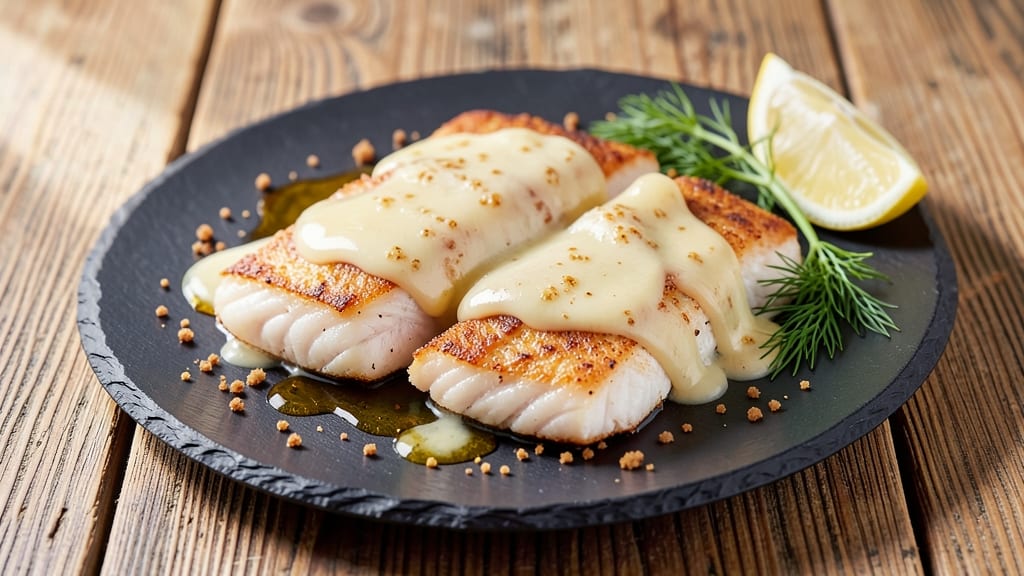
This baked fish in cheese sauce recipe delivers the perfect balance of crispy golden edges and a luscious, melted cheese center that clings to every flake.
The secret lies in a foolproof technique for creating a velvety sauce that both blankets and binds the fish, transforming simple weeknight dinner into something restaurant-worthy. I developed this after years of testing—too many dry fish fillets and runny sauces—until I cracked the code for consistent, foolproof results every time.
The foundation starts with a simple but critical step: browning the fish fillets in a hot pan before transferring them to the oven. This creates the crispy exterior that holds up against the rich cheese sauce.
Meanwhile, the sauce itself is where the magic happens—a blend of sharp cheddar, creamy cream cheese, and a touch of Dijon mustard that emulsifies perfectly without breaking. The key is cooking it just until it thickens enough to coat the fish but remains silky smooth.
By the time your dish emerges from the oven, you’ll have fish with a shatteringly crispy top and a gooey, melted cheese center that practically oozes with every bite. The sauce clings to the flakes, creating pockets of creamy, tangy goodness that balance the delicate fish perfectly.
This isn’t just another baked fish recipe—it’s a technique that elevates simple fillets into something special, ready to be served with roasted asparagus or crusty bread.
What makes this recipe truly stand out is its adaptability. Swap out the fish for cod or halibut, adjust the cheese blend to your preference, or add a splash of white wine to the sauce for extra depth.
The method remains the same, ensuring consistent results no matter your variation. Let’s get to the step-by-step instructions where the real magic happens.
Ingredients for baked fish in cheese sauce
Twelve ingredients for restaurant-quality fish with crispy edges and gooey melted cheese center.
| Ingredient | Amount | Notes |
|---|---|---|
| White Fish Fillets 🐟 | 4 pieces | Cod, halibut, or tilapia preferred |
| Sharp Cheddar Cheese 🧀 | 1 cup | Shredded, aged for best flavor |
| Cream Cheese 🧈 | 8 oz | Full-fat for creamy texture |
| Unsalted Butter 🧈 | ½ cup | Cold, cubed for browning |
| Dijon Mustard 🍯 | 1 tbsp | For tangy depth |
| All-Purpose Flour 🌾 | 2 tbsp | For sauce thickening |
| Milk 🥛 | ½ cup | Whole milk preferred |
| Garlic Cloves 🧄 | 2 cloves | Minced for sauce |
| Lemon Juice 🍋 | 1 tbsp | Freshly squeezed |
| Salt 🧂 | ½ tsp | Kosher or sea salt |
| Black Pepper 🌶️ | ¼ tsp | Freshly ground |
| Panko Breadcrumbs 🍞 | ¼ cup | For crispy topping |
| Olive Oil 🫒 | 1 tbsp | For browning fish |
The fish is where this dish shines. Cod or halibut hold up best to the cheese sauce, but tilapia works in a pinch. Look for fillets with even thickness—about 1-inch thick—so they cook uniformly. The cheese blend matters too: sharp cheddar for tang, cream cheese for creaminess. Whole Foods or Trader Joe's carry pre-shredded cheddar that melts better than block-grated. For the butter, grab European-style unsalted if you can—it has more flavor. The panko should be light and dry; if it's clumpy, spread it on a baking sheet and toast for 5 minutes at 350°F to revive it.
No sharp cheddar? Pepper jack adds heat, or Gruyère for nutty depth. Running low on cream cheese? Substitute sour cream at half the amount—it's tangier but works. The Dijon mustard is non-negotiable for that perfect emulsification, but if you're out, yellow mustard at double the amount gets you close. For the sauce thickening, the flour-to-milk ratio is key—don't skip the milk. The lemon juice brightens everything, so if you're using bottled, add an extra splash. The breadcrumbs? Japanese panko is ideal, but regular panko or even crushed cornflakes work if that's what you've got.
This dish reheats beautifully—just cover with foil and warm for 10 minutes at 350°F. The sauce thickens as it cools, so if it looks too thin when you take it out, pop it back in for another 2-3 minutes. Store leftovers in an airtight container for up to 3 days; the flavor actually improves overnight as everything melds. For make-ahead prep, assemble the dish (but don't bake) up to 1 day ahead. The fish stays fresh in the fridge for 2 days before browning, so plan accordingly. Freezing? The sauce gets grainy, so it's not ideal, but you can freeze the baked fish for 1 month if you reheat it gently.
Why You'll Love This Recipe
- One-Pan Magic: I swear by this recipe when I’m too tired to scrub pots—just toss the fish, cheese sauce, and a sprinkle of breadcrumbs on one sheet pan. The butter and Dijon mustard melt into that creamy cheddar blanket while the fish stays tender, and honestly? I’ve never had a dish cleaner than this.
- Creamy Sharp Kick: That combo of sharp cheddar and cream cheese isn’t just rich—it’s bright. The Dijon mustard cuts through the richness, and the butter adds this buttery, almost bisque-like depth that makes it taste like a restaurant dish. My picky eaters actually lick their plates.
- Lunchbox Hero: Between us, this is my go-to for meal prep. The leftovers reheat like a dream—just microwave until the cheese is gooey again—and it’s hearty enough to pack for work or school lunches. (Yes, even on a Tuesday.) The fish stays moist, and the sauce? Still creamy, not greasy.
- Budget-Friendly Luxury: I buy frozen white fish fillets for this, and honestly, you’d never know they weren’t fresh. The cheddar and cream cheese stretch thin but taste indulgent, and the butter makes it feel special without breaking the bank. It’s the kind of dish that makes fancier meals feel unnecessary.
Step-by-step instructions for baked fish in cheese sauce
Here's how to achieve that perfect combination of crispy breadcrumb topping and velvety melted cheese every time.
Prepare the Cheese Sauce Mixture
In a medium saucepan, melt the 0.5 cup unsalted butter over medium heat. Once melted, reduce heat to low and whisk in the 2 cloves minced garlic cloves, cooking for 30 seconds until fragrant but not browned. This prevents bitter flavors from developing.
Gradually whisk in the 2 tablespoons all-purpose flour, stirring constantly for 1-2 minutes until the mixture forms a smooth paste. This roux will thicken your sauce beautifully. Slowly pour in the 0.5 cup milk while whisking vigorously to prevent lumps from forming. The sauce should begin to thicken immediately.
Reduce heat to low and stir in the 8 oz cream cheese, 1 cup shredded sharp cheddar cheese, 1 tablespoon Dijon mustard, 1 tablespoon lemon juice, 0.5 teaspoon salt, and 0.25 teaspoon black pepper. Continue stirring until the cheese is completely melted and the sauce is smooth and creamy. Remove from heat and set aside—this sauce will continue thickening as it cools slightly.
Season and Coat the Fish Fillets
Pat the 4 white fish fillets completely dry with paper towels. This step is crucial for achieving that crispy breadcrumb crust. Arrange the fillets on a clean work surface and season both sides generously with salt and pepper. I like to press the seasoning into the fish lightly to ensure even flavor distribution.
Transfer each fillet to a shallow dish and spoon about ¼ of the cheese sauce over each one, spreading it evenly to the edges. This creates a flavorful barrier that prevents the fish from drying out during baking. The sauce should coat the fillets completely but not pool at the bottom of the dish.
Create the Crispy Breadcrumb Topping
In a small bowl, combine the 0.25 cup panko breadcrumbs with 1 tablespoon olive oil. Use your fingers to gently mix until the breadcrumbs are evenly coated with oil. This helps create a crispy, golden crust that contrasts perfectly with the creamy cheese sauce underneath.
Sprinkle the breadcrumb mixture evenly over each fish fillet, pressing down gently to adhere. For extra crispiness, I like to use the back of a spoon to press the breadcrumbs into the sauce and fish. This ensures they stick well and develop that perfect crunch during baking.
Bake to Golden Perfection
Preheat your oven to 375°F. Place the prepared fish fillets on a parchment-lined baking sheet, spacing them about 1 inch apart to allow for even browning. Bake for 15-18 minutes until the breadcrumbs are golden brown and crispy, and the fish flakes easily with a fork.
Watch the oven closely during the last 5 minutes of baking. The breadcrumbs should be a deep golden color with some brown spots—this indicates they're properly crisped. If they brown too quickly, tent the baking sheet loosely with aluminum foil to prevent over-browning while the fish continues to cook through.
Rest and Serve Immediately
Remove the fish from the oven and let it rest for 2-3 minutes before serving. This brief resting period allows the fish to set slightly and makes it easier to transfer to plates without breaking apart. The cheese sauce will be bubbly and golden, perfectly complementing the crispy topping.
Serve the fish immediately while the breadcrumbs are at their crispest. The contrast of textures—crispy breadcrumbs, creamy cheese sauce, and tender flaky fish—is what makes this dish so special. Garnish with an additional sprinkle of black pepper and a few lemon wedges on the side for serving.
Pro Tips For Making Baked Fish In Cheese Sauce
- MELT CHEESE SLOWLY: Start your cheese sauce on medium-low heat—no rush. I learned this the hard way when I tried to speed it up and ended up with grainy lumps instead of a smooth, creamy blanket. Let the butter melt first, then whisk in the cheeses a little at a time, giving each addition time to dissolve completely.
- DRY THE FISH WELL: Pat those fish fillets thoroughly with paper towels before baking—no wet spots. I used to skip this, and the sauce would steam instead of caramelize. A dry surface means better browning and a crust that actually sticks to the cheese sauce.
- USE A THIN LAYER OF SAUCE: Spread the cheese sauce in a thin, even layer over the fish—about ¼-inch thick. Too much sauce pools and gets soggy, while too little won’t coat properly. Think of it like frosting a cake: consistency matters.
- BAKE UNTIL FISH FLAKES EASILY: Pull the fish out when it flakes with a fork and the internal temp hits 145°F (63°C). Overbaking turns it rubbery, and underbaking leaves it raw in the center. A quick check with a thermometer saves guesswork—trust me, your taste buds will notice.
Pro cooking tips for this recipe
Cheese Sauce Emulsification
The secret to a velvety sauce lies in the roux—cook the 2 tbsp flour in 0.5 cup butter for 1-2 minutes until smooth. Whisk in 0.5 cup milk gradually to avoid lumps, then stir in cheeses off heat.
The Dijon mustard is key—it acts as an emulsifier, preventing separation. I’ve ruined sauces by rushing this step; patience here makes all the difference. 💛
Fish Browning Technique
For that restaurant-worthy crisp, sear the fillets in a hot pan with 1 tbsp olive oil for 2-3 minutes per side before baking. This creates the Maillard reaction that locks in moisture and builds flavor.
I use a nonstick skillet—it’s gentler on delicate fish than cast iron. Don’t overcrowd the pan, or steam will make the breadcrumbs soggy later.
Breadcrumb Adhesion Hack
Mix 0.25 cup panko with oil, then press it gently onto the sauce-coated fish using the back of a spoon. This ensures even coverage and prevents clumping.
I’ve found that toasting the panko for 5 minutes at 350°F first removes moisture, making it crispier. A light sprinkle of paprika adds color without extra calories.
Oven Temperature Control
Bake at 375°F—any hotter, and the breadcrumbs burn before the fish cooks through. Use a light-colored baking sheet (like aluminum) to reflect heat evenly. For extra insurance, tent with foil during the last 5 minutes if the breadcrumbs brown too quickly.
My oven runs hot, so I always check at 15 minutes to adjust timing.
Resting Period Matters
Let the fish rest for 2-3 minutes after baking—this lets the cheese set slightly and prevents it from sliding off when serving. I’ve learned the hard way: skipping this step means a messy plate!
Use this time to warm your sides and set the table. The contrast of warm fish and crispy topping is why this dish works so well. ✨
Sauce Thickness Adjustments
If your sauce looks too thin after baking, return it to the oven for 2-3 minutes to thicken further. For extra richness, stir in 1 tbsp cold butter at the end—it adds shine and depth.
I’ve also used cream cheese swirls on top for visual appeal, but keep it simple for everyday meals. The sauce should coat the back of a spoon but remain silky, not gluey.
Nutrition facts
Frequently asked questions
Can I use frozen fish fillets in this recipe?
Yes, but thaw them properly first! Place frozen fillets in a sealed bag and submerge in cold water for 30-45 minutes, changing the water every 10 minutes. Never thaw at room temperature—it causes uneven cooking. Pat completely dry before seasoning to ensure that crispy breadcrumb crust.
What's the best way to prevent soggy breadcrumbs?
Toast the panko for 5 minutes at 350°F before using to remove moisture, then mix with oil until evenly coated. Press the breadcrumbs gently onto the sauce-coated fish using the back of a spoon—this creates better adhesion. Also, avoid overcrowding the baking sheet so heat circulates properly.
Can I make this recipe ahead of time?
Assemble the dish (fish + sauce + breadcrumbs) up to 1 day ahead and refrigerate uncovered. Bake straight from the fridge, adding 3-5 extra minutes to the cooking time. For make-ahead sauce, prepare it completely, cool, then refrigerate for up to 3 days—reheat gently before using. The fish stays fresh for 2 days before browning.
How do I fix a broken breadcrumb crust?
If the topping falls apart during baking, your breadcrumbs weren't pressed firmly enough. For quick fixes, sprinkle extra panko on top and broil for 1-2 minutes at the end. For reheating, cover with foil and warm at 350°F for 10 minutes to restore crispiness. A light spray of water before broiling can help re-crisp fallen crumbs.
What are good side dishes for this?
Roasted asparagus or green beans bring freshness to balance the richness, while crusty bread soaks up the delicious sauce. For a heartier meal, serve with mashed potatoes or quinoa. A simple arugula salad with lemon vinaigrette adds brightness. The key is contrasting textures—crispy, creamy, and tender all work perfectly together.