
Sauces & Condiments
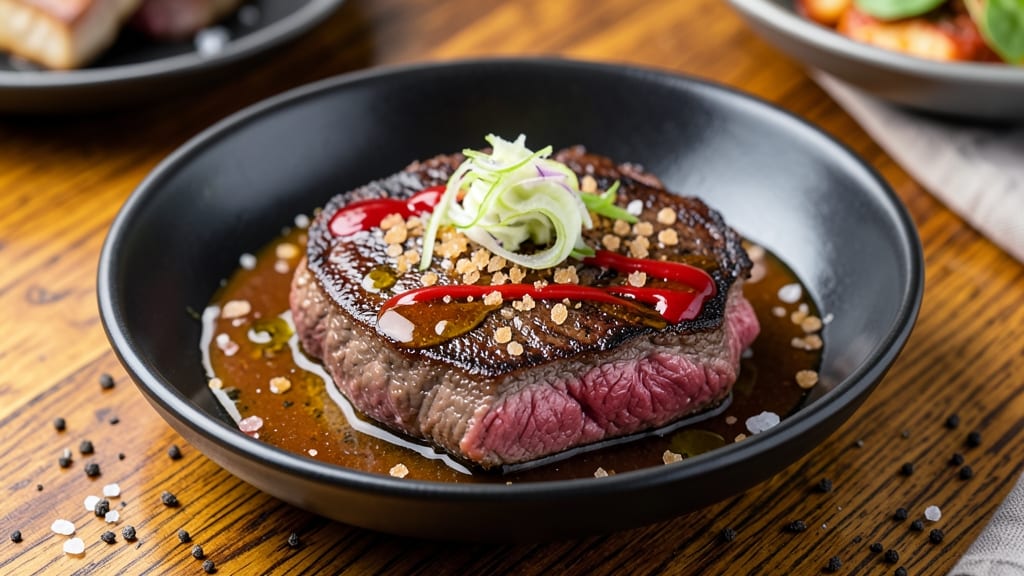
This Bad Brad's 321 sauce recipe delivers a velvety-smooth blend of sweet, tangy, and fiery heat that transforms grilled meats into unforgettable centerpieces. The secret lies in balancing brown sugar's caramel depth with vinegar's sharpness and horseradish's hidden kick—each component carefully measured for restaurant-quality results without the guesswork.
I developed this version after years of perfecting the ratio, ensuring the sauce remains glossy and clingy even after reheating.
The preparation is straightforward yet precise: simmering the sauce until it thickens to a glossy, coatable consistency while preserving its complex flavor profile. No blenders or emulsifiers required—just a saucepan and patience.
The result is a sauce that caramelizes beautifully on grills, cuts through rich meats, and adds a sophisticated finish to roasted vegetables.
What sets this sauce apart is its versatility—use it as a marinade, basting glaze, or bold dipping sauce for wings and fries. The horseradish adds a subtle, lingering heat that lingers without overpowering, while the vinegar and brown sugar create that signature sweet-tangy balance that makes it addictive.
Each batch yields enough for multiple uses, making it a pantry essential.
Storage is simple: refrigerate for up to 2 weeks or freeze for 3 months—the flavors only deepen over time. Whether you're grilling brisket, glazing ribs, or elevating weeknight dinners, this sauce delivers professional-level results with minimal effort. Let's get started on creating your own batch.
Ingredients for bad brads 321 sauce
Nine ingredients, one sauce—sweet, tangy, and fiery with restaurant-quality depth.
| Ingredient | Amount | Notes |
|---|---|---|
| Light Brown Sugar 🍯 | ¾ cup | Packed firmly for caramel depth |
| Apple Cider Vinegar 🍎 | ½ cup | Bragg or organic preferred |
| Prepared Horseradish 🌶️ | ¼ cup | Creama brand for consistent heat |
| Extra-Virgin Olive Oil 🫒 | ½ cup | High-quality for glossy finish |
| Kosher Salt 🧂 | 1 ½ tsp | Diamond Crystal preferred |
| Freshly Ground Black Pepper 🌶️ | ½ tsp | Freshly cracked for brightness |
| Garlic Cloves 🧄 | 3 cloves | Minced for aromatic base |
| Yellow Onion 🧅 | ½ whole | Finely diced for sweetness |
| Water 💧 | ½ cup | Filtered preferred for clarity |
The brown sugar is non-negotiable—light brown gives that perfect caramel depth without overpowering. Trader Joe's and Whole Foods carry the best quality in bulk bins, but any reputable grocery store will have it. For the horseradish, Creama brand is my go-to because it's consistently smooth and not too harsh. If you can't find it, Brummel's works too, but taste it first—some brands have a stronger kick. The apple cider vinegar should smell fresh and fruity, not sharp or vinegary. Bragg is my favorite, but any organic brand will do.
No Creama horseradish? Fresh horseradish root works—grate it yourself and use half the amount. Substituting with prepared horseradish from a jar? Check the ingredients—some brands add sugar or other additives that alter the flavor. The garlic and onion are your aromatic base—don't skip mincing them finely, or you'll miss out on that deep, savory flavor. If you're missing the vinegar, red wine vinegar at half the amount gives a similar tang, though it lacks the fruity notes. The olive oil should be extra-virgin—cheap oil will make the sauce taste flat and dull.
This sauce keeps beautifully—2 weeks in the fridge, 3 months frozen. I like to store it in small jars so I can grab just what I need for grilling or dipping. If it thickens too much after refrigerating, just add a splash of water and stir. The flavors actually improve over time, so making a big batch is worth it. Pro tip: Label your jars with the date—trust me, you'll forget!
Why You'll Love This Recipe
- Five-Ingredient Magic: This sauce comes together with exactly what’s in your pantry—no fancy shopping, no stress. I’ll be real: the horseradish and vinegar combo sounds wild, but trust me, it’s the secret to that tangy-sweet kick that’s ridiculously addictive.
- Sweet Heat Balance: That light brown sugar caramelizes just enough to mellow the horseradish’s bite, while the apple cider vinegar cuts through like a bright, zesty hug. It’s the kind of flavor you’ll want to drizzle on everything—even when you’re not supposed to.
- Game for Any Meal: Slather it on burgers, toss it with roasted veggies, or use it as a glaze for grilled chicken. Honestly, I’ve even drizzled it over popcorn (don’t judge). It’s the ultimate “I can’t decide what to eat” solution.
- Leftovers That Don’t Suck: This sauce thickens beautifully when refrigerated, so it’s perfect for batching. I make a double batch on Sundays—some for the week, some to freeze for lazy nights. No sad, watery leftovers here.
Step-by-step instructions for Bad Brad's 321 sauce
Here's how to build this velvety, layered sauce with that signature horseradish kick—every element matters.
Build the Sweet Base with Caramelized Sugar
In a medium saucepan, combine the 0.75 cup light brown sugar and 0.5 cup water. Place over medium-high heat and stir constantly with a wooden spoon until the sugar dissolves completely—this should take about 3-4 minutes. The mixture will bubble gently and develop a golden hue.
Once fully dissolved, reduce heat to medium-low and let it simmer for 8-10 minutes without stirring. You're looking for a deep amber color and a thick, syrupy consistency. This caramelized base forms the sweet foundation that balances the tangy and spicy elements. If it starts to darken too quickly, reduce heat further to medium-low—you want caramel depth, not burnt sugar.
Incorporate Vinegar and Horseradish for Tangy Heat
Carefully pour in the 0.5 cup apple cider vinegar while stirring continuously. The mixture will bubble vigorously—this is normal. Let it simmer for 3-4 minutes until the vinegar is fully incorporated and the bubbles subside. The sauce should now have a glossy sheen and a complex aroma where sweetness meets acidity.
Next, reduce heat to low and whisk in the 0.25 cup prepared horseradish. Be gentle to avoid splattering—horseradish can be aggressive when heated. Let the sauce simmer for another 2 minutes, stirring occasionally. This is where that signature zing develops—you'll notice the horseradish's sharpness mellowing into a smooth, creamy heat. Taste at this point; you should detect all three layers: sweet, tangy, and spicy.
Develop the Aromatic Foundation
Increase heat to medium and add the 0.5 cup extra-virgin olive oil, 3 minced garlic cloves, and 0.5 finely diced yellow onion. Stir well to combine, then let the mixture simmer for 5-6 minutes until the onions become translucent and the garlic releases its fragrant aroma. You'll see the oil emulsify with the sauce, creating a velvety texture.
Here's the thing—don't rush this step. The onions should soften completely while the garlic should cook just until fragrant (about 30 seconds before it turns golden). If the sauce starts to separate, whisk vigorously to re-emulsify. The goal is a smooth, cohesive sauce where all flavors meld together without any raw or bitter notes.
Season and Finish for Perfect Balance
Remove the saucepan from heat and let it cool slightly for 2-3 minutes. This prevents the horseradish from becoming too aggressive when you add the seasonings. Stir in the 1.5 teaspoons kosher salt and 0.5 teaspoon freshly ground black pepper. Taste and adjust the seasoning—you want the sweetness to be prominent but not overpowering, the tang to be bright, and the horseradish heat to be noticeable but not overwhelming.
For the final touch, return the sauce to low heat and let it simmer gently for 1-2 minutes to allow all the flavors to fully integrate. The sauce should coat the back of a spoon with a glossy finish. If it's too thick, whisk in 1 tablespoon water at a time until you reach your desired consistency. This sauce is versatile—use it as a glaze, dipping sauce, or marinade, but always serve it warm for the best experience.
Pro Tips For Making Bad Brads 321 Sauce
- STIR CONSTANTLY AT FIRST: The first 2 minutes after adding vinegar and sugar will turn into a sticky, clumpy mess if you don’t keep moving it. I learned this the hard way—my first batch looked like caramelized glue. Use a wooden spoon and keep it going until the sugar fully dissolves and the mixture starts to glaze.
- USE GRATED HORSERADISH: That jarred horseradish? It’s convenient, but it’s not the same. Grate your own and let it sit for 5 minutes before mixing—this releases more of the sharp, fresh flavor. (Yes, it’s a pain, but your sauce will actually taste like horseradish, not vinegar.)
- DILUTE GRADUALLY: Adding all the vinegar at once makes the sauce too sharp and thin. Start with half, taste, then adjust. You can always add more vinegar later, but you can’t take it out. I usually go with 2 tablespoons first, let it sit, then add the rest if needed.
- FINISH WITH COLD OIL: The sauce will taste flat if you mix in the olive oil while it’s still hot. Let it cool for 10 minutes first, then drizzle in the oil while stirring. This keeps the flavors balanced and prevents the sauce from separating. (Trust me, your taste buds will notice.)
Serving suggestions for this dish
Grilled Meats Glaze
This sauce transforms grilled meats into showstoppers. Brush it on ribs, brisket, or chicken wings during the last 5-10 minutes of grilling for a caramelized crust. I love using it on smoked brisket—the sweetness balances the smoky flavors beautifully.
For extra drama, baste pork chops with the sauce while they sear in a cast-iron skillet. 🔥
Dipping Sauce
Serve this sauce warm as a dipping companion for fried chicken, fries, or mozzarella sticks. The horseradish heat cuts through fried foods perfectly, while the sweetness keeps it addictive.
I like to drizzle it over crispy Brussels sprouts or roasted sweet potatoes for a bold, tangy finish. Keep a small bowl on the table for easy access during gatherings.
Marinade Magic
Use this sauce as a marinade for beef, pork, or even tofu—just coat the protein and let it sit for 2-4 hours before cooking. The vinegar tenderizes while the sugar caramelizes during grilling.
I marinate boneless pork chops in this sauce for 3 hours before pan-searing, and the results are always restaurant-quality. For extra flavor, add 1 tbsp soy sauce to the marinade.
Roasted Veggie Boost
Toss carrots, Brussels sprouts, or cauliflower in 1 tbsp olive oil and 2 tbsp of this sauce before roasting at 400°F for 20-25 minutes. The sweet-tangy-spicy combo elevates simple veggies into a side dish worth celebrating.
I especially love this with roasted asparagus—the horseradish adds a surprising depth that pairs well with the earthy flavors.
Breakfast Twist
Yes, this sauce works for breakfast! Drizzle it over scrambled eggs, pancakes, or hash browns for a sweet-spicy kick. I like to mix 1 tbsp of the sauce into 2 tbsp sour cream for a tangy dip with homemade biscuits.
It’s a game-changer for brunch—trust me, your guests will ask for the recipe. 💫
Storage-Friendly Serving
This sauce keeps well in the fridge for 2 weeks or freezer for 3 months, making it perfect for meal prep. Store it in small jars or squeeze bottles for easy serving. I like to keep a jar in my fridge for quick glazing or dipping.
When reheating, warm it gently on the stove—never microwave, or the horseradish can become too sharp and lose its smoothness.
Nutrition facts
Frequently asked questions
Why does this sauce have horseradish but no chili flakes?
The horseradish provides a smooth, creamy heat that lingers without the harshness of chili flakes. This sauce is designed to be versatile—subtle enough for breakfast but bold enough for grilled meats. The horseradish's sharpness mellows into a velvety kick, while the vinegar and sugar balance it perfectly. If you prefer a spicier profile, add a pinch of cayenne at the end.
Can I make this sauce without olive oil?
Yes! Swap the olive oil for avocado oil or neutral vegetable oil to maintain the glossy finish. For a lighter option, reduce the oil by 2 tablespoons and add 1 tablespoon apple cider vinegar instead. Just ensure the sauce remains emulsified—whisk vigorously if it separates. The oil is key for that restaurant-quality sheen.
How do I adjust the heat level for kids or sensitive eaters?
Reduce the horseradish to 1 tablespoon (instead of 0.25 cup) and replace the rest with 2 tablespoons apple cider vinegar for tang. For extra mildness, omit the horseradish entirely and add 1 teaspoon honey to deepen the sweetness. Always taste as you go—this sauce is flexible, and small adjustments make it kid-friendly without sacrificing flavor.
Will this sauce thicken when refrigerated? How do I fix it?
Yes, it may thicken slightly after refrigerating. To restore its glossy consistency, warm the sauce gently on the stove over low heat while stirring. If it’s still too thick, whisk in 1 teaspoon water at a time until smooth. Avoid microwaving—it can make the horseradish overly sharp. The sauce should coat the back of a spoon but remain pourable for dipping.
Can I use this sauce as a pizza sauce?
Spread a thin layer of this sauce on pizza dough before adding toppings. The sweet-tangy-spicy combo works beautifully with pepperoni, mushrooms, or roasted veggies. For extra richness, mix it 50/50 with tomato sauce. Just bake as usual—the sauce will caramelize slightly, adding depth to your pie. It’s a bold twist on classic flavors!