
Sauces & Condiments
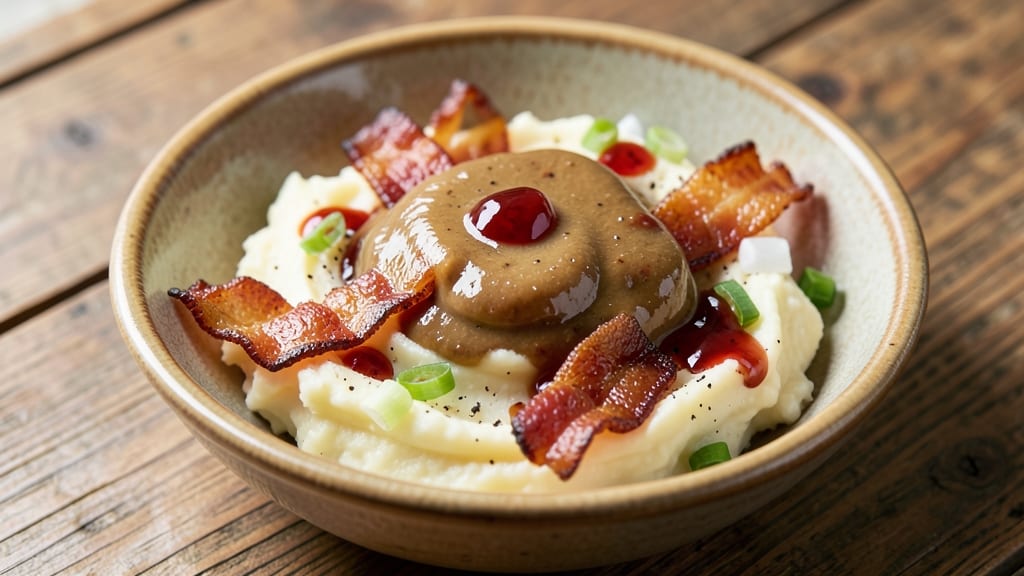
This bacon mustard sauce recipe transforms simple ingredients into a rich, smoky-sweet emulsion that elevates grilled meats, burgers, and roasted vegetables. The key lies in rendering crispy bacon fat, blending it with tangy mustard, and emulsifying with a touch of mayo for that signature velvety texture.
I developed this recipe after craving a sauce that balanced bold flavors without overpowering the main dish—something that clings perfectly to every bite.
The process is straightforward but requires precision: cook the bacon until crisp, strain out the fat, then combine with Dijon mustard and a splash of vinegar for brightness. A small amount of mayo or cream cheese acts as the emulsifier, binding everything together into a glossy, drizzling-ready sauce.
The result is a perfect harmony of smoky depth, sharp mustard tang, and creamy richness that works as a glaze, dip, or finishing drizzle.
What makes this sauce truly versatile is its adaptability—use it to coat grilled steaks, slather it on burgers, or toss it with roasted Brussels sprouts for an instant flavor upgrade.
The emulsion stays stable when reheated, making it ideal for meal prep or last-minute grilling. Once you taste this sauce, you’ll never settle for store-bought again.
Store it in an airtight container in the refrigerator for up to 5 days, or freeze for longer shelf life. The flavors deepen slightly over time, so it’s worth making a batch ahead for your next cookout or weeknight dinner. Let’s get started!
Ingredients for bacon mustard sauce
Six ingredients, three steps—this sauce turns smoky bacon into velvety perfection.
| Ingredient | Amount | Notes |
|---|---|---|
| Thick-Cut Bacon 🥓 | 6 oz | Thick-cut for maximum crispiness and fat |
| Dijon Mustard 🌶️ | 2 tbsp | High-quality for tangy depth |
| Mayonnaise 🥛 | 2 tbsp | For stable emulsion (use full-fat) |
| Apple Cider Vinegar 🍋 | 1 tbsp | Brightens the sauce (or sub lemon juice) |
| Granulated Sugar 🍚 | 1 tsp | Balances mustard sharpness |
| Freshly Ground Black Pepper 🌶️ | ¼ tsp | Freshly cracked for heat |
| Kosher Salt 🧂 | ½ tsp | Adjust to taste after blending |
| Heavy Cream 🥛 | 1 tbsp | Optional for extra richness (omit for lighter texture) |
The bacon is everything here. Thick-cut gives you more fat and crispier edges—Oscar Mayer or local butcher cuts work best. Render it in a cold skillet to avoid burning, then strain out every last bit of fat (don’t skip this!). If you’re feeling fancy, applewood-smoked bacon adds an extra layer of depth. The Dijon mustard? Maille or Amora are my go-tos—they’ve got that perfect balance of tang and smoothness. Grab the fancy kind if you’ve got it, but regular works in a pinch.
No mayo? Greek yogurt or sour cream works as a substitute (use half the amount). Heavy cream giving you pause? Skip it—this sauce is delicious without. Short on vinegar? Lemon juice or balsamic both work, but apple cider’s the classic. The sugar might seem odd, but trust me—it cuts through the mustard’s bite and rounds out the smokiness. If you’re making this ahead, store the bacon fat separately until you’re ready to blend everything—it keeps fresh for 1 week in the fridge.
This sauce stays stable for 5 days in the fridge, but the flavors actually improve after a night in the fridge—everything melds together. For longer storage, freeze it in 1-tbsp portions (perfect for drizzling). Reheat gently in a small saucepan over low heat, stirring constantly. If it splits, just whisk in a splash of warm water or a tiny bit of extra mayo. Double the batch—you’ll want it on everything.
Why You'll Love This Recipe
- Five-Ingredient Magic: The pantry already has these—no fancy shopping spree needed. Crispy bacon fat blends right into the Dijon and mayo, so you’re not just mixing; you’re building layers of flavor with stuff you’d grab anyway.
- Sweet-Savory Kick: That sugar isn’t just for sweetness—it cuts through the mustard’s bite while the vinegar keeps it bright. Honestly, the first time I tasted it, I immediately reached for more bread.
- Weeknight Swiss Army Knife: Slather it on burgers, drizzle over grilled chicken, or toss with roasted potatoes. Even my picky teen devours it—proof it’s not just good, it’s universally loved.
- Leftovers That Don’t Let You Down: Make a double batch; the sauce keeps for days in the fridge. The texture stays creamy, not grainy, so it’s just as good on day three as day one. (Yes, even on a Tuesday night.)
Step-by-step instructions for bacon mustard sauce
This smoky-sweet sauce comes together in minutes with simple ingredients you already have.
Cook the Bacon Until Crispy
Place the 6 oz thick-cut bacon in a cold skillet over medium heat. I like to use thick-cut because it renders fat more slowly, giving you that rich, smoky flavor without burning. Let it cook undisturbed for 8-10 minutes, flipping only once, until the edges are deep golden brown and the fat has rendered out.
As the bacon cooks, watch for the fat to pool in the pan—this is your flavor base. Once the bacon reaches 180°F internally and is crispy, use tongs to transfer it to a paper towel-lined plate, leaving the rendered fat in the skillet. Don’t drain the fat; it’s the secret to that perfect emulsion later. Let the bacon rest for 2 minutes before breaking it into small pieces with your hands or a fork.
Build the Sauce Base
Reduce the heat to low and carefully pour in the 1 tbsp apple cider vinegar. The vinegar will sizzle—this is normal—and help deglaze the pan, lifting up all those flavorful browned bits stuck to the bottom. Let it simmer for 1-2 minutes until the vinegar has mostly evaporated and the pan is nearly dry.
Next, add the 2 tbsp Dijon mustard and 1 tsp granulated sugar. Stir constantly for 30 seconds until the sugar dissolves and the mustard is fully incorporated. The sugar might seem like overkill, but it balances the sharpness of the mustard and vinegar, giving the sauce that perfect sweet-smoky harmony. If the mixture thickens too much, add 1 tsp water to loosen it slightly.
Create the Emulsion
Remove the skillet from heat and let it cool for 1 minute. This step is crucial—adding cold ingredients to hot fat can cause the sauce to break. Now, slowly drizzle in the 2 tbsp mayonnaise while whisking vigorously. The mayonnaise will thicken the sauce and add that creamy texture we all love.
Return the skillet to low heat and whisk in the 1 tbsp heavy cream (if using) and the 0.5 tsp kosher salt. The cream adds richness, but it’s optional if you prefer a lighter sauce. Cook for another 1-2 minutes, stirring constantly, until the sauce is smooth and slightly thickened. If it starts to split or look grainy, immediately remove it from heat and whisk in 1 tsp water to stabilize it.
Finish and Incorporate the Bacon
Taste the sauce and adjust the seasoning with freshly ground black pepper—start with 0.25 tsp and add more to taste. The pepper should brighten the flavors and cut through the richness. Now, fold in the crispy bacon pieces, letting them soak up some of the sauce. The bacon should be warm but still crispy—if it’s too soft, it’ll make the sauce greasy.
Let the sauce rest for 5 minutes before serving. This gives the flavors time to meld and the emulsion to fully set. The sauce should be thick enough to coat the back of a spoon but still pourable. If it thickens too much, whisk in 1 tsp water to reach your desired consistency. Serve immediately over grilled meats, sandwiches, or drizzle it over roasted vegetables for extra flavor.
Pro Tips For Making Bacon Mustard Sauce
- CRISP THE BACON FIRST: Cook the thick-cut bacon until it’s deep golden, not just pink—about 12-15 minutes on medium-low. The rendered fat is your flavor base, and crispy bacon adds texture no pre-cooked bits ever will. (Yes, it takes longer, but trust me, the sauce tastes like it.)
- WHISK THE MUSTARD IN: Mix the Dijon mustard into the mayo before adding vinegar or sugar—this emulsifies it better. I used to add everything at once and end up with a weird separation. A quick 10-second whisk with a fork makes all the difference.
- MEASURE THE VINEGAR: Start with 1 tablespoon of apple cider vinegar, not the "eyeball it" approach. Too much makes the sauce sharp; too little leaves it flat. Taste as you go—you can always add more, but you can’t take it out.
- CHILL BEFORE USING: Let the sauce sit in the fridge for 10-15 minutes after mixing. The flavors meld, and the texture thickens slightly. I know, you want to use it immediately, but skipping this step means a sauce that’s either too runny or too tangy. (Your future self will notice.)
Serving suggestions for this bacon mustard sauce
Grilled Meats
This sauce is a game-changer for grilled steaks, chicken, and pork chops. Brush it on ribeye steaks during the last 2 minutes of grilling for a caramelized crust, or slather it over baby back ribs in the final 10 minutes of smoking.
For chicken, marinate bone-in thighs in ¼ cup sauce for 30 minutes before grilling—it creates a sticky, flavorful crust that locks in juices. 🔥
Pro tip: For burgers, mix 1 tbsp sauce into 2 tbsp mayo on the bun. The smoky-sweet combo elevates every bite, especially with blue cheese crumbles or caramelized onions on top.
I’ve even used it as a glaze for grilled shrimp skewers—just toss them in sauce and grill for 2-3 minutes per side.
Sandwiches
Transform simple sandwiches into gourmet meals with this sauce. Spread a thin layer on pulled pork sandwiches or Reuben sliders—it cuts through the richness of sauerkraut and Swiss cheese beautifully. For BLTs, drizzle it over crispy bacon and fresh lettuce for an unexpected but perfect pairing.
I love it on grilled cheese sandwiches too: mix 1 tbsp sauce with 1 tbsp butter for the ultimate grilled cheese upgrade. ✨
Roasted Vegetables
Drizzle this sauce over roasted Brussels sprouts, asparagus, or sweet potatoes in the last 5 minutes of roasting. The smoky-sweet flavors complement the natural sweetness of veggies, and the fat from the bacon makes everything extra tender.
Toss halved Brussels sprouts with 1 tbsp olive oil, roast at 425°F for 20 minutes, then finish with 1 tbsp sauce and a sprinkle of crumbled feta. 🥦
Breakfast Dishes
Don’t limit this sauce to dinner! Use it to elevate breakfast burritos—spread 1 tbsp on scrambled eggs or mix it into sausage patties before cooking. For bacon and eggs, drizzle sauce over crispy bacon and fried eggs for a sweet-savory twist.
Even pancakes get a makeover: mix 1 tbsp sauce into ½ cup maple syrup for a dipping sauce that’s out of this world. 🍳
Dipping Sauces
Serve this sauce as a dip for fries, onion rings, or mozzarella sticks. The smoky depth and tangy mustard balance the grease perfectly. For a loaded baked potato bar, offer it alongside sour cream and chives.
I also love it with grilled corn on the cob—brush it on after grilling and sprinkle with cotija cheese and cilantro. 🌽
Nutrition facts
Frequently asked questions
Can I make this sauce without mayo or heavy cream?
Yes! For a lighter version, replace the mayo with 2 tbsp Greek yogurt or sour cream—it adds tanginess without heaviness. Skip the heavy cream entirely, but whisk in 1 tsp water to help emulsify the sauce. The texture will be slightly thinner but still delicious.
Why did my sauce separate when I reheated it?
Sauces split when heated too quickly or with too much liquid. To fix it, whisk in 1 tsp cold water or ½ tsp mayo while stirring vigorously. For prevention, reheat over low heat and stir constantly. The bacon fat needs gentle warmth to re-emulsify properly.
How can I make this sauce spicier?
Add ½ tsp smoked paprika or ¼ tsp cayenne pepper while blending. For heat with depth, mix in 1 tsp hot sauce (like Frank's RedHot) or finely chopped jalapeños. Start small—you can always add more, but you can't take it out!
Can I use this sauce as a marinade?
Thin it with 2 tbsp apple cider vinegar or lemon juice to create a marinade. Use it for chicken thighs or pork chops (marinate for 30-60 minutes)—the acid tenderizes while the smoky flavors penetrate. Just don't use it on delicate fish like salmon, as the mustard can overpower it.
What’s the best way to store leftover sauce?
Transfer to an airtight container and refrigerate for up to 5 days. For longer storage, freeze in 1-tbsp portions (great for drizzling). Thaw overnight in the fridge, then stir gently. The flavors actually improve after 24 hours in the fridge—everything melds together beautifully!