
Sauces & Condiments
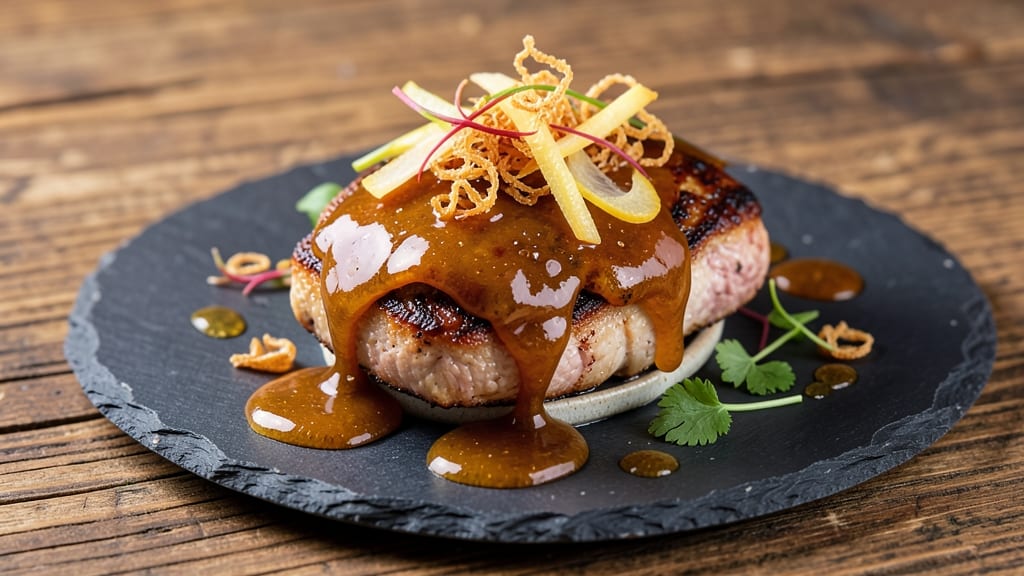
This Bachan teriyaki sauce recipe delivers the perfect balance of deep umami and bright pineapple sweetness—ideal for glazing meats, marinating proteins, or drizzling over stir-fries.
The secret lies in simmering soy sauce, mirin, and sugar until thick and glossy, then finishing with fresh pineapple juice for that signature tropical brightness that sets it apart from traditional teriyaki. I developed this version after years of experimenting with store-bought sauces that always felt too sweet or one-dimensional.
The beauty of this sauce is its versatility—it works equally well as a marinade for chicken or tofu, a glaze for grilled vegetables, or a dipping sauce for dumplings.
The key steps are reducing the sauce to a thick, syrupy consistency while preserving the natural depth of the soy and the freshness of the pineapple. A splash of rice vinegar at the end adds a subtle tang that rounds out the flavors beautifully.
This isn’t your average teriyaki; it’s a restaurant-quality glaze with a twist.
What you’ll end up with is a glossy, aromatic sauce that clings perfectly to whatever you’re cooking, delivering layers of savory, sweet, and tangy in every bite. The pineapple juice adds a brightness that cuts through the richness, making this sauce ideal for both weeknight dinners and special occasions.
Once you taste the difference, you’ll never go back to bottled teriyaki again. The best part? It keeps well in the fridge for up to two weeks, so you can make a big batch and enjoy it all week long.
For extra depth, I recommend adding a small amount of grated ginger and minced garlic to the simmering mixture—these aromatics infuse the sauce with warmth that elevates every dish.
If you’re feeling adventurous, a touch of sesame oil at the end adds a nutty finish that pairs beautifully with the pineapple’s brightness. Let’s get started on creating this sauce that will transform your cooking.
Ingredients for bachan teriyaki sauce
Nine ingredients transform into a restaurant-quality teriyaki glaze with pineapple brightness and deep umami.
| Ingredient | Amount | Notes |
|---|---|---|
| Kosher Soy Sauce 🥫 | 1 cup | High-quality, low-sodium preferred |
| Mirin 🍶 | ½ cup | Sweet rice wine, not cooking wine |
| Granulated Sugar 🍚 | ½ cup | Light brown sugar for depth |
| Fresh Pineapple Juice 🍍 | ½ cup | From ripe pineapple, not canned |
| Rice Vinegar 🍶 | 2 tbsp | Seasoned or white vinegar |
| Fresh Ginger 🌿 | 1 tbsp | Grated, aromatic, not powdered |
| Garlic Cloves 🧄 | 3 cloves | Minced, for aromatic depth |
| Sesame Oil 🫒 | 1 tbsp | Toasted, for nutty finish |
| Water 💧 | ½ cup | Room temperature preferred |
The soy sauce is the foundation—Kikkoman or La Choy are reliable, but any high-quality brand works. Mirin adds sweetness and depth, so don’t substitute with cooking wine (it’s too harsh). Trader Joe’s carries a great mirin if you can’t find it elsewhere. Fresh pineapple juice is non-negotiable; canned lacks the brightness. For the ginger and garlic, organic is ideal—they’ll infuse the sauce with warmth that’s impossible to replicate with powdered versions. If you’re feeling adventurous, a splash of Hawaiian pineapple juice adds extra tropical notes.
No mirin? Equal parts sugar and water (like a simple syrup) works in a pinch, but the sauce will lack complexity. Fresh ginger or garlic missing? Dried powdered at half the amount gets you close, but it’s not the same. The sesame oil is optional but adds a nutty finish that pairs perfectly with the pineapple’s brightness. If you’re avoiding sesame, toasted peanut oil is a great substitute. For extra richness, a dash of fish sauce (if not vegan) or soy sauce reduction deepens the umami. The water helps thin the sauce if it gets too thick during simmering.
This sauce keeps beautifully—up to 2 weeks in the fridge in an airtight container. For longer storage, freeze in ice cube trays and transfer to a bag. It reheats perfectly, so make a big batch and use it all week. A thin layer of olive oil on top before sealing preserves the glossy finish. The sauce thickens as it cools, so stir well before using. It’s perfect for glazing meats, marinating tofu, or drizzling over stir-fries—just reheat gently to maintain its silky texture.
Why You'll Love This Recipe
- Five-Ingredient Magic: I swear, this sauce comes together with what’s already in my pantry—no fancy shopping required. The mirin and pineapple juice cut through the saltiness of the soy, while the rice vinegar adds that bright, tangy kick without overpowering.
- Sweet-Tart Balance: That first taste of caramelized sugar and mirin? Pure comfort. But the pineapple juice—oh, it’s the secret weapon—turns it from rich to lively, like a teriyaki that’s had a tropical vacation.
- Weeknight Flexibility: Glaze chicken thighs for dinner, toss with noodles for lunch, or drizzle over rice bowls all week. Honestly, I’ve even used it as a marinade for tofu when I’m too tired to think. It’s the kind of sauce that makes me feel like I’m cooking a full meal without the fuss.
- Pantry Goldmine: A single batch lasts me ages—I freeze half for when I’m lazy, and the rest gets used up in stir-fries or as a quick dip for veggies. Between us, this is the recipe I turn to when I’ve got $3 in my wallet and a craving for something fancy.
Step-by-step instructions for Bachan teriyaki sauce
Here's how to craft this rich, balanced glaze with perfect umami depth and pineapple brightness.
Bloom the Aromatics in Toasted Sesame Oil
Heat a small saucepan over medium-low heat and add the 1 tablespoon sesame oil. Let it warm for 30 seconds until fragrant—you'll smell that nutty, toasty aroma develop. This is your flavor foundation, so don't rush it.
Add the 3 minced garlic cloves and 1 tablespoon grated fresh ginger, stirring constantly for 1 minute until the garlic becomes translucent and the ginger loses its raw bite. Watch carefully—the garlic burns quickly, so keep the heat gentle. Remove from heat immediately after the aromatics soften.
Combine Wet Ingredients for Balanced Flavors
In a separate saucepan, combine the 1 cup kosher soy sauce, 0.5 cup mirin, 0.5 cup granulated sugar, 0.5 cup fresh pineapple juice, and 2 tablespoons rice vinegar. Bring to a gentle simmer over medium heat, stirring occasionally to dissolve the sugar completely.
Simmer for 5 minutes until the sugar fully integrates and the mixture reduces slightly—you'll notice it thickens just enough to coat the back of a spoon. This step develops the sauce's depth while balancing sweetness and acidity. The pineapple juice will add brightness that prevents heaviness.
Merge and Reduce for Perfect Consistency
Return the aromatic oil to the saucepan with the simmering mixture. Add the 0.5 cup water and stir well to combine. Increase heat to medium-high and bring to a rolling boil, then reduce to medium-low heat to maintain a gentle simmer.
Simmer uncovered for 15-20 minutes, stirring occasionally, until the sauce reduces by about 40%—it should coat a spoon with a glossy, syrupy texture. You're aiming for a consistency that clings beautifully to proteins without being overly thick. Taste and adjust seasoning: add a pinch more sugar if too acidic, or a splash of rice vinegar if too sweet.
Finish and Strain for Silky Perfection
Once reduced, remove from heat and let cool for 5 minutes. Strain through a fine-mesh sieve into a clean bowl to remove any ginger fibers or garlic bits, ensuring a silky texture. The sauce should now have that signature Bachan balance—deep umami from the soy and mirin, bright acidity from the pineapple and vinegar, with nutty warmth from the sesame.
For best results, use immediately or store in an airtight container in the refrigerator for up to 1 week. This sauce transforms grilled meats, roasted vegetables, and even noodles into something extraordinary. The key is patience during reduction—don't rush it, or you'll lose that beautiful balance of flavors.
Pro Tips For Making Bachan Teriyaki Sauce
- Simmer Slow and Steady: I learned this the hard way—rushing the reduction turns your sauce into a sticky mess instead of a glossy, balanced glaze. Keep the heat at a gentle simmer (medium-low) and let it bubble away for at least 10-15 minutes. If it’s splattering like crazy, lower it further—you’re not racing here.
- Strain the Pineapple Juice: Fresh pineapple juice is the star, but pulp ruins the texture. After juicing, strain it through a fine-mesh sieve or cheesecloth to remove any fiber. Trust me, your sauce will be silky smooth instead of gritty—no one wants to taste pineapple bits in their glaze.
- Balance the Sugar First: Adding all the sugar at once can make the sauce cloyingly sweet. Start by dissolving half the sugar in the mirin and soy sauce, then taste as you go. Adjust the remaining sugar gradually—you can always add more, but you can’t take it out.
- Use Real Mirin, Not Substitutes: I was skeptical until I tried it: cheap cooking wine or sugar + sake just won’t cut it. Mirin’s natural sweetness and acidity cut through the soy sauce’s saltiness and brighten the pineapple. If you must substitute, mix 1 part sugar with 2 parts sake—but the flavor won’t be the same.
Best sauces and condiments for this recipe
Pineapple Brightness
The fresh pineapple juice is what truly sets this sauce apart from traditional teriyaki. I always use ripe pineapple—either freshly squeezed or from a small can of pineapple chunks (not syrup-packed).
The natural acidity and sweetness cut through the richness of the soy and mirin, creating that signature tropical brightness. For extra depth, I sometimes add 1 teaspoon of pineapple juice reduction (simmered down) to intensify the flavor without overwhelming the sauce. 🍍
Umami Depth
The kosher soy sauce and mirin combo forms the umami backbone of this sauce. I recommend Kikkoman soy sauce for its balanced flavor, but La Choy works too if you prefer a slightly sweeter profile.
The mirin adds natural sweetness and a subtle floral note—never substitute with cooking wine, as it lacks the right depth. For an extra umami punch, I sometimes add 1 teaspoon of fish sauce (if not vegan) or a splash of soy sauce reduction (simmered until syrupy).
The key is balancing these ingredients so the sauce remains complex but never cloying.
Balanced Tang
The rice vinegar is crucial for that final touch of acidity that rounds out the sauce. I prefer seasoned rice vinegar for a hint of sweetness, but white rice vinegar works too. A splash at the end brightens the flavors and prevents the sauce from tasting flat.
If you're using apple cider vinegar as a substitute, reduce it to 1 tablespoon—it's stronger and can overpower the delicate balance. The vinegar also helps preserve the sauce longer, so it stays fresh in the fridge for up to 2 weeks.
Nutty Warmth
The toasted sesame oil adds a nutty, toasty aroma that complements the pineapple's brightness perfectly. I always toast it in the saucepan first to release its full flavor—just warm it for 30 seconds until fragrant.
If you're avoiding sesame, toasted peanut oil or even a dash of sesame seeds (toasted separately) can add a similar warmth.
For extra depth, I sometimes stir in ½ teaspoon of ground white pepper at the end—it adds a subtle heat that pairs beautifully with the sweet and tangy notes. 🌿
Versatile Thickness
This sauce is designed to be glossy and syrupy, clinging perfectly to proteins or vegetables. The reduction process is key—simmering for 15-20 minutes until it thickens by about 40% ensures the right consistency.
If it reduces too much, add 1 tablespoon of water at a time until it reaches a spoon-coating thickness. For a thinner sauce (ideal for drizzling), reduce it by only 25-30%. The sauce will thicken further as it cools, so adjust while it's still warm for the best results.
Flavor Boosters
Want to customize this sauce further? A pinch of red pepper flakes adds a subtle heat, while 1 teaspoon of grated lime zest brightens the pineapple notes. For a smoky twist, add ½ teaspoon of smoked paprika during the final reduction.
If you're feeling adventurous, a splash of coconut aminos (about 1 tablespoon) can replace some of the soy sauce for a lighter, slightly sweeter profile. The beauty of this sauce is how adaptable it is—experiment to find your perfect balance! ✨
Nutrition facts
Frequently asked questions
What makes this Bachan teriyaki sauce different from regular teriyaki?
The pineapple juice gives it a bright, tropical twist that traditional teriyaki lacks. The recipe also balances umami depth with a subtle tang from rice vinegar, creating a more complex flavor profile than store-bought versions. The slow reduction process makes it glossier and more clingy too.
Can I substitute mirin if I don't have any?
Yes, but the flavor won't be identical. Use ½ cup sugar + ½ cup water (simmered into a simple syrup) or ¼ cup honey + ¼ cup water. For depth, add 1 teaspoon of white vinegar to mimic mirin's acidity. The sauce will be sweeter but still delicious!
How do I adjust the thickness for different uses?
For glazing meats, aim for a syrupy consistency—simmer until reduced by 40%. For stir-fry sauces, reduce by only 25-30% to keep it pourable. If too thick, add 1 tablespoon water at a time while warm. The sauce thickens more as it cools, so adjust before storing.
Is this sauce vegan-friendly?
Mostly! Skip the optional sesame oil (use peanut oil instead) and check your soy sauce for fish-based additives. The pineapple juice, mirin substitute (simple syrup), and rice vinegar make it fully plant-based. For extra umami, add 1 tablespoon coconut aminos instead of fish sauce.
Can I make this sauce in a slow cooker?
Combine all ingredients in your slow cooker and cook on low for 3-4 hours, stirring occasionally. The low heat prevents burning while achieving the same reduction. Check the consistency after 2 hours—you may need to simmer uncovered for 15 minutes on the stovetop to thicken further.