
Sauces & Condiments
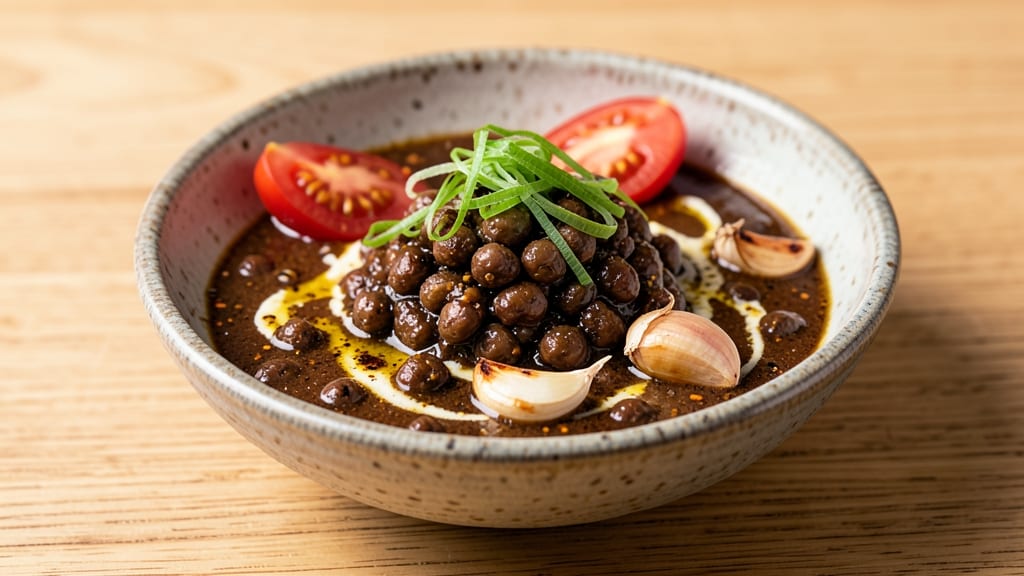
This Bachan sauce recipe transforms simple ingredients into a velvety, aromatic condiment that elevates everything from roti to dal. 💛 The secret lies in fermented black chickpeas and mustard oil, creating a tangy, spiced tomato base that's both complex and deeply comforting.
This isn't just a sauce—it's a flavor bridge between Gujarati and Rajasthani traditions, where every spoonful carries layers of roasted garlic and warm spices.
The preparation begins with slow-roasting garlic until caramelized, then building depth through a blend of mustard oil, turmeric, and asafoetida. Fermented chickpeas add that signature tang, while tomatoes create a velvety consistency that clings beautifully to food.
What makes this sauce special is how it transforms ordinary meals into something extraordinary—think crispy puris dipped in this rich, spiced velouté or drizzled over steaming hot dal.
Once you've mastered the technique, you'll discover this sauce keeps beautifully in the refrigerator for up to two weeks, intensifying in flavor with each passing day. The texture becomes almost paste-like when stored properly, making it perfect for quick dips or as a flavorful addition to curries.
It's the kind of condiment that turns simple ingredients into something restaurant-worthy with minimal effort.
Perfect for those who appreciate authentic Indian flavors without the complexity, this recipe delivers restaurant-quality results in your own kitchen. The balance of spices and fermentation creates a depth you won't find in store-bought versions. Let's get started on creating your own batch of this beloved condiment.
Ingredients for bachan sauce
Ten ingredients combine to create this velvety, aromatic condiment perfect for roti or dal.
| Ingredient | Amount | Notes |
|---|---|---|
| Fermented Black Chickpeas 🌱 | ½ cup | Packed, rinsed before use |
| Medium Tomatoes 🍅 | 4 whole | Ripe, preferably Roma |
| Garlic Cloves 🧄 | 8 whole | Unpeeled for roasting |
| Mustard Oil 🫒 | ¼ cup | Lightly toasted, not burnt |
| Ghee 🧈 | 2 tbsp | For tempering spices |
| Ground Turmeric 🌿 | ½ tsp | Freshly ground preferred |
| Asafoetida (Hing) 🌶️ | ¼ tsp | Crushed between palms |
| Green Chilies 🌶️ | 2 whole | Slit lengthwise for heat |
| Cumin Seeds 🌿 | ½ tsp | Toasted for aroma |
| Salt 🧂 | ¾ tsp | Adjust to taste |
The fermented black chickpeas are the heart of this sauce—look for them at Indian specialty stores or online retailers like Spicewalla. If unavailable, substitute with equal parts soaked and sprouted black chickpeas fermented for 24 hours. For the garlic, roast whole until caramelized—this deepens the flavor dramatically. Mustard oil should be lightly toasted but never burnt, as its nutty aroma is essential. KTC or Patanjali brands are widely available and reliable for authentic flavor.
No fermented chickpeas? Sour yogurt or lemon juice can mimic the tang, though the texture will differ. Substitute mustard oil with sesame or coconut oil, though the flavor profile shifts slightly. For heat control, remove green chili seeds before adding. The tomatoes should be ripe but firm—overripe ones will make the sauce watery. If using store-bought fermented chickpeas, rinse thoroughly to remove excess acidity. Fresh asafoetida is preferable, but powdered works in a pinch at half the amount.
This sauce develops richer flavor over time—store in sterilized glass jars with a layer of oil on top to preserve freshness. Keeps for 2 weeks in the refrigerator, intensifying daily. For longer storage, freeze in ice cube trays for up to 3 months. The paste-like consistency when refrigerated is ideal for quick dips or stirring into hot dishes. Always reheat gently to maintain its velvety texture.
Why You'll Love This Recipe
- No-Fuss Pantry Magic: The fermented black chickpeas are already prepped—no soaking, no marinating, just open and go. Honestly, I’ve made this sauce after forgetting to grocery shop, and it still came together with what I had.
- Umami Bomb Alert: That first sizzle of mustard oil with garlic? Instant flavor explosion. The tomatoes caramelize into something rich while the fermented chickpeas add a funky, tangy depth—like a hug for your taste buds.
- Weeknight Workhorse: Slap it on dosas, mix into rice, or drizzle over curries—it’s the sauce that makes lazy nights delicious. (Yes, even on a Tuesday night when you’re too tired to think.)
- Budget Stretch Wonder: A single batch of fermented chickpeas stretches across multiple meals, and the tomatoes keep it fresh-tasting. Between us, I’ve fed four people for under $5 with this—no fancy ingredients, just smart flavor.
Step-by-step instructions for spiced tomato velouté with roasted garlic
Master the art of bachan sauce with this precise method—where roasted garlic meets tangy tomatoes in a velvety embrace.
🔥 Step 1: Roast the Garlic Until Caramelized
Preheat your oven to 400°F. Wrap the 8 whole garlic cloves tightly in aluminum foil, creating a sealed packet. Place this on a baking sheet and roast for 25-30 minutes until the cloves are soft, fragrant, and their edges turn golden brown. The foil traps steam, creating a gentle roast that develops deep, sweet flavors without burning.
Remove the packet and let it cool for 5 minutes before carefully peeling off the skins. You'll notice the cloves are tender enough to mash with a fork—this is your signal they're perfectly roasted. Reserve these for the sauce base; their mellow sweetness will anchor the spice profile. If any cloves remain firm, return them to the oven for another 5 minutes.
🍳 Step 2: Temper the Spices in Ghee
Heat a heavy-bottomed pan over medium-low heat and add the 2 tbsp ghee. Once the ghee melts and bubbles gently, add the 0.5 tsp toasted cumin seeds and let them sizzle for 30 seconds until they release their aroma and turn golden. Immediately add the 0.25 tsp crushed asafoetida (hing)—it will dissolve instantly into the ghee, releasing its umami depth.
Next, add the 2 slit green chilies and cook for 1 minute until their edges soften slightly. Remove the pan from heat and stir in the 0.5 tsp ground turmeric and 0.75 tsp salt. This spice blend forms the aromatic backbone of your sauce, so don't rush this step. The hing and turmeric should be fully incorporated before moving forward.
👨🍳 Step 3: Build the Tomato Base
Increase heat to medium-high and add the 4 whole medium tomatoes, cutting them into quarters if needed. Cook for 8-10 minutes until the tomatoes collapse into a thick, pulpy consistency. Stir occasionally to prevent burning, and let the raw tomato flavor intensify into something richer and more concentrated.
Add the 0.5 cup fermented black chickpeas (packed) and mash them lightly with a wooden spoon. The fermentation adds a subtle tang that brightens the sauce, while the chickpeas contribute body. Cook for another 3-4 minutes until the chickpeas break down and blend seamlessly into the tomato mixture. This step ensures your sauce has both texture and depth.
🥘 Step 4: Blend and Finish with Mustard Oil
Transfer the tomato-chickpea mixture to a blender and puree until completely smooth. You want a velvety texture with no visible specks—this is the hallmark of a proper bachan sauce. Return the purée to the pan and simmer over low heat for 5-7 minutes to develop the flavors further. The sauce should reduce slightly, becoming thicker and more cohesive.
Remove the pan from heat and stir in the 0.25 cup lightly toasted mustard oil. The oil should be warm but not smoking—this prevents the sauce from breaking. The mustard oil carries the final layer of flavor, adding a subtle heat and richness that balances the tangy tomatoes. Taste and adjust the salt if needed, remembering that the fermented chickpeas may contribute additional umami.
⏰ Step 5: Rest and Serve Warm
Let the sauce rest for 5 minutes before serving. This resting period allows the flavors to meld completely and the sauce to reach its ideal consistency. The result should be a smooth, aromatic velouté with layers of roasted garlic sweetness, spiced tomato depth, and a subtle fermented tang.
Serve the bachan sauce warm with steamed rice, dosa, or idli for an authentic South Indian experience. The sauce's complexity shines when paired with mild, starchy accompaniments, allowing its flavors to take center stage. Store any leftovers in an airtight container in the refrigerator for up to 3 days, though it's best enjoyed fresh.
Pro Tips For Making Bachan Sauce
- Temper the Mustard Oil: Heat the oil low and slow—just until it shimmers at 250°F (120°C)—before adding garlic. Mustard oil burns faster than you think, and that bitter smoke ruins the sauce’s depth. I learned this the hard way after three batches of charred garlic.
- Rinse the Fermented Chickpeas: Give those fermented chickpeas a quick 30-second rinse under cold water before cooking. The brine can make the sauce too salty, and you’ll end up guessing how much extra salt to add. Trust me, your taste buds will notice the difference.
- Crush Garlic with Salt: Mash those garlic cloves with a pinch of salt before adding them to the oil. This keeps them from splattering everywhere (yes, even with a lid) and makes the sauce taste richer—like a hidden umami boost. Sounds weird, but it works.
- Simmer Tomatoes Until Syrupy: Reduce the tomatoes for at least 15 minutes on medium-low heat until they turn dark and coat the back of a spoon. This isn’t just about thickness—it’s the thing that makes the sauce cling to dal or rice instead of pooling in a sad puddle. Patience here pays off.
Common mistakes when making this recipe
Overcooking the Garlic
Roasting garlic until it's burnt or bitter is a common mistake that ruins the sauce's sweet, mellow foundation. The key is stopping when the cloves are golden brown and tender—not blackened. I once charred my garlic, and the sauce ended up tasting acrid.
To avoid this, check the cloves at 25 minutes and adjust based on your oven's heat. If they're still firm, give them 5 more minutes max. 🌡️
Skipping the Fermentation Step
Using raw or unfermented chickpeas results in a bland, watery sauce instead of the tangy, rich velouté you want. Fermentation develops the signature funky depth.
If you don't have fermented chickpeas, soak regular black chickpeas in water with 1 tsp salt and 1 tbsp lemon juice for 24 hours before using. This mimics some of the fermentation process, though the flavor won't be identical.
Burning the Spices
High heat turns cumin seeds and green chilies bitter, overpowering the sauce's delicate balance. Always temper spices over medium-low heat and remove the pan immediately after adding asafoetida.
I've seen people let cumin seeds burn, creating a smoky, unpleasant flavor. Keep heat low and stir constantly to prevent scorching. A heavy-bottomed pan helps distribute heat evenly.
Adding Mustard Oil Too Hot
Pouring hot mustard oil directly into the sauce can cause it to separate or develop a soapy texture. The oil should be warm but not smoking—just off the stove. I learned this the hard way when my sauce split into two layers.
To fix it, whisk vigorously and simmer gently for 2-3 minutes to re-emulsify. For best results, let the oil cool slightly before adding it to the sauce.
Rushing the Blending Process
Incomplete blending leaves visible specks of chickpeas or uncooked tomato bits, creating an uneven texture. Use an immersion blender for better control or pulse a countertop blender until completely smooth.
I once rushed this step and ended up with a grainy sauce. For a truly velvety finish, blend until no lumps remain—this is what gives bachan its signature smoothness. 💫
Ignoring the Resting Time
Serving the sauce immediately means missing out on its full flavor development. The 5-minute rest allows the mustard oil to infuse and the sauce to thicken properly. I've served it too soon, and the flavors were disjointed.
Patience here makes all the difference—let it sit covered while you prepare its accompaniments. The resting period also helps the sauce cling better to food like puris or dosa.
Nutrition facts
Frequently asked questions
What makes bachan sauce different from other Indian condiments?
Bachan sauce stands out with its unique fermented chickpea base and mustard oil infusion, creating a tangy, velvety texture unlike other Indian condiments. While many sauces rely on yogurt or coconut, this version delivers a deeper umami from fermentation and a subtle heat from the oil. The roasted garlic adds a sweet complexity that's distinctively different from spicy chutneys or creamy raitas.
Can I make bachan sauce without fermented chickpeas?
Yes, but the flavor will differ. For a substitute, soak ½ cup black chickpeas in 1 tbsp lemon juice and 1 tsp salt for 24 hours before using. This mimics some fermentation, though the sauce won't have the same depth. For best results, try to find fermented chickpeas at Indian specialty stores—they're essential for that signature tangy richness.
How long does bachan sauce keep, and can I freeze it?
Store in an airtight container in the fridge for up to 2 weeks, where it actually improves in flavor. For freezing, portion into ice cube trays and transfer to a bag—it keeps for 3 months. Thaw overnight in the fridge to preserve texture. The sauce thickens when refrigerated, so stir well before using.
What's the best way to use leftover bachan sauce?
Drizzle over hot dosa, puri, or idli for instant flavor, or mix into dal or curries at the end of cooking. It also makes an excellent dip for vegetable sticks or bread. For extra richness, reheat gently with 1 tsp ghee before serving. The sauce's versatility makes it perfect for elevating simple meals.
Why does my bachan sauce taste bitter?
Bitterness usually comes from burnt garlic or overcooked spices. Check your roasting time—garlic should be golden brown, not blackened. For spices, temper them over low heat and remove immediately after adding asafoetida. If the sauce is already made, balance the bitterness with ½ tsp sugar or 1 tbsp yogurt while reheating.