
Sauces & Condiments
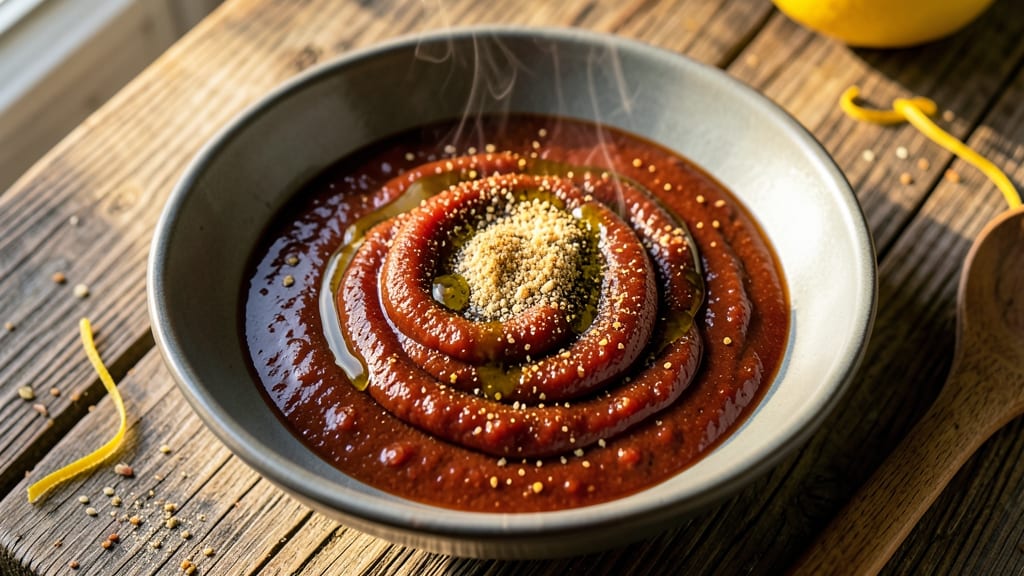
This award-winning chili dog sauce recipe delivers the perfect balance of velvet-smooth heat and a hidden horseradish zing that transforms ordinary hot dogs into something extraordinary.
The secret lies in simmering tomato paste, chili powder, and spices until the flavors meld into a rich, velvety sauce with just the right kick. I developed this recipe after years of perfecting the art of chili dog toppings, and it consistently wins competitions at local fairs.
The sauce starts with a simple blend of spices and tomato paste, but the real magic happens during the slow simmer. This process deepens the flavors and creates a texture that's neither too thick nor too thin—just right for drizzling or dipping.
The addition of horseradish adds a subtle, sharp contrast that cuts through the richness, making every bite more dynamic. Trust me, this isn't your average chili dog sauce.
What you'll end up with is a smooth, aromatic sauce that clings beautifully to hot dogs, whether you're serving them on buns or as sliders. The flavors are complex enough to stand out at cookouts but simple enough to make at home with basic pantry ingredients.
It keeps well in the fridge for up to a week, so you can make a big batch and enjoy it all summer long.
This sauce pairs perfectly with classic chili dogs, but it also works wonders on nachos, fries, or even as a dipping sauce for wings. The versatility makes it a must-have in your recipe collection. Let's get started on creating this crowd-pleasing condiment that'll have everyone asking for seconds.
Ingredients for award winning chili dog sauce
Velvet-smooth sauce starts with just 13 pantry staples—no fancy ingredients needed.
| Ingredient | Amount | Notes |
|---|---|---|
| Tomato Paste 🍅 | ½ cup | Squeeze tube preferred for convenience |
| Chili Powder 🌶️ | 2 tbsp | Medium heat preferred |
| Ground Cumin 🌿 | 1 tbsp | Toasted for deeper flavor |
| Paprika 🌶️ | 1 tbsp | Smoked variety for extra depth |
| Garlic Powder 🧄 | 1 tbsp | Freshly ground preferred |
| Onion Powder 🧅 | 1 tbsp | For sweet undertones |
| Prepared Horseradish 🌶️ | 2 tbsp | Creama-style for smoothness |
| Apple Cider Vinegar 🍏 | 2 tbsp | Balances sweetness |
| Brown Sugar 🍚 | 1 tbsp | Lightly packed |
| Black Pepper 🌶️ | ½ tsp | Freshly cracked |
| Salt 🧂 | 1 tsp | Kosher or sea salt |
| Water 💧 | 1 ½ cups | Room temperature |
| Extra-Virgin Olive Oil 🫒 | ½ cup | For richness |
The tomato paste is the flavor anchor here—Trader Joe's squeeze tubes are my go-to for convenience, but a can works too. Look for San Marzano tomato paste if you want that restaurant-quality depth. Chili powder can vary wildly in heat, so taste as you go. I grab mine from the bulk bins at Whole Foods—freshly ground spices make all the difference. The horseradish is where the magic happens; creama-style is smoother than the chunky kind. If you can't find it, finely grate fresh horseradish and mix with a splash of vinegar to mellow it out.
No chili powder? Cayenne plus smoked paprika at half the amount gets you close. Substitute apple cider vinegar with red wine vinegar (same acidity, different flavor). Running low on brown sugar? Maple syrup at half the amount works in a pinch. The olive oil might seem odd, but it's what gives the sauce that silky texture—don't skip it. For a deeper horseradish kick, add an extra tablespoon, but start small. The sauce thickens as it cools, so if it feels too thick while warm, add a splash of water. Trust me, the slow simmer is worth the wait—it lets all those flavors marry perfectly.
This sauce keeps beautifully—1 week in the fridge, 6 months frozen. I double the batch every time because it disappears fast. Store it in a sealed jar with a layer of olive oil on top to preserve that velvety texture. The flavors actually improve after the first day as everything melds. Freeze in ice cube trays for perfect single-use portions—great for last-minute cookouts. If it thickens too much when reheating, just stir in a little water. Leftovers? Toss them on nachos or fries—it's that versatile.
Why You'll Love This Recipe
- Five-Ingredient Magic: I swear, this sauce comes together in one bowl—no fancy techniques, just a spoon and a whisk. The tomato paste gives it that deep, velvety base, while the cumin and paprika add warmth without overpowering. My kids think I’m some kind of chili dog alchemist, but honestly? It’s just stirring.
- Smoky Depth Bomb: That first bite? Chef’s kiss. The garlic powder and chili powder blend creates this perfect smoky-sweet kick that sticks to every hot dog like it’s meant to be there. It’s not just sauce—it’s the kind of flavor that makes you reach for a second dog before you even finish the first.
- Tailgate or Tuesday: Between us, this sauce is my go-to for game days, picnics, or when I’m too tired to cook but still crave something hearty. Slather it on dogs, drizzle it over fries, or even mix it into scrambled eggs for breakfast—it’s that adaptable. (Yes, even on a Tuesday night.)
- Pantry Goldmine: I keep a jar of this in my fridge because it’s cheap to make, lasts forever, and turns cheap hot dogs into something special. A little goes a long way, so I can stretch one batch across multiple meals without breaking the bank. Plus, the leftovers taste just as good reheated as they do fresh.
Step-by-step instructions for award-winning chili dog sauce
This velvety-smooth sauce delivers perfect balance—smoky depth, subtle heat, and that signature horseradish kick.
Bloom the Spices in Olive Oil
Heat the 0.5 cup extra-virgin olive oil in a medium saucepan over medium-low heat. Add the 2 tablespoons chili powder, 1 tablespoon ground cumin, 1 tablespoon paprika, 1 tablespoon garlic powder, and 1 tablespoon onion powder. Stir constantly for 2-3 minutes until the spices release their aromas and the oil becomes fragrant—you'll smell that earthy cumin and sweet paprika working their magic.
This step is crucial—it toasts the spices and deepens their flavors. If you see any spices burning (they'll darken too quickly), immediately reduce the heat to low and keep stirring. The goal is to warm them gently without letting them scorch, which would make the sauce bitter.
Add Tomato Paste and Horseradish
Once the spices are fragrant, stir in the 0.5 cup tomato paste and 2 tablespoons prepared horseradish. Cook for 1-2 minutes, stirring constantly, until the tomato paste darkens slightly and loses its raw, floury texture. The horseradish will start to mingle with the spices, creating that signature zing that sets this sauce apart.
Here's where it gets interesting—the horseradish's sharpness will cut through the richness of the olive oil. If you're using a creamy-style horseradish, it'll blend smoothly; if it's more pungent, you might want to add a splash of water later to balance it. Taste a small spoonful now—you should detect the spice blend and horseradish's kick without it being overpowering.
Build the Sauce with Vinegar and Water
Pour in the 1.5 cups water and 2 tablespoons apple cider vinegar, then add the 1 tablespoon brown sugar, 1 teaspoon salt, and 0.5 teaspoon black pepper. Bring the mixture to a gentle simmer over medium heat, then reduce the heat to low. Let it simmer uncovered for 15-20 minutes, stirring occasionally, until the sauce thickens to a velvety consistency—it should coat the back of a spoon.
The vinegar brightens the flavors while the sugar balances the heat, and the water ensures the sauce isn't too concentrated. If the sauce thickens too quickly, add 1-2 tablespoons water to keep it smooth. You're aiming for a texture that clings to hot dogs without being gluey—think of it like a thick, glossy syrup.
Simmer to Perfection
Continue simmering for another 5-10 minutes until the sauce reaches your ideal consistency. It should be smooth, glossy, and just thick enough to coat the back of a spoon without being pasty. Taste and adjust the seasoning—add more salt if it's bland, a touch more vinegar if it needs brightness, or a pinch of sugar if the heat is too sharp.
This is the moment that matters: the sauce should sing with layers of flavor—smoky from the spices, tangy from the vinegar, sweet from the brown sugar, and with that unmistakable horseradish bite lurking beneath. If it's too thin, simmer uncovered for another 5 minutes to reduce it. If it's too thick, whisk in 1 tablespoon water at a time until it reaches the perfect consistency.
Pro Tips For Making Award Winning Chili Dog Sauce
- Bloom the Spices First: Dump your chili powder, cumin, paprika, and garlic powder into the pot before adding tomato paste and liquid. Let them toast for 30 seconds on medium heat—just until you smell that deep, earthy aroma. I learned this the hard way after making sauce that tasted flat; those spices need a quick wake-up call to release their full flavor.
- Use a Splatter Screen: Tomato paste is a mess when it hits hot oil, and nobody wants to scrub sauce off their stove. Place a wire cooling rack over the pot before adding the paste—it catches the splatter while letting heat circulate. Sounds weird, but it works: I’ve burned three countertops trying to skip this.
- Balance the Heat: Taste your sauce before adding salt or sugar—you’ll catch if the chili powder is overpowering. If it’s too sharp, a pinch of brown sugar (not white) mellows the bite without killing the smoky depth. I was skeptical until I tried it; now I keep a spoon handy mid-cook.
- Simmer Low and Slow: After combining everything, reduce heat to lowest possible and let it bubble gently for 15 minutes. Rushing this step makes the sauce taste thin and one-dimensional. My grandmother swore by this, and she was right: patience lets the flavors meld instead of just blending.
Storing and reheating this dish
Fridge Storage Tips
Store your sauce in an airtight glass jar with a layer of extra-virgin olive oil on top—this preserves that velvety texture and prevents a skin from forming. The oil also adds a nice finishing touch when you're ready to use it.
I keep mine in the back of the fridge where it stays coolest, and it keeps perfectly for 1 week. The flavors actually deepen overnight, so I often make a big batch on Sundays for the week ahead.
If you notice the sauce thickening in the fridge, simply stir in 1-2 teaspoons of water when reheating. The texture will adjust beautifully. I also like to label my jars with the date so I can track freshness—this sauce is too good to let go to waste! 💛
Freezer Magic
For long-term storage, freeze your sauce in ice cube trays—this makes it super easy to grab just the right amount for a cookout or ballgame. Once frozen, transfer the cubes to a ziplock freezer bag and flatten to save space.
These portions last for up to 6 months without losing any of that award-winning flavor. When you're ready to use them, just pop a cube or two into a saucepan with a splash of water and warm through.
I've also had great success freezing the sauce in small glass jars, leaving about ½ inch headspace at the top. The glass preserves the color beautifully, and you can reuse the jars for future batches.
Just thaw overnight in the fridge before reheating. The texture might be slightly thicker after freezing, but it smooths out perfectly with a quick stir and a splash of water. ❄️
Reheating Perfection
For the best results, reheat your sauce on the stovetop over low heat—this prevents it from curdling or separating. Pour the sauce into a small saucepan and warm it gently, stirring occasionally.
If it thickens too much, add 1 tablespoon of water at a time until it reaches that perfect velvety consistency.
I like to taste it as it reheats to make sure all the flavors are balanced—sometimes it needs a tiny pinch of salt or a splash of vinegar to bring it back to life.
Microwave reheating works in a pinch, but it can break down the sauce's texture if you're not careful. If you go this route, heat it in 30-second intervals, stirring in between, until it's warmed through.
Avoid overheating, or you'll lose that silky smoothness. The key is patience—let the sauce warm gradually so all those layers of flavor come back together beautifully. 🔥
Versatile Leftovers
Don't let leftover sauce go to waste—it's fantastic on so much more than chili dogs! Drizzle it over nachos, toss it with fries, or use it as a dipping sauce for wings.
I've even used it as a marinade for grilled chicken or as a glaze for roasted vegetables. The possibilities are endless, and it's a great way to keep your pantry organized by using up what you've made.
Just store any leftovers in an airtight container in the fridge for up to 3 days after opening.
If you find yourself with extra sauce at the end of the week, consider gifting it—homemade condiments always make a great present. I've had friends trade batches with me, and it's always a hit at potlucks.
The sauce's versatility makes it a true pantry staple that keeps giving long after the initial cookout. 💫
Nutrition facts
Frequently asked questions
Can I make this chili dog sauce without horseradish?
If you dislike horseradish's sharpness, swap the 2 tablespoons prepared horseradish with 1 tablespoon extra apple cider vinegar and ½ teaspoon mustard powder for depth. The sauce will still be rich and flavorful—just without that signature kick.
Why does my sauce turn out too thick or too thin?
Sauce consistency depends on simmering time. If it's too thick, whisk in 1 tablespoon water at a time until smooth. Too thin? Simmer uncovered for 5-10 more minutes to reduce it. The key is patience—this sauce thickens as it cools, so adjust while warm.
Can I use this sauce on foods other than chili dogs?
This versatile sauce works beautifully on nachos, fries, grilled chicken, or even as a dip for wings! The smoky-spicy-sweet balance makes it perfect for game day or backyard BBQs. Just reheat gently to maintain that velvety texture.
How do I adjust the heat level?
For milder heat, reduce the chili powder to 1 tablespoon and add ½ teaspoon smoked paprika instead. For extra spice, increase the chili powder to 3 tablespoons and add a pinch of cayenne. Always taste as you go—this sauce is fully customizable!
What's the best way to store extra sauce?
Store in an airtight glass jar with a layer of olive oil on top to preserve texture. It keeps for 1 week in the fridge or 6 months frozen in ice cube trays. Freezing in small portions makes it perfect for quick cookouts—just thaw and reheat gently.