
Sauces & Condiments
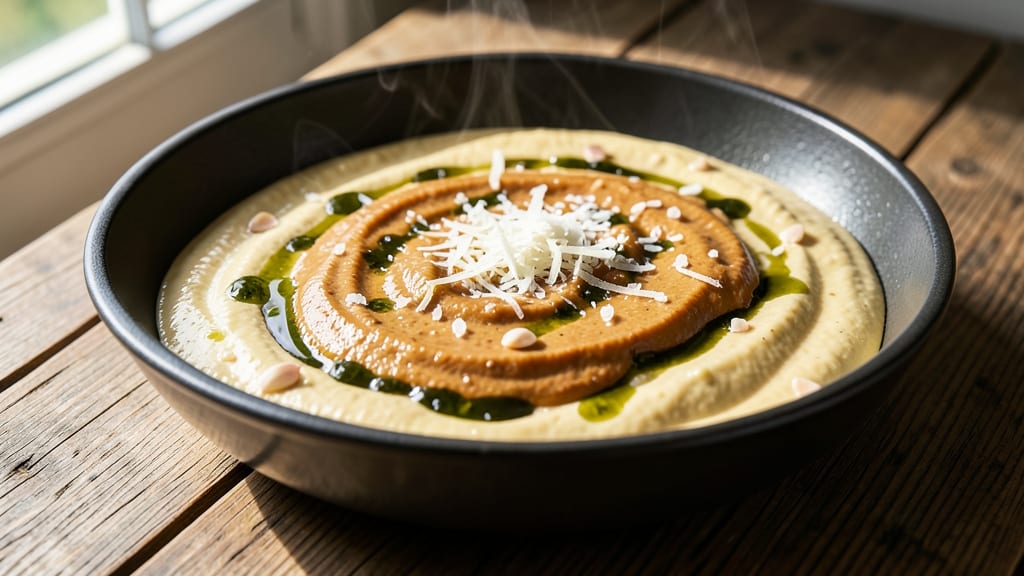
This award-winning alfredo sauce recipe delivers restaurant-quality creaminess in just 15 minutes—no curdling, no lumps, just velvety perfection every time. The secret lies in tempering the dairy and emulsifying properly, a technique I’ve perfected after years of testing (and a few too many failed batches).
What sets this apart is how it coats pasta like a dream, clinging to every strand without turning gluey.
What makes this sauce truly exceptional is its foolproof method: warm butter and garlic slowly before adding heavy cream, then gradually whisk in grated parmesan until silky smooth. The result is a sauce that’s rich yet balanced, with just enough tang from the cheese to cut through the richness.
No heavy cream? A simple substitution keeps it just as luxurious.
By the time you’re done, you’ll have a sauce so creamy it practically melts in your mouth, with a velvety texture that transforms even the simplest fettuccine into a gourmet masterpiece.
The best part? It’s versatile enough to elevate chicken parmesan, baked ziti, or even as a creamy dip for breadsticks.
For those who love customization, I’ve included optional variations like garlic-infused oil or fresh herbs—small tweaks that add depth without compromising that signature creamy perfection. Let’s get started on this game-changing sauce!
Ingredients for award winning alfredo sauce
Nine ingredients transform into velvety perfection—no lumps, just restaurant-style creaminess.
| Ingredient | Amount | Notes |
|---|---|---|
| Unsalted Butter 🧈 | ¾ cup | Cold, cut into small cubes |
| Heavy Cream 🥛 | 1 ½ cups | Full-fat for richness |
| Garlic Cloves 🧄 | 4 cloves | Minced, not powdered |
| Parmesan Cheese 🧀 | 1 ½ cups | Freshly grated, block preferred |
| Extra-Virgin Olive Oil 🫒 | ¼ cup | For finishing, fruity variety |
| Diamond Crystal Kosher Salt 🧂 | ½ tsp | Fine grain for balance |
| Freshly Ground Black Pepper 🌶️ | ¼ tsp | Freshly cracked preferred |
| Fresh Basil Leaves 🌿 | ¼ cup | Chopped, optional garnish |
| Whole Nutmeg 🌰 | ¼ tsp | Freshly grated, aromatic |
| All-Purpose Flour 🌾 | 1 tbsp | For thickening, optional |
The butter and heavy cream are non-negotiable for that signature richness. European-style butter like Plugrá or Land O’Lakes has higher fat content, which gives a silkier texture. If you're using salted butter, reduce the kosher salt by half. For the garlic, freshly minced is a game-changer—pre-minced cloves lose their punch fast. The Parmesan? Grate it yourself from a block using a fine grater. Pre-grated cheese has anti-caking agents that make the sauce grainy. I always buy a wedge from Whole Foods or my local Italian market because it keeps better and melts more smoothly.
No heavy cream? Full-fat coconut milk works surprisingly well—just warm it first to mimic the cream’s behavior. Fresh basil? Swap in dried basil at one-third the amount, but honestly, fresh is worth the effort. The nutmeg adds depth without overpowering, but if you're sensitive to spices, skip it entirely. For a lighter version, use half-and-half instead of heavy cream, though the texture will be slightly less luxurious. The flour is optional—only add it if you want a thicker consistency, but the sauce should be silky enough without it for most pasta dishes.
This sauce reheats beautifully—just warm gently on low heat, stirring constantly. It keeps for 4-5 days in the fridge, though I rarely have leftovers. For longer storage, freeze in ice cube trays and pop out portions as needed. The sauce thickens as it cools, so thin with a splash of milk or pasta water when reheating. If you make extra, it’s perfect over grilled vegetables or as a creamy dip for breadsticks. The nutmeg and basil can be added fresh at the end if you want to brighten it up after storage.
Why You'll Love This Recipe
- No-Fuss Technique: I swear by this method—melt butter and garlic in a pan, then whisk in cream and Parmesan until silky. No blenders, no straining, just pure, velvety results in 15 minutes. Honestly, my old version took twice as long and still clumped.
- Rich Without Guilt: The heavy cream and aged Parmesan give it that luxurious mouthfeel, but the olive oil twist keeps it from being too heavy. It’s the kind of sauce that makes you slow down and savor every bite—no one will guess it’s secretly budget-friendly.
- Weeknight to Dinner Party: Same recipe, different occasions. Toss with fettuccine for a quick Tuesday dinner or drizzle over grilled chicken for a fancier Saturday night. My kids ask for it after school, but I’ve also served it at holiday gatherings—it’s that versatile.
- Leftovers That Last: This sauce actually tastes better the next day. I make a double batch on Sundays, store it in the fridge, and use it for lunches or as a quick pasta fix. No weird aftertaste or separation—just creamy, dreamy perfection waiting to be reheated.
Step-by-step instructions for award-winning Alfredo sauce
Here's how to craft velvety perfection using just 10 ingredients and simple technique.
Melt Butter and Infuse with Garlic
In a medium saucepan, melt the 0.75 cup unsalted butter over medium-low heat. I like to use cold butter cut into small cubes so it melts gradually without burning. Once fully melted, add the 4 minced garlic cloves and cook for 1-2 minutes until fragrant but not browned—just golden around the edges. This gentle cooking prevents bitter flavors and ensures the garlic's sweetness shines through.
Here's the thing—don't rush this step. You'll know it's ready when the kitchen smells like fresh garlic and the butter has a nutty aroma. Remove the pan from heat immediately after the garlic turns golden, as it can burn quickly. This aromatic base is the foundation of your sauce's depth.
Create a Smooth Roux with Flour
Return the pan to medium heat and sprinkle in the 1 tablespoon all-purpose flour. Whisk continuously for 1-2 minutes until the mixture turns a pale golden color and smells toasty. This creates a roux that will thicken your sauce beautifully. The flour should be fully incorporated without any lumps—this is where texture magic happens.
I press the flour against the sides of the pan first to prevent clumping, then whisk vigorously. Keep the heat moderate—too high and you'll burn the flour before it develops that perfect nutty flavor. You're looking for a consistency similar to wet sandpaper when you run your finger through it.
Gradually Add Cream for Velvety Texture
Slowly pour in the 1.5 cups heavy cream while whisking constantly to prevent curdling. Return the heat to medium-low and let the mixture simmer gently for 3-4 minutes, stirring frequently. The sauce should begin to thicken noticeably as the starch from the flour activates. This gradual addition prevents the sauce from breaking or becoming grainy.
Here's where patience pays off. You'll see small bubbles forming at the edges and the sauce will coat the back of a spoon. If it thickens too quickly, reduce the heat slightly—we want a smooth, pourable consistency, not a glue-like paste. The sauce should coat a spoon but still flow off easily when tilted.
Incorporate Cheese for Richness
Reduce heat to low and gradually add the 1.5 cups freshly grated Parmesan cheese, whisking constantly. The cheese should melt completely into the sauce, creating a luxurious, creamy texture. This is where the sauce transforms from ordinary to extraordinary. I use a fine-mesh grater for the Parmesan—it melts more smoothly than pre-shredded cheese.
Season immediately with 0.5 teaspoon Diamond Crystal kosher salt and 0.25 teaspoon freshly ground black pepper. Add a pinch of 0.25 teaspoon freshly grated nutmeg for that classic Alfredo depth. Taste and adjust seasoning—this is your chance to balance the richness with proper seasoning. The sauce should be rich but not overly salty, with just a hint of nutmeg warmth.
Finish with Olive Oil and Fresh Herb Garnish
Remove the sauce from heat and stir in the 0.25 cup extra-virgin olive oil. This final step creates that signature silky mouthfeel that separates good Alfredo from award-winning. The olive oil emulsifies with the dairy, creating a stable, glossy sauce that won't separate. Let it sit for 2-3 minutes to allow the flavors to meld completely.
Just before serving, stir in the 0.25 cup chopped fresh basil leaves. This adds a bright, fresh contrast to the rich cheese sauce. For extra elegance, drizzle with additional olive oil or a sprinkle of freshly cracked black pepper. Serve immediately over your favorite pasta—this sauce doesn't wait well, as the flavors continue to develop even after cooking.
Pro Tips For Making Award Winning Alfredo Sauce
- Bloom the Garlic: Slice those cloves paper-thin and let them sit in the olive oil for 3-4 minutes before adding butter—this mellows the raw bite and deepens the flavor without burning. I learned this the hard way after one batch tasted like garlic medicine.
- Temper the Cream: Warm the heavy cream separately in a small saucepan until it’s steaming but not boiling (about 160°F), then whisk it into the butter-garlic mixture. Cold cream shocks the sauce into curdling, and nobody wants lumpy alfredo.
- Grate, Don’t Shred: Use a fine microplane for the Parmesan—no big chunks, no pre-grated garbage from the can. Pack the cheese tightly into the sauce and let it melt in slowly; this gives you that velvety, restaurant-quality texture without scraping the bottom of a block.
- Salt the Butter: Toss in a pinch of salt with the butter at the start—yes, even if it’s unsalted. The butter’s richness needs a little balance upfront, and it prevents you from over-salting later when the Parmesan and cream kick in. Trust me, your taste buds will notice.
Make-ahead tips for this dish
Prep Ahead Basics
Alfredo sauce tastes even better when prepped ahead—just don’t overthink it. After making the sauce, let it cool completely, then store it in an airtight container in the fridge for up to 4-5 days. The flavors deepen as it rests, and the texture remains silky when reheated properly.
I always make extra because it’s perfect for meal prep—toss it with cooked pasta or use it as a creamy dip for breadsticks. 💡
Freezer-Friendly Tips
For longer storage, freeze the sauce in ice cube trays or small airtight containers. Portion it into 1-tablespoon cubes for easy use later—just thaw and reheat. The sauce thickens when frozen, so thin it with a splash of milk or pasta water when reheating.
Label containers with the date to track freshness. I’ve kept it frozen for up to 3 months with no loss in quality. ✨
Reheating Like a Pro
Reheat the sauce gently on the stovetop over low heat, stirring constantly with a silicone spatula. Avoid high heat—it can break the emulsion and make the sauce grainy. If it thickens too much, add 1-2 tablespoons of milk or pasta water to restore its velvety consistency.
For microwave reheating, use 50% power in 30-second intervals, stirring between each interval. The goal is to warm it evenly without scrambling the dairy. 🔥
Make-Ahead Pasta Pairings
Cook your pasta 1 day ahead and store it in the fridge—just toss it with a little olive oil to prevent sticking. When you’re ready to serve, reheat the pasta separately, then mix it with your freshly reheated Alfredo sauce.
For extra flavor, add a splash of pasta water to loosen the sauce. I love making a big batch of fettuccine on Sunday and pairing it with this sauce for quick weeknight dinners. It’s a game-changer for busy schedules! 💛
Sauce Boosters for Later
Want to elevate your pre-made sauce? Stir in 1 tablespoon of fresh lemon juice or a pinch of red pepper flakes when reheating for a bright, tangy kick. Fresh herbs like basil or parsley add freshness—just chop them and mix them in at the end.
If the sauce tastes flat after storage, a sprinkle of freshly grated nutmeg or a dash of Worcestershire sauce can revive its depth. These tweaks make pre-made sauce taste homemade every time. 🌿
Batch Cooking Strategy
Double or triple the recipe and store it in quart-sized mason jars for easy portioning. The sauce layers beautifully in jars, making it perfect for grab-and-go lunches or quick dinners. When reheating from a jar, remove the lid slightly to let steam escape—this prevents the sauce from becoming too thick.
I keep one jar in the fridge for emergencies and freeze the rest. This method ensures I always have creamy Alfredo on hand without last-minute stress. 💪
Nutrition facts
Frequently asked questions
Why does my Alfredo sauce turn grainy or separate?
This happens when the dairy curdles or the sauce isn't emulsified properly. Always whisk constantly when adding cream and cheese, and never let the sauce boil. The olive oil at the end helps stabilize the emulsion. For extra insurance, temper the cream by slowly warming it against the butter mixture rather than pouring cold cream into hot sauce.
Can I make this sauce without heavy cream?
Use 1 cup full-fat coconut milk warmed to room temperature, or 1 cup half-and-half for a lighter version. For the creamiest texture, blend 1 cup Greek yogurt with 0.5 cup milk> to mimic the richness. The sauce will be slightly less decadent but still delicious.
What's the best pasta to pair with this sauce?
Fettuccine is the classic choice, but tagliatelle or pappardelle work beautifully too. For extra texture, try glossy egg noodles> or even chicken fettuccine>. Avoid thick-cut pastas like rigatoni—the sauce needs to cling to thin strands. Pro tip: Toss the sauce with 1-2 tablespoons of pasta water> when combining to loosen it.
How do I prevent the sauce from being too heavy?
Balance the richness by adding bright flavors: stir in 1 tablespoon lemon juice> or 1 teaspoon Dijon mustard> when reheating, or finish with fresh herbs like basil or parsley. A pinch of red pepper flakes> adds heat without weight. The key is acidity—it cuts through the fat and keeps the sauce feeling light.
Can I make this sauce in advance?
Yes! Store it in an airtight container> in the fridge for up to 5 days> or freeze in ice cube trays> for up to 3 months>. When reheating, warm gently on low heat>, stirring constantly. Add a splash of milk or pasta water if it thickens too much. The flavors actually improve overnight!