
Sauces & Condiments
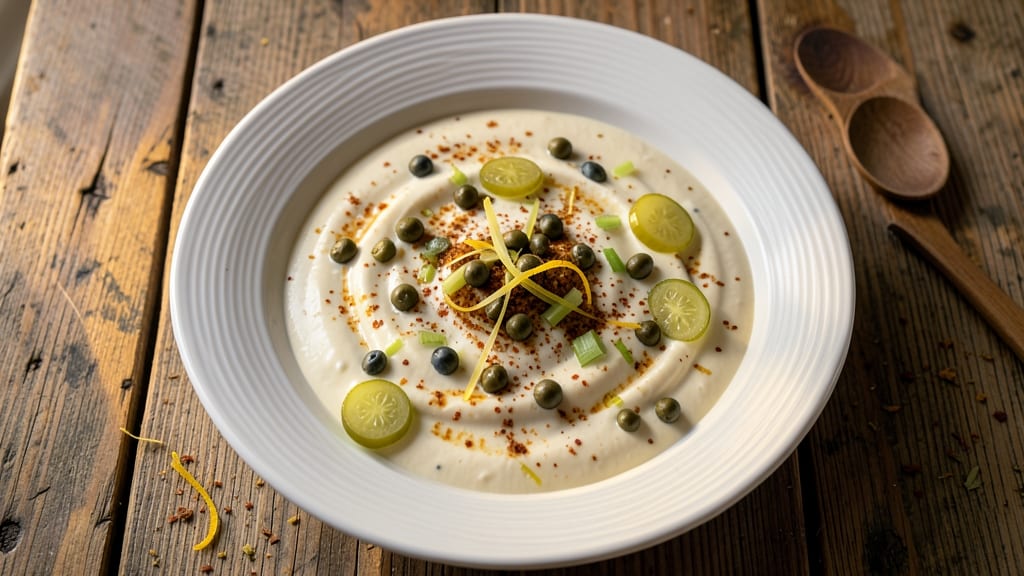
This authentic remoulade sauce recipe delivers the bold, tangy, and slightly spicy profile that makes it a Cajun classic. The secret lies in balancing creamy mayonnaise with sharp mustard, briny capers, and finely chopped celery for that signature crunch.
I've perfected this version after years of testing—it's the kind of sauce that elevates grilled shrimp, fried oysters, or even a simple seafood platter to restaurant-quality status.
The foundation of great remoulade is a smooth, well-emulsified base that won't break when mixed with other ingredients. We start with high-quality mayonnaise as our creamy anchor, then build layers of flavor with Dijon mustard, lemon juice, and a blend of traditional Cajun spices.
The capers and pickles add that signature briny tang, while the celery crown brings the essential texture that sets remoulade apart from other creamy sauces.
What makes this recipe truly authentic is the careful balance of heat and acidity—just enough cayenne to give it a kick without overpowering the other flavors. The sauce keeps beautifully in the refrigerator for up to a week, making it perfect for meal prep or entertaining.
Whether you're serving it with fried seafood, grilled vegetables, or even as a sandwich spread, this remoulade delivers that unmistakable Louisiana flavor profile.
For those who prefer it milder, reduce the cayenne slightly, or for extra richness, stir in a spoonful of sour cream. The possibilities are endless—once you master this base recipe, you can customize it to suit any taste.
Let's get started on creating this versatile, flavor-packed sauce that's as much about texture as it is about taste.
Ingredients for authentic remoulade sauce
Nine ingredients transform into the bold, tangy remoulade that defines Cajun seafood feasts.
| Ingredient | Amount | Notes |
|---|---|---|
| Mayonnaise 🥫 | 1 cup | High-quality, not low-fat |
| Dijon Mustard 🌶️ | ¼ cup | Mild or medium strength |
| Fresh Lemon Juice 🍋 | ¼ cup | Freshly squeezed, seeds removed |
| Capers 🫒 | ¼ cup | Chopped, briny and fresh |
| Cornichons 🥒 | ¼ cup | Chopped, small French pickles |
| Celery Stems 🧅 | ½ cup | Finely chopped, for crunch |
| Shallots 🧅 | 2 whole | Minced, for subtle sweetness |
| Garlic Cloves 🧄 | 2 cloves | Minced, fresh preferred |
| Cayenne Pepper 🔥 | ½ tsp | Adjust for heat preference |
| Smoked Paprika 🌶️ | ½ tsp | For depth and smokiness |
| Salt 🧂 | 1 tsp | Kosher or sea salt |
The mayonnaise is your creamy foundation—Duke's or Hellmann's are my go-tos for that velvety texture. Dijon mustard needs to be real Dijon, not that yellow American stuff—it's what gives remoulade its signature sharpness. For capers and cornichons, Trader Joe's has the best quality at a reasonable price. The celery crown is non-negotiable; chop it fine so every bite delivers that signature crunch. Shallots and garlic should be freshly minced—pre-minced jars lose flavor fast. If you can't find cornichons, tiny dill pickles work in a pinch, but they won't be as authentic.
No Dijon? Whole-grain mustard at half the amount gets you close, though the texture will be grainier. Short on capers? Chopped green olives add brine but lack that signature tang. The smoked paprika is what gives remoulade its authentic Cajun depth—Penzeys has excellent options if you want to splurge. For extra richness, stir in 1 tbsp sour cream at the end. If you prefer it milder, reduce the cayenne to 1/4 tsp or omit entirely. The key is balancing heat and acidity—taste as you go and adjust accordingly. Fresh lemon juice is essential; bottled won't cut it here.
This sauce keeps beautifully in an airtight container in the fridge for up to 1 week. For longer storage, freeze in 1-tbsp portions—perfect for quick sandwich spreads or topping fried seafood. If the texture separates, just stir vigorously before using. Remoulade tastes even better the next day as flavors meld. I always make a double batch—one for immediate use, one to freeze for later. The celery will soften over time, but the flavor remains vibrant.
Why You'll Love This Recipe
- No Fuss, Just Mix: Between us, this sauce takes five minutes—just stir mayo, mustard, lemon, and those briny capers until it’s smooth. No chopping, no waiting, no stress. Honestly, I’ve made it while standing at the stove with one hand.
- Tangy-Pickled Magic: That bright lemon cuts through the richness of the mayo, while the capers and cornichons add this unexpected crunch and bite. It’s not just flavor—it’s a full sensory experience, like a hug for your taste buds.
- Game for Any Plate: Slather it on grilled fish, toss it with fries, or drizzle it over a simple salad. I’ve even used it as a dip for veggies when I’m too tired to cook. The best part? It’s the kind of sauce that makes even the simplest meal feel special.
- Makes Leftovers Look Smart: A jar of this in the fridge means I’m always ready for last-minute guests or lazy weeknights. It keeps for days, and honestly? The longer it sits, the better it tastes—like a secret weapon for when you’re out of ideas.
Step-by-step instructions for authentic remoulade sauce
This bold Cajun-inspired sauce delivers perfect balance—tangy, briny, and packed with texture.
Prepare the Base Ingredients
In a medium bowl, combine the 1 cup mayonnaise with the 0.25 cup Dijon mustard and 0.25 cup fresh lemon juice. Whisk vigorously until completely smooth and emulsified—this creates the creamy foundation. I like to use a fork first to break up any lumps, then switch to a whisk for about 2 minutes to ensure everything is fully incorporated.
Here's the thing—don't rush this step. The mustard needs to fully blend with the mayo to prevent separation later. If you notice any streaks remaining after whisking, add 1 teaspoon of water and whisk again until smooth. The mixture should be thick but pourable, with a vibrant yellow hue from the lemon juice.
Build the Flavor Profile
Add the 0.25 cup capers, 0.25 cup cornichons, 0.5 cup finely chopped celery stems, 2 minced shallots, and 2 minced garlic cloves to the bowl. Stir gently with a wooden spoon to combine—you want these ingredients to distribute evenly without crushing them completely. The capers and cornichons should retain their distinct shapes for that signature crunch.
Now, sprinkle in the 0.5 teaspoon cayenne pepper, 0.5 teaspoon smoked paprika, and 1 teaspoon salt. Taste the mixture and adjust the seasoning if needed—I usually find the capers and cornichons add enough saltiness, but the cayenne might need a touch more. This is where the sauce starts to come alive with its signature Cajun kick and smoky depth.
Rest and Refine the Texture
Cover the bowl with plastic wrap and let the sauce rest at room temperature for 15-20 minutes. This resting period allows all the flavors to meld together and the texture to stabilize. I know it's tempting to serve it immediately, but trust me—this step makes a world of difference in the final result.
After resting, give the sauce one final taste and adjust the seasoning if necessary. The flavors should now be perfectly balanced—bright from the lemon, briny from the capers and cornichons, and slightly spicy from the cayenne. If the sauce is too thick, add 1-2 teaspoons of water to reach your desired consistency. It should coat the back of a spoon smoothly but still hold its shape.
Serve with Confidence
Transfer the remoulade sauce to a serving bowl or small pitcher. Garnish with an extra sprinkle of smoked paprika and a few chopped cornichons on top for visual appeal and that final crunch. This sauce is best served immediately, but it will keep in the refrigerator for up to 3 days if stored in an airtight container.
Here's where it gets fun—this versatile sauce pairs perfectly with grilled shrimp, fried fish, or even as a dip for crispy fries. The authentic Cajun flavors shine when served alongside bold, hearty dishes. Don't be afraid to experiment with it; the balance of textures and flavors makes it incredibly adaptable.
Pro Tips For Making Authentic Remoulade Sauce
- Chop Cornichons Fine: I learned this the hard way—whole cornichons turn your remoulade into a textured mess. Pulse them in a food processor for 2-3 seconds or chop them by hand into tiny, almost paste-like pieces. This ensures they blend smoothly and distribute flavor evenly without clumps.
- Whisk Mustard First: Mix the Dijon mustard into the mayo before adding anything else. This creates a stable base that won’t break when you incorporate the sharp lemon juice later. I used to add lemon first, and the sauce would split every time—this step fixes that.
- Drain Capers Well: Skip the brine, or your sauce will taste like a pickling jar. Rinse capers quickly, then pat them very dry with a paper towel before chopping. Wet capers dilute the sauce and throw off the balance of tangy, briny, and creamy.
- Taste Before Lemon: Build the sauce in stages—mayo, mustard, capers, cornichons—and taste after each addition. Lemon juice is the wild card; if you add it too soon, you’ll overcorrect later. Adjust salt and mustard first, then add lemon last in small drizzles until it’s bright but not overpowering.
Pro cooking tips for perfect results
Emulsify Like a Pro
For a silky-smooth remoulade, start by whisking the mayonnaise and Dijon mustard together until completely homogeneous. I use a hand mixer on low speed for 1-2 minutes—this ensures no streaks remain.
The key is patience: if you see any separation, add 1 tsp water and whisk again until fully emulsified. This step prevents that dreaded "broken" sauce texture later. 💫
Celery Chop Matters
That signature crunch comes from finely chopped celery stems—not the leaves. Use a sharp chef's knife and cut into pea-sized pieces (about 1/8-inch). If you pulse them in a food processor, you'll lose texture.
For extra authenticity, I like to add 1 tsp chopped parsley at the end for freshness. The celery should be crisp but still blend into the sauce.
Spice Balance Test
The cayenne pepper is where remoulade gets its kick, but it's easy to overdo. Start with ½ tsp and taste before adding more. For a milder version, reduce to ¼ tsp or swap in ½ tsp smoked paprika for warmth without heat.
Pro tip: Toast the spices in a dry pan for 30 seconds before adding—they'll release deeper flavors. Always taste as you go!
Resting Prevents Separation
Never skip the 15-20 minute rest at room temperature. This lets flavors meld and the texture stabilize. During this time, the acidity from lemon juice and capers will fully integrate with the mayo base.
If you're short on time, refrigerate for 10 minutes instead—just stir vigorously before serving. The rest is non-negotiable for professional results. ✨
Texture Adjustments
If your sauce is too thick after resting, thin with water (not milk or broth). For extra richness, stir in 1 tbsp sour cream or 1 tsp crème fraîche. The ideal consistency should coat the back of a spoon but still hold its shape.
I like mine slightly thicker than tartar sauce—it clings better to fried seafood. Trust your spoon test!
Storage Secrets
Store remoulade in an airtight glass container in the fridge for up to 7 days. For longer storage, freeze in 1-tbsp portions—perfect for quick sandwich spreads. If the texture separates after refrigeration, simply whisk vigorously before using.
The flavors actually improve overnight as the spices mellow. I always make a double batch—one for immediate use, one for freezing. 🧊
Nutrition facts
Frequently asked questions
Can I make remoulade without mayonnaise?
Traditional remoulade relies on mayonnaise for its creamy texture, but you can create a lighter version by substituting 1 cup Greek yogurt or 1 cup sour cream. The sauce will be tangier and slightly less rich, but still delicious. For best results, use a full-fat dairy product to maintain that signature creaminess.
What's the difference between remoulade and tartar sauce?
While both are creamy condiments, remoulade has a more complex flavor profile with capers, cornichons, and Cajun spices that give it a briny, slightly spicy kick. Tartar sauce is milder, typically featuring pickles and parsley without the same depth of seasoning. Think of remoulade as tartar sauce's bold cousin!
How do I fix separated remoulade?
If your sauce separates, simply whisk in 1-2 teaspoons of water or lemon juice until smooth. For a more permanent fix, add 1 teaspoon of Dijon mustard and whisk vigorously. The key is to re-emulsify the ingredients gently—don't overmix or it may break again. Most separations happen when acidity (from lemon or capers) isn't balanced properly.
Can I make remoulade ahead of time?
Remoulade actually tastes better after resting. Store it in an airtight container in the fridge for up to 1 week. The flavors meld beautifully overnight, and the texture stabilizes. For longer storage, freeze in 1-tbsp portions—perfect for quick sandwich spreads. Just give it a good stir before serving.
What's the best way to serve remoulade?
This versatile sauce shines with fried seafood (like shrimp or oysters), grilled fish, or as a dip for veggie sticks. It's also fantastic on po'boys or as a topping for crispy fries. For extra presentation, garnish with chopped cornichons or a sprinkle of smoked paprika. The bold flavors complement rich, hearty dishes perfectly.