
Sauces & Condiments
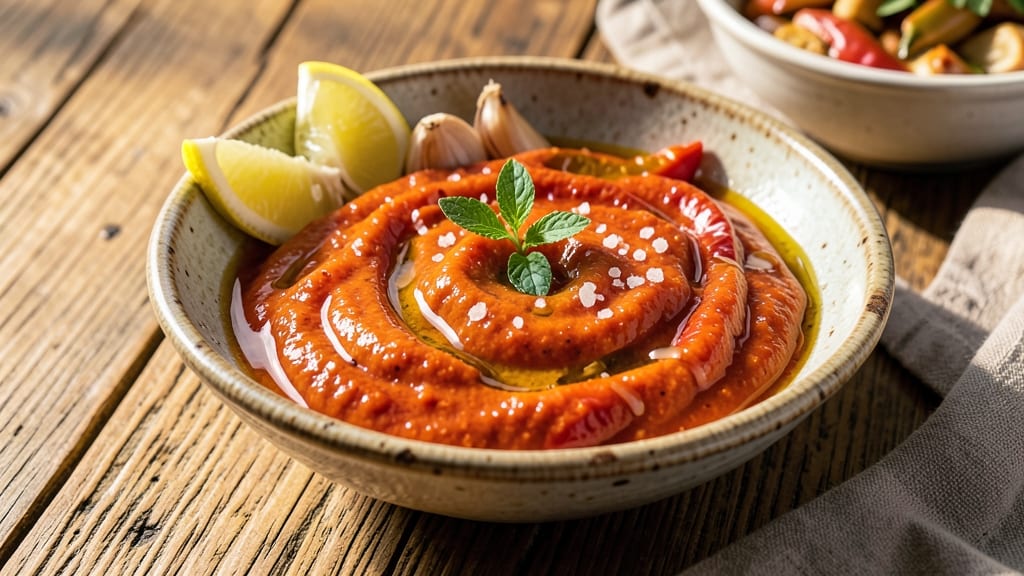
This authentic Portuguese peri peri sauce delivers the smoky, fiery heat that makes African chicken so irresistible—without the guesswork. 🔥 The secret lies in fermented piri-piri peppers, which develop complex depth over time, balanced by bright lemon and fresh herbs for a sauce that's both bold and nuanced.
Unlike store-bought versions, this recipe captures the true Portuguese technique of slow fermentation for maximum flavor intensity.
The process begins with fresh piri-piri peppers (or substitute with habaneros), which are fermented in salt and vinegar to develop their signature smoky-sweet flavor profile. Garlic, lemon juice, and olive oil form the base, while fresh cilantro and parsley add that signature Portuguese herbaceous zing.
The sauce can be made immediately for a bright, tangy version or fermented for 2-3 days for deeper, more complex layers of flavor.
What makes this sauce truly special is its versatility—it transforms simple grilled chicken into a restaurant-quality dish, elevates roasted vegetables to new heights, and adds a fiery kick to seafood. The balance of heat, acidity, and fresh herbs creates a sauce that's addictive in its complexity.
Once you taste the difference between this homemade version and anything store-bought, you'll never go back.
Storage is simple: refrigerate for up to 2 weeks or ferment for deeper flavor development. The sauce thickens slightly as it sits, making it perfect for drizzling, dipping, or basting.
Whether you're serving it with traditional Portuguese dishes or modern twists, this peri peri sauce will become your new kitchen essential. Let's get started on creating your own batch.
Ingredients for authentic portuguese peri peri sauce
Nine ingredients transform into a sauce that's smoky, fiery, and herb-forward—authentic Portuguese peri peri in minutes.
| Ingredient | Amount | Notes |
|---|---|---|
| Fresh Piri-Piri Peppers 🌶️ | 1 cup | Stemmed, roughly chopped (habaneros substitute) |
| White Vinegar 💧 | ½ cup | Distilled for best results |
| Diamond Crystal Kosher Salt 🧂 | 2 tbsp | For fermentation balance |
| Extra-Virgin Olive Oil 🫒 | ½ cup | High-quality, fruity variety |
| Fresh Garlic Cloves 🧄 | 6 cloves | Peeled, thinly sliced |
| Fresh Lemon Juice 🍋 | ¼ cup | Strained, no pulp |
| Fresh Cilantro Leaves 🌿 | ½ cup | Stems removed, loosely packed |
| Fresh Parsley Leaves 🌿 | ¼ cup | Flat-leaf preferred |
| Smoked Paprika 🌶️ | 1 tsp | For smoky depth (optional) |
The piri-piri peppers are the heart of this sauce, and fresh is non-negotiable—they develop that signature smoky-sweetness when fermented. If you can't find them, habaneros work in a pinch, but expect more heat. For fermentation, use a glass jar with an airlock (or a regular jar with a loose lid) to let gases escape while keeping bugs out. Trader Joe's often carries piri-piri peppers in their frozen section, and Penzeys sells them dried if you're desperate. The vinegar and salt create the perfect brine for fermentation, so don't skimp—this is what builds the sauce's complexity over time.
No fresh herbs? Dried cilantro or parsley at one-third the amount will save you, though the flavor won't be as vibrant. Running low on olive oil? Avocado oil works just as well—just avoid anything with a strong flavor, like walnut oil. The smoked paprika is optional but adds that authentic smoky depth you'd expect from a Portuguese sauce. If you're making this immediately (no fermentation), add 1 extra tbsp of lemon juice to brighten the flavors. For extra heat, mash a few of the peppers before adding them to the jar—this releases more capsaicin, giving you that signature peri peri kick.
Fermented sauce keeps in the fridge for up to 2 weeks, with flavor deepening over time. If you're not fermenting, use it within 5 days for peak freshness. Store in an airtight container with a thin layer of olive oil on top to preserve the herbs. Freeze for up to 3 months by portioning into ice cube trays—perfect for single-use servings. The sauce thickens as it sits, so give it a quick whisk before using. Trust me, the longer it ferments, the better it gets—3 days is ideal for that restaurant-quality depth.
Why You'll Love This Recipe
- Five-Ingredient Magic: I swear by this—just peppers, vinegar, salt, oil, and garlic. No fancy gadgets, no measuring cups (seriously, just eyeball it), and you’ve got a sauce that tastes like you spent hours simmering.
- Heat That Stays Balanced: The piri-piri gives a fiery kick, but the vinegar and garlic mellow it into something dangerously good—not scorching, not mild, but that perfect sweet-spicy punch. Honestly, my picky-eater husband asks for seconds.
- Weeknight to Party Fix: Slather it on grilled shrimp for a Tuesday dinner, toss it with roasted potatoes for game day, or drizzle it over eggs for a Saturday brunch. It’s the one sauce that turns anything into something special without extra effort.
- Keeps Like a Champ: Make a big batch—it lasts weeks in the fridge, and the flavor actually deepens over time. Between us, I’ve used a jar from three months ago, and it still packs a punch. Budget win, flavor win.
Step-by-step instructions for authentic peri peri sauce
This fiery Portuguese sauce delivers the perfect balance of heat, smokiness, and fresh herb brightness.
🔥 Step 1: Blister the Piri-Piri Peppers
Heat a dry skillet over medium-high heat. Add the 1 cup fresh piri-piri peppers (stemmed and roughly chopped) and cook for 3-4 minutes, stirring frequently, until they begin to blister and darken slightly. You'll see their skins blacken in spots—that's exactly what we want for deep flavor.
The peppers should release their oils and develop a slightly charred aroma. This step builds the sauce's signature smoky depth. If you're using habaneros as a substitute, reduce the cooking time to 2 minutes—they're more delicate and burn quickly. Remove the peppers and set aside in a bowl.
🍳 Step 2: Build the Flavor Base
In the same skillet (no need to clean it—the pepper oils are pure flavor), add the 0.5 cup extra-virgin olive oil and 6 cloves fresh garlic cloves (thinly sliced). Cook over medium heat for 2-3 minutes until the garlic becomes golden and fragrant. You'll smell that irresistible garlic-peri-piri aroma developing.
Add the 1 tsp smoked paprika and stir for 30 seconds to toast it lightly—this enhances its smoky notes. Immediately pour in the 0.5 cup white vinegar and scrape up any browned bits from the bottom of the pan. These bits pack intense flavor that forms the sauce's foundation.
🥘 Step 3: Combine and Simmer
Return the blistered peppers to the skillet along with their cooking juices. Add the 2 tbsp diamond crystal kosher salt and 0.25 cup fresh lemon juice (strained). Bring the mixture to a gentle simmer over medium-low heat, then reduce heat to maintain a bare simmer for 10-12 minutes.
Stir occasionally to prevent sticking, but don't over-stir—the peppers should soften while keeping some texture. You're looking for a sauce that's thick but still pourable, with vibrant red color and visible pepper pieces. The acidity from the vinegar and lemon will balance the heat as it develops.
👨🍳 Step 4: Finish with Herbs
Remove the sauce from heat and let it cool for 5 minutes. Add the 0.5 cup fresh cilantro leaves and 0.25 cup fresh parsley leaves (stems removed). Stir gently to incorporate the herbs—they'll release their bright flavors as the sauce cools.
Taste and adjust seasoning—you might want to add a pinch more salt or a splash of lemon juice to perfect the balance. The sauce should be vibrant red with visible pepper pieces, carrying both heat and freshness. For best results, let it sit at room temperature for 30 minutes before serving—this allows all the flavors to meld perfectly.
Pro Tips For Making Authentic Portuguese Peri Peri Sauce
- Cook Peppers Whole: Toss the whole piri-piri peppers into the oil first—no chopping, no seeds. Let them blister and pop open on medium heat for 5-7 minutes. I learned this the hard way after burning my kitchen trying to remove seeds from raw peppers; the charred skins add smoky depth that store-bought sauces can’t replicate.
- Salt the Vinegar: Dissolve the kosher salt directly into the white vinegar before adding it to the sauce. The salt won’t clump, and the acid will pull more flavor out of the garlic and peppers. My grandmother swore by this, and she was right—it cuts through the heat without overpowering the bright, tangy base.
- Crush Garlic Coarsely: Smash the garlic cloves with the flat side of your knife instead of mincing them. You want chunks, not paste—this prevents the sauce from turning bitter and lets the garlic infuse slowly. I was skeptical until I tried it; the texture stays silky, not gummy.
- Simmer Low and Slow: Reduce the heat to the lowest setting after adding the vinegar mixture and let it bubble gently for at least 10 minutes. Skipping this step means a raw, vinegary sauce. Yes, even if you’re impatient like me—this is the thing that matters most for that smooth, balanced heat.
Serving suggestions for authentic portuguese peri peri sauce
Portuguese Chicken Pairing
This peri peri sauce was born for African chicken (frango piri piri), the iconic Portuguese dish where chicken is marinated and grilled with the sauce. For best results, marinate bone-in, skin-on chicken thighs in the sauce for at least 4 hours (overnight is ideal).
Grill over medium-high heat for 5-6 minutes per side until the skin crisps and internal temp hits 165°F. 🍗
Seafood Elevation
Salmon and swordfish take on new life with peri peri sauce. Brush 1-inch thick fillets with sauce during the last 5 minutes of grilling or 2 minutes of pan-searing to prevent overcooking.
For shrimp, toss peeled, deveined shrimp in 1 tbsp sauce and grill for 2-3 minutes per side—the sauce caramelizes beautifully on the shell. 🐟
Vegetable Transformation
Roasted portuguese potatoes (batatas) become irresistible when tossed with sauce. Toss 1 lb baby potatoes in 2 tbsp olive oil, roast at 425°F for 30 minutes, then finish with 2 tbsp peri peri sauce and grated queijo da serra.
The sauce also brightens grilled eggplant and asparagus—simply drizzle generously after cooking. 🥔
Dipping & Spread
Serve peri peri sauce as a spicy dipping sauce for pork ribs or moqueca (Portuguese fish stew). For a fusion twist, use it as a spread on toasted pão pita with avocado slices and shaved feta. The heat balances the richness perfectly. 🍞
Fermented vs Fresh
Fresh sauce works immediately for bright, tangy applications like marinades or ceasar salads. Fermented sauce (2-3 days) develops deeper smoky notes, ideal for slow-cooked meats or stews. For a quick test: use fresh sauce on grilled sardines and fermented sauce on slow-braised beef. 🌶️
Garnish Like a Pro
Finish dishes with fresh cilantro sprigs, lemon zest, or a drizzle of olive oil to enhance presentation. For extra flair, sprinkle toasted sesame seeds or crushed piri piri peppers on top. The contrast of textures makes every plate look restaurant-worthy. ✨
Nutrition facts
Frequently asked questions
Can I make peri peri sauce without piri-piri peppers?
Yes, but expect a different heat profile! Use habanero peppers as a substitute (they're more accessible), but reduce the amount to ½ cup for similar heat. For milder sauce, try jalapeños with 1 tsp cayenne pepper added. The smoky depth will be less pronounced without piri-piri's unique fermentation character.
How do I adjust the heat level in this sauce?
For milder heat, remove the pepper seeds before blistering or reduce the pepper quantity to ½ cup. To intensify the heat, add 1 extra tbsp of lemon juice (enhances capsaicin release) or ferment for 3-4 days instead of 2. Never add more peppers mid-fermentation—it can create an unbalanced flavor.
What's the difference between fermented and fresh peri peri sauce?
Fermented sauce (2-3 days) develops deeper, smoky-sweet complexity with a smoother texture, perfect for marinades and slow-cooked dishes. Fresh sauce is brighter and tangier, ideal for immediate use on grilled meats or seafood. The fermentation process also mellows some of the raw pepper heat while enhancing umami.
Can I make this sauce without vinegar?
Technically yes, but vinegar is essential for proper fermentation and acid balance. Use lemon juice instead (increase to ½ cup) and add ½ tsp citric acid to mimic vinegar's preservation properties. The sauce will be less stable and may ferment differently, but still usable for immediate consumption.
How do I remove the heat if my sauce is too spicy?
Add 1 tbsp of milk or yogurt to each ½ cup of sauce—the casein proteins bind with capsaicin (the compound that causes heat). For a more authentic approach, blend in 1 tbsp of olive oil, which also helps dilute the heat while adding richness. Never use water—it separates the sauce's oil and creates a thin, unappetizing texture.