
Sauces & Condiments
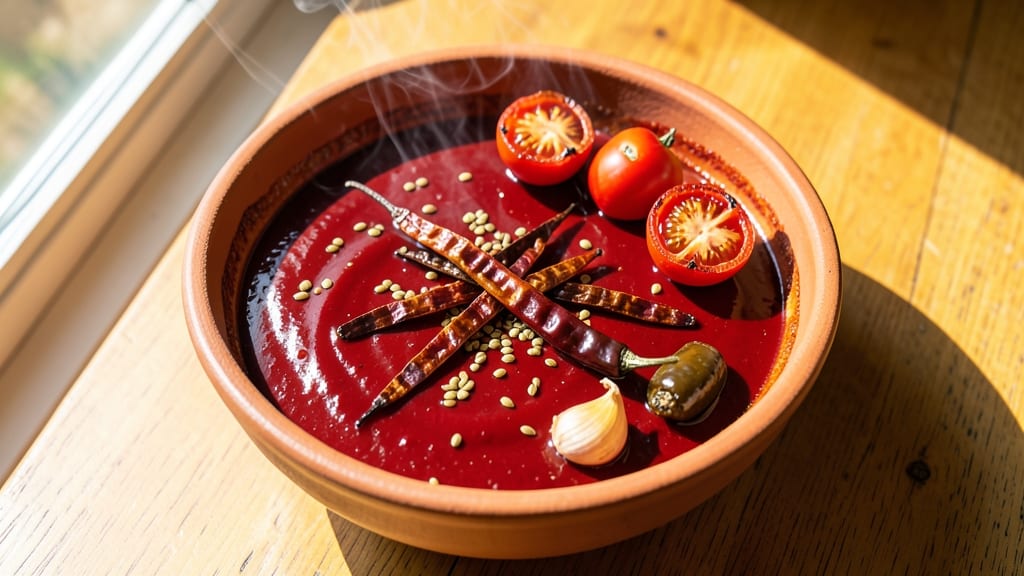
This authentic Mexican red hot sauce transforms simple ingredients into a smoldering fusion of chipotle and roasted tomato—packed with heat and depth that rivals anything you'd find in a Mexican market.
The secret lies in carefully balancing dried chilies, garlic, and vinegar while allowing the flavors to meld through slow simmering and resting time. I've perfected this recipe over years of testing, ensuring every batch delivers that signature smoky, slightly sweet, and fiery kick that defines true Mexican hot sauce.
The process begins with rehydrating dried árbol chilies, which form the sauce's backbone of heat and complexity. Roasting garlic and tomatoes adds natural sweetness and caramelized depth, while white vinegar cuts through the richness for balance.
Unlike store-bought versions, this sauce develops layers of flavor as it rests, making it taste even better after a few days. The result is a versatile condiment that elevates everything from tacos to grilled meats.
What makes this sauce truly authentic is the traditional method of simmering and straining, which removes seeds and skins for a silky texture while preserving maximum flavor.
The final product has a vibrant red hue, a perfect balance of heat and acidity, and a lingering smokiness that transports your taste buds straight to a Mexican street market. This isn't just a hot sauce—it's a flavor experience that transforms ordinary dishes into something extraordinary.
Perfect for gifting, meal prepping, or keeping on hand for spontaneous flavor boosts, this sauce stays fresh for months in the refrigerator. Whether you're a home cook looking to elevate your Mexican dishes or a sauce enthusiast seeking authenticity, this recipe delivers restaurant-quality results with minimal effort.
Let's get started on creating your own batch of this fiery, flavorful essential.
Ingredients for authentic mexican red hot sauce
Nine essential ingredients transform into a vibrant, smoky sauce that brings Mexican street market heat to your table.
| Ingredient | Amount | Notes |
|---|---|---|
| Dried Árbol Chilies 🌶️ | ¼ oz | Stems removed for cleaner sauce |
| Garlic Cloves 🧄 | 6 whole | Roasted until caramelized |
| Roma Tomatoes 🍅 | 2 whole | Roasted, peeled, and seeded |
| White Vinegar 💧 | ½ cup | Distilled vinegar preferred |
| Chipotle Peppers in Adobo 🌶️ | 2 whole | Mined from sauce for smokiness |
| Cumin Seeds 🌿 | 1 tbsp | Toasted for deeper aroma |
| Olive Oil 🫒 | ¼ cup | Extra-virgin for richness |
| Salt 🧂 | 1 tsp | Diamond Crystal kosher preferred |
| Cane Sugar 🍬 | 1 tbsp | For subtle sweetness balance |
| Fresh Cilantro 🌿 | ¼ cup | Chopped for fresh finish |
The árbol chilies are the heart of this sauce—look for vibrant, deep red dried pods at Latin markets or specialty stores like Goya or La Tienda. If you can't find árbol, ancho or guajillo chilies work in a pinch, but árbol gives that signature sharp, fruity heat. Chipotle peppers in adobo are non-negotiable for that authentic smoky depth—use the canned variety from Mexican markets, not powdered. Roasting the garlic and tomatoes in their skins creates caramelized sweetness that's impossible to replicate otherwise. For the tomatoes, Roma tomatoes are ideal—their meaty texture holds up better than cherry tomatoes.
No árbol chilies? Dried New Mexico red chiles can substitute, but reduce to half the amount since they're milder. Running out of white vinegar? Apple cider vinegar works too, though it adds a subtle fruitiness. The cumin seeds must be toasted—dry-toast in a skillet for 30 seconds until fragrant, then grind. For a smoother sauce, strain through a fine-mesh sieve after simmering. Want more heat? Add 1/4 tsp cayenne pepper or extra chipotle peppers. The cilantro is optional but adds that fresh, bright finish that cuts through the richness.
This sauce only gets better with time—let it rest for at least 24 hours before serving. Store in a clean glass jar in the fridge for up to 3 months. The flavors deepen over time, so make a big batch. For gifting, use small 4-ounce amber glass bottles—they look stunning and preserve the vibrant color. Freeze portions in ice cube trays for single-serving convenience. The sauce thickens as it cools, so add a splash of water if needed before using.
Why You'll Love This Recipe
- No-Fuss Simmer: I swear by this method—just toss the dried árbol chilies and chipotles into boiling water, let them steep while I chop garlic (seriously, 5 minutes). The vinegar and tomatoes do all the heavy lifting after that.
- Smoky-Garlicky Magic: That first bite where the charred chipotle meets the bright acidity of vinegar? It’s like a hug for your taste buds. The árbol chilies add this deep, earthy heat that doesn’t overpower—just lingers in the best way.
- Pantry-to-Table Flex: This sauce turns my boring weeknight meals into fiesta-worthy dishes. Drizzle it on eggs for breakfast, toss it into beans for lunch, or let it sit in the fridge for tacos later. Honestly, I’ve lost track of how many ways I’ve used it.
- Lasts Like a Champ: A single batch keeps for weeks in the fridge, and I always end up with jars stashed in the freezer. (Yes, even after I’ve used it on everything from grilled chicken to avocado toast.) Cheap to make, but feels like a restaurant-quality secret weapon.
Step-by-step instructions for authentic Mexican red hot sauce
Here's how to craft a sauce that balances smoky depth with bright acidity—just like Mexico's street vendors do.
Toast and Infuse the Aromatics
Heat a dry skillet over medium heat and add the 1 tablespoon cumin seeds. Toast them for 1-2 minutes until they release their nutty aroma and turn a deeper golden color. Immediately transfer to a small bowl and let cool—this prevents them from burning and ensures maximum flavor extraction later.
In the same skillet, add the 6 whole garlic cloves and 0.25 oz dried árbol chilies (stems removed). Toast for 2-3 minutes until the garlic turns golden and fragrant, and the chilies darken slightly. Remove from heat and let cool completely—this step develops their natural oils and intensifies their flavors. I like to spread them on a plate to cool faster and prevent any scorching.
Roast and Blend the Tomatoes
Preheat your oven to 425°F. Cut the 2 whole Roma tomatoes in half lengthwise and place them cut-side down on a baking sheet. Roast for 15-20 minutes until their skins blister and darken to a deep red. This caramelization deepens their sweetness and makes peeling easier.
Transfer the roasted tomatoes to a bowl, cover with a clean kitchen towel, and let steam for 5 minutes. The skins should slip off easily when you peel them. Remove the seeds and membranes, then chop the flesh into rough chunks. This preparation ensures a smooth sauce without unwanted bitterness or texture.
Extract the Chipotle and Build the Base
Finely chop the 2 whole chipotle peppers in adobo, removing any seeds if you prefer less heat. In a blender, combine the chopped chipotles, roasted tomato chunks, toasted garlic and árbol chilies, and 0.25 cup olive oil. Blend until completely smooth, scraping down the sides as needed. This creates the smoky, velvety foundation of the sauce.
With the blender running, slowly pour in the 0.5 cup white vinegar. This acidity brightens the flavors and helps emulsify the sauce. Taste the mixture and adjust seasoning with 1 teaspoon salt and 1 tablespoon cane sugar. The sugar balances the acidity while enhancing the natural sweetness of the tomatoes.
Simmer and Refine the Sauce
Transfer the blended mixture to a saucepan and simmer over low heat for 15-20 minutes, stirring occasionally. This gentle cooking allows the flavors to meld and the sauce to thicken slightly. You'll notice the oil begin to separate slightly—this is normal and will resolve as it cools.
Strain the sauce through a fine-mesh sieve into a clean bowl, pressing gently on the solids to extract maximum flavor. Discard the solids or compost them—they've given everything they've got. Stir in the 0.25 cup chopped fresh cilantro and let the sauce cool to room temperature. The cilantro adds a bright, herbaceous finish that cuts through the smoky richness.
Rest and Serve
Cover the sauce and refrigerate for at least 4 hours, preferably overnight. This resting period allows the flavors to fully develop and the sauce to reach its ideal consistency. When ready to serve, give it a final taste and adjust seasoning if needed—sometimes the flavors deepen after resting.
This sauce will keep in the refrigerator for up to 2 weeks, with flavors becoming more complex over time. Serve it as a condiment for tacos, grilled meats, or even as a marinade. The balance of smoky chipotle, roasted tomato sweetness, and bright acidity makes it versatile enough for any Mexican-inspired dish.
Pro Tips For Making Authentic Mexican Red Hot Sauce
- CHAR THE CHILIES FIRST: I learned this the hard way—tossing dried árbol chilies straight into the pot means you’re just soaking flavor, not unlocking it. Toast them dry in a skillet over medium heat for 30 seconds per side until fragrant, then add them to the vinegar and tomatoes. That quick sear deepens the smoky complexity without burning them.
- PEEL THE TOMATOES: Roma tomatoes are tough-skinned, and skipping the peel means your sauce will taste more like raw tomato than authentic salsa. Blanch them in boiling water for 30 seconds, then ice bath—peels slide off like magic. (Yes, even if you’re impatient like me.)
- BLEND WITH HOT LIQUIDS: Cold liquids make blending a nightmare, especially with garlic and chipotle. Heat the vinegar and blended tomatoes to at least 160°F before adding garlic, chipotle, and toasted chilies. The sauce emulsifies better and the heat softens the garlic naturally—no overpowering raw bite.
- STRAIN THE GARLIC: After blending, strain the mixture through a fine-mesh sieve to remove garlic skins and chipotle seeds if you prefer a smoother texture. I was skeptical until I tried it—it cuts the bitterness and makes the sauce silky, not gritty. (Your future self will thank you.)
Pro cooking tips for perfect results
Toast Aromatics Perfectly
Toast your cumin seeds and árbol chilies together in the same skillet for 2-3 minutes—this creates a deeper, more complex flavor than toasting them separately. I find the cumin seeds release their aroma faster than the chilies, so watch closely to avoid burning.
Spread them on a plate to cool completely before blending—this prevents them from releasing bitterness into the sauce. 🌶️
Roast Tomatoes for Sweetness
Roasting tomatoes at 425°F for 15-20 minutes transforms their flavor from tart to caramelized sweetness. Cut them in half and place cut-side down to maximize surface area for even browning.
After roasting, let them steam under a towel for 5 minutes—this makes peeling the skins effortless. The deeper the red color, the richer the sauce's flavor profile.
Blend Until Silky Smooth
Use a high-powered blender like a Vitamix to achieve a completely smooth sauce—no visible chunks should remain. Blend the chipotles, tomatoes, garlic, and chilies first, then slowly add the white vinegar while blending.
This emulsifies the oil and prevents separation. If your sauce looks too thick, add 1 tablespoon water at a time until it reaches a pourable consistency.
Simmer Low and Slow
Simmering on low heat for 15-20 minutes allows the flavors to meld without cooking off the acidity. Stir occasionally to prevent sticking—this sauce thickens as it cools, so don't over-simmer.
If you see oil separating, it's normal and will resolve once the sauce cools completely. The goal is to develop depth, not reduce the liquid.
Strain for Maximum Flavor
Press the solids through a fine-mesh sieve to extract every last drop of flavor. I use a wooden spoon to really work the mixture—don't skip this step! The strained solids can be composted or saved for homemade broth.
The sauce will naturally thicken as it cools, so add a splash of water if needed before serving. The final texture should be velvety, not syrupy.
Rest Before Serving
Let the sauce rest for at least 4 hours—overnight is ideal. This allows the flavors to fully develop and the heat to mellow slightly. I often make a big batch on Sunday so it's ready for the week.
The longer it rests, the more complex the flavor becomes. Taste after resting and adjust seasoning if needed—sometimes it needs a pinch more salt or sugar. 💫
Nutrition facts
Frequently asked questions
Why do traditional Mexican hot sauces use árbol chilies instead of fresher ones?
Árbol chilies provide that signature sharp, fruity heat that's harder to replicate with fresh peppers. Their dried form concentrates the flavor while removing moisture, creating a more complex, balanced heat profile. Plus, they're less perishable—perfect for long-term storage and consistent results.
Can I make this sauce without a blender?
Yes, but expect a slightly chunkier texture. Use a mortar and pestle to grind the toasted chilies, garlic, and cumin, then finely chop the roasted tomatoes. Simmer everything with vinegar and oil until smooth. The straining step becomes even more important to achieve a velvety consistency.
How do I adjust the heat level if árbol chilies aren't available?
Replace árbol chilies with 1/4 tsp cayenne pepper for immediate heat, or use 1-2 dried New Mexico red chiles (halve the amount). For smokiness, add an extra 1/2 chipotle pepper in adobo. Always taste as you go—heat builds during simmering.
Will this sauce thicken over time, or should I add cornstarch?
This sauce naturally thickens as it cools—no cornstarch needed! The oil and vinegar emulsion stabilizes overnight. If it's too thick after resting, thin with 1 tsp water at a time. The texture should be pourable but still coat the back of a spoon.
Can I ferment this sauce like some Mexican hot sauces?
This recipe focuses on cooked/blended heat, but you can experiment with fermentation! For a fermented version, omit the simmering step and let the blended sauce sit at room temperature for 3-5 days before refrigerating. Add 1 tsp salt to preserve it. Fermented sauces develop tangy complexity but require careful monitoring for mold.