
Sauces & Condiments
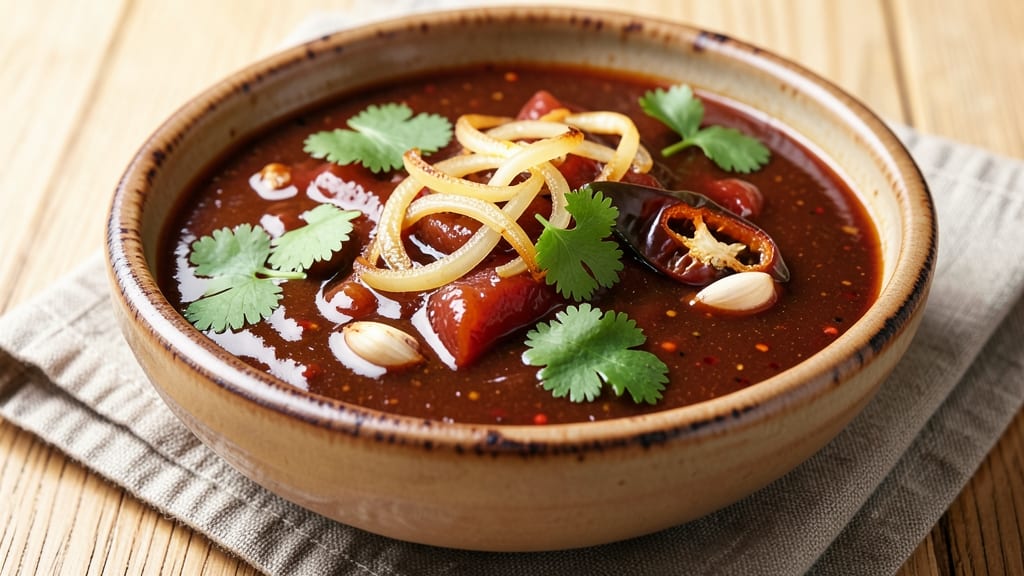
This authentic mambo sauce recipe brings bold Caribbean flavors to your table with smoky chipotle heat and fresh herb zing. ✨ Born in the islands, mambo sauce transforms simple meals into vibrant, flavor-packed experiences—think grilled meats, fried fish, or rice and peas.
The secret lies in balancing smoky chipotle peppers with bright tomatoes, garlic, and a touch of Scotch bonnet for that signature kick.
What sets this sauce apart is its layered depth—simmered tomatoes and onions form the base, while garlic and herbs infuse aromatic complexity. The chipotle peppers add smokiness without overpowering, and a final blend of fresh herbs (like cilantro or parsley) brightens every spoonful.
Unlike store-bought versions, this recipe delivers authentic flavor with minimal effort, perfect for weeknight dinners or special occasions.
Ready in just 30 minutes, this sauce keeps well in the fridge for up to a week, making it a versatile pantry staple. Whether drizzled over grilled chicken, stirred into beans, or served as a dip for plantains, mambo sauce elevates any dish with its bold, balanced profile.
The blend of smoky, spicy, and fresh notes creates a sauce that’s as satisfying as it is easy to make.
For extra authenticity, toast your spices and let the sauce simmer until thickened—this slow cooking develops the rich, complex flavors that define Caribbean cuisine. Pair it with warm bread or use it as a marinade for grilled meats. Here’s how to make it shine.
Ingredients for authentic mambo sauce
Bold Caribbean flavors start with these 12 vibrant ingredients—smoky, spicy, and fresh.
| Ingredient | Amount | Notes |
|---|---|---|
| Canned Tomato Sauce 🍅 | 2 cups | San Marzano preferred for sweetness |
| Yellow Onion 🧅 | 1 whole | Medium, finely diced |
| Garlic Cloves 🧄 | 4 cloves | Minced for aromatic depth |
| Chipotle Peppers in Adobo 🌶️ | 2 tbsp | Mince finely for smoky heat |
| Scotch Bonnet Pepper 🌶️ | 1 whole | Seeds removed for medium heat |
| Fresh Cilantro 🌿 | ¼ cup | Chopped, for vibrant finish |
| Fresh Parsley 🌿 | ¼ cup | Chopped, for brightness |
| Extra-Virgin Olive Oil 🫒 | ½ cup | High quality for richness |
| Lemon Juice 🍋 | 2 tbsp | Freshly squeezed |
| Ground Cumin 🌿 | 1 tsp | Toasted for deeper flavor |
| Salt 🧂 | 1 ½ tsp | Diamond Crystal preferred |
| Black Pepper 🌶️ | ½ tsp | Freshly ground |
The chipotle peppers and Scotch bonnet are non-negotiable for authentic mambo sauce. Goya or La Costeña brands deliver the best adobo sauce for chipotle, while Caribbean markets often carry Scotch bonnet peppers with the perfect heat level. Look for peppers that are firm and vibrant red—avoid any with soft spots. If you can't find Scotch bonnet, Habanero at half the amount works in a pinch, but the flavor will differ slightly. The tomato sauce is the base, so San Marzano is ideal for its natural sweetness, though any quality canned sauce will do.
No fresh cilantro or parsley? Dried oregano at one-third the amount adds depth, though it lacks the bright finish. For extra smokiness, toast the cumin seeds before grinding—this step transforms the flavor. The olive oil matters here; California extra-virgin has the perfect balance of fruitiness and pepperiness. If you're sensitive to heat, reduce the Scotch bonnet to half or remove seeds entirely. The lemon juice should be freshly squeezed—bottled juice lacks the bright acidity needed to balance the sauce.
This sauce thickens as it cools, so store it in an airtight container with a thin layer of olive oil on top to preserve freshness. Keeps for 1 week in the fridge and freezes beautifully for 3 months. For extra convenience, portion into ice cube trays before freezing—perfect for adding to dishes later. The flavors meld beautifully over time, making it even more delicious the next day.
Why You'll Love This Recipe
- Few Ingredients, Big Payoff: I swear by this recipe because it’s that simple—just a can of tomato sauce, onions, garlic, and those smoky chipotles. No fancy prep, no stress, and honestly? The sauce still tastes like it simmered all day.
- Heat That Sticks: That Scotch bonnet and adobo combo? It’s the secret weapon—deep, smoky, and just enough fire to linger. The first time I made it, my roommate stole half the batch before dinner even started.
- Weeknight to Party Fix: Slap it on grilled chicken for a Tuesday, or drizzle it over black beans for a Sunday potluck. Between us, I’ve used it for tacos, pasta, and even stuffed peppers—it’s the one sauce that never lets me down.
- Leftovers That Don’t Suck: This sauce actually improves the next day—thicker, richer, and still packed with flavor. I make a double batch, freeze half, and thank myself later when I’m reheating it for lunch. Budget-friendly? Absolutely. Lazy-friendly? Even better.
Step-by-step instructions for authentic mambo sauce
Here's the method for a sauce that balances smoky chipotle heat with bright fresh herbs.
🍳 Step 1: Sauté the Aromatics
Heat the 0.5 cup extra-virgin olive oil in a medium saucepan over medium heat. Add the 1 whole yellow onion and cook for 5-6 minutes until the onions become translucent and begin to soften. This step develops their natural sweetness, which forms the sauce's foundation.
Add the 4 cloves minced garlic and continue cooking for 1 minute until fragrant. You'll know it's ready when the kitchen fills with that unmistakable garlic aroma. Be careful not to let it brown—burnt garlic will make the sauce bitter. Stir constantly to prevent sticking and ensure even cooking.
🔥 Step 2: Add Spices and Peppers
Reduce the heat to medium-low and stir in the 2 tbsp minced chipotle peppers in adobo and 1 whole scotch bonnet pepper (seeds removed). Cook for 2-3 minutes until the peppers soften slightly and release their oils. This step infuses the sauce with deep smoky heat and a subtle Caribbean kick.
Here's the thing—don't rush this step. The peppers need time to meld with the aromatics. If you notice the sauce starting to darken too quickly, reduce the heat further. The goal is to develop flavor, not color. You'll want to see the peppers soften but not char.
🍳 Step 3: Incorporate the Tomato Base
Pour in the 2 cups canned tomato sauce and stir to combine with the spiced aromatics. Add the 1 tsp ground cumin, 1.5 tsp salt, and 0.5 tsp black pepper. Bring the mixture to a gentle simmer over medium heat and let it cook uncovered for 10-12 minutes.
During this time, stir occasionally to prevent sticking. You're looking for the sauce to thicken slightly and reduce by about 25%. The sauce should coat the back of a spoon but still be pourable. This reduction concentrates the flavors and creates that perfect balance of smokiness and acidity.
🥘 Step 4: Finish with Herbs and Acid
Remove the sauce from heat and stir in the 2 tbsp lemon juice, 0.25 cup chopped fresh cilantro, and 0.25 cup chopped fresh parsley. Let the sauce sit for 5 minutes to allow the herbs to infuse and the lemon to brighten the flavors. This final step transforms the sauce from smoky and rich to vibrant and balanced.
I know it seems counterintuitive to add lemon after cooking, but this is the moment that matters: the acidity cuts through the richness and brings out the fresh herb notes. Taste the sauce and adjust the seasoning if needed—you might need a pinch more salt or a splash more lemon juice to achieve the perfect balance.
Pro Tips For Making Authentic Mambo Sauce
- Char the Onions Properly: Don’t just dice and sauté—cut onions into even ¼-inch slices and cook them in a dry skillet over medium-high heat until deep golden brown, not soft. I learned this the hard way: skipping this step leaves your sauce tasting flat and one-dimensional, like you missed the whole point of the caramelization.
- Blend the Adobo Paste: Chipotle peppers in adobo come with a smoky, salty paste—don’t toss it. Blend it into the sauce early (about 3 minutes in) for a smoother, more integrated heat. I used to strain it out, thinking it was just extra work, but the sauce lacks depth without it.
- Control the Scotch Bonnet: Wear gloves when handling Scotch bonnet—its oils will burn your hands—and seed it carefully. Taste the sauce before adding the whole pepper; start with just the membrane and a pinch of seeds, then adjust. After burning my tongue twice, I now keep a bowl of cold water nearby and go slow.
- Simmer Low and Slow: After adding the tomato sauce, reduce heat to the lowest setting that keeps a gentle bubble. Rushing this step makes the sauce watery and dull. My grandmother swore by this, and she was right: 20 minutes of steady simmering builds flavor you can’t rush.
Dietary considerations for this authentic mambo sauce
Vegetarian Adaptations
Skip the Scotch bonnet pepper entirely and replace the chipotle peppers with 1 tbsp smoked paprika for heat without the spicy kick. Use 1 cup cooked black beans blended into the tomato base for protein—simmer them with the sauce for 5 minutes to absorb flavors.
This version still delivers smoky depth and works perfectly with veggie patties or grilled portobello mushrooms. 🌱
Gluten-Free Compliance
All ingredients in this recipe are naturally gluten-free, but double-check your tomato sauce and cumin labels for cross-contamination warnings. I recommend Muir Glen Organic Tomato Sauce—it’s certified gluten-free and pairs beautifully with the sauce’s bold flavors.
The olive oil, lemon juice, and fresh herbs are also safe, making this an easy gluten-free option for any dish.
Spice Sensitivity Fixes
For milder heat, remove all seeds from the Scotch bonnet and reduce the chipotle peppers to 1 tbsp. Add 1 extra tbsp of tomato sauce to balance the flavors without overpowering.
If you’re avoiding capsaicin entirely, swap the Scotch bonnet for ½ tsp mild cayenne pepper—it adds warmth without the fiery sting. Always taste as you go! 🌶️
Dairy-Free Versatility
This sauce is already dairy-free, but it pairs wonderfully with dairy-free alternatives like cashew cheese or coconut yogurt for dips. The smoky chipotle and bright herbs complement plant-based proteins like tofu or tempeh beautifully.
For extra richness, stir in 1 tbsp coconut cream at the end for a velvety texture—just don’t overdo it, or the sauce will lose its balance.
Low-Sodium Options
Reduce the salt to ½ tsp and boost umami with 1 tbsp soy sauce (or tamari for gluten-free) instead. The chipotle peppers and Scotch bonnet already add depth, so the sauce won’t miss the extra sodium.
For extra flavor without salt, add 1 tsp fish sauce (if not vegetarian) or 1 tbsp nutritional yeast for a cheesy, savory note. Always taste and adjust gradually!
Nutrition facts
Frequently asked questions
What's the key difference between mambo sauce and other Caribbean sauces?
Mambo sauce stands out with its unique blend of smoky chipotle peppers and Scotch bonnet heat, balanced by bright fresh herbs. Unlike habanero-based sauces (like pepper sauce) or tomato-heavy marinades, mambo sauce has a tomato-forward base with a herbaceous finish that makes it versatile for both dips and cooking. The chipotle adds depth that you won't find in traditional jerk or pepper sauces.
Can I make mambo sauce without fresh herbs?
Yes! If you're short on fresh cilantro or parsley, use 1 tbsp each of dried oregano and thyme instead. For extra brightness, add 1 tsp lime zest or an extra splash of lemon juice. The sauce will still taste delicious, though the fresh herb notes will be less pronounced. Toasting ½ tsp cumin seeds before grinding adds aromatic depth too.
How spicy is this mambo sauce compared to store-bought versions?
This authentic recipe delivers moderate heat—the Scotch bonnet (with seeds removed) and chipotle peppers create a balanced kick, not overwhelming spice. Store-bought versions often use more cayenne or habanero, making them hotter. For milder heat, reduce the Scotch bonnet to half or use ½ tsp cayenne instead. Always taste as you go!
What's the best way to store leftover mambo sauce?
Transfer the sauce to an airtight container and refrigerate for up to 1 week. For longer storage, freeze in ice cube trays (portion for easy use) or silicone molds for up to 3 months. The sauce thickens when refrigerated—stir in 1 tbsp water or broth to thin it before reheating. The flavors actually improve overnight!
Can I use this sauce as a marinade?
Use mambo sauce as a marinade for grilled chicken, pork chops, or shrimp—let proteins soak for 2-4 hours (or overnight for deeper flavor). The smoky chipotle and bright herbs create a perfect balance for grilling. For extra tenderness, add 1 tbsp olive oil to the marinade. Always pat meat dry before cooking for better searing.