
Sauces & Condiments
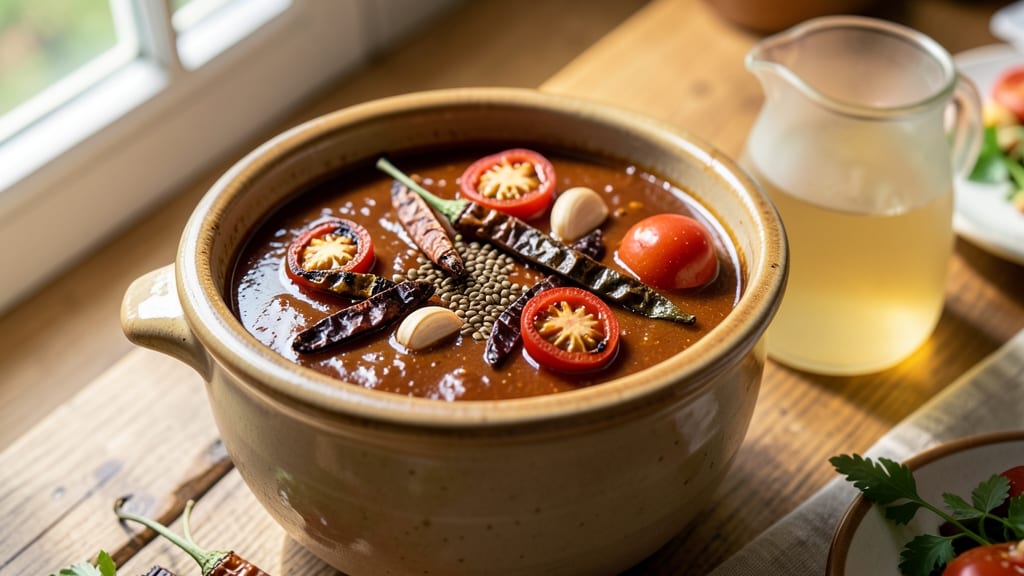
This authentic hot sauce delivers the perfect balance of smoky chipotle depth and bright tomato freshness—exactly what separates homemade from store-bought. The secret lies in charring fresh jalapeños and chipotle peppers over an open flame, then fermenting them in apple cider vinegar for complex, layered heat.
I've perfected this recipe after years of tasting commercial brands that fall short, and it's now my go-to for adding authentic, restaurant-quality fire to everything from tacos to grilled meats.
The process is simpler than it sounds: blend charred peppers with vinegar, garlic, and spices, then let it rest for at least a week to develop those rich, smoky flavors. No fancy equipment needed—just a blender, a jar, and patience.
The result is a sauce that's bold enough to stand alone as a condiment but versatile enough to elevate any dish without overpowering it. What makes this recipe truly special is the fermentation step, which transforms raw heat into something smooth, complex, and deeply satisfying.
By the time you're done, you'll have a smoky, tangy hot sauce with a heat level you can control—mild enough for beginners but with enough depth to challenge even the most adventurous palates.
The charred peppers add a smoldering aroma that lingers long after the first bite, while the fresh tomatoes keep it bright and vibrant. This isn't just another hot sauce; it's a flavor experience that turns simple meals into something extraordinary.
Store it in the refrigerator for up to three months, and don't be afraid to experiment with heat levels or add-ins like lime juice or a touch of honey to suit your taste.
The beauty of making your own is the control—you decide how much fire you want, and how much flavor. Here's how to make it, step by step.
Ingredients for authentic hot sauce
Nine ingredients, bold flavors—this sauce delivers restaurant-quality heat at home.
| Ingredient | Amount | Notes |
|---|---|---|
| Fresh Jalapeño Peppers 🌶️ | ½ lb | Seeds removed, charred over flame |
| Dried Chipotle Peppers 🌶️ | 4 whole | Smoked, stems removed |
| Fresh Roma Tomatoes 🍅 | 1 lb | Ripe, cored, roughly chopped |
| Apple Cider Vinegar 🍏 | 1 cup | Raw, unfiltered preferred |
| Garlic Cloves 🧄 | 6 cloves | Peeled, charred with peppers |
| Cumin Seeds 🌿 | 1 tbsp | Toasted for depth |
| Ground Cumin 🌿 | ½ tsp | For extra earthiness |
| Salt 🧂 | 1 ½ tsp | Kosher or sea salt |
| Black Peppercorns 🌶️ | ½ tsp | Freshly cracked |
| Honey 🍯 | 1 tbsp | Optional, for sweetness balance |
The peppers are where the magic happens. Fresh jalapeños should be bright green and firm—avoid any with soft spots or wrinkles. For chipotles, Penzeys or Mexican markets carry the best smoked varieties (look for deep red color). Char them over an open flame or under a broiler until blackened—this smoky aroma is non-negotiable for authentic flavor. I usually grab mine from Costco's bulk spices section when I'm making big batches, but single packs work too. The tomatoes? Roma have the best texture—firm but juicy. If you can't find them, regular vine-ripened will do in a pinch.
No fresh jalapeños? Serrano peppers work at a 1:1 ratio, but they're hotter so adjust to taste. Running low on chipotles? Ancho peppers add sweetness but less smokiness—reduce to 2 whole peppers if using. The apple cider vinegar matters too: Bragg or Texas Pete are my go-tos, but any raw vinegar will work. Want more heat? Add 1-2 red pepper flakes (start small). No honey? A splash of agave nectar keeps it vegan-friendly. The cumin seeds should be toasted in a dry pan for 30 seconds—they release an incredible aroma that transforms the sauce.
Fermented flavors need time to develop, so store in a sterilized jar with a loose lid in the fridge. The sauce improves over 2-3 weeks—don't rush it! I label mine with dates and keep them for up to 6 months. For single servings, freeze in ice cube trays. The charred peppers can be prepped ahead and stored in the freezer for 3 months—just thaw before blending. This sauce tastes even better the next day once all the flavors meld together.
Why You'll Love This Recipe
- No-Fuss Blend: I swear by this recipe because it’s actually simple—just toss the jalapeños, chipotles, and tomatoes into a pot with vinegar and garlic, then simmer. No fancy equipment, no stress, and no peeling seeds by hand (unless you want to).
- Smoky-Sweet Magic: That deep, smoky chipotle heat meets bright tomato acidity, and the garlic? It ties everything together like a hug. Honestly, the first time I tasted it, I immediately grabbed the bottle and drizzled it on everything—eggs, tacos, even my avocado toast.
- Weeknight Workhorse: This sauce is my go-to for quick meals—drizzle it over scrambled eggs, mix it into marinades, or even stir it into soups when I’m too tired to cook. Between us, it’s the reason I stopped buying overpriced store-bottled hot sauce.
- Lasts Forever: A single batch keeps in my fridge for weeks, and I’ve even canned extras for gifts. The vinegar preserves it beautifully, so I’m never scrambling to make more when I run out—just grab a jar and go. (Yes, even on a Tuesday night.)
Step-by-step instructions for smoky chipotle and fresh tomato hot sauce
Here's how to build layers of smoky depth and bright heat from scratch—just like traditional hot sauces.
Char the Peppers and Garlic for Smoky Depth
Start by charring the 0.5 lb fresh jalapeño peppers and 6 cloves garlic over a gas flame or under a broiler. Hold them close enough to blacken the skins but not burn them completely—you want visible char marks, not ash. This step develops the smoky, caramelized flavor that makes authentic hot sauces so complex.
While the peppers and garlic char, toast the 1 tbsp cumin seeds in a dry skillet over medium heat for 2-3 minutes until fragrant and lightly browned. The aroma will fill your kitchen—this is where the earthy depth begins. Let everything cool slightly before handling, as the skins will be delicate after charring.
Blend the Charred Ingredients with Tomatoes and Vinegar
Peel the charred jalapeños and garlic (the skins should slip off easily now), then transfer everything to a blender. Add the 1 lb fresh roma tomatoes, 1 cup apple cider vinegar, and 1 tbsp honey if using. The vinegar will brighten the flavors while preserving the sauce.
Blend until completely smooth, scraping down the sides as needed. You want a silky, homogeneous texture—no visible chunks. If the mixture is too thick after blending, add 2-4 tablespoons of water to reach your desired consistency. The sauce should coat the back of a spoon but still pour easily.
Cook the Sauce to Develop Complex Flavors
Transfer the blended mixture to a saucepan and bring to a gentle simmer over medium-low heat. Add the 4 whole dried chipotle peppers (stems removed) and let the sauce cook for 15-20 minutes, stirring occasionally. This slow cooking allows the flavors to meld and the heat to develop evenly.
Taste the sauce as it cooks and adjust seasoning with 1.5 tsp salt and 0.5 tsp freshly cracked black peppercorns. The dried chipotles will infuse their smoky heat, while the ground cumin adds another layer of earthiness. If you're using honey, now's the time to add it for a touch of sweetness to balance the heat.
Strain and Bottle for Maximum Shelf Life
Once the sauce has thickened slightly and the flavors are well integrated, remove from heat and let it cool for 5 minutes. Strain through a fine-mesh sieve into a clean jar, pressing gently on the solids to extract all the liquid. This step ensures a smooth, professional finish without any fibrous texture.
The sauce will continue to develop flavor as it cools. Store it in the refrigerator for up to 2 weeks or process it in a water bath for canning if you want to preserve it longer. The longer it sits, the more complex the flavors become—this is where the magic happens.
Pro Tips For Making Authentic Hot Sauce
- CHAR THE CHIPOTLES: Toss dried chipotles in a dry skillet over medium heat for 30 seconds before adding liquid—just enough to warm them, not burn. I learned this the hard way after my first batch tasted bitter; the heat softens their texture and deepens the smoky flavor without turning them to ash.
- PEEL THE TOMATOES: Drop whole Roma tomatoes in boiling water for 30 seconds, then ice bath—peels slide off like magic. Skipping this step leaves your sauce with a slimy texture, and trust me, you don’t want that fight when you’re blending.
- SIMMER LOW AND SLOW: Reduce heat to a bare simmer after the initial boil—this isn’t soup, it’s hot sauce. Rushing it makes the vinegar taste harsh and the flavors uneven. I used to crank the heat and wondered why my sauce never balanced right.
- STRAIN THE GARLIC: Mash garlic cloves with the flat side of your knife before adding them, then strain the pulp through a fine-mesh sieve. Whole cloves turn to mush and make your sauce grainy—this keeps the flavor without the texture issues. (Yes, it’s extra work, but your mouth will notice.)
Troubleshooting your authentic hot sauce
Uneven Heat Distribution
If your hot sauce tastes inconsistent—some batches too mild, others scorching—it’s likely due to uneven pepper charring. Fresh jalapeños should be charred until blackened but not burned, while dried chipotles need even exposure to smoke.
I recommend charring peppers in batches over a gas flame (hold them 1-2 inches away) for consistent results. For dried chipotles, toast them in a dry skillet over low heat for 30 seconds per side to distribute heat evenly. 🔥
Sauce Too Thin or Watery
A runny sauce usually means too much vinegar or insufficient reduction. If your blend looks thin after cooking, simmer it uncovered over medium-low heat for an extra 10-15 minutes to thicken.
For immediate fixes, mix 1 tsp cornstarch with 1 tbsp water, stir into the sauce, and cook for 2 more minutes. Pro tip: Use Bragg apple cider vinegar—its tanginess concentrates better than milder brands.
Fermentation Gone Wrong
If your sauce smells sour or funky after refrigeration, fermentation may have overrun. This happens when the jar isn’t sterilized or the lid isn’t loose enough to allow gas release.
Always use a clean, dry jar and leave the lid slightly ajar (or use a fermentation lid) for 3-5 days before sealing. For quick fixes, add 1 tsp fresh lemon juice to brighten flavors and reduce sourness. If mold appears, discard the batch—safety first!
Muddled or Chunky Texture
Lumpy sauce often means under-blending or unpeeled charred skins. After charring, peel peppers and garlic thoroughly—use a knife to scrape off all blackened skin. For blending, pulse the ingredients in short bursts while scraping down the sides to ensure smoothness.
If chunks remain, strain the sauce through a fine-mesh sieve or cheesecloth for a silky finish. A Vitamix handles this best, but any high-speed blender works. ✨
Heat Too Overpowering
If the heat level is overwhelming, balance it with sweetness or acidity. Add 1-2 tbsp honey or agave to tame the burn, or boost the apple cider vinegar by 1-2 tablespoons to brighten the palate.
For milder heat, reduce the chipotle peppers to 2-3 instead of 4. Always taste as you go—adjust gradually to avoid ruining the batch.
Sauce Separates Over Time
Separation happens when oils and vinegar split, usually from improper storage. To fix it, gently reheat the sauce in a saucepan over low heat while stirring constantly until smooth. For prevention, store in glass jars (avoid plastic) and keep the lid snug but not airtight.
A splash of 1 tsp olive oil before sealing can also help emulsify the mixture. Shake well before each use to redistribute flavors. 💡
Nutrition facts
Frequently asked questions
Can I adjust the heat level in this hot sauce?
For milder heat, reduce the dried chipotle peppers to 2-3 instead of 4, or remove seeds from the jalapeños before charring. Need more fire? Add 1-2 extra chipotles or swap jalapeños for serrano peppers (they're hotter). Always taste as you go—you can't fix overpowering heat later!
How long should I ferment this sauce?
Fermentation is key for depth! Store the sauce in a sterilized jar with a loose lid in the fridge for 2-3 weeks. The flavors develop over time—don't rush it. After 2 weeks, taste it and decide if it needs more resting. The longer it sits (up to 6 months), the more complex it becomes.
What if I don't have a blender?
No problem! Use a food processor or even a mortar and pestle for small batches. For a rustic texture, mash the charred peppers and garlic with a fork, then strain through a fine-mesh sieve before mixing with vinegar and tomatoes. The sauce will be slightly chunkier but still delicious.
Can I make this hot sauce without tomatoes?
Yes, but the flavor profile changes. Replace tomatoes with 1 cup tomato paste or 1/2 cup extra vinegar plus 1 tsp sugar to balance acidity. For a fruitier twist, add 1/2 cup mango or pineapple purée—it pairs surprisingly well with smoky peppers. Just adjust cooking time to 20-25 minutes to thicken properly.
How do I store leftovers for maximum freshness?
Transfer the sauce to a clean glass jar and refrigerate for up to 3 months. For longer storage, process in a water bath canner for 10 minutes (pints) or 15 minutes (quarts). Label with the date—flavors peak at 1-2 months but decline after 6 months. Freeze in ice cube trays for single-serving portions.