
Sauces & Condiments
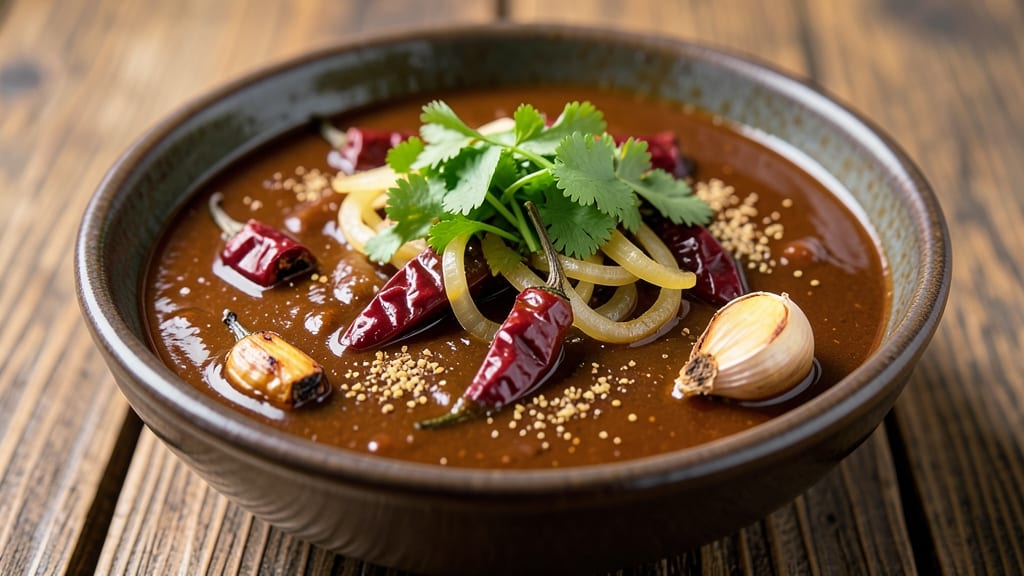
This authentic chipotle sauce recipe delivers restaurant-quality depth with smoky adobo peppers and bright cilantro zing—perfect for tacos, grilled meats, or dipping. The secret lies in simmering chipotle peppers in vinegar until their smoky essence infuses completely, then blending with garlic, onions, and a touch of honey for balance.
What sets this apart is the hidden cilantro, which adds freshness without overpowering the smoky base.
Unlike store-bought versions, this sauce builds flavor through slow cooking—20 minutes of simmering transforms raw ingredients into a velvety, complex condiment. The blend of apple cider vinegar and adobo sauce creates the perfect tangy backbone, while cumin and cloves add warmth.
I’ve tested this recipe countless times, and it never fails to elevate any dish it touches.
What you’ll end up with is a smooth, versatile sauce with smoky depth and subtle heat, ready to transform grilled chicken, black beans, or even roasted vegetables. The best part?
It keeps beautifully in the fridge for up to 2 weeks, so you can make a big batch and use it all week. No artificial colors or preservatives—just pure, authentic flavor.
Whether you’re serving tacos, drizzling over nachos, or using it as a marinade, this sauce delivers restaurant-quality results every time. The key is patience—letting the flavors meld during simmering and blending ensures a silky texture with no graininess. Let’s get started!
Ingredients for authentic chipotle sauce
Nine bold ingredients transform into restaurant-quality chipotle sauce with smoky depth and cilantro brightness.
| Ingredient | Amount | Notes |
|---|---|---|
| Dried Chipotle Peppers in Adobe Sauce 🌶️ | 4 whole | Smoked, canned in adobo sauce |
| Apple Cider Vinegar 🍏 | 1 cup | Raw, unfiltered preferred |
| Fresh Cilantro Leaves 🌿 | ¾ cup | Stems removed, tightly packed |
| Yellow Onion 🧅 | ½ whole | Medium, roughly chopped |
| Garlic Cloves 🧄 | 4 cloves | Peeled, roughly chopped |
| Ground Cumin 🌿 | 1 tsp | Freshly toasted for depth |
| Ground Cloves 🌶️ | ¼ tsp | Whole cloves ground fresh |
| Honey 🍯 | 1 tbsp | Raw, unprocessed preferred |
| Extra-Virgin Olive Oil 🫒 | ¼ cup | High-quality, fruity |
| Salt 🧂 | 1 tsp | Diamond Crystal preferred |
The chipotle peppers are the heart of this sauce—look for cans labeled 'chipotle in adobo' at Mexican markets or the Latin foods aisle. Penzeys Spices carries excellent dried versions if you prefer to toast them yourself. Fresh cilantro is non-negotiable here; the bright, citrusy notes cut through the smokiness beautifully. For the onion, yellow or white works best—avoid red as it can bleed color. Toast your cumin seeds in a dry pan for 30 seconds before grinding to unlock deeper flavor. The honey should be raw and unprocessed—it adds a subtle floral note that balances the smokiness perfectly.
No fresh cilantro? Dried cilantro at half the amount works in a pinch, though it won’t have the same brightness. Running out of apple cider vinegar? White vinegar or lime juice adds tang, but apple cider’s depth is ideal. For the cloves, whole spices from a bulk bin taste better than pre-ground. The olive oil matters here—use something with fruity, peppery notes (like California Early Harvest) to complement the smokiness. If you can’t find adobo peppers, smoked paprika plus a pinch of liquid smoke creates a decent substitute, though it won’t be identical.
This sauce tastes even better the next day as flavors meld—make a double batch if you’ll use it within a week. Store in a clean glass jar in the fridge for up to 2 weeks, or freeze for 6 months in ice cube trays for single-serving portions. The sauce thickens as it cools, so add a splash of water or vinegar when reheating if it becomes too stiff. Trust me on the extra 20 minutes of simmering—it’s what transforms good sauce into restaurant-quality magic.
Why You'll Love This Recipe
- No Chopping Chaos: I swear by this recipe because the onion and garlic just blend into submission—no tears, no fuss, and no tiny bits floating in your sauce. Honestly, I’ve burned onions before trying to dice them while multitasking, so this is my peace of mind.
- Smoky Depth Magic: That adobo sauce soaking into the chipotles? It’s where the real magic happens—rich, smoky, with just a hint of tang from the apple cider vinegar. The cilantro brightens it up like a fresh breeze after a spicy meal.
- Taco Night Every Night: Between us, this sauce turns anything into a showstopper—drizzled over grilled chicken, mixed into beans, or even slathered on avocado toast. I’ve used it for breakfast tacos (yes, really) and it still gets rave reviews.
- Lasts a Week: I make a big batch on Sundays, and it’s still bold and flavorful by Friday. Freezes like a dream, too—just thaw what you need. My wallet thanks me for not buying store-bought every week.
Step-by-step instructions for authentic chipotle sauce
Unlock the smoky complexity of traditional Mexican cooking with this precise method.
Toast the Spices for Maximum Depth
In a dry skillet over medium-low heat, toast the ground cumin and ground cloves together for 1-2 minutes until fragrant and slightly darkened. You'll smell that warm, earthy aroma—this is where the sauce gets its authentic soul. Be careful not to burn them; just warm them enough to release their essential oils.
Transfer the toasted spices immediately to a small bowl and set aside. The reason we toast them first is simple: raw spices can taste bitter and harsh in the finished sauce. This gentle toasting mellows their flavors while concentrating their aroma. I like to work quickly here—once you start smelling that deep, toasty scent, it's time to move to the next step.
Build the Flavor Base with Onion and Garlic
In the same skillet (no need to clean it—the toasted spices left behind will add flavor), add 0.25 cup extra-virgin olive oil over medium heat. When the oil shimmers, add the roughly chopped yellow onion and cook for 5-6 minutes until softened and translucent. This is where the sauce builds its foundational sweetness—don't rush this step.
Add the peeled garlic cloves and cook for another 30 seconds until fragrant. You'll know it's ready when the kitchen fills with that unmistakable garlic aroma. Here's a pro tip: if the garlic starts to color too quickly, reduce the heat slightly to prevent burning. The goal is to develop flavor, not color.
Blend the Smoky Chipotle Foundation
Transfer the onion-garlic mixture to a blender along with the 4 whole dried chipotle peppers in adobe sauce, 1 cup apple cider vinegar, and 1 tbsp honey. Blend until completely smooth, scraping down the sides as needed. The sauce should be vibrant red with a thick, syrupy consistency—this is the heart of your authentic chipotle flavor.
Here's where the magic happens: the adobo sauce from the canned chipotles contains tomatoes, garlic, and vinegar that work together with our fresh ingredients. The blend should have a deep, smoky aroma with a hint of sweetness from the honey. If it's too thick, add 1-2 tablespoons of water to reach a pourable consistency.
Incorporate the Cilantro and Balance Flavors
Return the blended mixture to the skillet and bring to a gentle simmer over medium-low heat. Stir in the 0.75 cup fresh cilantro leaves and the toasted spices. Simmer for 5-7 minutes, stirring occasionally, until the flavors meld together. You'll notice the sauce darkening slightly as the cilantro infuses its bright, citrusy notes.
Taste and adjust the seasoning with the 1 tsp salt, adding more if needed. The sauce should balance smoky heat with bright acidity and a touch of sweetness. I like to let it cool slightly at this point—this allows the flavors to develop even more as they settle. The cilantro is crucial here; it cuts through the richness of the chipotles and adds that fresh, herbaceous zing that makes this sauce truly authentic.
Strain and Store for Maximum Freshness
Once cooled, strain the sauce through a fine-mesh sieve into a clean bowl or jar, pressing gently on the solids to extract all the flavor. This step removes any fibrous texture while keeping all the vibrant color and complex flavors. The finished sauce should be smooth, glossy, and deep red with just a hint of green from the cilantro.
Store in an airtight container in the refrigerator for up to 2 weeks or freeze for up to 3 months. The flavors actually improve over time as they meld together. This sauce is incredibly versatile—use it as a marinade, dipping sauce, or finishing touch for tacos, grilled meats, or even drizzled over avocado toast. The authentic combination of smoky chipotle, bright cilantro, and balanced sweetness makes this sauce a game-changer in any kitchen.
Pro Tips For Making Authentic Chipotle Sauce
- STRAIN THE ADOBE FIRST: Dried chipotles in adobe sauce are packed with sediment that turns your sauce gritty. Pour the peppers into a fine-mesh strainer over a bowl, let the liquid drain for 5 minutes, then discard the sludge—your sauce will be smoother and brighter.
- CHAR THE ONION LOW: Sautéing onion for chipotle sauce isn’t about color—it’s about flavor depth. Cook it on medium-low for 12-15 minutes until it’s translucent but not browned. I used to rush this and ended up with a bitter, ashy taste every time.
- BLEND IN STAGES: Dumping all ingredients into the blender at once creates a thick, clumpy mess. Pulse the onion and garlic first, then add the strained adobe and vinegar in small batches. Only after it’s smooth should you add cilantro—it’s the most fragile ingredient.
- SALT THE VINEGAR: Apple cider vinegar has almost no salt, and your sauce will taste flat without it. Add ½ teaspoon of kosher salt directly to the vinegar before blending—it balances the acid and rounds out the heat. Trust me, your taste buds will notice.
Flavor customization for authentic chipotle sauce
Smoky Heat Levels
Adjust the heat intensity by controlling the number of chipotle peppers. For mild heat, use 2-3 peppers—just enough smoky flavor without spice. For medium heat, stick to the 4 peppers in the recipe.
If you crave fiery kick, add 1-2 extra peppers or a pinch of cayenne pepper. I like to toast extra peppers separately for future use—they keep their heat for months in an airtight container. 🌶️
Sweet-Tangy Balance
The honey and apple cider vinegar create the perfect balance, but you can tweak them to suit your taste. For more sweetness, add ½ tsp vanilla extract or 1 tsp maple syrup. Need extra tang?
Swap in lime juice for the vinegar or add ½ tsp smoked paprika for depth. I once made a batch with brown sugar instead of honey—it added a caramelized note that worked surprisingly well. 🍯
Herb Variations
While cilantro is traditional, experiment with other herbs for different flavor profiles. Swap in fresh oregano for a Mediterranean twist or cilantro and mint for a Middle Eastern-inspired sauce. For a brighter finish, add 1 tbsp chopped jalapeño (seeds removed) or ½ tsp ground coriander.
I love using fresh basil in summer—it adds a sweet, aromatic contrast to the smokiness. 🌿
Texture Adjustments
For a smoother sauce, strain through a fine-mesh sieve after blending. Prefer some texture? Skip the straining or blend in 1-2 tbsp of the adobo sauce liquid from the can for a chunkier consistency. Need it thicker? Simmer uncovered for 5-10 extra minutes to reduce.
If it's too thick after refrigeration, thin with 1 tsp water or vinegar. I once made a version with blended avocado for a creamy dip—it was a hit at my BBQ parties! 🥑
Regional Twists
In Oaxaca, Mexico, they often add guajillo chiles and orange juice for a fruity depth. For a Texas-style version, mix in 1 tsp chili powder and ½ tsp black pepper. In California, many chefs blend in roasted garlic and white wine vinegar for a lighter profile.
I once traveled to Mexico City and tried a version with pomegranate molasses—it added a tangy-sweet complexity that was unforgettable. 🗺️
Sweet Additions
For a dessert-friendly version, reduce the heat by using 1-2 peppers and add 2 tbsp molasses or 1 tbsp date syrup. Drizzle over grilled peaches or vanilla ice cream for a surprising sweet-spicy combo.
I once made a batch with chocolate and cinnamon—it was perfect for dipping strawberries. For savory dishes, try adding 1 tsp cinnamon or ½ tsp allspice to enhance the warm spices. 🍫
Nutrition facts
Frequently asked questions
Can I substitute dried chipotle peppers for canned ones?
Yes, but you'll need to prepare them first! Toast 2-3 dried chipotle peppers in a dry skillet for 1-2 minutes until fragrant, then soak them in 1 cup hot water for 15 minutes to rehydrate. Drain and use the peppers plus their soaking liquid (strain out any debris) to replace the canned peppers and adobo sauce. The flavor will be more intense, so start with fewer peppers if you prefer mild heat.
How do I adjust the heat level for sensitive eaters?
For a milder sauce, reduce the chipotle peppers to 2-3 total and remove the seeds before blending. You can also add 1 extra tbsp honey or maple syrup to balance the heat. If you want to eliminate heat completely, substitute the chipotles with 1 tsp smoked paprika and ½ tsp liquid smoke, though the smoky flavor will be less authentic. Always taste as you go!
Can I make this sauce without a blender?
If you don't have a blender, finely chop the chipotle peppers (remove seeds for less heat) and mix them with the adobo sauce, vinegar, and honey in a bowl. Stir in the toasted spices and simmer for 10-15 extra minutes to fully incorporate the flavors. The texture will be slightly chunkier but still delicious. For a smoother result, press the mixture through a fine-mesh sieve after simmering.
What's the best way to use leftover sauce?
This versatile sauce works perfectly as a marinade for grilled chicken or shrimp (30-60 minutes), a dipping sauce for tostadas or fries, or a finishing drizzle over tacos, enchiladas, or roasted vegetables. For extra richness, mix 1 tbsp of the sauce with 2 tbsp sour cream to create a creamy chipotle dip. The sauce also makes an excellent base for homemade salsa verde—just blend with chopped tomatillos and lime juice.
Why did my sauce turn out too thick or too thin?
Thick sauce? Simmer it uncovered for 5-10 extra minutes to reduce. Too thin? Stir in 1 tsp cornstarch mixed with 1 tbsp water and simmer for 2-3 minutes until thickened. For prevention, measure your vinegar carefully—too much makes it runny, while too little can make it gluey. The sauce will naturally thicken as it cools, so adjust before storing. Always taste as you go!