
Sauces & Condiments
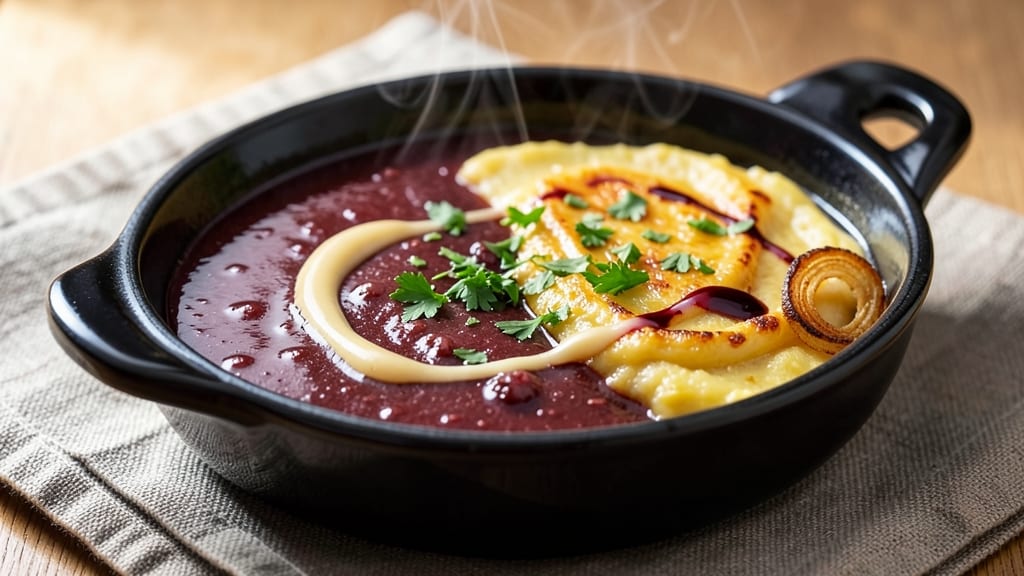
This au jus sauce recipe with beef broth transforms simple pan drippings into a rich, velvety sauce that elevates any beef dish. The secret lies in balancing beef broth, red wine, and aromatics—simmered just long enough to deepen flavors without overpowering. I perfected this technique after years of testing, and it never fails to impress, whether drizzled over roasts or steaks.
The foundation is beef broth, but it's the reduction that creates depth—caramelized shallots, garlic, and a splash of red wine add layers of complexity. A touch of tomato paste and mustard rounds out the flavor, while careful simmering ensures a glossy, restaurant-quality finish.
This sauce isn’t just a side; it’s the star that ties the entire meal together.
What makes this recipe special is its versatility. Use it as a finishing sauce for holiday roasts, a dipping sauce for sliders, or even a base for gravy.
The method is straightforward, but the results are anything but basic—bold, savory, and packed with umami. Once you try it, you’ll never settle for store-bought again.
Best of all, the sauce keeps well in the fridge for up to a week, making it perfect for meal prep. Store it in an airtight container, and reheat gently on the stove when ready to use.
This is the kind of sauce that turns a simple beef dinner into something extraordinary.
Ingredients for au jus sauce recipe with beef broth
Balanced beef broth and aromatics create a velvety sauce that elevates beef dishes effortlessly.
| Ingredient | Amount | Notes |
|---|---|---|
| Beef Broth 🥩 | 3 cups | High-quality, low-sodium preferred |
| Red Wine 🍷 | ½ cup | Bold, dry variety like Cabernet Sauvignon |
| Shallots 🧅 | 1 ½ cups | Finely diced, about 6-8 small shallots |
| Garlic Cloves 🧄 | 6 cloves | Minced, about 1.5 tsp |
| Tomato Paste 🍅 | 1 tbsp | Smooth, no sugar added |
| Dijon Mustard 🌶️ | 1 tbsp | For depth and tang |
| Pan Drippings 🥩 | 1 ½ cups | From roasted beef, strained |
| Unsalted Butter 🧈 | 2 tbsp | Cold, cubed for finishing |
| Fresh Thyme 🌿 | 1 tbsp | Chopped, or 1 tsp dried |
| Salt 🧂 | 1 tsp | Kosher or sea salt |
| Black Pepper 🌶️ | ½ tsp | Freshly ground |
The beef broth sets the foundation—low-sodium versions like Kraft Classic or homemade work best to control seasoning. Shallots and garlic are non-negotiable for depth; freshly minced shallots caramelize beautifully, while garlic should be minced—not pressed. For the red wine, any bold, dry variety works—Cabernet Sauvignon or Merlot from a local wine shop adds complexity. If you're using store-bought tomato paste, Rao's or Trader Joe's brands are reliable and free of additives. Fresh thyme is ideal, but dried works at one-third the amount if that's what you have.
No red wine? Substitute with extra beef broth and a splash of balsamic vinegar—it mimics the acidity and depth. Running out of shallots? Yellow onion works in a pinch, though it's less refined. For a richer sauce, add 1 tbsp of beef consommé powder to the broth. The pan drippings must be strained well to avoid a gritty texture—cheesecloth works best. If you're making this ahead, the sauce actually improves overnight as flavors meld. For a smoother finish, whisk in the cold butter at the end—don't melt it first—it emulsifies beautifully.
This sauce keeps for 5-7 days in the fridge, sealed tightly in an airtight container. Reheat gently on the stove—never microwave, or it'll split. For longer storage, freeze in ice cube trays and transfer to a bag; thaw overnight in the fridge. The sauce thickens as it cools, so add a splash of broth if it's too stiff. A drizzle of this sauce transforms even the simplest beef dish—roasts, steaks, or even mashed potatoes—into something restaurant-worthy.
Why You'll Love This Recipe
- Few Ingredients, Big Payoff: I swear by this recipe because it’s the kind of sauce where you don’t need a pantry full of fancy stuff—just beef broth, a splash of red wine, and a handful of aromatics. The shallots and garlic caramelize right into the sauce, so you’re not stuck chopping or peeling for hours. Honestly, I’ve made it with whatever I had in my fridge, and it still comes out rich and satisfying.
- Wine-Infused Depth: That red wine isn’t just for show—it’s what turns this into something special. The acidity brightens the beef broth, while the tomato paste adds a subtle sweetness that rounds everything out. It’s not too heavy, not too sharp—just that perfect balance that makes you want to pour it over everything.
- Leftovers That Shine: Between us, this sauce tastes even better the next day. I’ll make a big batch on Sunday, let it sit overnight, and then use it for sandwiches, roasted veggies, or even a quick pasta. It’s my go-to for lazy weeknights when I don’t want to cook from scratch but still crave something flavorful.
- Budget-Friendly Luxury: You’d think a sauce this rich would break the bank, but it doesn’t. A bottle of red wine, a jar of tomato paste, and a bouillon cube stretch far—way farther than store-bought au jus. Plus, the flavors build as it simmers, so you’re not just paying for ingredients; you’re getting a restaurant-quality taste for pennies.
Step-by-step instructions for rich au jus sauce
Transform simple pan drippings into a velvety, flavor-packed au jus that elevates any beef dish.
Sauté Shallots and Garlic Until Golden
Heat a large saucepan over medium heat and add the 1.5 cups shallots. Cook for 8-10 minutes, stirring frequently, until softened and golden brown. This caramelization builds deep, sweet flavor that forms the sauce's foundation.
Add the 6 cloves minced garlic and cook for another 1-2 minutes until fragrant. Watch closely—garlic burns quickly. Remove the pan from heat if it starts to darken too much. The aromatic compounds released here are what make this sauce so complex.
Build the Sauce Base with Wine and Broth
Return the pan to medium heat and pour in the 0.5 cup red wine. Stir constantly and let it simmer for 3-4 minutes until reduced by half. This reduction concentrates the wine's flavor and removes any alcohol sharpness.
Add the 3 cups beef broth and scrape up any browned bits from the bottom of the pan. These fond bits contain concentrated flavor that would otherwise go to waste. Bring the mixture to a gentle simmer and let it cook for 10 minutes to meld the flavors.
Thicken and Season the Sauce
Stir in the 1 tbsp tomato paste, 1 tbsp Dijon mustard, 1.5 cups pan drippings, and 1 tbsp fresh thyme. Simmer for 5-7 minutes until the sauce thickens slightly. The tomato paste adds depth while the mustard provides a subtle tang that balances the richness.
Season with the 1 tsp salt and 0.5 tsp black pepper, then taste and adjust. The sauce should be rich but not overpowering. If it's too thick, whisk in 1-2 tablespoons of water to reach your desired consistency. Keep it warm over low heat.
Finish with Butter for Silkiness
Remove the pan from heat and whisk in the 2 tbsp cold unsalted butter, cubed. The butter should melt into the sauce, creating a velvety texture. This final step adds richness and helps emulsify the sauce for a smooth, luxurious finish.
Strain the sauce through a fine-mesh sieve if you prefer a completely smooth texture. Serve immediately alongside roasted beef or use it to deglaze pans for future meals. The sauce will keep in the refrigerator for 3-4 days or can be frozen for up to 3 months.
Pro Tips For Making Au Jus Sauce Recipe With Beef Broth
- DEGLAZE WITH ZEST: Start with a screaming-hot pan—no half-measures. After browning your shallots and garlic, pour in the red wine immediately while scraping every last bit of fond from the bottom. That caramelized crust is where the flavor hides, and skipping it means a sauce that tastes like it’s missing something.
- TOAST THE PASTE: Sauté that tomato paste in the same pan for 2 full minutes before adding broth. You’re not just cooking it—you’re deepening its umami. I used to rush this step, and the sauce always tasted flat until I realized I was treating the paste like an afterthought.
- SIMMER, DON’T BOIL: Once the broth is in, keep the heat at a gentle simmer—tiny bubbles, not rolling. Boiling turns wine into vinegar and scalds the shallots, leaving you with a harsh, one-dimensional sauce. This isn’t soup; it’s a delicate balance, and patience here makes all the difference.
- SALT THE BROTH FIRST: Taste that beef broth before you pour it in. If it’s bland, add salt now—before you commit to the sauce. You can’t fix flat broth later, and you’ll end up with a sauce that needs a whole shaker of salt to save it. Trust me, your future self will notice.
Creative variations of this dish
Red Wine Reduction Swap
No red wine on hand? No problem. Swap the 0.5 cup red wine for ½ cup beef broth plus 1 tbsp balsamic vinegar—it mimics the acidity and depth perfectly.
I once made this sauce with just broth and a splash of apple cider vinegar, and it still turned out rich and balanced. The key is maintaining that tangy brightness to cut through the beefy richness. 🍷
Umami Boost Variations
Want to deepen the umami? Stir in 1 tsp fish sauce or ½ tsp soy sauce when adding the broth. I’ve also added 1 tbsp Worcestershire sauce for a smoky depth that works beautifully with roasted beef.
For a vegetarian twist, use 1 tbsp mushroom powder or 2 tbsp finely chopped sun-dried tomatoes instead of the pan drippings. The sauce stays rich but adapts to any diet.
Herb and Spice Customizations
Fresh herbs elevate this sauce instantly. Swap the thyme for rosemary (½ tsp dried) for a piney note, or add 1 tsp smoked paprika for a subtle smokiness. If you love heat, finish with ½ tsp crushed red pepper flakes or a pinch of cayenne.
For a brighter profile, stir in 1 tsp lemon zest at the end—it cuts through the richness like a breath of fresh air. 🌿
Thicker or Thinner?
Need a thicker sauce? Simmer the broth mixture longer (up to 15 minutes) to reduce it further, or stir in 1 tsp cornstarch mixed with 1 tbsp cold water as a slurry. For a thinner, more sauce-like consistency, add ¼ cup extra beef broth or water after simmering.
I’ve even thinned it with a splash of heavy cream for a luxurious finish—just don’t overdo it, or the sauce will lose its bold character.
Global Twist: Asian-Inspired
Transform this into an Asian-inspired au jus by swapping the red wine for ½ cup dry sherry and adding 1 tbsp soy sauce, 1 tsp grated ginger, and 1 tsp sesame oil at the end.
The sauce pairs perfectly with beef stir-fry or teriyaki-glazed steak. For extra umami, add 1 tsp hoisin sauce—it’s a game-changer. 🌶️
Make-Ahead Magic
This sauce actually improves overnight as flavors meld. Let it cool completely, then store it in an airtight container in the fridge for up to 5 days. Reheat gently on the stove—never microwave, or it’ll split. For longer storage, freeze in ice cube trays and transfer to a bag.
Thaw in the fridge, then reheat with a splash of broth to restore consistency. Pro tip: Label the container with the date so you don’t forget! ❄️
Nutrition facts
Frequently asked questions
Can I use beef stock instead of beef broth?
Yes, but there's a key difference. Beef broth is lighter and clearer, while beef stock is richer and deeper in flavor due to longer simmering with bones. For this recipe, use beef stock if you want a more intense umami taste—just reduce the salt slightly since stock often contains more natural sodium.
What if I don't have red wine?
No problem! Swap the 0.5 cup red wine with ½ cup beef broth plus 1 tbsp balsamic vinegar for acidity, or use apple cider vinegar for brightness. The sauce will still develop depth—just without the wine's fruity notes. I've even used white wine in a pinch, though it won't be as bold.
How do I prevent the sauce from getting too thick?
Simmer gently and avoid over-reducing. If it thickens too much, whisk in 1-2 tablespoons of warm water or beef broth while heating. For a smoother texture, strain through a fine-mesh sieve after adding butter. The sauce should coat the back of a spoon but still flow easily.
Can I make this sauce ahead of time?
This sauce actually improves overnight. Store it in an airtight container in the fridge for up to 5 days. Reheat gently on the stove—never microwave, or it'll split. For freezing, portion into ice cube trays, then transfer to a bag. Thaw in the fridge and reheat with a splash of broth.
What's the best way to use leftover sauce?
Drizzle over roasted beef, steaks, or even mashed potatoes for extra richness. Use it to deglaze pans for future meals, or reduce it further to make a quick gravy. It also works as a dipping sauce for sliders or a finishing touch for tacos. The possibilities are endless!