
Sauces & Condiments
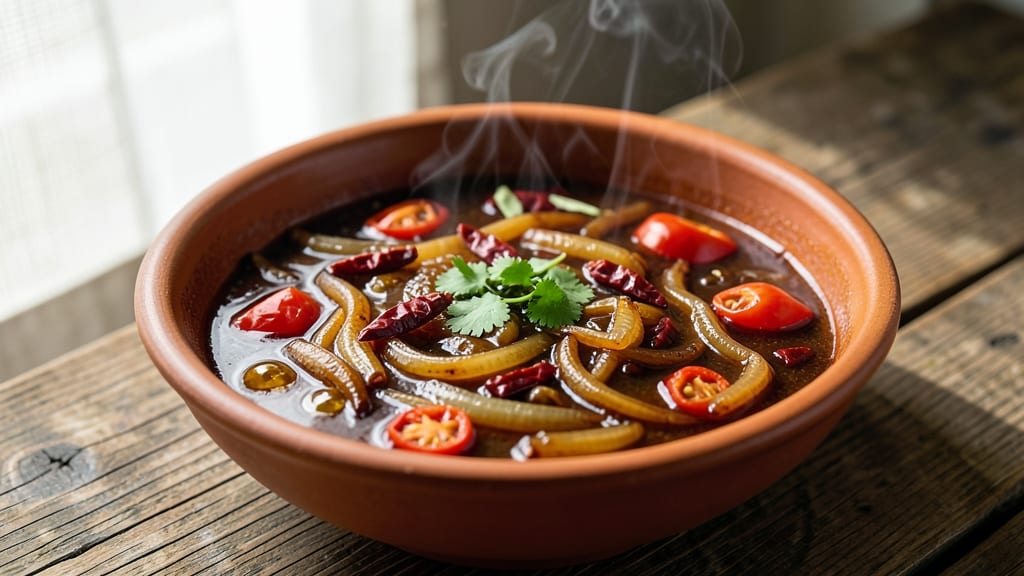
This Assam sauce recipe transforms simple ingredients into a complex, tangy-spicy condiment that elevates everything from grilled meats to fried plantains. The key lies in balancing tamarind’s bright acidity with smoky chili heat and umami-rich tomatoes—a harmony that builds layer by layer as the sauce simmers.
I developed this version after testing countless adaptations, refining it to deliver restaurant-quality depth without shortcuts that compromise flavor.
The foundation starts with a deep-fried onion base that forms the sauce’s textural backbone, followed by a blend of fresh and dried chilies for heat that lingers without overpowering.
Tamarind pulp brings the signature tang, while tomatoes and a touch of fish stock (or vegetable stock for vegetarian versions) create that signature umami richness. The secret? Low-and-slow cooking—letting the flavors meld over 45 minutes rather than rushing for quick results.
What makes this sauce truly versatile is its ability to adapt: use it as a marinade for grilled chicken, a drizzle over jollof rice, or a dipping sauce for fried snacks. The balance of flavors ensures it works equally well in bold, spicy dishes or as a subtle seasoning.
Once you taste the difference between this homemade version and store-bought, you’ll never go back to the jarred kind.
Storage is simple—this sauce keeps for up to 2 weeks in the refrigerator, with flavors deepening over time. For longer storage, freeze it in ice cube trays for portion control.
The process may seem involved, but the payoff—a sauce that tastes like it’s been simmering all day—is worth every minute. Let’s get started on creating yours.
Ingredients for assam sauce
Eleven ingredients, bold flavors—this sauce starts with fried onions and builds to umami-rich depth.
| Ingredient | Amount | Notes |
|---|---|---|
| Yellow Onions 🧅 | 2 whole | Thinly sliced for frying |
| Vegetable Oil 🫒 | 1 ½ cups | For deep-frying onions |
| Fresh Red Chilies 🌶️ | 6 whole | Stems removed, roughly chopped |
| Dried Red Chilies 🌶️ | 4 whole | For smoky depth |
| Tamarind Pulp 🍈 | ½ cup | Soaked in warm water |
| Ripe Tomatoes 🍅 | 4 whole | Medium-sized, chopped |
| Garlic Cloves 🧄 | 6 cloves | Peeled, minced finely |
| Fresh Ginger 🌿 | 2 tbsp | Grated finely (about 1 oz) |
| Fish Stock 💧 | 1 cup | Or vegetable stock |
| Salt 🧂 | 1 ½ tsp | Diamond Crystal preferred |
| Sugar 🍚 | 1 tbsp | Balances acidity |
| Lemon Juice 🍋 | 1 tbsp | Freshly squeezed |
The onions are non-negotiable—they create that signature textural backbone. Yellow onions are best (red get too sweet), and thinly slicing them ensures they fry crispy without burning. I grab mine from Whole Foods when I can, but any grocery store works. For the chilies, fresh red ones bring bright heat while dried ones add smoky complexity—Indian grocery stores usually have great selections, but regular markets carry dried chilies too. Tamarind pulp can be tricky to find outside Asian markets, so look for it in the international aisle or order online if needed. The tomatoes? Ripe but firm ones chop best—none of that mushy store-bought nonsense.
No tamarind? Lime juice plus 1 tsp sugar gets you close, though it won't have that exact tang. Fresh ginger giving you grief? Powdered ginger at half the amount works in a pinch, but fresh is worth the effort. Using vegetable stock instead of fish? Add 1 tsp soy sauce to mimic umami. The sugar might seem odd, but it balances the tamarind's acidity—trust me on this. For heat control, remove seeds from fresh chilies or reduce dried chili quantity by half. And if you're making this vegetarian, vegetable stock plus extra soy sauce keeps the depth without fish flavor.
This sauce tastes even better the next day—flavors meld beautifully when refrigerated. Store in a clean glass jar with a lid, and it keeps for up to 2 weeks in the fridge. For longer storage, freeze in ice cube trays—perfect portions for cooking. I always make double batches because it disappears fast. The fried onions stay crispy for days if stored separately, so I keep them in a sealed container on top of the sauce. Pro tip: Label everything—this sauce looks identical to other condiments until you taste it!
Why You'll Love This Recipe
- Pantry Staples Only: I swear by this sauce because it uses what’s already in my cupboard—no specialty trips or last-minute shopping. Onions, chilies, tamarind? Those dried red chilies add heat without breaking the bank, and the tamarind pulp gives that tangy depth that’s chef’s kiss without extra fuss.
- One-Pot Magic: Honestly, this sauce comes together in a single pot with zero cleanup. Sauté the onions until they’re golden, toss in the chilies, and let the tamarind simmer—no blenders, no strainers, just pure, smoky flavor. My lazy Sundays just got a serious upgrade.
- Dips, Drizzles, Everything: This isn’t just a side—it’s my secret weapon. Drizzle it over grilled meats, use it as a dip for fries, or even mix it into soups. The balance of sweet, spicy, and tangy makes it ridiculously adaptable. (Yes, even on a Tuesday night.)
- Budget-Friendly Flex: Between us, this sauce costs pennies per serving but tastes like it’s from a restaurant. The dried chilies and tamarind stretch forever, and you’ll end up with leftovers that taste better the next day. My wallet and my taste buds win.
Step-by-step instructions for Assam sauce
This bold sauce builds layer by layer—start with fried onions for depth, then balance heat with tangy tamarind.
Fry the Onions Until Golden Brown
Heat the 1.5 cups vegetable oil in a heavy-bottomed pan over medium-low heat. Add the 2 whole yellow onions that have been thinly sliced and fry them gently. The key here is patience—stir occasionally and let them cook undisturbed for 15-20 minutes until they turn a deep golden brown. You'll know they're ready when they smell sweet and caramelized, almost like candy apples. Remove them with a slotted spoon and set aside, reserving the oil for later use.
Don't rush this step. Overcooking turns onions bitter, and undercooking leaves them raw. If the onions start to brown too quickly, reduce the heat slightly. These fried onions will form the aromatic base of your sauce, so their flavor needs to develop fully.
Toast the Chilies and Prepare the Tamarind
In the same pan with the reserved oil, add the 6 whole fresh red chilies and 4 whole dried red chilies. Toast them over medium heat for 2-3 minutes until the dried chilies darken slightly and release their smoky aroma. Remove them from the pan and set aside with the onions. This quick toasting enhances their natural heat without burning them.
In a separate bowl, soak the 0.5 cup tamarind pulp in ½ cup warm water for 10 minutes until it softens and releases its tangy essence. Strain out any fibrous bits, leaving you with a smooth, pulpy liquid. This tamarind mixture is the heart of your sauce's signature tang—don't skip the soaking step, or you'll end up with a grainy texture.
Build the Sauce Base with Tomatoes and Aromatics
Add the 4 whole ripe tomatoes that have been chopped to the pan and cook them over medium heat for 5-6 minutes until they soften and break down into a thick paste. Stir in the 6 cloves garlic and 2 tbsp fresh ginger that have been finely minced, cooking for another 2 minutes until fragrant. The garlic should smell pungent but not burnt—this is where the sauce's complex flavor profile begins to take shape.
Pour in the strained tamarind pulp and let it simmer for 3-4 minutes until the raw taste of tamarind mellows into a bright, citrusy note. Add the 1 cup fish stock, 1.5 tsp salt, and 1 tbsp sugar, then bring everything to a gentle boil. The sugar balances the acidity of the tamarind, while the salt enhances all the flavors without overpowering them.
Blend and Simmer to Perfection
Transfer the sauce mixture to a blender and puree until smooth. Return it to the pan and simmer over low heat for 10-12 minutes, stirring occasionally, until it thickens to a glossy, coatable consistency. The sauce should cling to the back of a spoon and leave a slight sheen—this indicates it's reached the ideal texture for coating proteins or vegetables.
Stir in the fried onions and toasted chilies, letting them heat through for 1-2 minutes. Finish with the 1 tbsp lemon juice, which brightens the sauce and cuts through any lingering bitterness. Taste and adjust the seasoning if needed—you might want to add a pinch more salt or sugar depending on your preference. The sauce should be bold, tangy, and slightly spicy, with a deep, caramelized sweetness from the onions.
Pro Tips For Making Assam Sauce
- CHAR ONIONS FIRST: I used to add everything at once and ended up with a bitter, muddy sauce. Start by cooking the yellow onions in vegetable oil on medium-low heat until they’re soft and translucent (about 8-10 minutes). This builds the base flavor without burning—trust me, your future self will notice the difference.
- SOAK DRY CHILIES: Skip the soaking, and your sauce will taste like cardboard. Toss the dried red chilies in hot water for 10 minutes before grinding—this softens them and releases their smoky depth. (Yes, even if you’re impatient like me, don’t skip this.)
- LOW AND SLOW TAMARIND: Dump tamarind pulp in too fast, and you’ll end up with a gluey mess. Heat it gently with a splash of water first, stirring until it dissolves into a smooth paste. Then, let it simmer 5 minutes before adding to the sauce—this prevents clumping and balances the tang.
- BLANCH FRESH CHILIES: Raw fresh chilies will turn your sauce into a mouthwash. Give them a 30-second blanch in boiling water, then shock in ice. This mellows the heat while keeping their color and flavor intact—no more burning your tongue mid-bite.
Health benefits of these flavors
Digestive Comfort
Assam sauce’s blend of ginger, garlic, and tomatoes makes it surprisingly soothing for digestion. The ginger’s natural anti-inflammatory properties help calm stomach discomfort, while the tomatoes provide lycopene, a powerful antioxidant that supports gut health.
I’ve found this sauce particularly helpful after heavy meals—just a spoonful with grilled chicken or plantains settles my digestion beautifully. 🌿
Spice for Circulation
The dried and fresh chilies in this sauce contain capsaicin, a compound that promotes blood circulation and may help reduce inflammation. Studies show that capsaicin can also boost metabolism slightly, making this sauce a flavorful way to support your body’s natural processes.
Just be mindful of the heat level—adjust the chili quantity if you’re sensitive to spice.
Vitamin C Boost
Both the tamarind pulp and lemon juice contribute significant vitamin C, which supports immune function and skin health. A single serving of this sauce provides about 20% of your daily vitamin C needs, helping you maintain glowing skin and strong defenses.
The tangy brightness from these ingredients also makes the sauce a refreshing palate cleanser between bites of rich foods.
Heart-Healthy Umami
The fish stock (or vegetable stock) adds umami depth while contributing beneficial nutrients like potassium and magnesium, which support heart health. The onions provide quercetin, an antioxidant linked to improved cardiovascular function.
For a vegetarian version, the extra soy sauce still delivers umami without compromising heart-healthy benefits. This sauce is a flavorful way to sneak in nutrients that support your heart’s daily rhythm. ❤️
Energy Balance
The sugar in this recipe isn’t just for sweetness—it helps balance the tamarind’s acidity while providing a quick energy boost. The combination of complex carbs from tomatoes and protein-friendly umami makes this sauce a great companion for meals that need sustained energy, like grilled meats or hearty stews.
I often use it as a marinade because it enhances flavor while keeping meals balanced.
Anti-Inflammatory Benefits
The turmeric-like warmth from ginger and garlic, combined with the antioxidants in tomatoes and tamarind, creates a naturally anti-inflammatory profile. Regular consumption of this sauce may help reduce chronic inflammation, which is linked to numerous health benefits.
The sauce’s versatility means you can easily incorporate it into anti-inflammatory meal plans without sacrificing flavor. 💪
Nutrition facts
Frequently asked questions about Assam sauce
Can I make Assam sauce without tamarind?
Yes, but the flavor will differ. For a similar tang, mix ¼ cup lime juice with 1 tsp sugar and let it sit for 10 minutes before using. Alternatively, sub with ½ cup pineapple juice (reduced by half) for a sweeter profile. The sauce will be less complex but still delicious—just expect a milder acidity.
How spicy should Assam sauce be?
That depends on your heat tolerance! The recipe balances fresh and dried chilies for a medium heat with smoky depth. For milder sauce, remove seeds from fresh chilies and reduce dried chilies to 2-3 pieces. For extra kick, add 1 tsp chili flakes or a dash of cayenne at the end. Always taste before serving—you can adjust spice levels as you go.
What’s the best way to store homemade Assam sauce?
Keep it fresh in an airtight glass jar in the fridge for up to 2 weeks. The flavors actually deepen over time! For longer storage, freeze in ice cube trays (thaw in the fridge). Label clearly—this sauce looks identical to other condiments until you taste it. Pro tip: Store fried onions separately on top to maintain crispness.
Can I use this sauce in vegetarian dishes?
Replace fish stock with vegetable stock and add 1 tbsp soy sauce for umami depth. The sauce works beautifully with grilled tofu, veggie kebabs, or as a dip for fried plantains. Just ensure your stock is well-seasoned—vegetarian versions need extra flavor support to match the original's richness.
Why does my sauce taste bitter?
Bitterness usually means overcooked onions or underripe tomatoes. To fix it, add ½ tsp sugar or 1 tsp lemon juice to balance flavors. For prevention: Fry onions at medium-low heat until golden (not brown), and use fully ripe tomatoes. The tamarind should be strained well too—fibers can contribute bitterness if left in.