
Sauces & Condiments
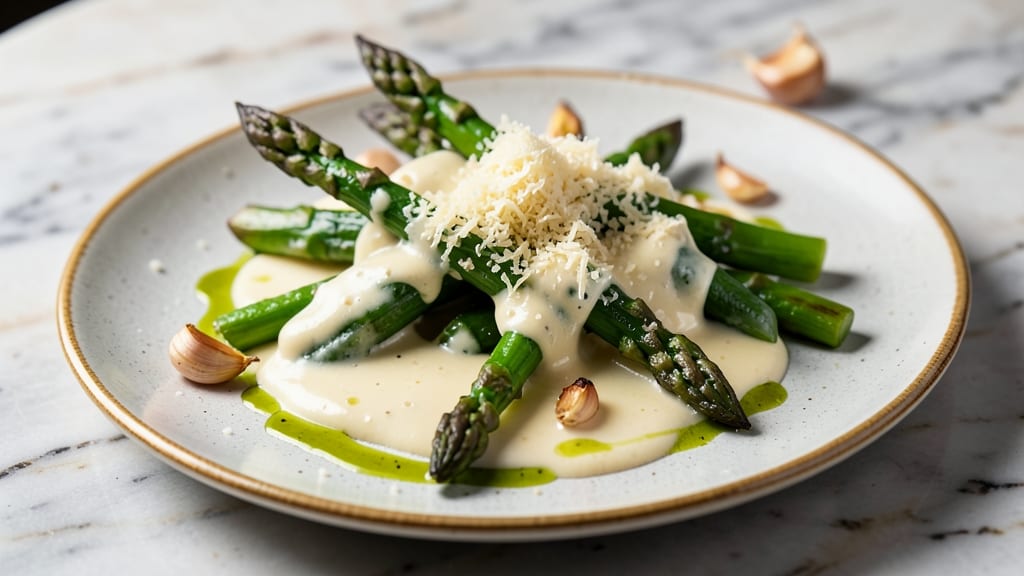
This asparagus alfredo sauce recipe transforms spring's brightest green into a creamy, velvety sauce that's rich enough for special occasions but simple enough for weeknights. The secret lies in blending tender asparagus into the classic alfredo base, creating a sauce that's both elegant and unexpectedly fresh.
I developed this after realizing how much asparagus's natural sweetness and earthy notes could elevate a traditional cream sauce.
The process begins with sautéing garlic in butter until fragrant—this step forms the aromatic foundation. Then comes the asparagus, quickly cooked until just tender before being blended into a smooth purée that infuses the sauce with subtle green flavor.
Heavy cream and grated Parmesan transform this into a luxurious alfredo that's surprisingly light for its richness.
What makes this sauce extraordinary is how it balances textures and flavors: the velvety smoothness of the cream contrasts beautifully with the asparagus's subtle earthiness, while the Parmesan adds depth.
The result is a sauce that's perfect for drizzling over pasta, tossing with grilled chicken, or even as a dip for crusty bread—each bite delivers that perfect harmony of creamy and green.
This sauce keeps beautifully in the refrigerator for up to 3 days, making it ideal for meal prep. When reheating, simply warm gently over low heat with a splash of milk or cream to restore its silky texture.
The flavor actually improves as it sits, allowing the asparagus notes to develop and mingle with the cheese.
Ingredients for asparagus alfredo sauce
Nine ingredients blend spring's freshest green with creamy luxury for a sauce that's elegant yet simple.
| Ingredient | Amount | Notes |
|---|---|---|
| Fresh Asparagus Spears 🌱 | 1 lb | Trimmed, tough ends removed |
| Unsalted Butter 🧈 | ½ cup | Cold, cut into small cubes |
| Garlic Cloves 🧄 | 4 cloves | Minced, peeled |
| Heavy Cream 🥛 | 1 ½ cups | Full-fat for richness |
| Parmesan Cheese 🧀 | 1 ½ cups | Freshly grated, block preferred |
| Extra-Virgin Olive Oil 🫒 | ¼ cup | For blending and richness |
| Whole Milk 🥛 | ¼ cup | For thinning if needed |
| Salt 🧂 | 1 tsp | Diamond Crystal preferred |
| Ground Black Pepper 🌶️ | ½ tsp | Freshly cracked |
| Lemon Juice 🍋 | 1 tbsp | Freshly squeezed |
The asparagus is the star—look for bright green, firm spears with tight tips at your local farmers market or grocery store's produce section. Whole Foods or Trader Joe's often carry the freshest spring varieties. Trim the woody ends by snapping them off naturally (they'll break at the tender spot). For Parmesan, skip the pre-grated kind—it's full of anti-caking agents that make the sauce grainy. Grab a wedge and grate it yourself. The butter should be cold when you start cooking to prevent immediate melting, and European-style butter like Plugra has higher fat content for richer flavor.
No fresh asparagus? Frozen asparagus works in a pinch—thaw and drain well before cooking. Short on heavy cream? Half-and-half or whole milk will work, though the sauce will be slightly lighter. Pre-grated Parmesan? Toast it in a dry pan for 2 minutes to burn off the anti-caking agents before using. Want more depth? Add 1 tsp of nutritional yeast for a cheesy boost without dairy. The olive oil isn't just for blending—use a high-quality extra-virgin like California Gold or Filippo Berio to add fruity notes that complement the asparagus's earthiness. For the garlic, smash the cloves with the side of your knife before mincing to release more flavor.
This sauce keeps beautifully in the fridge for up to 3 days when stored in an airtight container with a thin layer of olive oil on top to preserve freshness. For longer storage, freeze in ice cube trays—each cube makes a perfect single-serving portion. When reheating, warm gently over low heat and add a splash of milk or cream to restore its silky texture. The flavor actually improves as it sits, allowing the asparagus's natural sweetness to mingle with the Parmesan's umami notes. Double the recipe if you're prepping for the week—it's perfect over pasta, grilled chicken, or even as a luxurious dip for crusty bread.
Why You'll Love This Recipe
- No Chopping Chaos: I swear by this recipe because asparagus just needs a quick trim—no fancy dicing or julienning. The spears stay intact, roasted until tender-crisp, while the sauce simmers in the same pan. Honestly, my knife stays sheathed longer than it usually does.
- Creamy Garlic Magic: That moment when roasted asparagus meets garlic-infused butter and heavy cream? Pure satisfaction. The sauce clings to the spears like a hug, with Parmesan adding just enough sharpness to cut through the richness. (Yes, even on a Tuesday night.)
- Weeknight to Dinner Party: Same sauce, endless uses. Toss it over pasta for a quick weeknight meal, drizzle it on grilled chicken for a fancy-ish dinner, or serve it as a creamy dip with crusty bread. My college-aged kids request it for their friends—proof it works for casual and company alike.
- Leftovers That Don’t Suck: Between us, most Alfredo leftovers turn into a sad, watery mess. Not this one. The asparagus holds its texture, and the sauce thickens beautifully when reheated. I make double batches because it’s my go-to for lunches—just pop it in the fridge and grab it cold or warmed up. No regrets.
Step-by-step instructions for asparagus alfredo sauce
Here's how to blend vibrant asparagus into velvety alfredo perfection—every step ensures rich texture and bright flavor.
Blanch and Prep the Asparagus
Fill a medium pot with 2 inches of salted water and bring to a rolling boil. Add the 1 lb fresh asparagus spears (trimmed ends removed) and blanch for 2 minutes until bright green and crisp-tender. Drain immediately and plunge into ice water to stop cooking. This preserves their vibrant color and prevents overcooking.
Once cooled, drain again and transfer the asparagus to a cutting board. Using a sharp knife, cut into ½-inch pieces. The bright green color will infuse the sauce beautifully—don't skip this step. Set aside ¼ cup of the chopped asparagus for garnish later.
Sauté Garlic and Build the Sauce Base
In a large saucepan, melt the 0.5 cup unsalted butter over medium heat until foaming subsides. Add the 4 minced garlic cloves and sauté for 30 seconds until fragrant—don't let it brown or it'll turn bitter. Remove from heat immediately after cooking.
Reduce the heat to low and slowly whisk in the 1.5 cups heavy cream and 0.25 cup whole milk. The mixture should begin to simmer gently. Add the remaining ¾ cup chopped asparagus, 1 tsp salt, and 0.5 tsp ground black pepper. Let it simmer for 5 minutes to meld flavors.
Blend Until Silky Smooth
Transfer the sauce mixture to a blender or food processor. Add the 1.5 cups freshly grated parmesan cheese and 0.25 cup extra-virgin olive oil. Blend on high until completely smooth, scraping down the sides as needed. The sauce should be velvety with no visible asparagus pieces—this ensures a refined texture.
If the sauce is too thick, thin it with additional whole milk 1 tablespoon at a time until it reaches a pourable consistency. Taste and adjust seasoning—add more salt if needed, or a splash of lemon juice for brightness. Return the sauce to the saucepan and keep warm over low heat.
Finish and Serve
Strain the sauce through a fine-mesh sieve into a clean saucepan to remove any remaining asparagus fibers, if necessary. Return to low heat and stir in the reserved ¼ cup chopped asparagus for a subtle pop of color and texture. The sauce should coat the back of a spoon smoothly.
Serve immediately over pasta or with grilled chicken. Garnish with additional freshly grated parmesan cheese and a sprinkle of ground black pepper. The sauce should be rich, creamy, and just slightly tangy from the asparagus and lemon. Enjoy while warm for the best texture!
Pro Tips For Making Asparagus Alfredo Sauce
- Blanch Asparagus First: Blanch the asparagus for 90 seconds in boiling salted water—this softens the tough fibers without overcooking them. Drain and shock in ice water immediately, then pat very dry before adding to the sauce (wet spears make the sauce watery).
- Sauté Garlic Low and Slow: After melting the butter, reduce heat to medium-low when adding garlic—burnt garlic ruins the whole dish. Stir constantly and pull it off just as it turns golden, not brown (I’ve learned this the hard way).
- Strain the Sauce: Use a fine-mesh sieve to strain the sauce after simmering with cream and cheese—this removes any gritty bits from the Parmesan and keeps it silky. Skip this, and you’ll get a mouthful of texture you didn’t ask for.
- Finish with Cold Cream: Let the heavy cream cool slightly before stirring it into the butter-garlic mixture—this prevents scrambling. If it’s straight from the fridge, warm it in a separate bowl first, or you’ll end up with lumpy Alfredo.
Best sauces and condiments for these flavors
Creamy Alfredo Classics
Pair this asparagus alfredo with fettuccine or tagliatelle for a classic match—the wide noodles catch the sauce beautifully. I love tossing it with grilled chicken breast for added protein, or serving it over roasted potatoes for a heartier dish.
For a vegetarian option, try it with mushroom risotto—the earthy flavors complement the asparagus perfectly. 🍝
Lighter Variations
Reduce the cream by ½ cup and replace it with ½ cup whole milk for a lighter version that still maintains richness. Add 1 tbsp nutritional yeast for a cheesy depth without dairy.
For a vegan twist, swap butter for olive oil, use cashew cream instead of heavy cream, and opt for nutritional yeast instead of Parmesan. The sauce will be lighter but still packed with flavor.
Protein Pairings
This sauce elevates seared scallops—the creamy texture contrasts beautifully with their sweetness. Try it with pan-seared shrimp for a quick weeknight dinner. For a meaty option, pair it with grilled steak or baked salmon.
The asparagus notes in the sauce complement the richness of these proteins wonderfully, creating a balanced dish.
Bread and Dips
Use this sauce as a luxurious dip for crusty baguette slices or garlic bread. Toast the bread until golden, then drizzle with warm sauce and a sprinkle of freshly cracked black pepper.
For an appetizer, serve it with warm pita chips or endive leaves for dipping. The sauce's creamy texture makes it perfect for sharing.
Vegetable Boosts
Add sautéed spinach or wilted kale to the sauce for extra nutrients and color. Stir in roasted cherry tomatoes for a sweet-tangy contrast. For a pop of freshness, fold in thinly sliced radishes or quick-pickled onions. These additions keep the sauce vibrant while adding texture. 🌱
Storage and Reheating
Store leftovers in an airtight container in the fridge for up to 3 days. To reheat, warm over low heat with a splash of milk or cream to restore its silky texture.
Freeze in ice cube trays for single-serving portions—thaw in the fridge overnight. The sauce reheats beautifully, making it perfect for meal prep.
Nutrition facts
Frequently asked questions
Can I make this asparagus alfredo sauce without a blender?
Yes! For a chunkier texture, simply mash the cooked asparagus with a fork or potato masher until smooth. Then whisk it vigorously with the warm cream and melted butter. The sauce will have visible asparagus bits, but it'll still be delicious—just less refined. This method works well if you're short on time or equipment.
Why does my asparagus alfredo sauce look grainy?
Graininess usually comes from two things: not blending long enough or using pre-grated Parmesan. First, pulse the sauce in your blender until completely smooth. Second, always grate your own cheese—pre-grated contains anti-caking agents that create texture issues. If needed, strain the sauce through a fine-mesh sieve for extra silkiness.
How can I make this sauce spicier?
For heat lovers, add ½ tsp red pepper flakes when sautéing the garlic, or stir in 1 tbsp hot sauce at the end. For smoky depth, mix in ½ tsp smoked paprika** with the Parmesan before blending. Start with small amounts—you can always add more, but you can't remove the heat once it's in!
What's the best pasta shape for this sauce?
Wide, flat noodles work best! Fettuccine or tagliatelle are classic choices—their generous surface area catches the sauce beautifully. For extra texture, try pappardelle or fresh egg noodles. Avoid thin noodles like spaghetti—they'll turn mushy when tossed with this rich sauce.
Can I make this sauce ahead of time?
Make it 1 day ahead for even better flavor—the asparagus notes develop deeper. Store in an airtight container in the fridge, then reheat gently with a splash of milk or cream. For longer storage, freeze in ice cube trays—thaw in the fridge overnight. The sauce reheats beautifully, making it perfect for meal prep!