
Sauces & Condiments
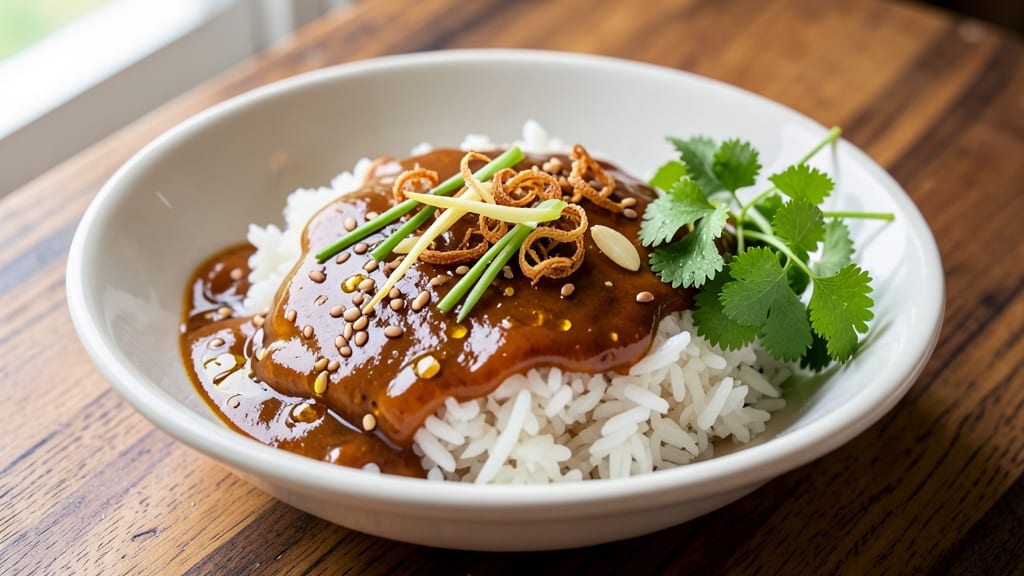
This Asian sesame sauce recipe transforms simple pantry staples into a nutty, aromatic condiment that elevates everything from stir-fries to grilled meats.
The secret lies in balancing toasted sesame oil, soy sauce, and a touch of sweetness—creating a sauce so versatile it works as a marinade, dipping sauce, or finishing drizzle.
I developed this version after testing countless recipes, refining it to deliver that perfect harmony of savory, nutty, and slightly sweet flavors in every spoonful.
The foundation of great sesame sauce starts with toasted sesame seeds—their crunchy texture and deep aroma set it apart from store-bought versions. We’ll combine them with garlic, ginger, and a splash of rice vinegar for brightness, then emulsify everything with a neutral oil.
The result? A sauce that’s rich yet light, clinging beautifully to noodles, tofu, or seared proteins without overpowering them. No special equipment needed—just a blender and patience for the flavors to meld.
What makes this sauce truly special is its duality: use it as a bold marinade for chicken or shrimp, or drizzle it lightly over finished dishes for a fragrant, crunchy finish. The toasted sesame seeds add texture that store-bought versions can’t match, while the ginger-garlic base ensures depth.
Best of all, it keeps for up to 2 weeks in the fridge, so you can make a big batch and use it all week—no waste, all flavor.
Once you try homemade, you’ll never go back to bottled. The process is straightforward, but the payoff is restaurant-quality results that taste like they took hours to perfect. Let’s get started—your next meal is about to get a serious upgrade.
Ingredients for asian sesame sauce
Nine essential ingredients transform into restaurant-quality sesame sauce with nutty crunch and perfect balance.
| Ingredient | Amount | Notes |
|---|---|---|
| Toasted Sesame Seeds 🌰 | ½ cup | Freshly toasted for maximum aroma |
| Toasted Sesame Oil 🫒 | ¼ cup | High-quality, nutty flavor |
| Light Soy Sauce 🥢 | ⅓ cup | Kikkoman preferred for balance |
| Rice Vinegar 🍶 | ¼ cup | Seasoned preferred for depth |
| Fresh Garlic Cloves 🧄 | 4 cloves | Minced for aromatic base |
| Fresh Ginger 🌿 | 1 ½ tbsp | Grated, not powdered |
| Neutral Oil 🫒 | ¼ cup | Avocado or light olive oil |
| Honey 🍯 | 2 tbsp | Or agave for vegan option |
| Sesame Paste 🌰 | 2 tbsp | Store-bought or homemade |
| Salt 🧂 | ½ tsp | Diamond Crystal preferred |
The sesame seeds are non-negotiable—toast them yourself in a dry pan until golden and fragrant. Whole Foods bulk section has the best quality, but any grocery store will work. Sesame oil should be 100% pure, toasted sesame oil—none of that cheap, flavorless stuff. For the soy sauce, Kikkoman light soy sauce is my go-to, but any good-quality brand works. Fresh garlic and ginger are a must; powdered versions just can't match the depth. If you're short on time, pre-minced garlic from the jar works in a pinch, but fresh is always better.
No sesame seeds? White sesame seeds at half the amount will work, though the flavor will be subtly different. Running out of rice vinegar? Apple cider vinegar gives a similar tang, but use half the amount since it's more acidic. The honey can be swapped for agave nectar or maple syrup—just reduce to 1.5 tbsp to account for sweetness variations. For a smoother texture, blend the sesame paste longer, but leave some texture for that authentic crunch. The neutral oil is key—avocado oil stays neutral, while olive oil can add a slight bitterness.
This sauce keeps beautifully—up to 2 weeks in the fridge when stored in an airtight container. For longer storage, freeze in ice cube trays and transfer to a bag. The texture thickens when chilled, so give it a quick whisk before using. I always make a double batch—one for immediate use, one to freeze. The flavor actually improves over time as the ingredients meld. Perfect for drizzling over noodles, searing proteins, or even mixing into dressings.
Why You'll Love This Recipe
- Five-Ingredient Magic: I swear by this sauce—just toasted sesame seeds, a splash of oil, garlic, soy, and vinegar. That’s it. No fancy pantry trips, no waiting for exotic ingredients to arrive. Honestly, I keep the jar in my fridge and toss it on anything that needs a quick flavor boost.
- Nutty-Garlicky Perfection: Between us, that toasted sesame oil and minced garlic combo is chef’s kiss. The oil adds this deep, toasty richness while the garlic cuts through with bright, punchy heat. It’s the kind of flavor that makes you pause mid-bite—like a little umami hug for your taste buds.
- Dinner Party Workhorse: This sauce is my go-to for last-minute gatherings. Drizzle it over grilled chicken, toss with noodles, or serve as a dip for veggies. It’s fancy enough for company but unfussy enough that I’m not stressing over presentation. (Yes, even on a Tuesday night.)
- Budget-Friendly Staple: Light soy sauce, rice vinegar, and garlic? All under $5 at my grocery store. That jar of sesame oil lasts forever, and I stretch it across meals for weeks. It’s the kind of recipe that makes me feel like I’m feeding a crowd without breaking the bank—or my willpower to resist seconds.
Step-by-step instructions for Asian sesame sauce
This nutty, aromatic sauce comes together in minutes with bold flavors that elevate everything from noodles to grilled meats.
Bloom the Aromatics in Neutral Oil
Heat the 0.25 cup neutral oil in a small saucepan over medium-low heat. Add the 4 cloves minced fresh garlic cloves and 1.5 tablespoons grated fresh ginger, stirring constantly for 1-2 minutes until fragrant but not browned. The ginger should soften slightly while releasing its bright, citrusy aroma—this is your flavor foundation.
Watch the heat carefully here. If it gets too hot, the garlic will burn and turn bitter. You'll know it's ready when the mixture smells like a bustling Asian street market. Remove from heat immediately after blooming to preserve those delicate flavors.
Combine Wet Ingredients
Return the pan to medium heat and add the 0.33 cup light soy sauce, 0.25 cup rice vinegar, and 2 tablespoons honey. Stir constantly for 3-4 minutes until the mixture simmers gently and reduces by about 25%. You're looking for a syrupy consistency that coats the back of a spoon.
This reduction step concentrates the flavors and balances the sauce's sweet, salty, and tangy elements. Taste as you go—if it needs more depth, add a splash of water or vinegar. The sauce should be glossy and cohesive, with no visible separation between ingredients.
Incorporate the Sesame Base
Reduce heat to low and whisk in the 2 tablespoons sesame paste and 0.25 cup toasted sesame oil. Stir vigorously for 1 minute until completely smooth. The paste will thicken the sauce slightly, creating that signature velvety texture we love in Asian sauces.
Here's where the magic happens. The sesame paste adds nutty complexity while the toasted sesame oil brings rich aroma. If the sauce seems too thick, thin it with 1 teaspoon hot water at a time until it reaches a pourable consistency that still clings to ingredients.
Finish with Salt and Toasted Seeds
Remove from heat and stir in the 0.5 teaspoon salt and 0.5 cup toasted sesame seeds. Let the sauce sit for 5 minutes to allow the seeds to plump slightly and infuse their toasty aroma throughout. The seeds should be evenly distributed but still visible for that satisfying crunch.
This resting period is crucial. It lets the flavors meld completely and the seeds absorb just enough of the sauce to become flavor bombs in every bite. For maximum impact, I like to pulse the seeds briefly in a food processor before adding them to break up any large clumps while preserving their texture.
Adjust and Serve Immediately
Taste and adjust seasoning—you might need a touch more soy sauce for saltiness or vinegar for tang. The perfect sauce should balance sweet, salty, tangy, and nutty flavors with each component clearly present but harmonious. Serve immediately over noodles, drizzled over grilled proteins, or as a dipping sauce for fresh spring rolls.
This sauce keeps well in the refrigerator for up to 5 days in an airtight container, but I find it's best used fresh. The toasted sesame seeds maintain their crunch and the flavors remain vibrant. For extra richness, stir in 1 tablespoon toasted sesame oil just before serving to restore that glossy sheen.
Pro Tips For Making Asian Sesame Sauce
- Bloom the Garlic First: Smash those garlic cloves flat with the side of your knife before mincing—it releases more flavor faster. I used to just chop it, and the sauce always tasted like it was missing something. Two minutes of extra prep makes a real difference.
- Toast Seeds Dry: Skip the oil when toasting sesame seeds—just dry-toast them in a pan until golden and fragrant. Oil makes them greasy, and you’ll end up with a sauce that tastes more like butter than sesame. Listen for that nutty aroma; that’s your cue.
- Warm the Oil Slow: Heat the sesame oil low and steady—no sizzling, no smoke. I learned this after burning three batches and wondering why my sauce always tasted bitter. Just enough heat to wake up the oil’s flavor without turning it acrid.
- Balance the Vinegar Last: Add rice vinegar at the very end, just before serving. Stir it in, taste, then adjust—it’s easier to fix than overdo. My grandmother swore by this, and she was right: the acid needs to stay bright, not cook off into oblivion.
Pro cooking tips for asian sesame sauce
Toast the Seeds Perfectly
Toast your 0.5 cup sesame seeds in a dry skillet over medium-low heat for 3-4 minutes, stirring constantly until golden brown and fragrant. Watch closely—they burn quickly! The key is even toasting for maximum aroma and crunch.
I like to spread them in a thin layer to ensure even color. Let them cool completely before adding to the sauce to prevent oil release that can make the sauce too thin. 🌰
Balance Sweet and Salty
Adjust the 2 tbsp honey to 1 tbsp if you prefer less sweetness, or increase to 3 tbsp for a richer profile. The 0.33 cup soy sauce should be the backbone of saltiness, but taste as you go—some brands are saltier than others.
I find Kikkoman light soy sauce gives the perfect balance without overpowering the other flavors. For a deeper umami punch, add 1 tsp fish sauce (optional but amazing).
Emulsify Like a Pro
When combining the sesame paste and sesame oil, use a handheld immersion blender for 10 seconds to create a silky texture. If you don’t have one, whisk vigorously for 2 minutes until fully incorporated.
The goal is to avoid lumps—this is where most homemade sauces fail. A splash of hot water helps break down the paste if it’s too thick. 💡
Rest Before Using
Let the sauce rest for 10-15 minutes after mixing to allow flavors to meld. This step is often skipped, but it makes a huge difference! The seeds will soften slightly and absorb more of the sauce’s flavor.
I also like to pulse the seeds briefly in a food processor (just 2-3 seconds) to break up any clumps while keeping texture. Serve immediately for the best crunch and glossy finish.
Storage Secrets
Store in an airtight glass jar in the fridge for up to 2 weeks. The texture will thicken slightly when chilled, so whisk or shake before using. For longer storage, freeze in ice cube trays—thaw overnight in the fridge.
To revive, add 1 tsp water and whisk until smooth. The sauce actually improves over time as flavors deepen, making it perfect for meal prep. ❄️
Flavor Boosters
Add 1 tsp grated lime zest for brightness or ½ tsp chili flakes for heat. For a smoky twist, stir in ½ tsp smoked paprika before serving. I also love adding 1 tbsp chopped scallions right before using for freshness.
These tweaks let you customize the sauce for different dishes while keeping the core sesame flavor intact.
Nutrition facts
Frequently asked questions
Can I make this sesame sauce without sesame seeds?
The seeds are key for texture and aroma, but you can substitute ¼ cup white sesame seeds or 2 tablespoons ground sesame paste for a smoother version. For crunch, top with toasted slivered almonds or crushed peanuts instead. The flavor will be subtly different but still delicious!
How do I fix a sauce that's too thick or too thin?
For a thick sauce, thin with 1 teaspoon hot water at a time while whisking. Too thin? Simmer uncovered for 2-3 minutes to reduce. If it separates, whisk in ½ teaspoon xanthan gum or 1 teaspoon cornstarch slurry to stabilize. Always adjust gradually!
What's the best way to use this sauce?
Drizzle over steamed rice, noodles, or grilled proteins for instant flavor. Use as a marinade for chicken, shrimp, or tofu (30 minutes before cooking). For extra richness, mix 1 tablespoon into peanut sauce or stir into ramen broth. The possibilities are endless!
Can I make this vegan?
Yes! Swap honey for agave nectar or maple syrup (reduce to 1.5 tbsp) and use vegan soy sauce. For extra umami, add 1 tsp mushroom powder or ½ tsp nutritional yeast. The sauce will still be packed with nutty depth and perfect for plant-based dishes.
Why does my sauce taste bitter?
Over-toasted sesame oil or burnt garlic are common culprits. Use fresh garlic and bloom it at medium-low heat for just 1-2 minutes. If the oil tastes bitter, replace it with neutral oil. For balance, add ½ tsp sugar or honey to counteract bitterness.