
Sauces & Condiments
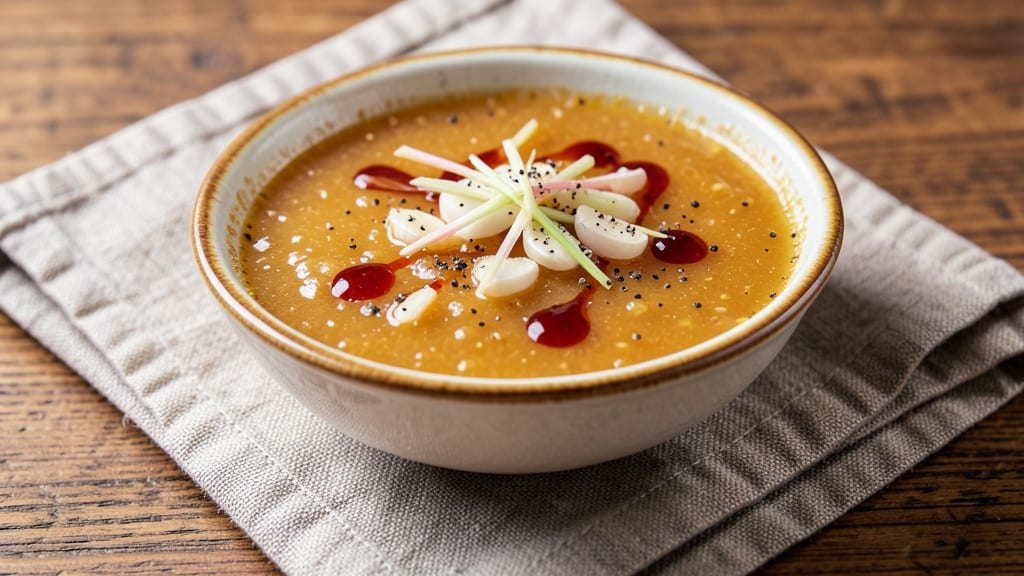
This Asian pineapple sauce recipe transforms simple pantry staples into a bright, tangy-sweet glaze that elevates stir-fries, grilled meats, and spring rolls. The secret lies in balancing pineapple juice’s natural acidity with just enough sugar and aromatics—ginger, garlic, and chili—to create a sauce that’s complex yet effortless.
I developed this recipe after years of testing store-bought versions that fell flat, and now it’s my go-to for adding tropical brightness to savory dishes.
The process is straightforward: simmer pineapple juice, vinegar, and spices until reduced by half, creating a concentrated, glossy sauce with intense umami depth. No special equipment is needed—just a saucepan and patience for the flavors to meld.
The result? A sauce that’s sticky enough to cling to proteins and vegetables while remaining light enough to drizzle over desserts like coconut rice pudding.
What makes this sauce truly versatile is its dual-purpose nature—it works as both a marinade and a finishing glaze. Toss it with grilled chicken or shrimp for instant flavor, or use it as a dip for spring rolls and dumplings.
The acidity cuts through richness, while the sweetness balances heat, making every bite harmonious. Best of all, it keeps well in the fridge for up to two weeks, so you can make a batch and use it all month.
For extra depth, add a splash of soy sauce or a pinch of fish sauce, but trust the original recipe first—it’s foolproof. Let’s get started on creating this restaurant-quality glaze that’ll have everyone asking for the recipe.
Ingredients for asian pineapple sauce
Bright tropical flavors meet umami depth in this versatile glaze—just ten pantry staples transform into restaurant-quality sauce.
| Ingredient | Amount | Notes |
|---|---|---|
| Fresh Pineapple Juice 🍍 | 1 ½ cups | From canned or fresh pineapple, strained |
| Rice Vinegar 🍶 | ½ cup | White or seasoned variety preferred |
| Granulated Sugar 🍚 | ½ cup | Light or dark brown sugar optional |
| Fresh Ginger 🧄 | 2 tbsp | Finely grated, aromatic variety |
| Garlic Cloves 🧄 | 3 cloves | Minced, fresh preferred |
| Red Chili Flakes 🌶️ | 1 tbsp | Adjust for heat preference |
| Soy Sauce 🍜 | 1 tbsp | Light or dark preferred |
| Sesame Oil 🫒 | 1 tbsp | Toasted, for finishing |
| Cornstarch 🌾 | 1 tsp | For thickening, optional |
| Salt 🧂 | ½ tsp | Kosher or sea salt |
The pineapple juice is the foundation, so choose fresh or high-quality canned—avoid the watery, diluted versions. Dole or Del Monte brands consistently deliver the best flavor profile. Fresh ginger and garlic should be vibrant (no shriveled cloves or dull-colored roots), as their aromatics carry the sauce’s complexity. For the vinegar, Kikkoman or Mitsukan rice vinegars provide the perfect balance of acidity without overpowering. If you’re using brown sugar, Domino or C&H brands melt smoothly without graininess. Chili flakes can vary drastically—La Victoria or Madagascar varieties offer consistent heat levels.
No fresh ginger? Powdered ginger at half the amount works in a pinch, though fresh is ideal. Substituting apple cider vinegar for rice vinegar adds depth but alters the flavor profile slightly. For a vegetarian-friendly version, omit the soy sauce and use coconut aminos instead. If you’re avoiding gluten, ensure your soy sauce is tamari-based. The cornstarch is optional—skip it for a thinner, more fluid sauce ideal for drizzling, or use it to create a thicker consistency perfect for glazing. For extra umami, a splash of fish sauce (about 1 tsp) elevates the sauce, but it’s not required for the base recipe.
This sauce thickens as it cools, so store it in an airtight container with a thin layer of olive oil on top to preserve freshness. Keeps in the fridge for up to two weeks, though the flavors deepen over time. For longer storage, freeze in ice cube trays and transfer to a bag—perfect for single-use portions. Reheat gently on the stove or microwave, stirring to restore its glossy texture. The sauce’s versatility means it’s worth making a double batch—use it on stir-fries, grilled proteins, or even as a dessert drizzle with coconut rice pudding.
Why You'll Love This Recipe
- Pantry Staple Magic: I swear by this sauce because it uses things I already have—ginger and garlic from my freezer, rice vinegar I bought on sale, and pineapple juice that’s been sitting in the fridge for weeks. No fancy shopping trips, just flavor in minutes.
- Bright & Tangy Kick: The ginger-garlic base sings when you balance it with that sweet-tart pineapple juice. It’s the kind of sauce that makes grilled chicken or even plain rice feel like a restaurant dish—no joke.
- Game for Any Meal: Slather it on spring rolls, drizzle it over noodles, or toss it with cold rice for a quick lunch. Honestly, I’ve even used it in smoothies when I’m lazy (don’t tell my nutritionist).
- Lasts Like a Champ: This sauce keeps in the fridge for weeks—perfect for when I’m too busy to cook. A splash in stir-fries, a glaze for roasted veggies, or a dip for takeout leftovers. It’s my secret weapon for lazy nights.
Step-by-step instructions for Asian pineapple sauce
Master this vibrant glaze with precise technique and balanced flavors for perfect harmony.
Combine Base Ingredients in a Saucepan
In a medium saucepan, combine the 1.5 cups fresh pineapple juice, 0.5 cup rice vinegar, 0.5 cup granulated sugar, 2 tablespoons fresh ginger, 3 cloves minced garlic, 1 tablespoon red chili flakes, 1 tablespoon soy sauce, and 0.5 teaspoon salt. This combination creates the foundational balance of sweet, tangy, and spicy flavors that define the sauce.
Stir gently to dissolve the sugar completely. I always use a wooden spoon for this step to avoid scratching the pan. The mixture should look homogenous with no visible sugar granules remaining. This ensures even flavor distribution throughout the cooking process.
Simmer Until Thickened
Place the saucepan over medium-high heat and bring the mixture to a gentle boil. Once boiling, reduce heat to medium-low and let it simmer uncovered for 10-12 minutes. You'll notice the sauce gradually reduce in volume as moisture evaporates, creating a more concentrated flavor profile.
During this time, stir occasionally to prevent sticking and ensure even cooking. The sauce should thicken until it coats the back of a spoon when you lift it. You're aiming for a consistency similar to light syrup—thick enough to cling to stir-fried proteins but still pourable. If it thickens too quickly, reduce heat slightly to maintain control.
Thicken with Cornstarch Slurry
In a small bowl, whisk together the 1 teaspoon cornstarch with 1 tablespoon cold water until completely dissolved. This creates a smooth slurry that will help achieve the perfect glaze consistency. Pour the slurry into the simmering sauce while stirring constantly.
Continue simmering for an additional 2-3 minutes until the sauce reaches your desired thickness. The cornstarch will bind the liquid, creating that signature glossy finish. For stir-fries, you want a medium-thickness that clings beautifully to ingredients. For dipping, it should be slightly thinner to allow for easy dipping without being runny.
Finish with Sesame Oil
Remove the sauce from heat and stir in the 1 tablespoon sesame oil. This final step adds depth of flavor and a subtle nutty aroma that complements the bright pineapple and tangy vinegar. The sesame oil should be incorporated completely, creating a glossy sheen on the surface of the sauce.
Taste and adjust seasoning if needed. You might want to add a touch more sugar for sweetness, a splash of rice vinegar for tang, or additional chili flakes for heat. Let the sauce cool slightly before using—this allows the flavors to meld together perfectly. The sauce will continue to thicken as it cools, so don't over-thicken it at this stage.
Pro Tips For Making Asian Pineapple Sauce
- STRAIN THE GINGER: I learned this the hard way—grated fresh ginger in the sauce makes it gritty, no matter how much you strain. Use a microplane, then press the pulp through a fine-mesh sieve with a spoon. It’s extra work, but the smooth texture is worth it, especially if you’re drizzling this over grilled meats or noodles.
- SIMMER LOW AND SLOW: This sauce isn’t about flash—it’s about balance. After adding sugar, keep the heat at a gentle simmer (just small bubbles breaking the surface) for 8–10 minutes. Rushing it turns the vinegar sharp and the pineapple cloying. Patience here makes the difference between good and actually delicious.
- MEASURE THE VINEGAR FIRST: The acid in rice vinegar reacts with sugar, so if you add it last, you’ll end up guessing how much to use. Start with the full 2 tablespoons (or your recipe’s amount) in the pot, then adjust sugar to taste. This way, you’re not playing catch-up with flavor—just tweaking the sweetness.
- GARLIC: MINCE, DON’T CHOP: I was skeptical until I tried it: finely minced garlic (almost paste-like) dissolves smoothly into the sauce, while chopped pieces turn to mush or burn. Use a knife or the flat side of a cleaver—just don’t skip this step if you want that subtle, aromatic depth without texture surprises.
Troubleshooting perfect results
Sauce Too Thin?
If your sauce isn't thickening enough during simmering, don't panic. First, check your heat level—too high causes rapid evaporation without proper reduction. Instead, reduce to low heat and simmer uncovered for an additional 5-7 minutes, stirring occasionally.
For instant thickening, whisk ½ teaspoon cornstarch with 1 tablespoon water, then stir into the sauce and simmer for 1-2 minutes. My pro tip: A splash of 1 tablespoon pineapple juice (reduced separately) can add body without altering flavor. 💡
Grainy or Cloudy Texture?
Cloudiness or graininess usually means undissolved sugar or cornstarch. For sugar issues, whisk vigorously while heating to dissolve completely. For cornstarch problems, make sure your slurry is fully dissolved before adding—no lumps!
If it's too late, strain through a fine-mesh sieve before using. I've found that lightly toasting the cornstarch in a dry pan for 30 seconds before making the slurry prevents clumping. ✨
Flavor Too Sweet?
Adjusting sweetness is easy—simply add 1-2 tablespoons rice vinegar while warm to balance. For a more natural approach, simmer with an extra ½ cup pineapple juice (no sugar added) to dilute sweetness gradually.
If you prefer tartness, increase vinegar by 1 tablespoon and reduce sugar by 1 tablespoon in future batches. Trust your taste buds: small adjustments make a big difference! 🍶
Heat Too Mild?
If the chili flakes aren't delivering enough kick, boost heat with ½ teaspoon cayenne pepper or 1 teaspoon fresh chili paste. For smoky depth, add ½ teaspoon smoked paprika.
Pro move: Toast the chili flakes in a dry pan for 1 minute before adding to intensify flavor. Remember, heat builds as the sauce cools—taste before serving! 🌶️
Sauce Separates?
Separation happens when fats (like sesame oil) or starches separate from liquids. To fix it, whisk vigorously while reheating gently. For prevention, always stir constantly during the final cornstarch stage.
If it's already separated, blend briefly with an immersion blender for a smooth texture. Store in a jar with a tight seal to prevent future separation. 💫
Fermentation Issues?
If your sauce develops an off smell or bubbles excessively, it may have fermented too long. This happens when stored too warm or with improper pH balance. To prevent it, store in the fridge within 2 hours of cooking.
If it happens, discard and restart—fermentation ruins the delicate balance of flavors. Always use fresh ingredients and proper storage to avoid this! ⚠️
Nutrition facts
Frequently asked questions
Can I substitute fresh pineapple for canned in this sauce?
Yes, but you'll need to process it first! Fresh pineapple contains tough fibers that can make the sauce grainy. Blend 1 cup fresh pineapple chunks with ½ cup water, then strain through a fine-mesh sieve to extract the juice. Use 1.5 cups total juice (fresh + strained) to match the recipe. Fresh pineapple adds brighter flavor but requires extra prep time.
How long will this sauce keep and can I freeze it?
The sauce stays fresh in an airtight container in the fridge for up to 2 weeks. For longer storage, freeze in ice cube trays or small portions—it keeps quality for 3 months. Thaw overnight in the fridge before using. The texture may slightly thicken after freezing, so add 1-2 tablespoons water when reheating to restore consistency.
What's the best way to use this sauce on grilled meats?
For maximum flavor, brush the sauce onto proteins during the last 5 minutes of grilling at medium-high heat. The high heat caramelizes the sugars, creating a glossy, sticky glaze. For chicken or shrimp, use 2-3 tablespoons per pound. For pork or beef, reduce to 1-2 tablespoons per pound to prevent overpowering the meat's natural flavors.
Is this sauce gluten-free and can I make it vegetarian?
Yes! Simply replace the soy sauce with 1 tablespoon coconut aminos for a gluten-free version. For vegetarian, omit the soy sauce entirely and add ½ teaspoon fish sauce (optional) or extra rice vinegar for umami depth. The base recipe is naturally gluten-free and vegetarian-friendly with these adjustments.
Why does my sauce sometimes taste bitter?
Bitterness usually comes from over-reducing or using old ingredients. Simmer at medium-low heat to prevent burning, and always use fresh ginger, garlic, and vinegar. If bitterness appears, balance it with ½ teaspoon more sugar or 1 tablespoon extra pineapple juice. Never let the sauce boil vigorously—keep it at a gentle simmer for even flavor development.