
Sauces & Condiments
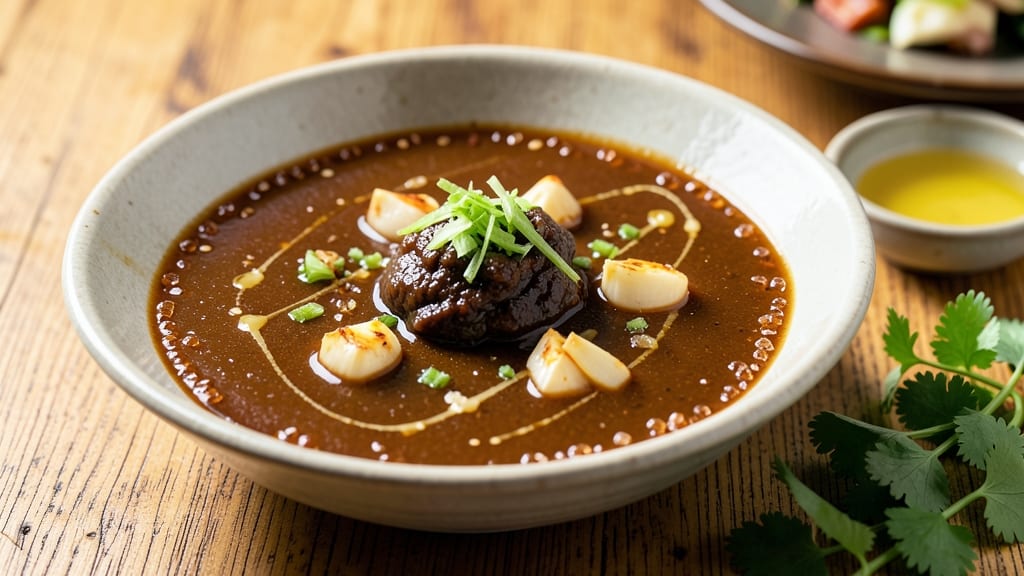
This Asian hoisin sauce recipe transforms simple pantry staples into a rich, sweet-savory glaze that elevates stir-fries, dipping sauces, and marinades. The secret lies in fermented soybean paste—its deep umami flavor forms the backbone of this versatile sauce, balancing sweetness from brown sugar and tang from rice vinegar.
I developed this version after years of experimenting with both traditional and modern twists, ensuring it delivers authentic taste with adaptable ingredients.
The beauty of hoisin sauce is its flexibility—whether you're using it as a glaze for egg rolls, a dipping sauce for spring rolls, or a marinade for grilled meats, the flavor profile remains consistently bold.
Traditional recipes rely on fermented soybean paste (or hoisin paste), garlic, vinegar, and sugar, but I've included optional additions like chili paste for heat or honey for extra sweetness. For those avoiding soy, a simple substitution with coconut aminos works beautifully.
What makes this sauce truly special is how it transforms ordinary dishes into something extraordinary. The sauce thickens slightly as it simmers, creating a glossy finish that clings to every bite.
It's also incredibly versatile—use it in small batches for immediate flavor or store it for up to a month in the refrigerator. The aroma alone will have your kitchen smelling like a bustling Asian street market.
Perfect for both weeknight meals and special occasions, this hoisin sauce is a game-changer in any kitchen. Once you try it, you'll never reach for store-bought again. Let's get started on making this flavorful staple that's as easy to prepare as it is delicious to use.
Ingredients for asian hoisin sauce
Nine pantry staples transform into a bold, versatile sauce that elevates every bite.
| Ingredient | Amount | Notes |
|---|---|---|
| Fermented Soybean Paste (or Hoisin Paste) 🥫 | ½ cup | Traditional fermented soybean paste preferred |
| Brown Sugar 🍯 | ½ cup | Light or dark variety works |
| Rice Vinegar 🍶 | ¼ cup | White or seasoned preferred |
| Garlic Cloves 🧄 | 6 cloves | Minced for even distribution |
| Sesame Oil 🫒 | 1 tbsp | Toasted sesame oil for aroma |
| Ginger Root 🌿 | 1 tbsp | Freshly grated, not powdered |
| Water 💧 | ¼ cup | For thinning consistency |
| Salt 🧂 | ½ tsp | Diamond Crystal or sea salt |
| Chili Paste (Optional) 🌶️ | 1 tbsp | For added heat, adjust to taste |
| Honey (Optional) 🍯 | 1 tbsp | For extra sweetness, substitute maple syrup |
Fermented soybean paste is the heart of this sauce—look for brands like Lee Kum Kee in the Asian aisle of most grocery stores. If you can't find it, hoisin paste works too, though the flavor will be slightly less complex. The brown sugar should be packed, not scooped—this ensures the right consistency. For garlic, peel and mince fresh rather than using pre-minced (it's drier and less flavorful). Sesame oil is non-negotiable here—its nutty aroma is essential, so don't skip it. If you're avoiding soy, coconut aminos can replace the soybean paste at a 1:1 ratio, though the umami will be milder.
No chili paste? Red pepper flakes or a dash of sriracha can add heat in a pinch. The honey is purely optional—if you prefer less sweetness, reduce the brown sugar by 1 tbsp. For a smoother sauce, blend everything until silky, or leave it slightly chunky for texture. The rice vinegar adds that signature tang, but if you've got apple cider vinegar, it works in a bind. Just remember: the longer you simmer, the thicker the sauce becomes, so keep an eye on it. If it gets too thick, a splash of water or broth thins it beautifully.
This sauce keeps for up to 1 month in the fridge, though it tastes best within the first 2 weeks. The flavor actually improves as it sits—those deep umami notes develop over time. For longer storage, freeze in ice cube trays and transfer to a container; thaw overnight in the fridge. The aroma alone will make your kitchen smell like a bustling Asian street market, so save it for when you're ready to use it. Trust me, it's worth the wait.
Why You'll Love This Recipe
- Five-Ingredient Magic: I swear, this sauce is the kind of recipe that makes me feel like a kitchen genius—just toss in hoisin paste, brown sugar, vinegar, a few garlic cloves, and a drizzle of sesame oil. No blender, no straining, no mess. Honestly, if you can chop garlic, you can make this.
- Umami Bomb: That fermented soybean paste? It’s where the flavor happens—deep, salty-sweet with a funky edge that sticks to everything like a dream. The sesame oil ties it all together with this nutty warmth that makes every bite feel like a hug from your favorite Asian takeout spot.
- Dress-Up Anything: Between us, this sauce is my secret weapon for lazy nights. Drizzle it over noodles, toss it with stir-fried veggies, or slather it on grilled chicken—it turns basic into "wow, you cooked this?" even when you’re just reheating leftovers. (Yes, even on a Tuesday night.)
- Pantry Goldmine: I make a big batch and keep it in the fridge for weeks—it’s cheap to make, lasts forever, and saves me from buying overpriced bottles of hoisin. Plus, the longer it sits, the richer the flavors get. Budget-friendly? Absolutely. Life-changing? Well, maybe just for your taste buds.
Step-by-step instructions for Asian hoisin sauce
This homemade hoisin sauce delivers that perfect balance of sweet, savory, and umami—no store-bought substitutes needed.
Sauté Aromatics Until Fragrant
Heat the 1 tablespoon sesame oil in a small saucepan over medium heat. Add the 6 cloves minced garlic cloves and 1 tablespoon freshly grated ginger root, stirring constantly for 1-2 minutes until the garlic turns a pale golden color and the ginger releases its bright aroma.
Here's the thing—don't walk away. Garlic burns in seconds, and you want that nutty, sweet aroma without bitterness. Once the garlic is fragrant but not browned, you're ready for the next step. The sesame oil should be shimmering but not smoking.
Combine Wet Ingredients and Simmer
Pour in the 0.25 cup rice vinegar and 0.25 cup water, stirring to deglaze the pan and scrape up any browned bits from the bottom. Add the 0.5 cup fermented soybean paste (or hoisin paste) and 0.5 cup brown sugar, mixing until everything is fully incorporated. The mixture will look thick and pasty at first.
Bring the sauce to a gentle simmer over medium-low heat, then reduce to the lowest setting possible while still maintaining a gentle bubble. Let it cook uncovered for 10-12 minutes, stirring occasionally, until it thickens noticeably. You'll see the sauce transform from a paste into a glossy, syrupy consistency.
Season and Adjust Consistency
Add the 0.5 teaspoon salt and stir well. If you're using the optional ingredients, now's the time to add the 1 tablespoon chili paste for heat or 1 tablespoon honey for extra sweetness. Taste the sauce and adjust seasoning—you might need a touch more salt or sugar depending on your preferences.
For a smoother texture, transfer the sauce to a blender or food processor and pulse until completely smooth. If you prefer a slightly rustic texture, skip blending. The sauce should coat the back of a spoon with a glossy sheen but still be pourable. If it's too thick, add 1 teaspoon water at a time until it reaches your desired consistency.
Cool and Store for Best Results
Remove the sauce from heat and let it cool to room temperature. The flavors will continue to develop as it cools, deepening that rich, complex profile. For the best results, transfer the sauce to an airtight container and refrigerate for at least 2 hours before using—this allows the flavors to fully meld.
This sauce keeps well in the refrigerator for up to 2 weeks, making it perfect for meal prep. The longer it sits, the more the flavors develop, so don't be afraid to make extra for future stir-fries, dipping sauces, or marinades. The texture will thicken slightly as it chills, so you can thin it with a splash of warm water when ready to use.
Pro Tips For Making Asian Hoisin Sauce
- Bloom the Garlic First: Smash those garlic cloves with the flat side of your knife before mincing—it releases more flavor without burning. I used to just chop it, and the sauce always tasted flat until I tried this. Works even better if you let the smashed cloves sit for 5 minutes before cooking.
- Simmer Low and Slow: Hoisin paste burns faster than you think. Keep the heat at a gentle simmer (barely bubbling) and stir every 30 seconds. After burning three batches, I finally figured out that patience here means a rich, balanced sauce—not a bitter charred mess.
- Balance the Sweetness: Brown sugar can make hoisin cloying if you’re not careful. Start with half the amount called for, taste, then add more—you can always sweeten later, but you can’t fix oversweetness. The vinegar’s acidity cuts through, but don’t rely on it to save you.
- Toast the Sesame Oil Last: Add the sesame oil in the final 30 seconds of cooking—it’s delicate and burns at 350°F. If you toss it in early, you’ll end up with a bitter, smoky flavor instead of that nutty aroma. Sounds weird, but it works: the oil should just hint at warmth, not dominate.
Dietary considerations for this asian hoisin sauce
Soy-Free Adaptations
If you're avoiding soy due to allergies or dietary preferences, swap the fermented soybean paste for coconut aminos at a 1:1 ratio. While the umami depth won't be identical, it creates a lighter, slightly sweeter base that still works beautifully in stir-fries.
For extra richness, add 1 tbsp miso paste (ensure it's soy-free if needed) to mimic the fermented depth. 🌱
Gluten-Free Options
Traditional hoisin sauce contains wheat from the fermented soybean paste, but you can make this gluten-free by using tamari (gluten-free soy sauce) or gluten-free hoisin paste like San-J Tamari. Double-check labels—some brands process in wheat facilities.
For a completely wheat-free version, blend 1 tbsp gluten-free oat flour with 1 tbsp water to create a thickening agent instead of relying on the paste's natural body.
Low-Sugar Versions
To reduce sugar content, replace half the brown sugar with monk fruit sweetener or erythritol (use a 1:1 ratio). For a natural alternative, try date paste—blend 2 pitted Medjool dates with 1 tbsp water until smooth, then use 2 tbsp instead of ¼ cup sugar.
The texture will be slightly thinner, but the caramel notes remain. Taste as you go, as natural sweeteners vary in intensity.
Vegan Considerations
This recipe is already vegan-friendly, but double-check your fermented soybean paste—some brands contain fish sauce or honey. For a fully plant-based version, use vegan coconut aminos and agave syrup instead of honey.
The sesame oil should be 100% pure (no additives), and rice vinegar is naturally vegan. Store-bought hoisin pastes often contain fish or honey, so homemade is the safest bet. 🌿
Nut-Free Adjustments
Sesame oil is the star here, but if you're avoiding nuts, substitute with 1 tbsp neutral oil (like avocado or refined coconut) and add ½ tsp ground coriander for depth. The flavor won't be identical, but it prevents the nutty aroma while keeping the sauce cohesive.
For extra richness, a pinch of smoked paprika bridges the gap between the missing sesame notes and the umami base.
Allergen-Friendly Tips
For egg-free or dairy-free diets, this recipe already fits—no animal products are involved. If you're sensitive to FODMAPs, reduce the garlic to 3 cloves and omit the chili paste (opt for ½ tsp red pepper flakes instead).
The ginger is naturally low-FODMAP in small amounts, so 1 tbsp is safe. Always check individual ingredient labels, as some brands add hidden allergens to their pastes or vinegars.
Nutrition facts
Frequently asked questions
What's the difference between hoisin sauce and soy sauce?
Hoisin sauce is thicker, sweeter, and more complex than soy sauce—it's made with fermented soybean paste, sugar, and spices like garlic and ginger. Soy sauce is purely salty and liquid, used for seasoning rather than glazing. Think of hoisin as the "glazing" version with depth, while soy sauce is the "seasoning" base.
Can I make this hoisin sauce without fermented soybean paste?
Yes! For a quick substitute, blend ¼ cup soy sauce with 2 tbsp brown sugar and 1 tbsp honey—it won't be identical but works in a pinch. For better results, use coconut aminos (soy-free) or miso paste (for umami depth). The texture will be thinner, so simmer longer to thicken.
How can I use leftover hoisin sauce?
This versatile sauce works as a glaze for egg rolls, a dipping sauce for spring rolls or dumplings, or a marinade for grilled pork or tofu. Stir it into peanut sauce for extra richness, or use it to deglaze a wok for stir-fries. Store leftovers in the fridge for up to 1 month—the flavor actually improves over time!
Why did my hoisin sauce turn out too thin?
If your sauce is too runny, it likely didn't simmer long enough. Simmer uncovered for 10-15 extra minutes to thicken naturally. For quick fixes, mix 1 tbsp cornstarch with 1 tbsp water, stir into the sauce, and cook for 2 more minutes. Avoid adding too much water—this sauce should coat the back of a spoon with a glossy sheen.
Is this hoisin sauce spicy?
The recipe includes chili paste as optional, so the base version is mild with a subtle sweet-savory profile. For heat, add 1-2 tbsp chili paste (adjust to taste) or swap for ½ tsp red pepper flakes. If you prefer no spice, simply omit it—the sauce remains delicious and versatile for all dishes.