
Sauces & Condiments
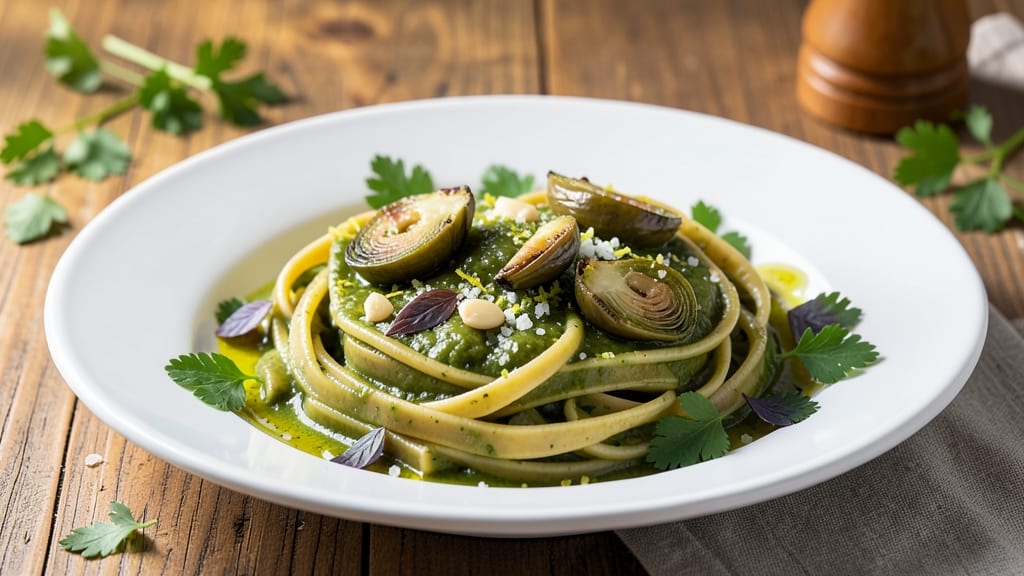
This artichoke pasta sauce recipe transforms simple ingredients into a vibrant, herby sauce that clings perfectly to every strand of pasta. The secret lies in balancing tender artichoke hearts with bright lemon zest and fresh herbs, creating a sauce that's both silky and packed with texture.
I developed this recipe after years of experimenting with Mediterranean flavors, and it never fails to elevate even the simplest pasta dish.
The foundation of this sauce is a simple sauté of garlic and olive oil, which forms the aromatic base before the artichokes and herbs join the party. A splash of white wine deglazes the pan, adding depth without overpowering the delicate artichoke flavor.
The sauce comes together in just 15 minutes, making it perfect for weeknight dinners when you crave something special but don't have hours to spare.
What makes this sauce truly stand out is its versatility—it works equally well with creamy or chunky textures, depending on how you finish it.
A dollop of heavy cream or a sprinkle of grated Parmesan transforms it into a luscious, velvety sauce, while keeping it dairy-free preserves that bright, herby freshness. The artichokes stay tender and hearty, adding satisfying chunks to every bite.
Once you try this sauce, you'll find yourself reaching for artichoke hearts whenever you're in the mood for something Mediterranean-inspired. It stores beautifully in the refrigerator for up to 5 days, making it an excellent meal prep solution.
Let's get started on creating this flavorful, restaurant-worthy sauce that will have everyone asking for seconds.
Ingredients for artichoke pasta sauce
Bright, herby, and packed with tender artichoke chunks—this sauce transforms simple ingredients into Mediterranean magic.
| Ingredient | Amount | Notes |
|---|---|---|
| Extra-Virgin Olive Oil 🫒 | ½ cup | High-quality, fruity variety |
| Garlic Cloves 🧄 | 4 cloves | Freshly minced for aromatic base |
| Marinated Artichoke Hearts 🌿 | 14 oz | Drained and quartered, jarred or fresh |
| Fresh Lemon Zest 🍋 | 1 tbsp | Bright, finely grated zest only |
| Fresh Flat-Leaf Parsley 🌿 | ½ cup | Chopped, stems removed |
| Fresh Basil Leaves 🌿 | ¼ cup | Torn by hand for texture |
| Dry White Wine 🍷 | ¼ cup | Sauvignon Blanc preferred |
| Vegetable Broth 🥫 | 1 cup | Low-sodium preferred |
| Heavy Cream 🥛 | ¼ cup | Optional, for creamy texture |
| Salt 🧂 | ½ tsp | Diamond Crystal preferred |
| Black Pepper 🌶️ | ¼ tsp | Freshly cracked |
| Grated Parmesan Cheese 🧀 | ¼ cup | Freshly grated, optional garnish |
The artichoke hearts are the star, so pick jarred ones in olive oil for extra flavor—they’re pre-marinated and ready to use. Trader Joe's has the best jarred variety, but any brand works if they’re plump and tender. Fresh artichokes? Worth the effort if you’re feeling ambitious, but jarred saves time without sacrificing flavor. The olive oil matters too—California avocado or Italian extra-virgin brands like Bertolli or Colavita add that fruity depth. If you’re using fresh artichokes, trim the tough outer leaves and quarter them before cooking to mimic the jarred texture.
No white wine? Substitute extra vegetable broth—just reduce the broth by 1/4 cup to keep the sauce balanced. Fresh herbs can’t be skipped for that bright pop, but if you’re short on parsley or basil, cilantro or arugula at half the amount works in a pinch. The heavy cream is optional, but if you’re making this dairy-free, coconut cream or cashew cream adds richness without overpowering. For extra umami, a dash of soy sauce or a pinch of miso paste deepens the flavor without altering the texture. And if your artichokes are particularly salty from the jar, rinse them briefly before adding to the sauce.
This sauce keeps beautifully in the fridge for 5 days, sealed in an airtight container with a thin layer of olive oil on top to preserve freshness. For longer storage, freeze portions in ice cube trays—just thaw and reheat gently on the stove. The sauce reheats like a dream, so it’s perfect for meal prep. If you’re making it ahead, hold off on adding the fresh herbs until serving—they’ll wilt in the fridge. Garnish with a sprinkle of freshly grated Parmesan and extra basil right before serving for that restaurant-worthy finish.
Why You'll Love This Recipe
- No Chopping Needed: I swear by this trick—just drain those jarred artichoke hearts and toss them straight in. No peeling, no trimming, no mess. The only prep is mincing garlic and zipping lemon zest, which takes less time than scrolling through your phone.
- Umami-Packed Punch: That jarred artichoke brine? Don’t drain it all. A splash in the sauce deepens the flavor—salty, tangy, with a brightness from the lemon zest that cuts through the richness. The parsley ties it all together like a fresh handshake.
- Weeknight to Dinner Party: Same sauce, different vibes. Drizzle it over spaghetti for a quick weeknight meal, or toss it with roasted chicken and crusty bread for a fancier spread. It’s the kind of dish that feels special without requiring a 10-step process.
- Budget-Friendly Leftovers: A single jar of artichokes stretches into three meals—pasta, grain bowls, or even a frittata. The olive oil and garlic are cheap staples, and the parsley lasts forever if you store it right. My wallet (and my freezer) thank me every time.
Step-by-step instructions for artichoke pasta sauce
Here's how to create a vibrant, herby artichoke sauce that clings beautifully to pasta.
Sauté Garlic Until Fragrant
Heat the 0.5 cup extra-virgin olive oil in a large skillet over medium heat. Add the 4 cloves freshly minced garlic cloves and cook for 2-3 minutes until they turn a pale golden color and release their sweet, nutty aroma. Watch carefully—they'll burn quickly once they start browning.
I like to stir constantly during this step to prevent burning while still developing that essential garlic flavor. The oil should shimmer but not smoke. Once the garlic is golden, remove the pan from heat for just a moment—this prevents the flavor from turning bitter when we add the wine.
Build the Sauce Base
Return the skillet to medium heat and add the 14 oz drained and quartered marinated artichoke hearts. Cook for 5 minutes, stirring occasionally, until they're heated through and any excess liquid has evaporated. You'll notice the artichokes release their briny, slightly sweet flavor into the oil.
Next, pour in the 0.25 cup dry white wine and scrape up any browned bits from the bottom of the pan with a wooden spoon. This technique, called deglazing, captures all the flavor that would otherwise stick to the pan. Let the wine simmer for 3-4 minutes until it reduces by about half, intensifying its flavor.
Simmer with Herbs and Broth
Add the 1 cup vegetable broth, 0.5 tsp salt, and 0.25 tsp freshly cracked black pepper to the skillet. Bring to a gentle simmer and let it cook uncovered for 8-10 minutes until the liquid has reduced by about half and the sauce begins to thicken slightly. You'll see the sauce coat the back of a spoon when it's ready.
Stir in the 1 tbsp fresh lemon zest, 0.5 cup chopped fresh flat-leaf parsley, and 0.25 cup torn fresh basil leaves. These herbs will infuse the sauce with their bright, fresh flavors. If you're using the 0.25 cup heavy cream, add it now and stir gently to combine without creating lumps. Let the sauce simmer for another 2 minutes to meld all the flavors together.
Finish and Serve
Taste the sauce and adjust the seasoning if needed—you might want to add a pinch more salt or a splash of lemon juice to brighten the flavors. The sauce should be vibrant green from the herbs, with the artichokes peeking through for texture.
To serve, toss the sauce with cooked pasta or spoon it over top. Garnish with an additional sprinkle of 0.25 cup freshly grated Parmesan cheese for extra richness. The sauce will cling beautifully to the pasta, delivering bursts of artichoke, bright herbs, and a touch of lemony freshness in every bite.
Pro Tips For Making Artichoke Pasta Sauce
- Drain and Pat Artichokes Dry: Marinated artichokes cling to their brine like a toddler to a cookie jar. After draining, lay them on a paper towel and press gently with another towel—this removes excess moisture so they crisp in the pan instead of steaming into mush. (Yes, it’s tedious, but the texture difference is night and day.)
- Toast Garlic Low and Slow: High heat burns garlic faster than you can blink. Use medium-low and stir constantly until it’s golden, not brown—think "honeyed" not "charred." Overcooked garlic turns bitter, and nobody wants that fighting with lemon zest.
- Zest, Don’t Juice: Lemon zest adds bright, floral notes, while juice just dilutes the sauce. Use a fine grater and scrape only the yellow outer layer—no pith, no white. A teaspoon is plenty; more turns the sauce sour faster than a grumpy roommate.
- Finish with Cold Oil: Tossing pasta with olive oil right off the heat cools it down and emulsifies the sauce better than stirring at full boil. A splash of cold EVOO at the end also highlights the parsley’s freshness instead of cooking it into oblivion. (Trust me, it’s a game-changer.)
Wine and beer pairings for artichoke pasta sauce
White Wine Pairings
For this bright, herby artichoke sauce, I reach for a crisp Sauvignon Blanc—its zesty citrus notes mirror the lemon zest in the sauce while cutting through the richness of artichokes. A bottle from New Zealand or Loire Valley works perfectly, with their bright acidity and herbal undertones.
If you prefer something lighter, a Pinot Grigio from Italy offers a clean, refreshing contrast. 🍷
Italian Reds for Depth
For those who prefer red wine, a Chianti or Sangiovese adds earthy complexity that complements the artichokes' umami. The wine's tart cherry notes balance the sauce's herbal brightness, while its moderate tannins won't overpower the delicate flavors. Look for a Chianti Classico for the most authentic pairing.
Beer Pairings
A Belgian witbier like Hoegaarden or Stella Artois brings a crisp, citrusy brightness that echoes the lemon zest in the sauce. The subtle spice notes from coriander in these beers also enhance the artichokes' natural earthiness.
For a heartier option, a German Hefeweizen adds a creamy, slightly sweet contrast to the herby sauce. 🍺
Non-Alcoholic Options
Skip the alcohol without sacrificing flavor with a sparkling apple cider—its effervescence cleanses the palate between bites, while the apple's acidity brightens the dish. For a more savory match, try a sparkling mineral water with a squeeze of lemon to enhance the sauce's herbal notes.
Wine Temperature Tips
Serve white wines slightly chilled at 45-50°F to preserve their crisp acidity, while reds should be at 60-65°F to soften their tannins. For beer, aim for 45-50°F—too cold dulls the flavors, while room temperature can make it taste flat.
I always chill my wine for 30 minutes before serving to find the perfect balance. ✨
Nutrition facts
Frequently asked questions
Can I use fresh artichokes instead of jarred hearts?
Yes, but you'll need to trim and quarter them first! Fresh artichokes require removing the tough outer leaves and cutting off the top third before cooking. Simmer them in salted water for 15-20 minutes until tender, then drain and quarter before adding to your sauce. The texture will be slightly different but equally delicious.
How do I make this sauce extra creamy without dairy?
Blend 1/4 cup cashews with 1/4 cup water until smooth, then stir into the finished sauce. This creates a velvety texture while keeping it vegan. For a lighter option, add 2 tablespoons nutritional yeast—it adds umami richness without heaviness.
What's the best pasta shape for this sauce?
Short shapes like penne, farfalle, or fusilli work best—they trap the chunky artichoke pieces beautifully. For a showstopper, try gemelli (twisted strands) or rotini to maximize surface area for sauce clinging.
Can I make this sauce ahead of time?
Store it in an airtight container in the fridge for up to 5 days. Reheat gently on the stove, adding a splash of water if it thickens too much. Hold off on adding fresh herbs until serving to preserve their vibrant color and texture.
Why did my sauce turn bitter?
Overcooking the garlic or letting it burn is the most common cause. Also, if your artichokes were salt-cured (common in jarred versions), they can add bitterness. Rinse them before using, and always sauté garlic over medium heat—remove the pan just as it turns golden.