
Sauces & Condiments
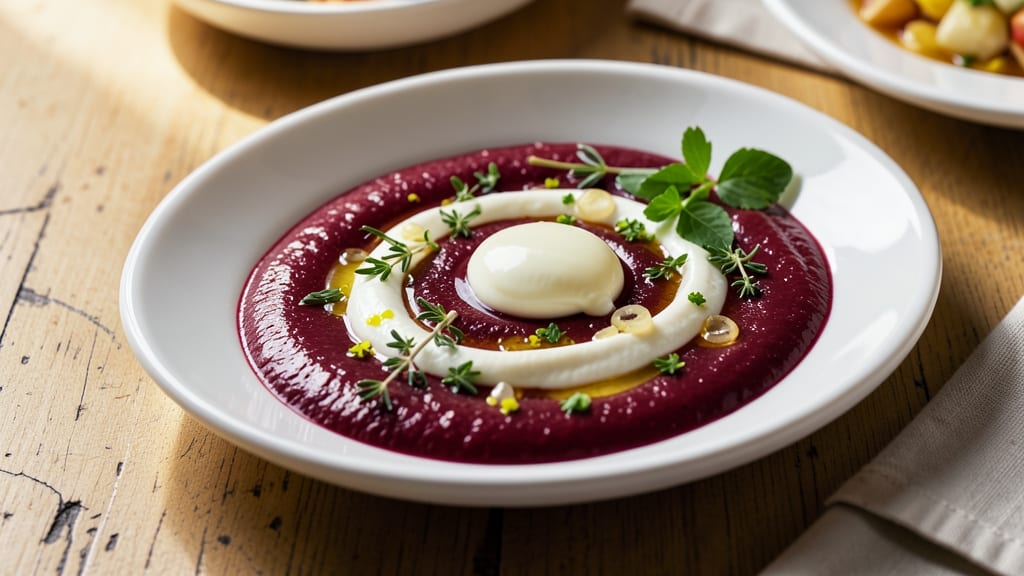
This aristocrat sauce recipe delivers velvety, onion-infused richness that elevates any dish from ordinary to extraordinary. ✨ The secret lies in slow-cooked shallots and wine, creating a deep, savory base that pairs beautifully with roasted meats, poultry, or even crisp vegetables.
What sets this sauce apart is its perfect balance of creaminess and subtle acidity, achieved through careful reduction and herb finishing.
Perfect for special occasions or weeknight dinners, this sauce transforms simple ingredients into something luxurious. The process is straightforward—simmering shallots until caramelized, deglazing with wine, and reducing until thick and velvety.
The result is a sauce that's rich enough to stand alone for dipping but versatile enough to complement a variety of dishes.
What you'll end up with is a smooth, velvety sauce with a depth of flavor that comes from slow cooking and layering ingredients. The caramelized shallots add natural sweetness, while the cream and herbs provide a luxurious finish.
This isn't just a sauce—it's a flavor experience that will make your meals feel like a gourmet restaurant at home.
The best part? This sauce keeps well in the refrigerator, allowing you to make a batch ahead of time for convenience. Whether you're serving it with roasted chicken, steak, or even as a dip for crusty bread, this aristocrat sauce will be the star of your table.
Let's get started on creating this restaurant-quality condiment.
Ingredients for aristocrat sauce
Elevate your dishes with these luxurious ingredients designed for velvety perfection.
| Ingredient | Amount | Notes |
|---|---|---|
| Shallots 🧅 | 2 cups | Sliced thinly for caramelization |
| Dry Red Wine 🍷 | 1 cup | Bold Cabernet Sauvignon preferred |
| Heavy Cream 🥛 | 1 cup | Full-fat for velvety texture |
| Unsalted Butter 🧈 | 4 tbsp | Cold, cubed for richness |
| Fresh Thyme 🌿 | ¼ cup | Leaves only, finely chopped |
| Fresh Parsley 🌿 | ⅛ cup | Flat-leaf, minced for brightness |
| Chicken Stock 💧 | 1 cup | Homemade or high-quality jarred |
| Granulated Sugar 🍬 | 1 tbsp | Balances acidity in reduction |
| Diamond Crystal Kosher Salt 🧂 | ½ tsp | For seasoning, to taste |
| Freshly Ground Black Pepper 🌶️ | ¼ tsp | Freshly cracked for depth |
The shallots are the heart of this sauce—opt for fresh, firm bulbs with no sprouting. Whole Foods or local markets often carry the best quality. Caramelizing them slowly until deep golden-brown unlocks their natural sweetness, which forms the sauce's luxurious base. For wine, bold Cabernet Sauvignon or Merlot from a trusted brand like Apothic or Bogle works perfectly—avoid sweet varieties. The heavy cream should be full-fat, cold, and straight from the fridge to prevent curdling during reduction. Fresh thyme and parsley from the produce section add aromatic brightness, so look for vibrant green leaves with no wilt.
No red wine? Dry white wine or extra chicken stock works in a pinch, though the flavor profile shifts slightly. Running out of fresh herbs? Dried thyme at one-third the amount keeps the essence, but fresh is ideal. The butter should be unsalted and cold—cubed and added at the end for that luxurious finish. Substituting heavy cream? Half-and-half or coconut cream works, though texture may vary. For a vegan twist, coconut cream and vegan butter deliver surprisingly close results. The sugar is key—it balances the wine's acidity during reduction, so don't skip it even if your wine isn't overly tart.
This sauce is a flavor powerhouse that reheats beautifully. Store in an airtight container in the fridge for up to 5 days, or freeze for 3 months. The texture thickens as it cools, so whisk in a splash of warm water or stock when reheating. For serving, drizzle over roasted meats, use as a dip for crusty bread, or swirl into soups. The sauce also freezes wonderfully in ice cube trays, perfect for portion control. Make a double batch—you'll want leftovers for dipping and finishing dishes.
Why You'll Love This Recipe
- Here’s the magic: simmer the butter and cream until it’s velvety, then fold in the thyme. That’s it. No whisking, no straining, no waiting for hours. The sauce thickens while you cook whatever’s going under it—steak, chicken, even roasted veggies—and it tastes like you spent all day in the kitchen.
- No Wine? No Stress: I keep a cheap bottle of red in my pantry just for this—it’s the only time I let myself splurge on a mid-range one. The shallots caramelize in minutes, and that wine? It doesn’t have to be fancy. Even the $8 stuff transforms into something rich and complex.
- Rich Without Effort: Here’s the magic: simmer the butter and cream until it’s velvety, then fold in the thyme. That’s it. No whisking, no straining, no waiting for hours. The sauce thickens while you cook whatever’s going under it—steak, chicken, even roasted veggies—and it tastes like you spent all day in the kitchen.
- Leftovers That Lie: Between us, this sauce gets better the next day. I make a double batch on Sundays, then drizzle it over eggs for breakfast or toss it with pasta for lunch. The flavors meld into something deeper, and no one will guess it’s just repurposed dinner sauce.
Step-by-step instructions for velvety onion-infused aristocrat sauce
This luxurious sauce builds layer upon layer of flavor—caramelized shallots, wine reduction, and velvety cream. Let's create something truly special.
🔥 Step 1: Caramelize the Shallots to Golden Perfection
Heat a heavy-bottomed saucepan over medium-low heat and add the 2 cups sliced shallots. Let them cook undisturbed for 10-12 minutes until they transform from pale to deep golden brown. This slow process develops their natural sweetness and creates the sauce's signature depth.
Here's the thing—don't rush this step. You'll know they're ready when they're soft, jammy, and smell like pure onion heaven. If they start to brown too quickly, reduce the heat slightly. I like to stir them gently every few minutes to ensure even cooking. The goal is silky caramelization, not crispy bits.
🍳 Step 2: Deglaze with Red Wine and Reduce
Once the shallots are beautifully caramelized, increase heat to medium-high and add the 1 cup dry red wine. The wine will bubble vigorously as it deglazes the pan, capturing all those precious browned bits. Let it simmer for 5-6 minutes until reduced by half—you're looking for a syrupy consistency that coats the back of a spoon.
This reduction is where the magic happens. The alcohol burns off, leaving behind concentrated wine flavor that forms the sauce's backbone. I always use a bold Cabernet Sauvignon for its rich, fruity notes that pair beautifully with the shallots. If you smell any harsh alcohol notes lingering, let it reduce a bit longer.
🍳 Step 3: Build the Rich Cream Base
Reduce heat to medium-low and add the 4 tbsp cold cubed butter, 1 cup heavy cream, and 1 cup chicken stock. Stir gently until the butter melts completely and the mixture comes together into a velvety sauce. This should take about 3-4 minutes—the cream will thicken slightly but remain silky.
Here's where it gets fun—the butter adds incredible richness while the cream creates that signature aristocrat texture. I like to whisk constantly during this phase to prevent any scorching at the bottom of the pan. The sauce should coat your whisk completely, indicating proper emulsification. If it looks too thick, add a splash of water or stock to reach your desired consistency.
🥘 Step 4: Season and Finish with Herbs
Add the 1 tbsp granulated sugar, 0.5 tsp Diamond Crystal kosher salt, and 0.25 tsp freshly ground black pepper. The sugar balances the acidity from the wine while enhancing the caramelized shallot flavor. Taste and adjust seasoning—this sauce should be rich but not overpowering.
Remove from heat and stir in the 0.25 cup finely chopped fresh thyme and 0.125 cup minced fresh parsley. The thyme adds an earthy depth while the parsley provides a bright, fresh finish. Let the sauce sit for 5 minutes off the heat to allow all the flavors to meld together. This resting period makes a world of difference in the final result.
⏰ Step 5: Strain and Serve Warm
For the smoothest texture, strain the sauce through a fine-mesh sieve into a clean saucepan. This removes any herb stems or shallot bits while keeping all the flavorful liquid. Return to low heat if needed to maintain serving temperature—just enough to keep it warm without breaking the emulsion.
This luxurious sauce is perfect for dipping crusty bread, pairing with charcuterie, or elevating any appetizer. The contrast of creamy richness with the caramelized shallots creates a flavor profile that's truly aristocratic. Serve immediately while warm, and watch how it transforms any dish into something special.
Pro Tips For Making Aristocrat Sauce
- Sweat the Shallots: I learned this the hard way—don’t rush the shallot cooking. Let them sit in the pan for 8-10 minutes until they’re golden and jammy, not just softened. This builds the sauce’s depth before the wine even hits.
- Deglaze Aggressively: After adding red wine, don’t just pour and stir. Scrape the pan with a wooden spoon—those browned bits are flavor gold. Let the wine reduce by half before adding cream, or you’ll end up with a watery sauce.
- Temper the Cream: Heavy cream and butter don’t play nice with sudden heat. Warm the cream separately until steaming, then whisk it into the reduced wine-butter mixture. This keeps the sauce silky, not curdled.
- Butter Last, Cold: Toss in the unsalted butter at the very end, cut into small cubes, and let it melt gently. Using cold butter adds richness without breaking the sauce—no need to rush, just let it come together naturally.
Wine and beer pairings for this recipe
Red Wine Harmony
This rich, velvety sauce pairs beautifully with bold red wines that complement its deep onion and wine flavors. I recommend a medium-bodied Cabernet Sauvignon from Napa Valley—its dark fruit notes mirror the caramelized shallots while the tannins stand up to the creaminess.
For a lighter option, try a Pinot Noir from Oregon, which adds bright acidity that cuts through the richness. 🍷
Crisp White Balance
If red wine isn't your preference, a crisp Chardonnay with noticeable oak works surprisingly well. Look for one from Sonoma County with buttery notes that enhance the sauce's creaminess.
Alternatively, a Sauvignon Blanc from New Zealand provides zesty citrus that cleanses your palate between bites. The acidity in these whites helps balance the sauce's richness.
Craft Beer Pairings
For beer lovers, a Belgian-style Dubbel with dark fruit and caramel undertones creates an unexpected but delicious pairing. I especially enjoy Westmalle Dubbel—its malty sweetness and spice notes complement the sauce's depth.
For a lighter option, try an amber ale with a touch of honey, which echoes the caramelized shallots. 🍺
Non-Alcoholic Options
Don't drink alcohol? No problem! Sparkling grape juice chilled to 40°F mimics wine's acidity and pairs beautifully. For a more sophisticated touch, try a ginger beer with a hint of spice—it adds a refreshing contrast to the creamy sauce. These options work well for family gatherings where alcohol isn't served.
Serving Temperature
Serve both the sauce and beverages at the same temperature for optimal harmony. Keep the sauce warm at 160°F and chill wines to 50-55°F (or 40°F for whites). For beer, serve at 45-50°F to enhance its flavor profile. The temperature balance ensures each component shines without overpowering the other. ✨
Garnish for Elevation
Add a final touch by garnishing your wine glasses with a fresh thyme sprig or parsley leaf—this ties back to the sauce's herbs and creates a cohesive dining experience.
For beer pairings, a cinnamon stick alongside the glass adds warmth that complements the sauce's depth. These small details make the pairing feel complete and intentional.
Nutrition facts
Frequently asked questions
Can I substitute shallots with regular onions?
Yes, but expect a slightly different flavor profile. Use 2 large yellow or sweet onions finely diced instead of shallots. They'll caramelize faster, so watch them closely to avoid burning. The result will be more pungent and slightly sweeter, but still delicious.
How do I fix a sauce that's too thick?
Simply whisk in 1-2 tablespoons warm water or chicken stock at a time until you reach your desired consistency. Heat gently while stirring to re-emulsify. If it separates, whisk vigorously to combine the ingredients. The sauce should coat the back of a spoon but remain smooth and velvety.
Can I make this sauce ahead of time?
This sauce actually improves with time. Store in an airtight container in the fridge for up to 5 days. The flavors meld beautifully, and it reheats perfectly. For longer storage, freeze in ice cube trays for easy portioning. Thaw overnight in the fridge before reheating.
What's the best way to reheat this sauce?
Gently warm over low heat on the stovetop, stirring constantly to prevent scorching. If it thickens too much, add a splash of warm water or stock. For best results, reheat only until warm—overheating can break the emulsion and make it grainy. A quick 2-3 minute warm-through is ideal.
Can I make this sauce without wine?
Yes! Use 1 cup dry white wine or extra chicken stock instead. For a non-alcoholic version, try 1 cup apple cider or grape juice for similar acidity. The sauce will have a slightly different flavor profile but still be rich and delicious. Adjust seasoning to taste after cooking.