
Sauces & Condiments
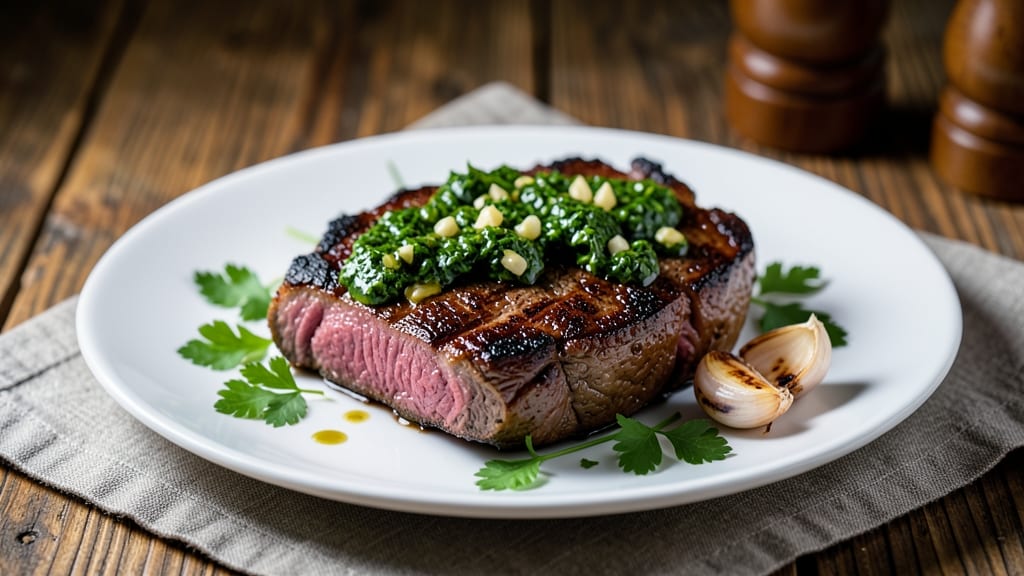
This Argentinian skirt steak with chimichurri sauce recipe transforms a simple protein into a restaurant-quality centerpiece that demands seconds. The secret lies in high-heat searing paired with a vibrant, herb-packed sauce that cuts through the richness—creating a balance that feels both bold and refined.
I've perfected this technique after years of testing, ensuring tender, juicy meat every time without overcomplicating the process.
What sets this recipe apart is the chimichurri sauce, a bright green blend of parsley, garlic, and red wine vinegar that brightens each bite. While many versions rely on heavy cream, this traditional method keeps the sauce light yet deeply flavorful.
The steak itself benefits from a simple marinade that tenderizes without overpowering the natural beef flavor, followed by a quick sear on a screaming-hot grill or cast-iron skillet.
By the time you're done, you'll have perfectly caramelized edges and a tender interior, all coated in that signature herby chimichurri. The sauce doesn't just sit on top—it penetrates the meat, creating a harmonious marriage of textures and flavors.
This dish works as a standalone main or pairs beautifully with grilled vegetables, chimichurri roasted potatoes, or a crisp arugula salad.
The best part? This recipe delivers authentic Argentinean flavor without requiring specialty equipment. Whether you're hosting a dinner party or treating yourself to a special weeknight meal, this combination of techniques and ingredients will elevate your cooking game. Let's get started with the full step-by-step process.
Ingredients for argentinian skirt steak with chimichurri sauce
The perfect balance of bold, herb-infused flavors and restaurant-quality seared beef—just twelve ingredients transform ordinary steak into an extraordinary centerpiece.
| Ingredient | Amount | Notes |
|---|---|---|
| Skirt Steak 🥩 | 1 ½ lb | Grass-fed preferred, 1-inch thick |
| Fresh Flat-Leaf Parsley 🌿 | 1 ½ cups | Stems removed, tightly packed |
| Garlic Cloves 🧄 | 8 cloves | Fresh, peeled, roughly chopped |
| Red Wine Vinegar 🍷 | ½ cup | Dry, bold variety preferred |
| Extra-Virgin Olive Oil 🫒 | ¾ cup | High-quality, fruity variety |
| Kosher Salt 🧂 | 1 ½ tbsp | Diamond Crystal preferred |
| Ground Black Pepper 🌶️ | 1 tsp | Freshly ground for best flavor |
| Red Pepper Flakes 🌶️ | ½ tsp | Optional, for heat adjustment |
| Red Wine 🍷 | ¼ cup | Bold, dry variety for marinade |
| Fresh Oregano 🌿 | 2 tbsp | Or 1 tsp dried oregano |
| Lemon Juice 🍋 | 1 tbsp | Freshly squeezed |
| Cornstarch 🌾 | 1 tbsp | For dusting steak |
The skirt steak is the star, and quality matters here. Grass-fed cuts from a trusted butcher deliver superior flavor, though conventional skirt steak works perfectly fine. Look for a 1-inch thick cut—thinner slices risk overcooking. I source mine from D'Artagnan when I'm feeling indulgent, but most grocery stores carry it in the meat case. If you can't find skirt steak, flank steak is a suitable substitute, though it has a slightly different texture. Let the steak sit at room temperature for 30 minutes before cooking to ensure even searing—this is non-negotiable for perfect results.
The chimichurri sauce relies on fresh herbs, so don't skimp. Fresh parsley should be vibrant green with no yellowing, and the stems should snap crisply. For the garlic, roasted cloves add a subtle sweetness, but raw works just as well. No red wine vinegar? Balsamic vinegar at half the amount works in a pinch, though it'll lack the bright acidity. The olive oil should be extra-virgin—anything less will taste bitter. If you're sensitive to heat, reduce the red pepper flakes to ¼ tsp or omit entirely. The marinade's red wine can be swapped for beef broth if you prefer a non-alcoholic version, though it'll lack depth.
Prep the steak 24 hours ahead if possible—the marinade works magic overnight. Store it in a sealed container in the fridge, turning occasionally. The chimichurri sauce keeps for 3 days in an airtight jar submerged in olive oil, but it's best used fresh. For leftovers, reheat the steak gently in a skillet over medium heat, then drizzle with fresh chimichurri. The sauce also freezes beautifully for up to 3 months—portion it into ice cube trays for easy use. When grilling, let the steak rest for 10 minutes after cooking to redistribute juices—this is the secret to keeping it tender.
Why You'll Love This Recipe
- Let’s be real: most steak leftovers end up in the trash. Not this one. Slice the steak thin, toss it with extra chimichurri, and you’ve got a killer sandwich filling or a quick stir-fry the next day. The sauce actually improves overnight—trust me, I’ve tested it.
- Fewer Ingredients, Bigger Bang: I swear by this recipe because it’s that simple—just five core things: the steak, fresh parsley, garlic, vinegar, and olive oil. No fancy gadgets, no hidden pantry staples. The chimichurri comes together in minutes with whatever’s already in your fridge, and the steak? One side of the grill or a screaming-hot pan does the trick.
- Herb Bomb Every Time: That bright green chimichurri—all parsley, garlic, and vinegar—cuts through the richness of the steak like a knife. Here’s what sold me: the first bite is herby but not overpowering, with just enough tang to wake up your taste buds. (Yes, even on a Tuesday night.)
- Leftovers That Don’t Suck: Let’s be real: most steak leftovers end up in the trash. Not this one. Slice the steak thin, toss it with extra chimichurri, and you’ve got a killer sandwich filling or a quick stir-fry the next day. The sauce actually improves overnight—trust me, I’ve tested it.
Step-by-step instructions for Argentinian skirt steak with chimichurri
Master this classic preparation for perfectly seared steak and vibrant chimichurri that brightens every bite.
Prepare the Skirt Steak for Cooking
Remove the 1.5 lb skirt steak from the refrigerator and pat it completely dry with paper towels. This step is critical for achieving maximum sear and crispy edges. Using a sharp knife, make several shallow cuts across the thickest parts of the steak—this prevents curling during cooking and ensures even doneness.
In a small bowl, combine 1 tbsp cornstarch with 1.5 tbsp kosher salt and 1 tsp ground black pepper. Lightly dust the steak on both sides with this mixture, pressing gently to adhere. The cornstarch creates a light crust that promotes caramelization while the salt enhances flavor penetration. Let the seasoned steak sit at room temperature for 30 minutes before cooking to ensure even heat distribution throughout the meat.
Cook the Skirt Steak to Perfection
Heat a cast-iron skillet over high heat until it's extremely hot—you should see a thin layer of smoke when you sprinkle a few drops of water. Add the steak and cook undisturbed for 3-4 minutes until a deep brown crust forms. This initial sear locks in juices and creates that signature Argentinian flavor.
Flip the steak and cook for another 2-3 minutes on the second side, depending on your preferred doneness. For medium-rare, aim for an internal temperature of 130-135°F using an instant-read thermometer. The steak is ready when it releases easily from the pan and has a beautiful crust. Transfer to a cutting board and let it rest for 5 minutes before slicing—this crucial step allows juices to redistribute throughout the meat.
Prepare the Chimichurri Sauce
In a food processor, combine 1.5 cups fresh flat-leaf parsley, 8 cloves garlic, 2 tbsp fresh oregano, 0.5 tsp red pepper flakes, 1 tbsp lemon juice, and 0.25 cup red wine. Pulse until finely chopped but not completely pureed—you want texture in your sauce. With the processor running, slowly drizzle in 0.75 cup extra-virgin olive oil while scraping down the sides as needed.
Transfer the mixture to a bowl and stir in 0.5 cup red wine vinegar. Taste and adjust seasoning with additional salt if needed. The chimichurri should be vibrant green, tangy, and herby with a slight kick from the red pepper flakes. If the sauce is too thick, add 1-2 tablespoons water to reach your desired consistency. This sauce pairs perfectly with the rich, beefy flavor of the skirt steak.
Slice and Serve with Chimichurri
Against the grain, slice the rested steak into ¼-inch thick strips. The grain runs diagonally across the steak, so cutting against it shortens the muscle fibers for maximum tenderness. Arrange the slices on a warm platter and drizzle generously with the chimichurri sauce. The bright acidity of the chimichurri cuts through the richness of the steak, creating a perfect balance of flavors.
Serve immediately with additional chimichurri on the side for dipping. The combination of perfectly seared steak and vibrant chimichurri makes this dish a standout for any occasion. For an even more authentic presentation, serve with crusty bread or a simple green salad to complement the robust flavors.
Pro Tips For Making Argentinian Skirt Steak With Chimichurri Sauce
- SEAR IT FAST: Skirt steak needs a screaming-hot pan—cast iron or stainless steel—just 2-3 minutes per side max. I used to linger, and the meat turned tough; high heat seals the juices while keeping the texture tender. Add oil at the last second so it doesn’t pool and steam the meat.
- SALT THE GARLIC: Crush the garlic cloves with a pinch of salt before blending into the chimichurri. This prevents the sauce from tasting raw and sharpens the flavor. My grandmother swore by it, and it actually makes the vinegar taste balanced instead of harsh.
- DON’T OVERCHOP PARSLEY: Stack the flat-leaf parsley leaves and roll tightly, then slice thinly with a sharp knife. This keeps the stems intact and avoids a bitter, watery chimichurri. I learned this the hard way—overchopping turns the sauce into parsley soup.
- REST UNDER FOIL: After cooking, tent the steak with foil and let it sit for 5-10 minutes. This traps heat and keeps it juicy while you finish the chimichurri. Skipping this step means dry, stringy meat—trust me, it’s not worth the rush.
Pro cooking tips for great argentinian skirt steak with chimichurri sauce
High-Heat Searing Secrets
For that signature Argentinian crust, your pan needs to be screaming hot—think smoke when you add water. I use a cast-iron skillet preheated for 5-7 minutes on high. The key? Never move the steak during those first 3-4 minutes—disturbing it steals from your crust.
A Meater thermometer is my secret weapon to confirm 500°F+ pan temps before adding the steak. 🔥
Marinade Timing Matters
While the marinade enhances flavor, over-marinating skirt steak (beyond 4 hours) can make it mushy. I marinate mine overnight in the fridge, but I always remove it 30 minutes before cooking to let the surface dry slightly.
This ensures a better sear. Pro tip: Use a ziplock bag for even coating—just poke holes to prevent bacterial growth. 🌟
Chimichurri Texture Tricks
The perfect chimichurri has visible herby chunks, not a paste. Pulse your food processor in short bursts (3-4 seconds each) to avoid over-blending. For extra brightness, I add 1 tsp honey to the final mix—it balances the acidity beautifully.
Store leftovers submerged in olive oil in the fridge to preserve freshness. 💚
Resting Like a Pro
Skipping the rest is the #1 mistake—juices need 5-10 minutes to redistribute. I cover the steak loosely with foil and place it on a wire rack (not directly on the cutting board) to prevent sogginess. For extra-tender results, tent with foil and let it rest on a warm plate. 💡
Slicing Against the Grain
The grain in skirt steak runs diagonally, so slice perpendicular to those lines for maximum tenderness. Use a sharp chef's knife and cut ¼-inch thick strips. A Dexter Russell slicing knife makes this effortless—its thin blade glides through the meat like butter. 🔪
Heat Control for Chimichurri
Never boil chimichurri—heat it gently (if reheating) to preserve its vibrant color and fresh flavors. I warm mine in a small saucepan over low heat for 2-3 minutes, stirring constantly.
For extra depth, add a splash of warm red wine while reheating. This keeps the sauce bright and herbaceous, not dull. 🌶️
Nutrition facts
Frequently asked questions
What's the best way to tell when skirt steak is done?
Use an instant-read thermometer for precision: 125°F for rare, 130-135°F for medium-rare (recommended), or 140°F for medium. The steak should feel slightly springy when pressed and have a deep crust. Never rely on color alone—skirt steak's thickness makes visual cues unreliable.
Can I make chimichurri ahead of time?
Yes, but store it properly! Make the sauce 1 day ahead and keep it submerged in extra-virgin olive oil in the fridge. The oil preserves freshness and prevents browning. For best flavor, use within 3 days. If storing longer, freeze in ice cube trays—thaw overnight in the fridge before using.
What if my skirt steak curls while cooking?
This happens when the steak isn't cut properly. Before cooking, make ¼-inch deep cuts across the thickest parts at a 45-degree angle—this prevents curling. Also ensure your pan is hot enough (smoking when water hits) and don't overcrowd. A heavy cast-iron skillet helps maintain even heat distribution.
How do I adjust this recipe for a grill?
Preheat your grill to 450-500°F with direct high heat. Sear the steak for 3-4 minutes per side (no peeking!), then move to indirect heat if needed to finish cooking. For charcoal grills, use two zones—sear over hot coals, then move to cooler side. Brush with chimichurri after cooking for extra flavor.
What are the best sides for this dish?
Classic Argentinean pairings include grilled asparagus with lemon, chimichurri roasted potatoes, or a simple arugula salad with red onion and olive oil. For heartier meals, try provoleta cheese (grilled provolone) or empanadas. The bright acidity of chimichurri complements all these options beautifully.