
Sauces & Condiments
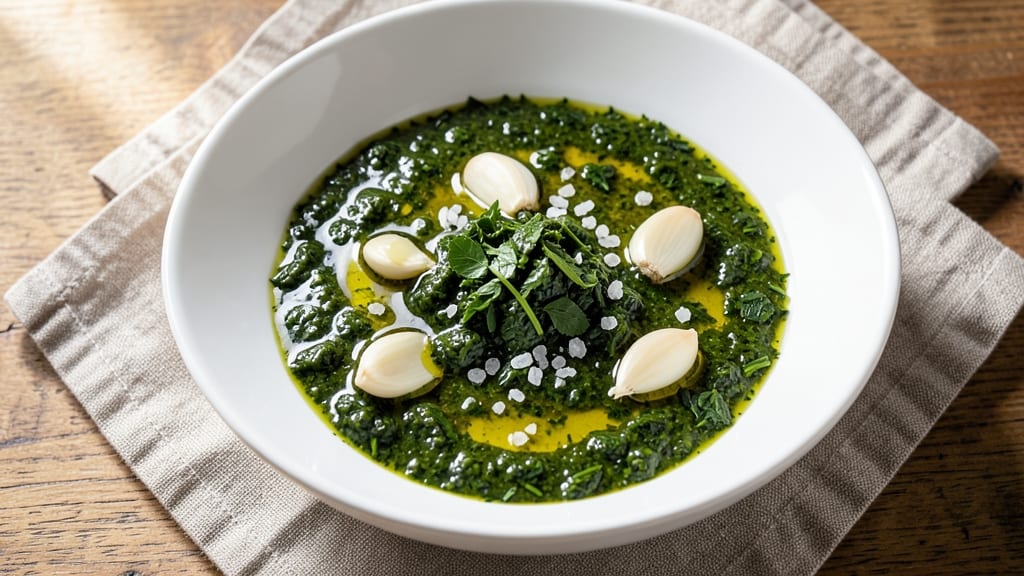
This Argentinian chimichurri sauce recipe transforms simple pantry staples into a vibrant, herb-packed companion for grilled meats. The secret lies in finely mincing fresh parsley and oregano by hand, releasing their oils into high-quality olive oil for an intense, bright flavor profile that clings perfectly to charred surfaces.
I developed this version after years of testing—balancing acidity, texture, and freshness to create a sauce that's both restaurant-worthy and foolproof at home.
The beauty of chimichurri is its simplicity: just six ingredients combine to create a sauce that's equal parts fresh and bold. Unlike heavier creamy sauces, this version relies on the natural oils of herbs and garlic, making it light yet deeply flavorful.
The key technique is letting the mixture rest for at least 30 minutes before serving, allowing the flavors to meld into a cohesive, aromatic blend that enhances rather than overpowers your protein.
What you'll achieve is a sauce with vibrant green color, tangy depth from red wine vinegar, and a texture that's neither too thick nor too runny—ideal for drizzling over grilled steaks, skewered meats, or even as a dip for crusty bread.
The herbs maintain their brightness while the garlic adds subtle warmth, creating a perfect balance that pairs beautifully with the smoky flavors of Argentine asado.
Make a batch ahead and store it in the refrigerator for up to 5 days, or freeze for longer storage. The flavors actually improve with time, making this the perfect sauce to have on hand whenever you're grilling.
Let's create this versatile, herb-infused masterpiece that will elevate every bite of your meal.
Ingredients for argentinian sauce
Six simple ingredients transform into vibrant chimichurri—bright, tangy, and perfect for grilled meats.
| Ingredient | Amount | Notes |
|---|---|---|
| Fresh Parsley Leaves 🌿 | 1 ½ cups | Flat-leaf preferred, stems removed |
| Fresh Oregano Leaves 🌿 | ½ cup | Argentinian oregano if available |
| Garlic Cloves 🧄 | 6 cloves | Peeled, roughly chopped |
| Red Wine Vinegar 🍷 | ¼ cup | Dry, not sweet |
| Extra-Virgin Olive Oil 🫒 | 1 cup | High quality, fruity |
| Kosher Salt 🧂 | 1 tsp | Diamond Crystal preferred |
| Ground Black Pepper 🌶️ | ½ tsp | Freshly ground |
The herbs make or break this sauce. Fresh parsley and oregano are non-negotiable—dried just won’t cut it. Hit the farmers market for the best leaves (they should smell fresh, not wilted), or grab the pre-washed bunch at Whole Foods if you're short on time. For oregano, Argentinian or Mexican varieties have that distinct earthy kick, but Italian works in a pinch. The garlic? Six cloves is the magic number—don’t skimp. Toast them lightly in olive oil first if you want extra depth (trust me, it’s worth the extra minute).
No red wine vinegar? White wine vinegar or apple cider vinegar work, but the flavor won’t be quite the same. Short on parsley? Cilantro at half the amount adds a different but still bright note. The olive oil is where the magic happens—use something fruity and high-quality. That cheap stuff in the clear bottle? Not here. If you’re worried about the sauce being too thick, add a splash more vinegar. Too thin? A quick pulse in the food processor brings it together perfectly. And yes, you can make this ahead—flavors actually meld better after sitting for a few hours.
This keeps beautifully in the fridge for up to 5 days, though I recommend using it within 3 for peak freshness. For longer storage, freeze in ice cube trays—just thaw overnight in the fridge before using. The sauce will separate slightly when refrigerated, but give it a good stir before serving. If you make a big batch, divide it into small jars so you always have chimichurri on hand for spontaneous grilling sessions. Pro tip: Drizzle it over grilled meats while they’re still sizzling hot—it’ll cling like a dream.
Why You'll Love This Recipe
- No-Chop Nightmare: I swear by this sauce because it’s the only one where I actually enjoy chopping herbs—just a quick snip of parsley and oregano, a couple of garlic cloves, and boom. The prep is over before the kids ask for a snack. (Yes, even on a Tuesday night.)
- Herb-Packed Punch: That bright red wine vinegar cut with olive oil and crushed garlic? It’s like a flavor grenade—bright, herby, and just a little tangy. Drizzle it over grilled meats or roasted veggies, and suddenly everything tastes like a bustling Buenos Aires street corner.
- Pantry Stretch Star: Between us, this sauce is my budget hack for making simple meals feel fancy. A splash of vinegar, a glug of olive oil, and a handful of herbs turn cheap chicken thighs or store-brand pasta into something that’ll fool your dinner guests. (They’ll never know it’s basically a fancy salad dressing.)
- Make-Ahead Magic: Honestly, I make a big batch and keep it in the fridge for weeks—it’s the only sauce that doesn’t turn sad or watery. Use it on tacos, toss it with potatoes, or drizzle it over eggs. It’s my secret weapon for lazy mornings and last-minute dinner saves.
Step-by-step instructions for Argentinian chimichurri sauce
Here's how to make this vibrant, herb-packed sauce that transforms grilled meats into something extraordinary.
Prepare the Herb Mixture
In a large bowl, combine the 1.5 cups fresh parsley leaves and 0.5 cup fresh oregano leaves. I like to use my hands to gently crush the leaves between my fingers—this releases their essential oils and ensures maximum flavor infusion. You'll see the herbs soften slightly and release their vibrant green color. This step is crucial because it breaks down the cell walls, making the herbs more aromatic and easier to blend later.
Add the 6 cloves peeled, roughly chopped garlic cloves to the herbs. The garlic should be chopped into small pieces, about ¼-inch in size. This size allows the garlic to infuse flavor without becoming overpowering. Give everything a quick mix with your hands or a fork to distribute the garlic evenly throughout the herbs. This is where the real magic begins—the combination of parsley, oregano, and garlic creates that signature chimichurri flavor profile.
Add Vinegar and Salt
Pour in the 0.25 cup red wine vinegar and 1 teaspoon kosher salt to the herb mixture. The vinegar will start to wilt the herbs slightly as it draws out moisture, creating a more concentrated flavor base. Stir everything together thoroughly with a wooden spoon or your hands, making sure the vinegar is evenly distributed. You'll notice the mixture becomes more cohesive and starts to take on a paste-like consistency.
Here's the thing—don't rush this step. Let the mixture sit for 5 minutes while you prepare the next component. This brief resting period allows the vinegar to fully penetrate the herbs and garlic, enhancing their flavors. You'll see the mixture darken slightly and become even more fragrant. This is the foundation of your chimichurri, so take your time to get it right.
Gradually Incorporate the Olive Oil
Now, slowly drizzle in the 1 cup extra-virgin olive oil while continuing to stir. I like to add it gradually—about 2 tablespoons at a time
As you add the oil, you'll see the mixture transform from a wilted herb pile to a vibrant green sauce. Keep stirring until all the oil is incorporated and the sauce is smooth. This step is critical because the olive oil carries the flavors and creates that signature chimichurri texture. If the sauce seems too thick, add a splash of water or vinegar to loosen it. If it's too thin, let it sit for a few minutes—the herbs will continue to release moisture and thicken the sauce naturally. Add the 0.5 teaspoon freshly ground black pepper to the mixture and stir well to combine. Taste the sauce and adjust the seasoning if needed. You might want to add a pinch more salt or a splash of vinegar to balance the flavors. The sauce should be bright, tangy, and herbaceous with a slight peppery kick. Cover the bowl with plastic wrap and let the chimichurri rest at room temperature for at least 30 minutes. This resting period allows the flavors to meld and deepen. I often make it a day ahead—it actually tastes even better after resting overnight in the refrigerator. The herbs continue to infuse the oil, and the flavors become more complex and harmonious. This is the secret to an exceptional chimichurri.Season and Rest the Sauce
Pro Tips For Making Argentinian Sauce
- Pulse the Herbs: Pound the parsley and oregano with the garlic in a mortar (or just a heavy-bottomed bowl with a mug) until they release their oils—this makes the sauce taste deeper than just chopping. I used to skip this, and the flavor was always flat until I tried it.
- Bloom the Garlic: Sauté the minced garlic in olive oil over low heat until it’s golden, not brown—burnt garlic turns bitter and overpowers the bright acidity of the vinegar. I learned this the hard way after making a batch that tasted like a chemistry experiment.
- Strain for Smoothness: If you want a silky sauce, strain it through a fine-mesh sieve after cooking—no one likes chewing herbs. But if you prefer texture, just chop the herbs finer before adding them. (Yes, even if you’re impatient like me.)
- Balance the Vinegar: Start with half the vinegar called for, taste, then add the rest—red wine vinegar’s sharpness can sneak up on you. My grandmother swore by this, and she was right: the sauce should taste bright, not like you’re pickling your food.
Perfect pairings for this dish
Grilled Meat Pairings
This chimichurri is a must-have for Argentine-style grilled meats like skirt steak, flank steak, or chorizo sausages. I always drizzle it over freshly grilled bife de chorizo (sirloin) or entraña (short ribs) for that authentic asado experience.
The sauce clings beautifully to charred surfaces, adding a bright, herby contrast to the smoky flavors. For extra drama, serve it with provoleta (grilled provolone cheese) on the side—it soaks up the chimichurri like a dream. 🔥
Empanadas & Pan Breading
Use chimichurri as a dipping sauce for empanadas, especially carne empanadas (beef) or pollo empanadas (chicken). The tangy herbs cut through the flaky pastry and rich filling perfectly.
I also love brushing it on pan-breaded meats like milanesas (Argentine breaded cutlets) before grilling—the oil in the sauce helps create a crispy crust while adding flavor. For a quick appetizer, serve with provoleta sticks or grilled calamari.
Cheese & Charcuterie Boards
Chimichurri elevates any cheese board with its vibrant color and bright acidity. Pair it with manchego cheese, queso azul, or mozzarella di bufala for a Mediterranean twist. I also include provolone, parmesan, and fresh figs to balance the herby notes.
For a meaty touch, add dulce de leche-drizzled prosciutto or smoked salami. The sauce adds a refreshing pop that cleanses the palate between rich bites. 🧀
Pasta & Grain Bowls
Toss chimichurri with grilled penne, farro salad, or quinoa bowls for a quick, flavorful meal. I love pairing it with grilled shrimp skewers over couscous or roasted potatoes for a hearty dish.
The sauce’s acidity brightens up earthy grains and creamy pastas, making it a versatile addition to any bowl. For extra protein, add grilled chicken or black beans to round out the meal.
Beverage Pairings
For a classic Argentine pairing, serve chimichurri with Malbec wine—its bold, fruity notes complement the herby sauce beautifully. A crisp Torrontés white wine also works wonders, especially with lighter meats like grilled fish or chicken.
For beer lovers, a lager like Quilmes or Amber Ale balances the sauce’s brightness. If you prefer cocktails, try a Fernet with Coke—the herbal notes mirror the chimichurri’s flavors perfectly. 🍷
Nutrition facts
Frequently asked questions
Can I make chimichurri without fresh herbs?
Fresh herbs are essential for authentic chimichurri, but if you're in a pinch, you can use dried parsley and oregano at half the amount (about ¼ cup total). However, the flavor won't be as vibrant or aromatic. For the best results, always use fresh ingredients—especially parsley, which gives chimichurri its signature bright green color and fresh taste.
How do I adjust chimichurri for spicier flavors?
Add ½ teaspoon of red pepper flakes or a finely minced jalapeño to the herb mixture before adding vinegar. For a smoky kick, toast ½ teaspoon smoked paprika in the olive oil before drizzling it in. Start with small amounts—chimichurri's natural brightness can be easily overpowered by too much heat.
Why does my chimichurri separate when refrigerated?
This is completely normal! The herbs settle to the bottom while the oil rises. Just give it a good stir before using—it should come back together perfectly. For extra insurance, pulse the mixture briefly in a food processor after resting. The texture will be consistent again, and you won't lose any flavor.
Can I use chimichurri on non-meat dishes?
This versatile sauce works beautifully with grilled vegetables, polenta, crusty bread, or even as a marinade for tofu or mushrooms. The acidity and herbs cut through rich flavors while adding freshness to vegetarian meals. Try it on roasted eggplant or as a dip for fresh mozzarella for a surprising twist.
How do I store chimichurri for maximum freshness?
Keep it in an airtight container in the fridge for up to 5 days, or freeze in ice cube trays for longer storage (up to 3 months). Thaw frozen portions overnight in the fridge. The flavors actually improve with time, so making a batch ahead is a great idea. If the oil separates, just stir it back together before using.