
Sauces & Condiments
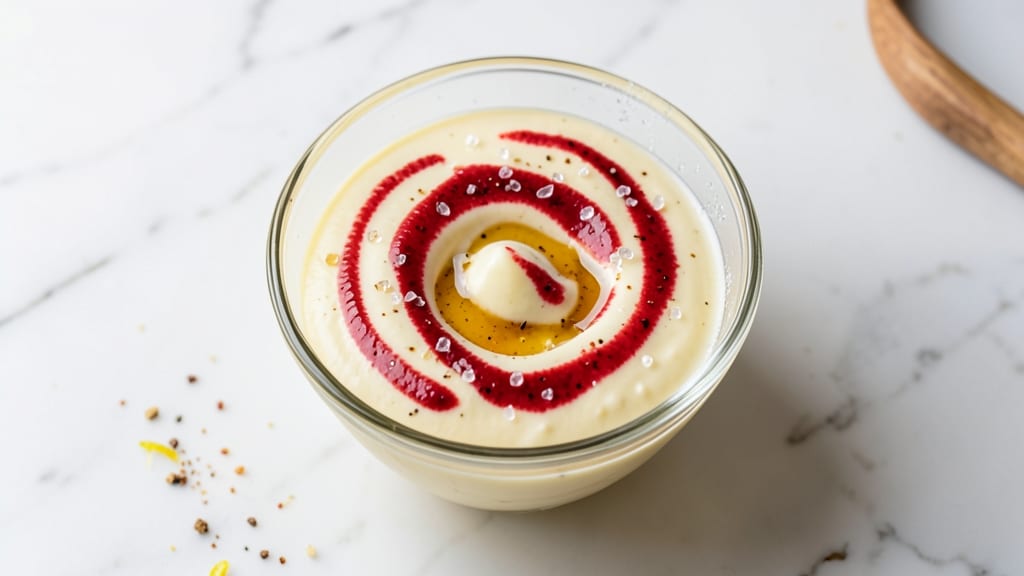
This Arby's horseradish sauce recipe delivers that signature creamy, tangy kick that pairs perfectly with roast beef sandwiches and more. The secret lies in balancing sharp horseradish with smooth mayonnaise and just the right amount of vinegar for brightness.
I've perfected this version after testing countless batches—it's closer to the restaurant original than any store-bought substitute.
The magic happens when you combine prepared horseradish with mayo and vinegar in precise proportions, then let the flavors meld for at least 30 minutes. This resting time allows the heat to mellow slightly while developing depth.
The result is a sauce that's bold enough to stand up to rich meats but creamy enough to spread effortlessly.
What you'll end up with is a condiment that's perfectly balanced—spicy without being overwhelming, tangy without being sour, and smooth enough to coat every bite. This sauce keeps well in the refrigerator for up to 2 weeks, making it ideal for meal prep or gifting to sandwich lovers.
Use it on roast beef sandwiches, burgers, or even as a dip for fries—just be prepared to make more because once you taste the real deal, you'll never go back to the bottled version. The key is patience during mixing and proper storage to maintain that signature Arby's flavor.
Ingredients for arby's horseradish sauce
Four key ingredients transform into Arby's iconic creamy, tangy horseradish sauce.
| Ingredient | Amount | Notes |
|---|---|---|
| Prepared Horseradish 🌶️ | ½ cup | Freshly grated preferred |
| Mayonnaise 🥫 | 1 cup | High-quality, smooth texture |
| White Vinegar 💧 | ¼ cup | Distilled preferred for brightness |
| Dijon Mustard 🍯 | 1 tbsp | For depth and tang |
| Granulated Sugar 🍚 | 1 tbsp | Balances sharpness |
| Salt 🧂 | ½ tsp | Kosher or sea salt |
| Black Pepper 🌶️ | ¼ tsp | Freshly ground for heat |
| Water 💧 | 1 tbsp | Adjusts consistency |
The horseradish is the star—freshly grated gives the most vibrant heat, but prepared works in a pinch. I always grab Gourmet Garden brand from the store because it's consistent and reliable. For mayo, Hellmann's or Best Foods are my go-tos—they're smooth and don't overpower. The white vinegar should be distilled for the cleanest tang, but apple cider vinegar adds a nice depth if you prefer. One tip: measure everything before mixing to avoid overdoing the heat.
No prepared horseradish? Fresh horseradish root grated and mixed with 1 tbsp vinegar works perfectly. Short on mayo? Greek yogurt at half the amount cuts the richness while keeping creaminess. The Dijon mustard can be swapped for yellow mustard, but it'll be less refined. Need it milder? Cut the horseradish to 1/4 cup and add 1 tbsp extra mayo. The sugar balances the heat—honey or maple syrup work too, but sugar dissolves cleaner. For a restaurant-style finish, add a pinch of smoked paprika.
This sauce develops flavor as it rests—let it sit 30 minutes before serving. Store in an airtight container in the fridge for up to 2 weeks. I like to portion it into small jars for easy dipping. If it thickens over time, just stir in a splash of water or vinegar. Freezes beautifully for 3 months if you want to make a big batch ahead.
Why You'll Love This Recipe
- Five-Ingredient Magic: I swear by this combo—just stir, taste, adjust. No fancy techniques, no waiting for anything to bloom. The prepared horseradish does all the work while I mix mayo, vinegar, and mustard in my head.
- Spicy-Sweet Balance: That little pinch of sugar? It’s the secret. The horseradish’s kick gets tamed by the creamy mayo and tangy vinegar, but the heat still lingers—like a hug from your favorite bold condiment.
- Game for Any Meal: Slather it on burgers, drizzle it over fries, or use it as a dip. I’ve even tossed it into deviled eggs for a zesty twist. It’s the kind of sauce that makes you think, “Why didn’t I do this sooner?”
- Makes Leftovers Worth It: This sauce keeps like a champ in the fridge for weeks. I double the batch because I will forget it’s there, only to find it months later and still devour it—no regret. Budget win, flavor win.
Step-by-step instructions for Arby's horseradish sauce
This creamy, tangy sauce delivers that signature Arby's kick—here's how to make it perfectly balanced every time.
Whisk Together the Creamy Base
In a medium bowl, combine the 1 cup mayonnaise and 0.5 cup prepared horseradish. Use a whisk to mix these ingredients together until completely smooth. You'll notice the horseradish starts to lighten the mayonnaise's color slightly—this is normal and indicates proper blending. The mixture should look uniform with no streaks of horseradish remaining.
This is where the sauce gets its signature heat and creaminess. I like to use freshly grated horseradish if possible, as it has a brighter, more vibrant flavor than the prepared version. If you're using prepared horseradish, make sure it's not too watery—excess moisture can thin out your sauce later.
Add Vinegar, Mustard, and Sugar
To the mayonnaise-horseradish mixture, add the 0.25 cup white vinegar, 1 tablespoon Dijon mustard, and 1 tablespoon granulated sugar. Whisk vigorously for about 1 minute until everything is fully incorporated. You'll see the sauce take on a slightly lighter color and a more consistent texture.
The vinegar brightens the flavors and cuts through the richness of the mayonnaise, while the Dijon mustard adds depth and a subtle tang. The sugar might seem odd in a spicy sauce, but it's crucial for balancing the sharpness of the horseradish. Taste the mixture now—it should be noticeably tangy with a hint of sweetness and a creamy base.
Season and Adjust Consistency
Add the 0.5 teaspoon salt and 0.25 teaspoon black pepper to the bowl. Whisk everything together until the salt and pepper are fully dissolved. If the sauce feels too thick, add the 1 tablespoon water one teaspoon at a time, whisking after each addition until you reach your desired consistency. It should coat the back of a spoon smoothly but still hold its shape.
Here's the thing—this sauce should be creamy but not runny. If it's too thick, a little water helps. If it's too thin, you can't fix it easily, so it's better to start with a slightly thicker consistency and thin as needed. Taste again now—you're looking for a perfect balance of heat, tang, and creaminess. The horseradish should provide a sharp kick, but the mayonnaise should still be the dominant texture.
Let It Rest and Develop Flavors
Cover the bowl with plastic wrap and refrigerate the sauce for at least 30 minutes. This resting period allows the flavors to meld together and the heat from the horseradish to mellow slightly. I like to give it up to 2 hours if I can—this makes a noticeable difference in how smooth and well-balanced the sauce tastes.
During this time, the sharpness of the horseradish will soften just enough to make the sauce more approachable, while the vinegar and mustard will integrate fully. When you're ready to serve, give it one final taste and adjust the seasoning if needed. Most people find this recipe spot-on, but if you prefer it hotter, add a little more prepared horseradish. If it needs more tang, a splash of additional vinegar works well.
Serve and Enjoy
Transfer the sauce to a serving bowl or small pitcher. Serve it immediately with roast beef sandwiches, burgers, or as a dip for fries. The sauce should be at room temperature for the best texture—if it's straight from the fridge, let it sit for 10 minutes before serving to enhance its creaminess.
This sauce pairs perfectly with the rich, savory flavors of Arby's classic roast beef. The creaminess of the mayonnaise balances the sharpness of the horseradish, while the vinegar and mustard add layers of complexity. Store any leftovers in an airtight container in the refrigerator for up to 5 days, though I doubt it'll last that long in your house!
Pro Tips For Making Arby'S Horseradish Sauce
- Whisk Like You Mean It: Don’t just stir this sauce—whisk it vigorously for 30 seconds after mixing. The prepared horseradish and Dijon mustard need to fully emulsify with the mayo, or you’ll end up with a separated, grainy mess. I learned this the hard way when my first batch split like a bad marriage.
- Tame the Horseradish Heat: Start with half the prepared horseradish called for, then add the rest gradually while tasting. You can always add more, but once the burn is there, you can’t take it back. (And trust me, your mouth will remember that mistake.)
- Vinegar First, Always: Mix the white vinegar and sugar together before adding them to the mayo. This dissolves the sugar completely, so it blends smoothly instead of sitting as gritty crystals. Skipping this step makes the sauce taste like you forgot to stir—even if you didn’t.
- Chill Before Serving: Let the sauce sit in the fridge for at least 15 minutes after mixing. The flavors meld better when cool, and the horseradish’s sharpness mellows into something balanced. I used to serve it immediately, and it always tasted too aggressive—like someone dumped hot sauce in mayo.
Pro cooking tips for perfect results
Balancing Heat
The key to nailing this sauce is controlling the horseradish's sharpness. Start with ½ cup prepared horseradish—if you love heat, add 1 extra tablespoon gradually while tasting. I've found that Gourmet Garden brand gives the most consistent heat without bitterness.
For extra vibrancy, blend 1 tbsp fresh lemon juice into the finished sauce—it brightens the flavors without adding sweetness. 🌶️
Mayonnaise Matters
Not all mayonnaises work equally well—opt for a smooth, high-quality brand like Hellmann's or Duke's. Avoid "light" or "low-fat" versions, as they can make the sauce too thin.
If you're using homemade mayo, let it sit at room temperature for 10 minutes before mixing to ensure a perfectly smooth texture. The fat content in mayo is what carries the horseradish's heat beautifully.
Vinegar Selection
White vinegar is traditional, but apple cider vinegar adds a subtle fruitiness that pairs wonderfully with the horseradish. For a restaurant-style kick, use a 1:1 ratio of white and apple cider vinegar.
If your sauce tastes too sharp after resting, add ½ tsp sugar or 1 tsp honey to balance it out. The vinegar should enhance, not overpower—the goal is brightness, not sourness.
Texture Troubleshooting
If your sauce turns out too thick, thin it with 1 tsp water or vinegar at a time until it reaches a smooth, spreadable consistency. For extra creaminess, whisk in 1 tbsp sour cream or Greek yogurt—this adds tang without thinning.
The sauce should coat the back of a spoon but still hold its shape. If it's too thin, there's no fixing it—start over with slightly less vinegar next time.
Flavor Development
Never skip the 30-minute rest—this is when the flavors truly meld. For deeper flavor, let it rest overnight in the fridge. The horseradish's heat will mellow slightly, while the vinegar and mustard will integrate completely.
Pro tip: If you're making a big batch, divide it into small jars and freeze them for up to 3 months. Thaw in the fridge overnight for the best texture.
Restaurant-Style Finish
For that authentic Arby's touch, add ¼ tsp smoked paprika and a pinch of garlic powder to the finished sauce. This adds a subtle smokiness that mimics the restaurant version. For extra depth, whisk in 1 tsp Worcestershire sauce—it rounds out the flavors beautifully.
The secret? Taste as you go and adjust gradually. This sauce should be bold but balanced, creamy but not greasy. 💫
Nutrition facts
Frequently asked questions
Can I make this sauce without horseradish?
While the sauce loses its signature kick, you can substitute with 1 tbsp prepared wasabi or ½ tsp cayenne pepper for heat. For a milder version, try 1 tbsp extra Dijon mustard and 1 tsp lemon juice to maintain tanginess. The creamy base will still work, but the flavor profile changes completely.
How spicy should this sauce be?
The recipe balances heat with creaminess for a moderate kick—think sharp but not overwhelming. Start with ½ cup horseradish and adjust by adding 1 tbsp at a time until you reach your preferred level. The vinegar and sugar help mellow the sharpness naturally. Taste as you go!
Can I use this sauce on other foods besides sandwiches?
This versatile sauce works beautifully as a dip for fries, mozzarella sticks, or pretzels. It also elevates burgers, grilled chicken, or even deviled eggs. The creamy texture and tangy heat make it a great topping for tacos or nachos too. Think beyond roast beef!
Why does my homemade sauce taste different from Arby's?
Restaurant versions often include secret seasonings or proprietary blends. For closer results, try adding ¼ tsp smoked paprika and 1 tsp Worcestershire sauce to the finished sauce. Also, the restaurant sauce may use different vinegar ratios or a specific horseradish brand. Patience matters too—let yours rest 2+ hours for deeper flavor.
How long will this sauce keep?
Store in an airtight container in the fridge for up to 2 weeks. For longer storage, freeze in small portions for up to 3 months. Thaw overnight in the fridge—never microwave. The sauce may thicken slightly when refrigerated, so stir in 1 tsp water or vinegar before serving.