
Sauces & Condiments
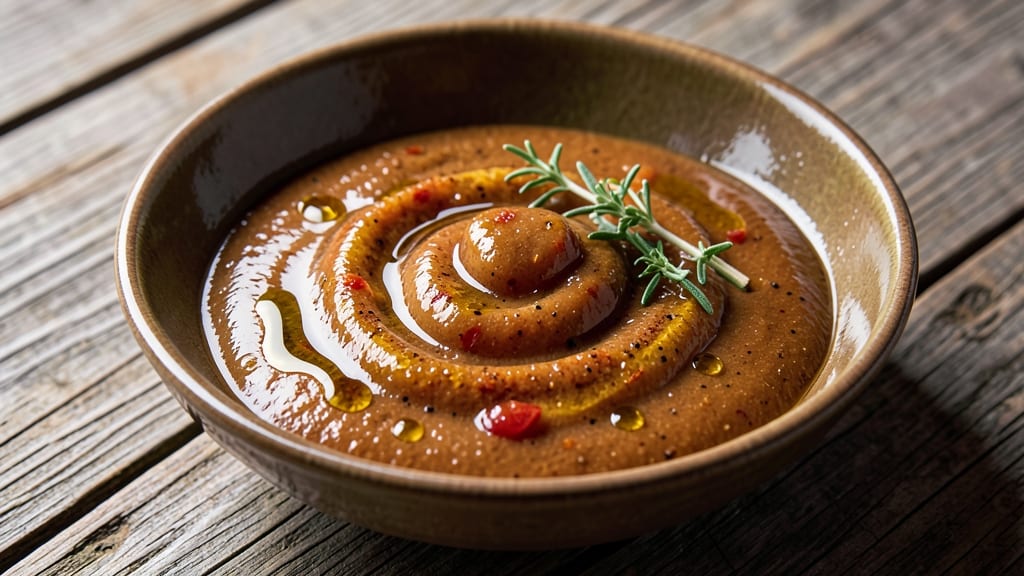
This apricot mustard sauce recipe transforms simple pantry staples into a versatile glaze that bridges sweet and tangy flavors with effortless balance. Professional chefs use it to elevate grilled meats, while home cooks adore its dual purpose as a dip for pretzels or cheese boards.
The secret lies in the slow reduction of apricot preserves with Dijon mustard and vinegar, creating a sauce that's rich yet light enough to drizzle.
What sets this sauce apart is its adaptability—it works as a marinade for chicken or pork, a glaze for roasted vegetables, or even a tangy dip for fried foods. The combination of apricot's natural sweetness with mustard's sharpness creates a complex flavor profile that's both sophisticated and approachable.
No special equipment is needed beyond a saucepan and whisk, making it perfect for weeknight cooking or meal prep.
By the time you finish blending the ingredients, you'll have a smooth, glossy sauce with just the right balance of sweetness and acidity. The texture is ideal for drizzling—thick enough to cling but thin enough to spread evenly.
Store it in the refrigerator for up to two weeks, or freeze for longer shelf life, ensuring you always have a gourmet sauce on hand.
Pair it with grilled lamb chops for a restaurant-worthy dinner, use it to glaze roasted carrots for a touch of elegance, or serve it alongside charcuterie for a crowd-pleasing dip. The possibilities are endless, and the process couldn't be simpler. Let's get started!
Ingredients for apricot mustard sauce
Simple pantry staples transform into a sauce that's perfect for glazing or dipping.
| Ingredient | Amount | Notes |
|---|---|---|
| Apricot Preserves 🍑 | 1 cup | No-sugar-added preferred |
| Dijon Mustard 🌶️ | ½ cup | High-quality for best flavor |
| Apple Cider Vinegar 🍎 | ¼ cup | For tangy balance |
| Extra-Virgin Olive Oil 🫒 | ¼ cup | For richness and gloss |
| Honey 🍯 | 2 tbsp | Adjust to taste |
| Fresh Lemon Juice 🍋 | 1 tbsp | Brightens the sauce |
| Garlic Cloves 🧄 | 2 cloves | Minced for depth |
| Salt 🧂 | ½ tsp | Kosher or sea salt |
| Black Pepper 🌶️ | ¼ tsp | Freshly ground preferred |
| Water 💧 | ½ cup | For thinning if needed |
The apricot preserves make this sauce sing—no-sugar-added is ideal if you're watching sugar, but regular preserves work fine too. Trader Joe's and Whole Foods carry great options, or grab a jar from the international aisle if you want something with a deeper fruit flavor. Dijon mustard is non-negotiable here; that grainy texture adds complexity. If you're using a cheaper brand, add a pinch of sugar to balance the sharpness. The apple cider vinegar? Bragg or Texas Pete are my go-tos—they've got that perfect tang without being overpowering.
No apricot preserves? Mango chutney or plum jam works in a pinch, though the flavor will shift slightly. Short on Dijon? Whole-grain mustard at half the amount gives you that texture, but it'll be a touch milder. The honey can be swapped for maple syrup if you prefer, but honey's floral notes play better with the apricot. Garlic is optional, but I always include it—minced, not powdered. Fresh lemon juice is key for brightness, but bottled works if you're in a rush. Need to thin it out? Add water a teaspoon at a time until it reaches your desired consistency.
This sauce keeps beautifully—2 weeks in the fridge sealed in a jar, or 6 months in the freezer. I like to portion it into small containers so I always have a ready-to-use glaze. If it thickens up when refrigerated, just stir in a splash of warm water to loosen it. The flavors actually improve as it sits, so making a double batch is worth it. Perfect for drizzling over grilled meats, brushing on roasted veggies, or serving as a dip with pretzels or cheese boards.
Why You'll Love This Recipe
- Five-Ingredient Magic: I swear by this combo—just stir apricot preserves, Dijon, and vinegar with a drizzle of honey and olive oil. No fancy techniques, no waiting for anything to come to temperature. Honestly, I’ve made it while scrolling through my phone.
- Sweet-Savory Balance: The tangy mustard cuts through the jam’s richness, while honey rounds it out—like a grown-up fruit dip. Drizzle it over grilled chicken or toss it with roasted veggies, and you’ll understand why I keep a jar in my fridge.
- Weeknight to Dinner Party: This sauce is my lazy-day hero for weeknights, but it also shines at gatherings. Slather it on sandwiches for a picnic, drizzle it over salmon for a fancy dinner, or even mix it into yogurt for a breakfast twist. It’s that adaptable.
- Makes More Than You Need: I always double the batch because it keeps for weeks in the fridge. Spread it on toast when you’re in a rush, use it as a glaze for roasted carrots, or save it for that last-minute BBQ sauce emergency. Practical? Absolutely.
Step-by-step instructions for apricot mustard sauce
This sauce comes together in minutes but delivers big flavor—perfect for glazing meats or dipping.
Warm the Apricot Preserves and Mustard
In a medium saucepan, combine the 1 cup apricot preserves and 0.5 cup Dijon mustard. Place over medium-low heat and stir gently until the mixture reaches a gentle simmer, about 3-4 minutes. You'll see the preserves soften and the mustard blend smoothly into the fruit.
This step is all about melting the preserves evenly without scorching. If you notice any bubbles forming too vigorously, reduce the heat immediately. Stir occasionally to prevent sticking—this sauce should be silky, not grainy. The warm preserves help break down the mustard's texture, creating a velvety base.
Add Vinegar, Honey, and Lemon Juice
Remove the saucepan from heat and stir in the 0.25 cup apple cider vinegar, 2 tbsp honey, and 1 tbsp fresh lemon juice. The vinegar adds a bright tang that cuts through the sweetness, while the honey deepens the flavor and the lemon juice keeps things fresh. Mix well until fully combined—you should see the sauce thicken slightly as the ingredients meld.
Here's the thing—taste as you go. If the sauce tastes too sweet, add a splash more vinegar. Too sharp? Stir in another teaspoon of honey. This is where you fine-tune the balance between sweet and tangy, so don't rush it. The goal is a harmony where neither flavor overpowers the other.
Incorporate Garlic, Oil, and Seasonings
Return the saucepan to low heat and add the 2 minced garlic cloves, 0.25 cup extra-virgin olive oil, 0.5 tsp salt, and 0.25 tsp black pepper. Stir constantly for 1-2 minutes until the garlic is fragrant but not browned—you want aroma, not bitterness. The olive oil adds richness and helps emulsify the sauce, while the seasonings round out the flavors.
Watch the sauce carefully during this step. If it starts to thicken too much, you can add 1-2 tablespoons of water to loosen it. The sauce should coat the back of a spoon but still be pourable. If it's too thin, simmer it gently for another minute or two to reduce. This is where the sauce comes together—smooth, balanced, and ready to use.
Simmer and Adjust Consistency
Let the sauce simmer gently for 3-5 minutes on low heat, stirring occasionally. This final simmer helps the flavors meld completely and ensures the sauce is smooth. If you prefer a thicker glaze, simmer longer and add a splash of water if needed. For a thinner dipping sauce, add a bit more water now.
Once the sauce reaches your desired consistency, give it one last taste. Adjust the seasoning if needed—maybe a pinch more salt or a squeeze of lemon to brighten it up. The sauce should be glossy, with a perfect balance of sweet, tangy, and savory notes. If you're using it immediately, transfer it to a serving dish. If storing, let it cool completely before refrigerating for up to 1 week.
Pro Tips For Making Apricot Mustard Sauce
- STIR CONSTANTLY AT FIRST: The apricot preserves and Dijon mustard will clump like glue if you walk away—especially if you’re using thicker, chunkier preserves. Keep the pan on low heat and stir vigorously for the first 30 seconds until everything loosens, or you’ll end up scraping gunk off the bottom later.
- USE WARM HONEY: Cold honey sinks like a stone and never fully incorporates. Microwave it for 10 seconds or warm it in a cup of hot tea first—it’ll blend smoothly and cut the mustard’s bite without fighting for space.
- DILUTE THE VINEGAR FIRST: Dumping raw apple cider vinegar into the hot sauce can make it curdle or separate. Mix it with a splash of water (about 1 tablespoon) before adding, or whisk it in slowly while the sauce is still coolish—this keeps the texture silky, not streaky.
- TASTE AS YOU GO: The sauce’s balance shifts fast—too much honey? The mustard overpowers. Too much vinegar? It turns sharp. Taste after each addition (yes, even the olive oil) and adjust in ½-teaspoon increments. Your tongue is the best tool here.
Essential equipment for great apricot mustard sauce
Small Saucepan
This recipe only needs a medium saucepan—no fancy equipment here! I use a 3-quart stainless steel saucepan from All-Clad because it heats evenly and won’t scorch your sauce.
If you don’t have stainless, a heavy-bottomed enameled cast iron (like Le Creuset) works perfectly too. Avoid thin, flimsy pans—they heat unevenly and can burn the sauce. 🔥
Whisk or Silicone Spatula
Stirring is key for a smooth sauce, so grab a balloon whisk or silicone spatula. I prefer a whisk because it incorporates air and creates a glossy finish, but a flexible silicone spatula is gentler on nonstick pans.
Avoid metal spatulas if your pan isn’t stainless—they can scratch. A medium-sized whisk (8-10 inches) is ideal for this recipe’s volume. ✨
Measuring Tools
Precision matters for balance, so invest in a liquid measuring cup and small measuring spoons. I use OXO Good Grips because they’re durable and easy to read. For the apple cider vinegar and lemon juice, a 1-cup liquid measure with markings is perfect.
A teaspoon and tablespoon set ensures you nail the honey and spices—don’t eyeball it! The ½ teaspoon salt can make or break the flavor. 💡
Optional Immersion Blender
If you want ultra-smooth texture, an immersion blender (like Cuisinart’s Stick Blender) is a game-changer. Pulse the sauce for 10-15 seconds after simmering to break up any fruit chunks.
Skip this if you like rustic texture—it’s totally optional! Just whisk vigorously for 2-3 minutes by hand for a similar effect. 💪
Storage Containers
For leftovers, use glass jars with airtight lids (like Mason jars or Ball canning jars). They keep the sauce fresh for 2 weeks in the fridge or 6 months in the freezer. Avoid plastic—it can absorb flavors and odors.
Label your jars with the date and contents so you don’t forget what’s in there! A small batch (1-2 cups) fits perfectly in a pint-sized jar.
Nutrition facts
Frequently asked questions
Can I make this apricot mustard sauce without cooking it?
You can create a no-cook version by whisking together 1 cup apricot preserves, ½ cup Dijon mustard, 2 tbsp honey, 1 tbsp lemon juice, and ¼ cup olive oil in a bowl. However, the cooked version develops deeper flavor through the reduction process. For a quick fix, blend the ingredients in a food processor for 30 seconds to emulsify. The texture will be thinner but still delicious!
What are the best proteins to pair with this sauce?
This sauce shines with grilled or roasted meats like pork chops, chicken thighs, or lamb chops. The sweet-tangy balance complements smoky flavors perfectly. For vegetarian options, drizzle it over roasted vegetables (like Brussels sprouts or carrots) or use it as a dip for halloumi cheese or pretzels. The acidity also cuts through rich dishes like duck confit or seared steak.
Why did my sauce separate?
Separation usually happens when the sauce cools too quickly or if the oil and liquid ingredients aren't properly emulsified. To fix it, whisk in 1-2 tbsp warm water or lemon juice while stirring vigorously. For prevention, simmer the sauce longer on low heat or use an immersion blender for 10 seconds to blend ingredients thoroughly. The olive oil helps bind the sauce, so ensure it's fully incorporated during cooking.
Can I substitute apricot preserves with something else?
Yes! For a similar sweet-tangy profile, try mango chutney, peach jam, or plum sauce. If you prefer savory, swap in 1 cup tomato paste and reduce the honey to 1 tbsp. For a fruit-only version, use ½ cup apricot puree (blended fresh or canned) plus ¼ cup orange juice to replace the preserves. Adjust vinegar and sweetener to taste after substituting.
How do I adjust the sweetness or tanginess?
For a sweeter sauce, add 1-2 tbsp more honey or 1 tbsp maple syrup. To increase tang, stir in 1-2 tbsp extra vinegar or ½ tsp lemon zest. If the sauce tastes too sharp, balance it with 1 tsp sugar or honey. Taste as you go—small adjustments make all the difference! The ideal ratio is 60% sweet, 30% tang, and 10% savory from the mustard and garlic.